

The story of the British seaside resort is one of classic boom and bust. Once the crown jewels of Victorian leisure, iconic coastal towns like Blackpool, Skegness, and Great Yarmouth served as the primary retreat for millions of working-class families.
Today, many of these resorts face severe economic decline, struggling with issues ranging from shifting holiday habits to deep-rooted structural isolation.

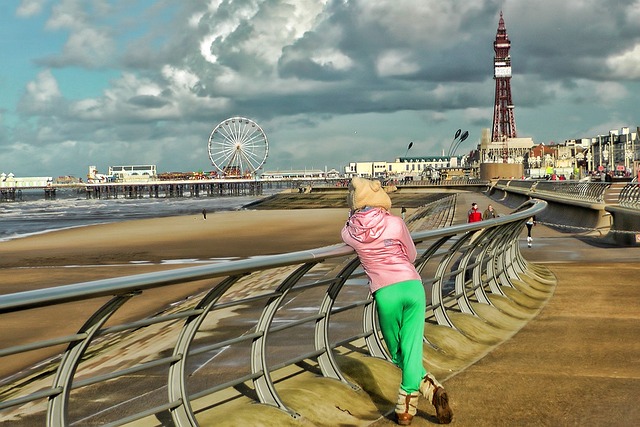
Several key factors drive the decline of the UK seaside resort:
The Rise of Cheap Package Holidays
The turning point began in the 1970s with the boom of budget commercial aviation and package holiday operators. Suddenly, a week in sunny Spain or Greece became as affordable as a rain-slicked week in Scarborough or Clacton.
Unpredictable British weather, combined with guaranteed Mediterranean sunshine, led generations of holidaymakers to abandon domestic coastlines for guaranteed summer heat abroad.
Geographic and Transport Isolation
Most coastal towns suffer from being geographically “at the end of the line”. Unlike inland towns that sit along central transit corridors or major highways, seaside resorts only draw traffic from one direction.
Poor road links and infrequent, expensive rail services make commuting to major economic hubs difficult, discouraging modern businesses from investing in these areas.
Seasonal and Fragile Economies
Seaside economies historically rely on tourism, hospitality, and seasonal entertainment—industries that peak for a few summer months and dry up for the rest of the year. The abundance of low-wage, zero-hours, or part-time work creates persistent underemployment.
As traditional industries like fishing and shipping faded alongside domestic tourism, few alternative sectors emerged to replace them.
Housing and Demographic Shifts
The decline created a severe housing mismatch. Grand Victorian hotels and guesthouses, no longer viable for tourists, were frequently converted into low-cost Houses in Multiple Occupation (HMOs) or cheap private rentals.
This attracted highly transient, low-income populations while prompt statutory support services struggled to keep up. Concurrently, coastal areas have seen a steady “brain drain,” with young people leaving for better educational and career opportunities inland, leaving behind ageing demographics.
A Story of Contrasts
While classic, large-scale amusement resorts have struggled, the narrative is not entirely uniform across the UK coast:
| Resort Type | Core Examples | Modern Status | Primary Economic Drivers |
| Traditional Mass Tourism | Blackpool, Skegness, Clacton | High deprivation, struggling with seasonal reliance | Arcades, budget staycations, local hospitality |
| Pivoted / Heritage Towns | Whitstable, Margate, St Ives | Gentrified, growing tourist interest | Boutique retail, art galleries, high-end gastronomy |
| Commuter & University Hubs | Brighton, Bournemouth | Economically resilient, higher property values | Tech, higher education, remote work, London links |
Reversing this decline requires moving past the illusion that tourism alone can sustain these communities year-round.
True revitalisation depends on improved digital and transport infrastructure, diversifying local employment into sectors like renewable energy, and investing directly in education and health services for permanent residents.
