The Story of the British Motor Corporation (BMC)
If you’ve ever admired a classic Mini nipping through city streets or swooned over a vintage Austin-Healey, you’ve crossed paths with the legacy of the British Motor Corporation (BMC).
Formed in the optimistic post-war era, BMC was once the beating heart of the UK automotive industry—a titan born from necessity, driven by innovation, and eventually reshaped by a changing global market.
The Birth of a Titan (1952)
In 1952, British car manufacturing reached a historic turning point. Two long-standing, fierce rivals—the Austin Motor Company and the Morris Organisation (Nuffield Organisation)—decided to join forces.
- The Goal: To pool resources, dominate the domestic market, and aggressively compete against American giants like Ford and General Motors globally.
- The Result: BMC instantly became the largest car manufacturer in Britain, controlling over 39% of the UK auto market at its peak.
Innovation and Icons: The Mini Era
The true defining moment for BMC arrived in 1959 under the brilliant mind of designer Sir Alec Issigonis.
Faced with fuel shortages caused by the Suez Crisis, BMC launched the revolution on wheels: the Mini (initially sold as both the Austin Seven and Morris Mini-Minor).

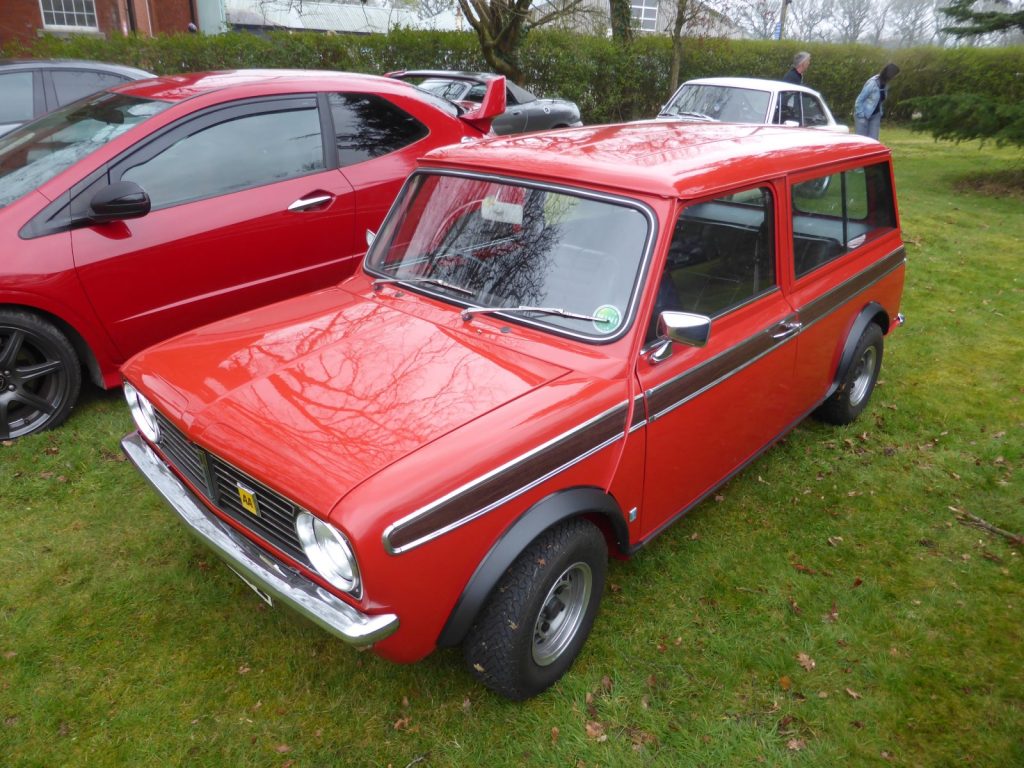
With its space-saving transverse engine and front-wheel-drive layout, the Mini didn’t just change small-car design forever—it became an enduring cultural icon of the “Swinging Sixties.” Along with affordable sports cars like the Austin-Healey Sprite and the MGB, BMC defined the British motoring aesthetic across the globe.
Mergers and the Final Lap
While BMC produced some of the world’s most beloved vehicles, it also faced internal challenges. Badge engineering (selling virtually identical cars under different brand names) created internal competition between its own dealerships, and labour unrest in the 1960s put pressure on production.
To stay competitive, BMC expanded and merged:
- 1966: BMC merged with Jaguar Cars to form British Motor Holdings (BMH).
- 1968: BMH merged with the Leyland Motor Corporation, giving birth to the sprawling state-influenced giant, British Leyland (BL).
Though the BMC name eventually faded into industrial history, its DNA paved the way for modern automotive engineering.
Every Brand Under the BMC Umbrella
Throughout its run, BMC owned, created, or manufactured vehicles under a legendary roster of marques. Here is the full list of brands that fell under the BMC umbrella:
Core Founding Brands
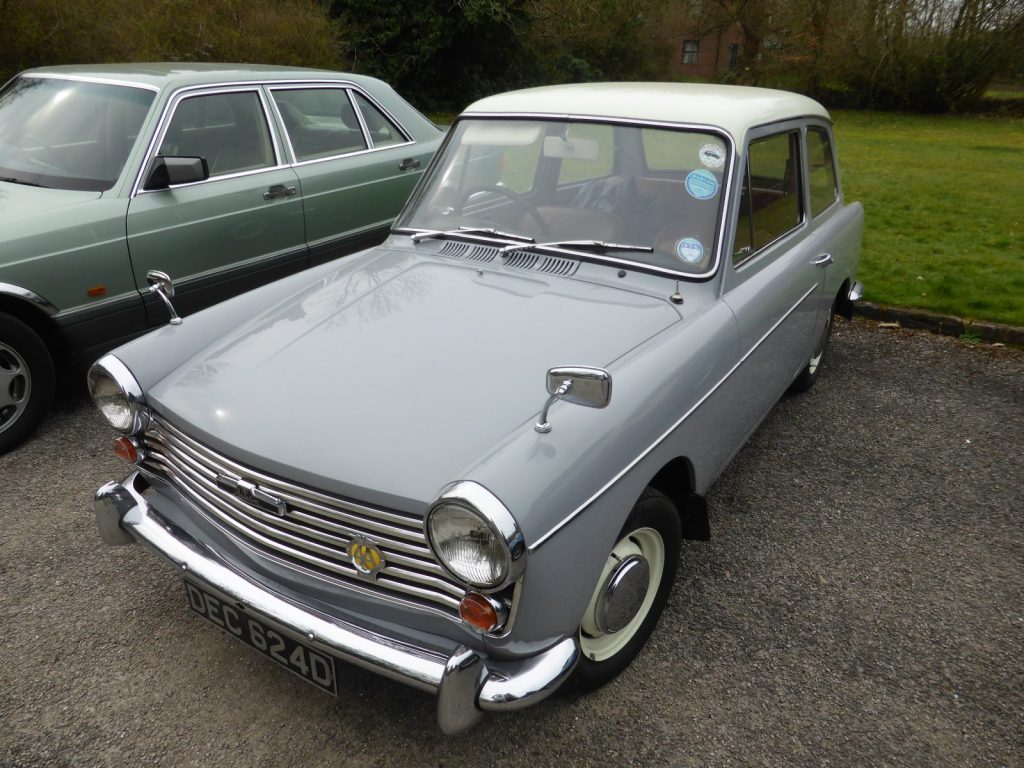
- Austin
- Morris
Nuffield / Heritage Marques
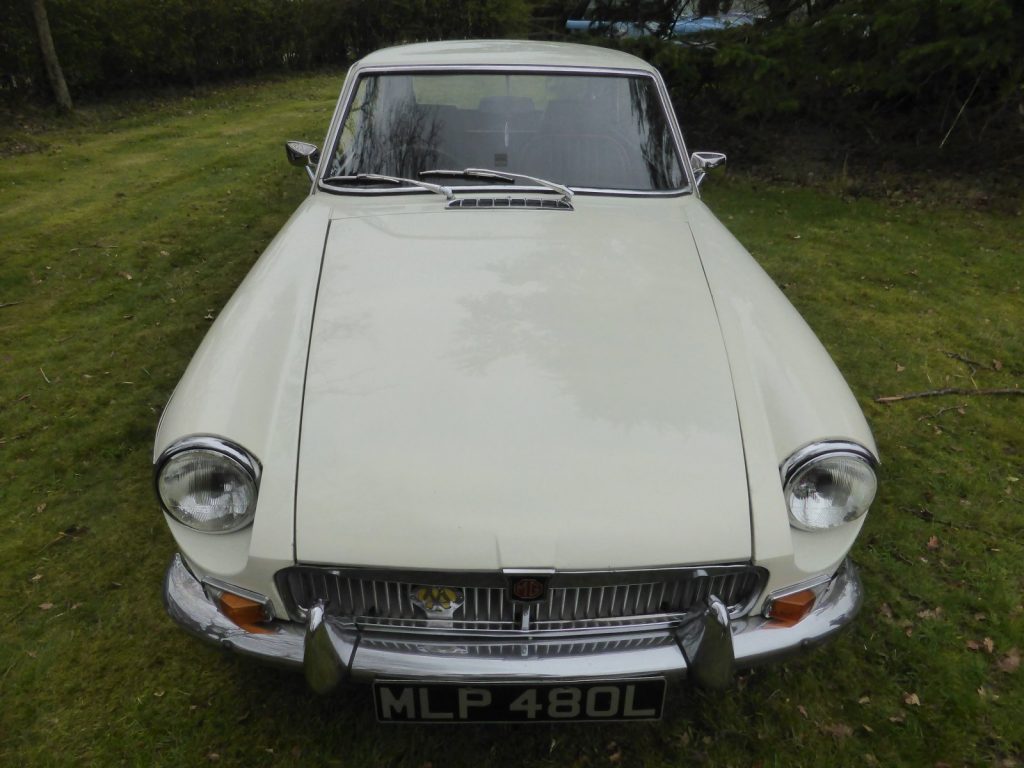
- MG (Morris Garages)
- Riley
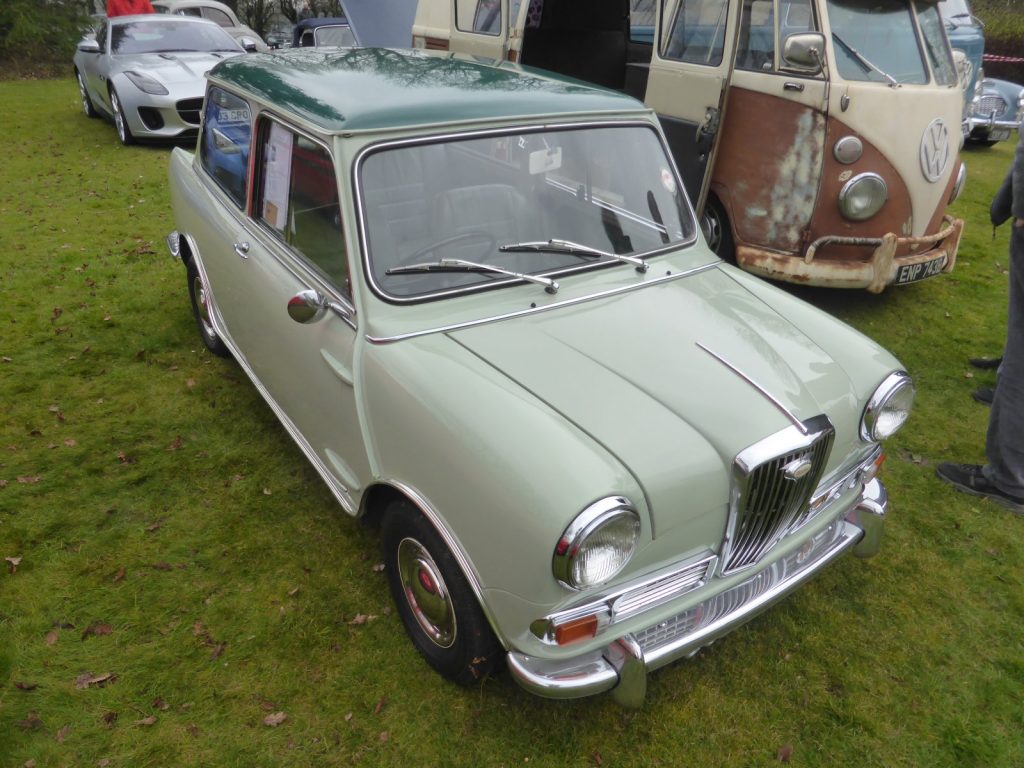
- Wolseley
Joint-Ventures & Specialised Marques
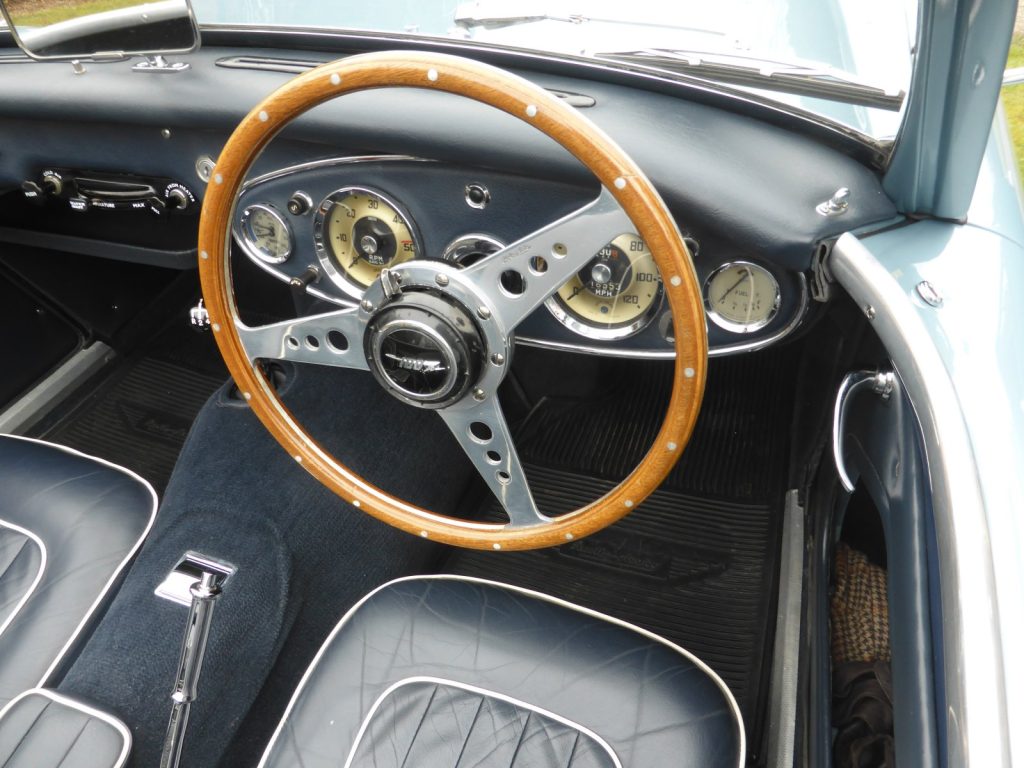
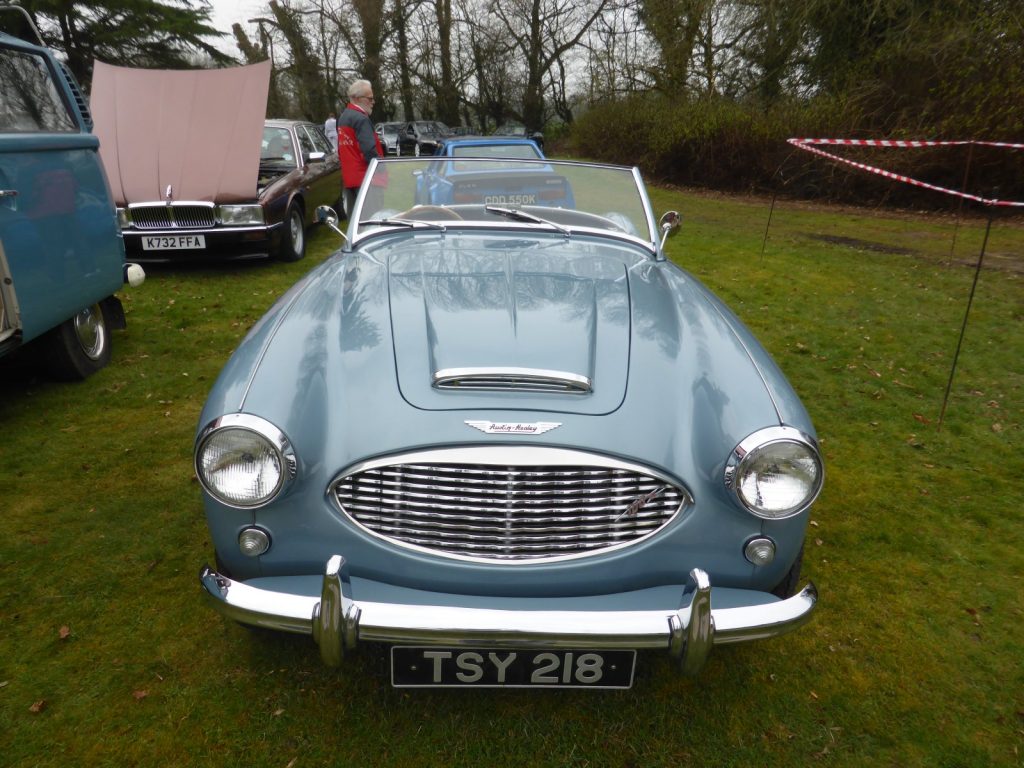
- Austin-Healey (Specialised sports car collaboration with Donald Healey)
- Vanden Plas (Luxury coachbuilder arm turned high-end trim brand)
- Princess (Initially high-end Austin/Vanden Plas models before briefly becoming its own standalone marque under BL)
Commercial & Agricultural
- BMC (Used directly as a brand for commercial trucks, vans, and tractors)
- Metropolitan (Imported/marketed in collaboration with Nash/American Motors)