
Understanding Interest Rate Changes: How They Impact Your Wallet and the Economy
Interest rates are among the most influential levers in modern economics. When central banks adjust benchmark borrowing rates, the effects ripple through almost every area of daily life—from mortgage rates and credit card payments to job growth and everyday retail prices.
Understanding how interest rate changes work, why central banks adjust them, and how to navigate rate shifts can help you make smarter financial decisions regardless of economic climate.
What Are Interest Rates and Why Do They Change?
At its simplest, an interest rate is the cost of borrowing money or the yield earned on saved capital. Central banks manage these benchmark rates to achieve stability in two main areas: keeping inflation under control and supporting employment.
Central bank rate adjustments generally follow two paths:
- Raising Rates (Tightening): When consumer prices rise too fast (inflation), central banks increase rates to make borrowing more expensive. This cools spending and stabilises prices.
- Lowering Rates (Easing): During economic slowdowns, central banks lower rates to make loans cheaper, encouraging businesses and consumers to borrow, spend, and invest.
How Interest Rate Changes Affect You Directly
When central banks change benchmark rates, commercial banks adjust the rates they charge borrowers and pay savers. Here is how those movements influence key areas of personal finance:
                  ┌───────────────────────────────┐
                  │   Central Bank Changes Rates  │
                  └──────────────┬────────────────┘
                                 │
                  ┌──────────────┴────────────────┐
                  │  Commercial Banks Adjust Rates│
                  └──────────────┬────────────────┘
                                 │
        ┌────────────────────────┼────────────────────────┐
        ▼                        ▼                        ▼
┌──────────────┐         ┌──────────────┐         ┌──────────────┐
│  Mortgages   │         │ Credit Cards │         │ Savings &    │
│  & Housing   │         │  & Loans     │         │ Investments  │
└──────────────┘         └──────────────┘         └──────────────┘
1. Mortgages and Housing Costs
- When rates rise: Variable-rate mortgages increase almost immediately, and new fixed-rate mortgages become more expensive. Higher monthly payments reduce buyer purchasing power, which typically cools housing market activity.
- When rates drop: Borrowing costs decrease, allowing buyers to afford larger loans for the same monthly payment. Existing homeowners often use low-rate periods to refinance high-interest mortgages.

2. Credit Cards and Personal Loans
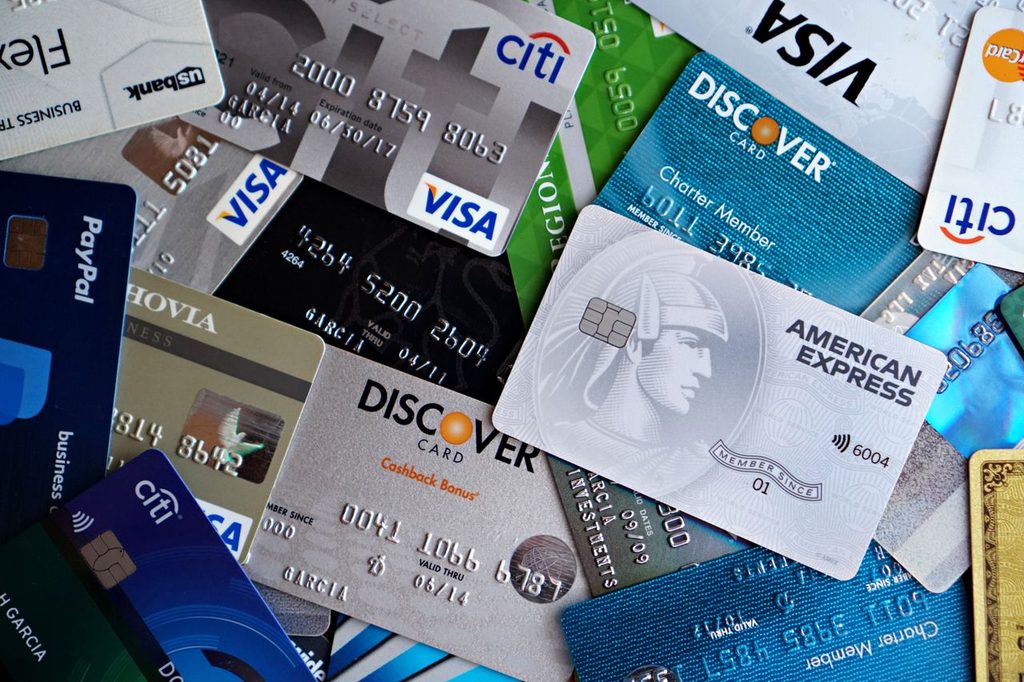
- When rates rise: Debt linked to variable APRs (such as credit cards and personal lines of credit) becomes more costly. Carrying a balance month-to-month results in higher interest charges.
- When rates drop: Interest charges on variable-rate debt decrease, giving consumers a clearer path to paying off balances.
3. Savings Accounts and Fixed Deposits
- When rates rise: Financial institutions compete for customer deposits by raising rates on savings accounts and high-yield certificates. Savers earn higher returns on cash reserves.
- When rates drop: Yields on savings products shrink, driving investors to seek returns in other asset classes like equities or fixed-income bonds.
Macroeconomic Impact: Jobs and Consumer Prices
Beyond personal finances, interest rates directly shape economic trajectory:
| Rate Environment | Impact on Businesses | Impact on Inflation | Impact on Employment |
| High Rates | Higher capital costs reduce expansion and equipment investment | Cools demand, bringing down price growth | Hiring slows down; potential labour market contraction |
| Low Rates | Cheaper capital encourages business growth and project funding | Increases demand, potentially pushing prices up | Accelerates job creation and hiring |
Financial Strategies for Changing Rate Environments
Because economic cycles alternate between rising and falling rate regimes, adjusting your strategy helps protect your balance sheet:
- Prioritise Variable Debt in High-Rate Climates: Focus on paying off high-interest credit card debt or converting variable-rate loans into fixed-rate options before interest costs escalate.
- Secure Fixed Rates When Yields Peak: If savings or CD rates are favourable before an expected rate-cutting cycle, locking in long-term rates preserves your returns.
- Review Refinancing Options During Easing Cycles: When rates drop significantly, evaluate whether refinancing mortgages, auto loans, or student debt yields net savings after closing costs.