
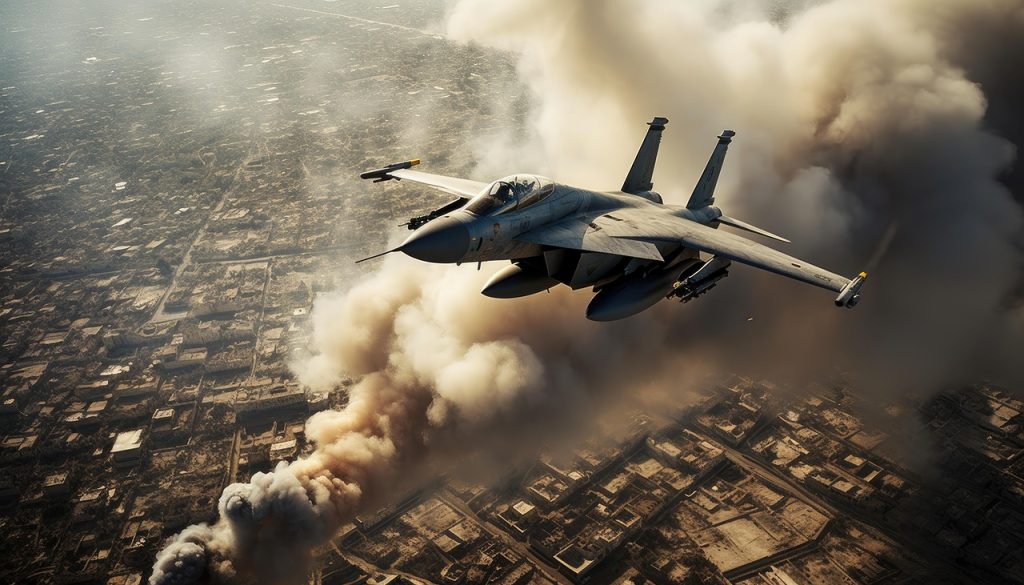
The Fallout of the Iran War: Economic Shockwaves, Regional Realignment, and Global Security
The military conflict involving Iran, the United States, and Israel has triggered a sweeping shift in the global order. Beyond the immediate military dimensions, the fallout has reshaped energy markets. It’s altered international trade routes and redefined security strategies across the Middle East and beyond.
1. Global Economic Shock and Energy Volatility
The most immediate global impact of the conflict was felt across energy markets and supply chains. Maritime security disruptions around key trade corridors—most notably the Strait of Hormuz—forced significant recalculations in global shipping.
- Energy Prices: Threat vectors along critical maritime bottlenecks caused energy prices to surge, driving oil and natural gas prices higher.
- Freight and Insurance Costs: Maritime transport through key Middle Eastern waters saw steep increases in war-risk insurance premiums. This raised shipping costs for consumer goods, raw materials, and agricultural inputs.
- Resurgent Inflation: The sudden spike in transport and fuel costs trickled down into global supply chains. This complicated central bank policies as monetary authorities attempted to balance inflation risks against economic growth.
2. Realignment of Regional Dynamics
The fallout from the war has accelerated structural political changes across the Middle East.
- Gulf State Diversification: Non-belligerent regional nations have accelerated efforts to diversify trade corridors, investing in alternative pipeline infrastructures, overland transit routes, and expanded bypass ports along the Red Sea and Gulf of Oman.
- Shift in Proxy Capabilities: The conflict significantly altered the operational footprint of non-state regional actor networks, forcing local governments to adjust their domestic and border defence priorities.
- Diplomatic Re-evaluations: Regional powers that previously balanced security arrangements between Western alliances and eastern trading partners are shifting toward pragmatic, defence-first diplomatic frameworks.
3. Defence, Security, and Modern Warfare Innovations
The tactics and hardware deployed throughout the war underscored new realities in modern high-intensity warfare.
- Asymmetric Air Defence Challenges: The extensive deployment of long-range, low-cost loitering munitions and missile salvos highlighted the cost asymmetry of modern air defence. Military planners worldwide are now prioritising low-cost kinetic interceptors, directed-energy weapons, and electronic countermeasure systems.
- Critical Infrastructure Hardening: Attacks on industrial sites, energy facilities, and regional transport hubs have made the physical and cyber defence of energy grid systems a paramount national security priority.
- Cyber Operations: Parallel to kinetic warfare, targeted cyber offensive campaigns targeted banking, logistics, and communication networks, reinforcing the need for hardened civilian and military digital infrastructure.
4. The Path Forward
The long-term consequences of the Iran war extend far beyond the immediate region. As global economies adjust to ongoing supply chain shifts and rising defence budgets, international policy is increasingly focused on energy independence, resilient supply corridors, and regional stabilisation strategies. Navigate these evolving geopolitical dynamics by staying informed through verified geopolitical and macroeconomic research outlets.