
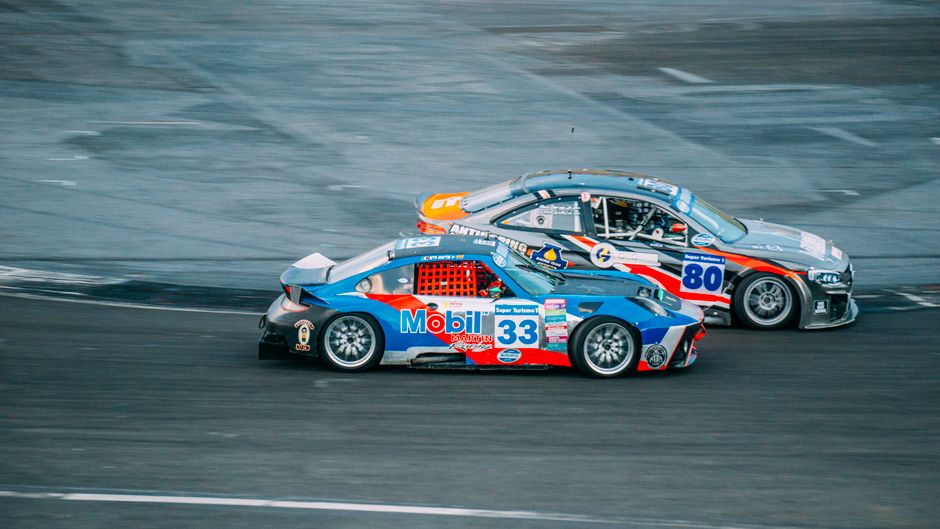
The 24 Hours of Le Mans is an endurance sports car race held annually near the city of Le Mans in France. The first running took place in 1923, which makes it the oldest active endurance sports car race in the world. That single fact explains a great deal about its standing. Championships have been renamed and regulations rewritten many times since, yet the Le Mans 24 Hours has held its position at the top of endurance motorsport.
The organisers describe the race as a technological challenge and an immeasurable human adventure, and that mixture is what separates it from a straightforward sprint event. Manufacturers use it to test ideas under conditions no laboratory can copy, while spectators get a full day and night of racing in one sitting. It is one of the biggest sporting events in the world, and the story of how it got there runs through a French motoring club, a river city and a century of mechanical change.
1923 and the Club That Made the Race Happen
Behind the event sits the Automobile Club de l’Ouest, usually shortened to the ACO. The club was founded in 1906 and designs and organises world-leading car races, with the 24 Hours of Le Mans as its best-known creation. The ACO presents itself as the creator and organiser of the race, a role it has held since the earliest days of the event.
The ACO is not only a race promoter. It is a club with more than 40,000 car and motorbike enthusiast members, and part of its stated purpose is protecting road users on a daily basis. Members receive preferential conditions at races run on the Le Mans circuit, and the club also organises events across western France, the region it refers to as le Grand Ouest.
That structure helps explain the race’s continuity. A members’ club with a long institutional memory has been able to carry the event through the different eras of motorsport, adapting the rulebook while keeping the central idea intact. The format is stated in the name itself: a race that runs for 24 hours, held annually, on a circuit near the city.
The City Behind the Name
Le Mans is a city in northwestern France, sitting on the Sarthe River where it meets the Huisne. Traditionally the capital of the province of Maine, it is now a prefecture and commune in the Pays de la Loire region. The city is known as the City of Art and History, and its most famous export is the endurance race that carries its name, with thousands of spectators attending every year.
Anyone who has only seen the event on television tends to underestimate the city’s part in it. The circuit sits close to Le Mans itself, and race week reshapes the surrounding area for its duration. For a first visit, check the official circuit and ticketing pages rather than relying on older write-ups, because the programme, entry list and access arrangements are all published there and can change from year to year.

How the Le Mans Name Grew Beyond One Weekend
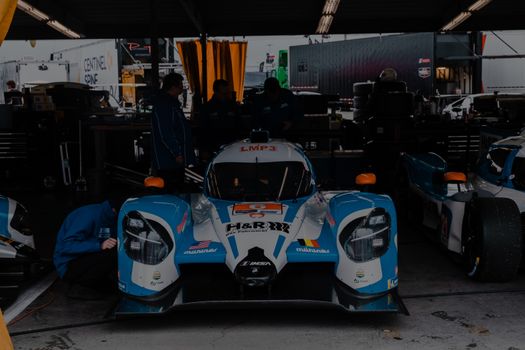
The 24 Hours is the centrepiece, but the Le Mans name now covers a family of championships, support series and even a video game. The official site links out across the main competition and its associated series, which gives a clear picture of how far the brand reaches.
| Series or product | What it is |
|---|---|
| 24 Hours of Le Mans | The flagship endurance race, held annually near the city of Le Mans and a round of the FIA World Endurance Championship |
| FIA World Endurance Championship | The world championship of which the Le Mans 24 Hours forms a part |
| European Le Mans Series | A European endurance championship; its calendar has included a four-hour race at Portimao |
| Michelin Le Mans Cup | A support series carrying the Le Mans name, with its own news, results and live timing |
| Asian Le Mans Series | The Asian counterpart within the same racing family |
| Le Mans Ultimate | The official game of the event |
For British readers, the wider family can be a gentler introduction to the sport. The European series and the Michelin Le Mans Cup run shorter races, which makes them easier to follow in a single sitting, while the 24 Hours remains the long-form event that everything else builds towards.
Why Endurance Racing Looks So Different
A 24-hour race rewards different qualities from a short one. Surviving the distance matters as much as outright speed, and the ACO’s own description of the event leans on that idea of a technological challenge paired with a human adventure. The result is a form of motorsport where reliability, planning and patience carry real weight.
The calendar has changed shape since 1923 as well. What began as a single annual fixture now sits inside a world championship, with feeder series on other continents and a museum and track-day operation keeping the circuit in use through the rest of the year. That spread is one reason the Le Mans name survives in conversations far outside France.
Le Mans Now: The Modern Event
The 24 Hours of Le Mans is a round of the FIA World Endurance Championship, which places it inside a season-long title fight rather than leaving it as a standalone curiosity. The next edition listed by the organisers is the 95th running of the race, scheduled for 9 to 13 June 2027. Ticketing, the entry list, the full programme and a circuit map are all published on the official race site.
Dates, session times and entry details can change, so confirm them with the organisers before booking travel or accommodation. The official pages are also the place to look for hospitality options, which are typically handled separately from general admission.
The sport has moved online too. Le Mans Ultimate is listed as the official game of the event, and the organisers run a subscription-style service alongside their live coverage. For supporters who cannot travel to France, that is often the simplest way to follow practice, qualifying and the race itself.
The Museum, the Circuit and the Rest of the Year
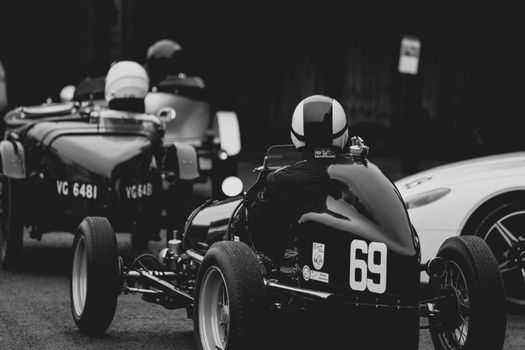
At the gates of the legendary circuit, the Motor Sport Museum, known as M24, invites visitors to explore the world of motorsport, covering endurance racing and Formula 1 among other subjects. It is a sensible stop for anyone who wants context before or after race weekend, and it keeps the site active outside the main event.
The circuit also hosts track days, so the same tarmac used for the 24 Hours appears in traveller guides aimed at people who want to drive it themselves. Meanwhile the European and Asian series, the Michelin Le Mans Cup and the world championship all keep the Le Mans name in front of audiences across the year.
What Has Kept Le Mans Relevant for a Century
Three factors stand out. The first is age. A race first run in 1923 carries a weight of tradition that newer events cannot simply buy, and the oldest active endurance sports car race in the world has had more than a hundred years to build its reputation.
The second is the club behind it. The ACO’s membership of more than 40,000 enthusiasts, its work on road safety and its programme of events across western France give the race a support base that is not purely commercial.
The third is the technical dimension. Treating the race as a test bed as much as a competition has kept manufacturers interested across decades of change, from the early years through to the modern championship era. That is why the event is still spoken about as a challenge rather than just a fixture.

Planning a First Trip to Le Mans
- Check the official race site for confirmed dates, the entry list, the programme and a circuit map before booking anything.
- Buy tickets through the official ticketing pages linked from the organisers rather than unofficial resale sites.
- Allow time for the city as well as the circuit. Le Mans is a City of Art and History with a river running through it.
- If one weekend is not enough, look at the European and Asian series calendars or the Michelin Le Mans Cup.
- Expect crowds. Thousands of spectators attend every year, so plan travel and accommodation early.
Frequently Asked Questions
When was the first Le Mans race held?
The 24 Hours of Le Mans was first run in 1923, which makes it the oldest active endurance sports car race in the world. It has been held annually near the city of Le Mans in France ever since, and today it forms a round of the FIA World Endurance Championship.
Who organises the 24 Hours of Le Mans?
The Automobile Club de l’Ouest, commonly known as the ACO, is the creator and organiser of the race. The club was founded in 1906 and designs and organises world-leading car races. It also has more than 40,000 car and motorbike enthusiast members and runs events across western France.
Where exactly is the Le Mans circuit?
The race takes place near the city of Le Mans in northwestern France. The city itself sits on the Sarthe River where it meets the Huisne, and it is now a prefecture and commune in the Pays de la Loire region. The circuit lies close by, and the surrounding area fills with spectators every year.
When is the next Le Mans 24 Hours?
The next edition listed by the organisers is the 95th running of the race, scheduled for 9 to 13 June 2027. Ticketing, the entry list, the full programme and a circuit map are published on the official race site. Always confirm dates there before booking travel.
Is Le Mans part of a championship?
Yes. The 24 Hours of Le Mans is a round of the FIA World Endurance Championship, so it counts towards a season-long title as well as standing alone as an event. Related series include the European Le Mans Series, the Michelin Le Mans Cup and the Asian Le Mans Series.
From a single race first staged in 1923 to a global name attached to world championships, support series, a museum and an official video game, Le Mans has grown well beyond one weekend in northwestern France. The essentials have not moved: a 24-hour race, a circuit near the city, and a club that has organised it since the beginning. Anyone planning to attend should treat the official race site as the final word on dates, tickets and the programme.