
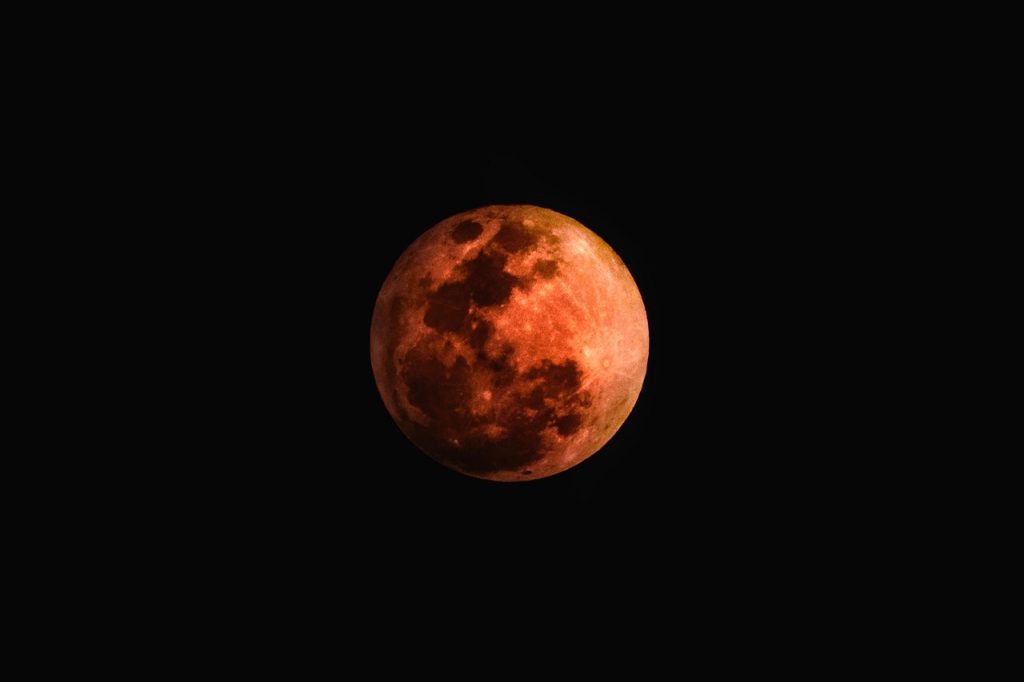
Setting Your Alarms: Seeing the August 28, 2026 Lunar Eclipse in the UK
UK stargazers are in for an early-morning astronomical treat on Friday, August 28, 2026. While classified globally as a partial lunar eclipse, this event is extraordinarily deep—covering over 93% of the Moon’s surface at its peak.
Because so much of the Moon enters the Earth’s dark umbral shadow, observers will see the lunar disk turn a rich, reddish-orange “Blood Moon” hue just as dawn begins to break.


Key Eclipse Timings for the UK (BST)
Because the eclipse takes place right before sunrise, early risers will catch the main event in the western sky:
- 2:23 AM BST — Penumbral Phase Begins: The Earth’s outer shadow starts to subtly dim the edge of the Moon.
- 3:33 AM BST — Partial Phase Begins: The Moon begins moving into the Earth’s inner shadow (umbra), with a visible bite taken out of the lunar surface.
- 5:12 AM BST — Maximum Eclipse (Peak View): The peak moment arrives! Over 93% of the Moon is immersed in shadow, casting a striking red-orange glow.
- 6:15 AM BST — Moonset: Depending on your exact location in the UK, the Moon will set beneath the horizon shortly after maximum eclipse while still heavily shadowed.
Top Tips for Viewing in the UK
- Find a Clear View to the West-Southwest: By the time the peak arrives at 5:12 AM BST, the Moon will be sitting very low on the horizon (around 8 degrees altitude in London). Position yourself on a hill or open ground free of tall buildings and trees.
- No Special Equipment Required: Lunar eclipses are completely safe to view with the naked eye. However, bringing binoculars will provide a much clearer view of the shadow line sweeping over lunar craters.
- Watch the Weather: Late August dawns in the UK can bring low-level mist or cloud cover, so keep an eye on local forecasts the night before.
