General
Chernobyl 40 years on on April 26th
It’s the 40th anniversary of the Chernobyl disaster on the 26th of April.

It’s the 40th anniversary of the Chernobyl disaster on the 26th of April. The nuclear power plant Chernobyl had an accident, causing reactor 4 to explode, leaving the core exposed and nuclear particles being dispersed into the atmosphere. The immediate explosion killed 2, but worse was to come, and it was the worst nuclear accident in history at the time.
A nuclear reactor makes steam. This steam, in turn, makes the steam turbines spin, and the generators make electricity.
Never had this type of accident been seen in the world at the time. The core had gone, and graphite was distributed everywhere on the roof and the ground outside. The fire brigade turned up and started to put out the fire, but the firemen were getting sick with radiation poisoning.
With the town of Pripyat located 3km from the plant, all 49,000 people needed to be evacuated, but while everyone argued about the accident, it took 36 hours for a 10km exclusion zone to be established. Over the coming weeks, 300,000 people had to be evacuated from the area.

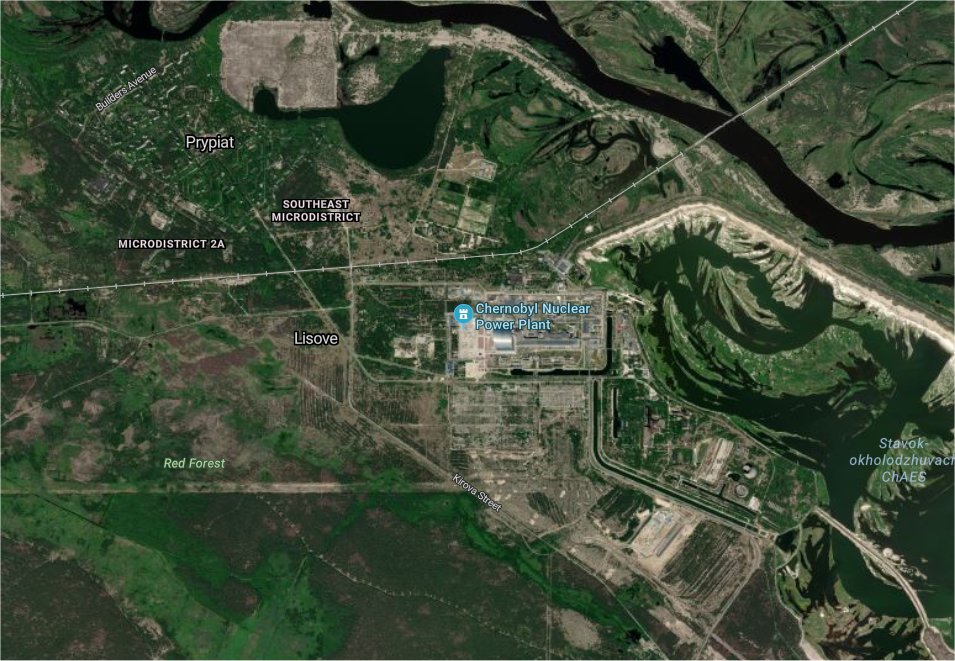
The problem is that radiation is invisible. How many people in Europe died of cancer because of the Chernobyl accident from nuclear fallout?
One of the main problems was the secretive Soviet state. They did not want their enemies to know anything about the USSR and weren’t quick enough to let the world know about the accident. They would not allow help from the West anyway.
These days, the perimeter of Chernobyl is 2600 km² to keep people safe. Regeneration and common ecosystems are now flourishing in the exclusion zone. It’s become a popular tourist location until the war started. People just want to go where it’s dangerous.
The nuclear industry is quite a safe industry. Classed as renewable energy, some nuclear waste is reused. The perfect cycle was the Plutonium breeder reactors. The waste Plutonium is recycled back into the reactor rather than becoming a byproduct. For more info, try Wikipedia on fast breeder reactors.
It’s going to take lifetimes before cleanup work can properly begin.
You must be logged in to post a comment Login