
Sports
Basics of Tennis Explained
Tennis is a sport that involves at least two players, and sometimes four if you’re playing doubles.


Tennis is a sport that involves at least two players, and sometimes four if you’re playing doubles. The essential equipment needed includes a tennis ball, a tennis racquet, and a tennis court. Each player will also need tennis shoes and appropriate tennis attire. This minimal requirement makes tennis a relatively light sport to play compared to football, which requires a significant amount of heavy equipment.
A regulation tennis court must be used to ensure consistency in size and maintenance, preventing games from being affected by the court’s conditions. The net is placed in the center of the court, and there are service lines that run parallel to the net on either side. Further back, on the outer edge of the court, are the baselines, which indicate where players typically begin playing.
The sides of the court are marked by lines that delineate the outer edges, known as the alleys. It’s essential to understand the difference between singles and doubles play. In singles tennis, the alley is considered out of bounds; if a ball hits the alley, it is immediately a fault. However, in doubles tennis, the alley can be used without penalty, which can significantly affect the outcome of the game. To start a game, you need at least two players to serve the ball. A successful serve requires hitting the ball into the opponent’s side of the court, specifically into the service box on that side. Each player has a service box on their left side, and regardless of who serves, the ball must land in that box. The ball must bounce at least once in the service box for the serve to be valid. If it does not, the serve must be repeated.
Once the ball has successfully landed in the service box, the primary aspect of tennis begins: players hit the ball back and forth across the court. The goal is to prevent the ball from bouncing out of bounds or hitting the alley in singles play. To score points, you must ensure that you hit the ball when it reaches you. If you fail to return the ball while your opponent does, they will gain a point.
Each time a ball is missed, it must be served again. Players will take turns serving, ensuring that both get an equal opportunity throughout the match. This overview provides a basic understanding of how tennis is played, although it does not cover specific scoring rules or strategies.


Football
Full 2026 World Cup schedule by day
The World Cup kicks off at 8 pm (BST) with Mexico v South Africa.
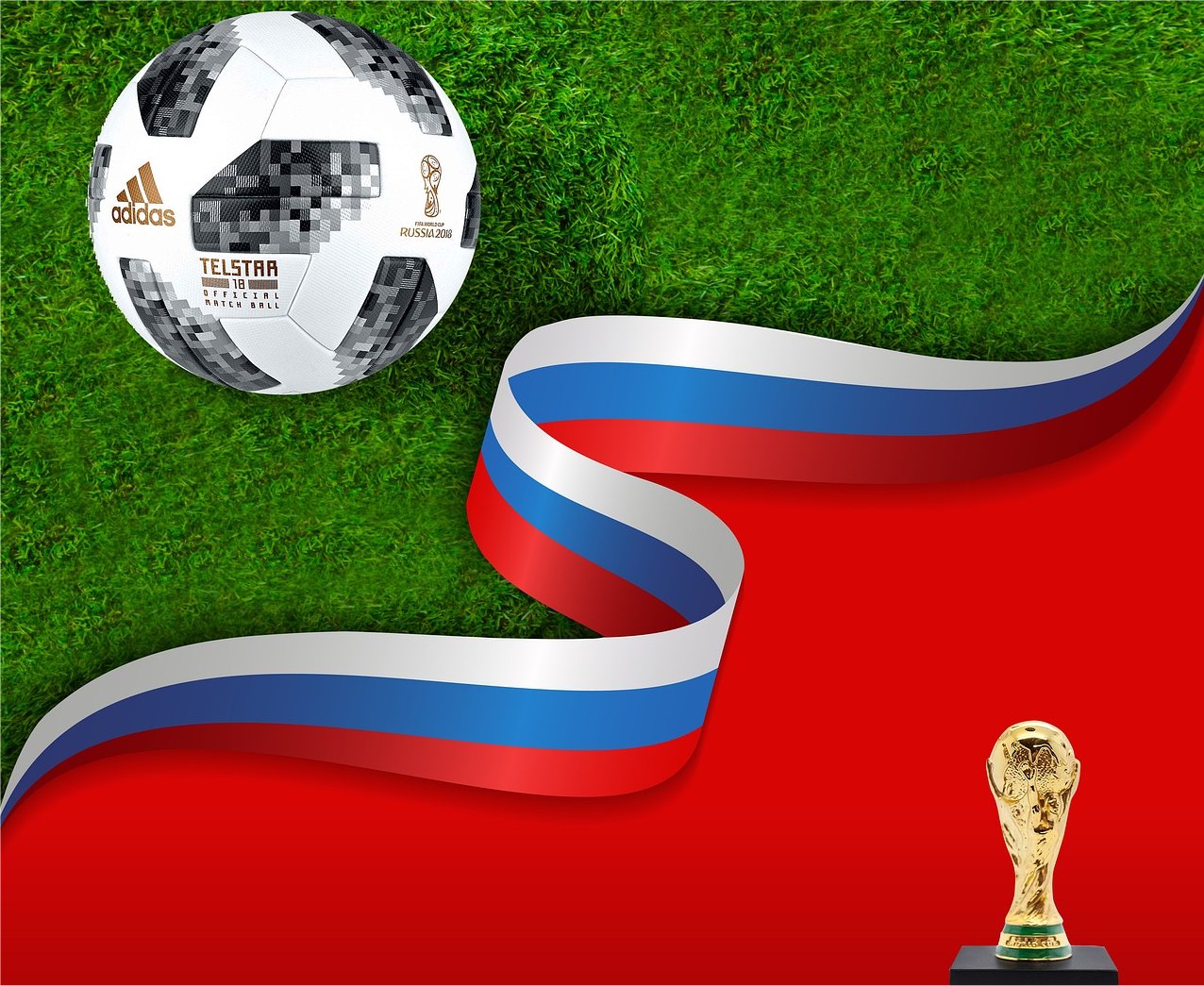
Well, it all starts on Thursday, the 11th June 2026. The World Cup kicks off at 8 pm (BST) with Mexico v South Africa. This is a repeat of the first fixture of the South African World Cup 2010, where it was a 1-1 draw. Below is a comprehensive list of fixtures for the World Cup, USA, Canada and Mexico.
Thursday, June 11
- Group A: Mexico vs South Africa, kick-off 8 pm – Mexico City, Mexico
Friday, June 12
- Group A: South Korea vs Czech Republic, kick-off 3 am – Zapopan, Mexico
- Group B: Canada vs Bosnia & Herzegovina, kick-off 8 pm – Toronto, Canada
Saturday, June 13
- Group D: USA vs Paraguay, kick-off 2 am – Los Angeles, USA
- Group B: Qatar vs Switzerland, kick-off 8 pm – Santa Clara, USA
- Group C: Brazil vs Morocco, kick-off 11 pm – New Jersey, USA
Sunday, June 14
- Group C: Haiti vs Scotland, kick-off 2 am – Foxborough, USA
- Group D: Australia vs Turkey, kick-off 5 am – Vancouver, Canada
- Group E: Germany vs Curacao, kick-off 6 pm – Houston, USA
- Group F: Netherlands vs Japan, kick-off 9 pm – Arlington, US
- Monday, June 15
- Group E: Ivory Coast vs Ecuador, kick-off 12 am – Philadelphia, USA
- Group F: Sweden vs Tunisia, kick-off 3 am – Guadalupe, Mexico
- Group H: Spain vs Cape Verde, kick-off 5 pm – Atlanta, USA
- Group G: Belgium vs Egypt, kick-off 8 pm – Seattle, USA
- Group H: Saudi Arabia vs Uruguay, kick-off 11 pm – Miami, USA
Tuesday, June 16
- Group G: Iran vs New Zealand, kick-off 2 am – Los Angeles, USA
- Group I: France vs Senegal, kick-off 8 pm – New Jersey, USA
- Group I: Iraq vs Norway, kick-off 11 pm – Foxborough, USA
Wednesday, June 17
- Group J: Argentina vs Algeria, kick-off 2 am – Kansas City, USA
- Group J: Austria vs Jordan, kick-off 5 am – Santa Clara, USA
- Group K: Portugal vs DR Congo, kick-off 6 pm – Houston, USA
- Group L: England vs Croatia, kick-off 9 pm – Arlington, USA
Thursday, June 18
- Group L: Ghana vs Panama, kick-off 12 am – Toronto, Canada
- Group K: Uzbekistan vs Colombia, kick-off 3 am – Mexico City, Mexico
- Group A: Czech Republic vs South Africa, kick-off 5 pm – Atlanta, USA
- Group B: Switzerland vs Bosnia & Herzegovina, kick-off 8 pm – Los Angeles, USA
- Group B: Canada vs Qatar, kick-off 11 pm – Vancouver, Canada
Friday, June 19
- Group A: Mexico vs South Korea, kick-off 2 am – Zapopan, Mexico
- Group D: USA vs Australia, kick-off 8 pm – Seattle, USA
- Group C: Scotland vs Morocco, kick-off 11 pm – Foxborough, USA
Saturday, June 20
- Group C: Brazil vs Haiti, kick-off 1.30 am – Philadelphia, USA
- Group D: Turkey vs Paraguay, kick-off 4 am – Santa Clara, USA
- Group A: Netherlands vs Sweden, kick-off 6 pm – Houston, USA
- Group E: Germany vs Ivory Coast, kick-off 9 pm – Toronto, Canada
Sunday, June 21
- Group E: Ecuador vs Curacao, kick-off 1 am – Kansas City, USA
- Group F: Tunisia vs Japan, kick-off 5 am – Guadalupe, Mexico
- Group H: Spain vs Saudi Arabia, kick-off 5 pm – Atlanta, USA
- Group G: Belgium vs Iran, kick-off 8 pm – Los Angeles, USA
- Group H: Uruguay vs Cape Verde, kick-off 11 pm – Miami, USA
Monday, June 22
- Group G: New Zealand vs Egypt, kick-off 2 am – Vancouver, Canada
- Group J: Argentina vs Austria, kick-off 6 pm – Arlington, USA
- Group I: France vs Iraq, kick-off 10 pm – Philadelphia, USA
Tuesday, June 23
- Group I: Norway vs Senegal, kick-off 1 am – Toronto, Canada
- Group J: Jordan vs Algeria, kick-off 4 am – Santa Clara, USA
- Group K: Portugal vs Uzbekistan, kick-off 6 pm – Houston, USA
- Group L: England vs Ghana, kick-off 9 pm – Foxborough, USA
Wednesday, June 24
- Group L: Panama vs Croatia, kick-off 12 am – Foxborough, USA
- Group K: Colombia vs DR Congo, kick-off 3 am – Zapopan, Mexico
- Group B: Switzerland vs Canada, kick-off 8 pm – Vancouver, Canada
- Group B: Bosnia & Herzegovina vs Qatar, kick-off 8 pm – Seattle, USA
- Group C: Morocco vs Haiti, kick-off 11 pm – Atlanta, USA
- Group C: Scotland vs Brazil, kick-off 11 pm – Miami, USA
Thursday, June 25
- Group A: South Africa vs South Korea, kick-off 2 am – Guadalupe, Mexico
- Group A: Czech Republic vs Mexico, kick-off 2 am – Mexico City, Mexico
- Group E: Curacao vs Ivory Coast, kick-off 9 pm – Philadelphia, USA
- Group E: Ecuador vs Germany, kick-off 9 pm – New Jersey, USA
Friday, June 26
- Group F: Tunisia vs Netherlands, kick-off 12 am – Kansas City, USA
- Group F: Japan vs Sweden, kick-off 12 am – Arlington, USA
- Group D: Turkey vs USA, kick-off 3 am – Los Angeles, USA
- Group D: Paraguay vs Australia, kick-off 3 am – Santa Clara, USA
- Group I: Norway vs France, kick-off 8 pm – Foxborough, USA
- Group I: Senegal vs Iraq, kick-off 8 pm – Toronto, Canada
Saturday, June 27
- Group H: Cape Verde vs Saudi Arabia, kick-off 1 am – Houston, USA
- Group H: Uruguay vs Spain, kick-off 1 am – Zapopan, Mexico
- Group G: New Zealand vs Belgium, kick-off 4 am – Vancouver, Canada
- Group G: Egypt vs Iran, kick-off 4 am – Seattle, USA
- Group L: Panama vs England, kick-off 10 pm – New Jersey, USA
- Group L: Croatia vs Ghana, kick-off 10 pm – Philadelphia, USA
Sunday, June 28
- Group K: Colombia vs Portugal, kick-off 12.30 am – Miami, USA
- Group K: DR Congo vs Uzbekistan, kick-off 12.30 am – Atlanta, USA
- Group J: Algeria vs Austria, kick-off 3 am – Kansas City, USA
- Group J: Jordan vs Argentina, kick-off 3 am – Arlington, USA
- Round of 32 – Match 73: Group A runners-up vs Group B runners-up, kick-off 8 pm – Los Angeles, USA
Monday, June 29
- Round of 32 – Match 76: Group C winners vs Group F runners-up, kick-off 6 pm – Houston, USA
- Round of 32 – Match 74: Group E winners vs Group A/B/C/D/F third place, kick-off 9.30 pm – Foxborough, USA
Tuesday, June 30
- Round of 32 – Match 75: Group F winners vs Group C runners-up, kick-off 2 am – Guadalupe, Mexico
- Round of 32 – Match 78: Group E runners-up vs Group I runners-up, kick-off 6 pm – Arlington, USA
- Round of 32 – Match 77: Group I winners vs Group C/D/F/G/H third place, kick-off 10 pm – New Jersey, USA
Wednesday, July 1
- Round of 32 – Match 79: Group A winners vs Group C/E/F/H/I third place, kick-off 2 am – Mexico City, Mexico
- Round of 32 – Match 80: Group L winners vs Group E/H/I/J/K third place, kick-off 5 pm – Atlanta, USA
- Round of 32 – Match 82: Group G winners vs Group A/E/H/I/J third place, kick-off 9 pm – Seattle, USA
Thursday, July 2
- Round of 32 – Match 81: Group D winners vs Group B/E/F/I/J third place, kick-off 1 am – Santa Clara, USA
- Round of 32 – Match 84: Group H winners vs Group J runners-up, kick-off 8 pm – Los Angeles, USA
Friday, July 3
- Round of 32 – Match 83: Group K runners-up vs Group L runners-up, kick-off 12 am – Toronto, Canada
- Round of 32 – Match 85: Group B winners vs Group E/F/G/I/J third place, kick-off 4 am – Vancouver, Canada
- Round of 32 – Match 88: Group D runners-up vs Group G runners-up, kick-off 7 pm – Arlington, USA
- Round of 32 – Match 86: Group J winners vs Group H runners-up, kick-off 11 pm – Miami, USA
Saturday, July 4
- Round of 32 – Match 87: Group K winners vs Group D/E/I/J/L third place, kick-off 2.30 am – Kansas City, USA
- Round of 16 – Match 90: Match 73 winners vs Match 75 winners, kick-off 6 pm – Houston, USA
- Round of 16 – Match 89: Match 74 winners vs Match 77 winners, kick-off 10 pm – Philadelphia, USA
Sunday, July 5
- Round of 16 – Match 91: Match 76 winners vs Match 78 winners, kick-off 9 pm – New Jersey, USA
Monday, July 6
- Round of 16 – Match 92: Match 79 winners vs Match 80 winners, kick-off 1 am – Mexico City, Mexico
- Round of 16 – Match 93: Match 83 winners vs Match 84 winners, kick-off 8 pm – Arlington, USA
Tuesday, July 7
- Round of 16 – Match 94: Match 81 winners vs Match 82 winners, kick-off 1 am – Seattle, USA
- Round of 16 – Match 95: Match 86 winners vs Match 88 winners, kick-off 5 pm – Atlanta, USA
- Round of 16 – Match 96: Match 85 winners vs Match 87 winners, kick-off 9 pm – Vancouver, Canada
Thursday, July 9
- Quarter-final – Match 97: Match 89 winners vs Match 90 winners, kick-off 9 pm – Foxborough, USA
Friday, July 10
- Quarter-final – Match 98: Match 93 winners vs Match 94 winners, kick-off 8 pm – Los Angeles, USA
Saturday, July 11
- Quarter-final – Match 99: Match 91 winners vs Match 92 winners, kick-off 10 pm – Miami, USA
Sunday, July 12
- Quarter-final – Match 100: Match 95 winners vs Match 96 winners, kick-off 2 am – Kansas City, USA
Tuesday, July 14
- Semi-final – Match 101: Match 97 winners vs Match 98 winners, kick-off 8 pm – Arlington, USA
Wednesday, July 15
- Semi-final – Match 102: Match 99 winners vs Match 100 winners, kick-off 8 pm – Atlanta, USA
Saturday, July 18
- Third Place Playoff – Match 103: Match 101 losers vs Match 102 losers, kick-off 10 pm – Miami, USA
Sunday, July 19
- Final – kick-off 8 pm – New Jersey, USA
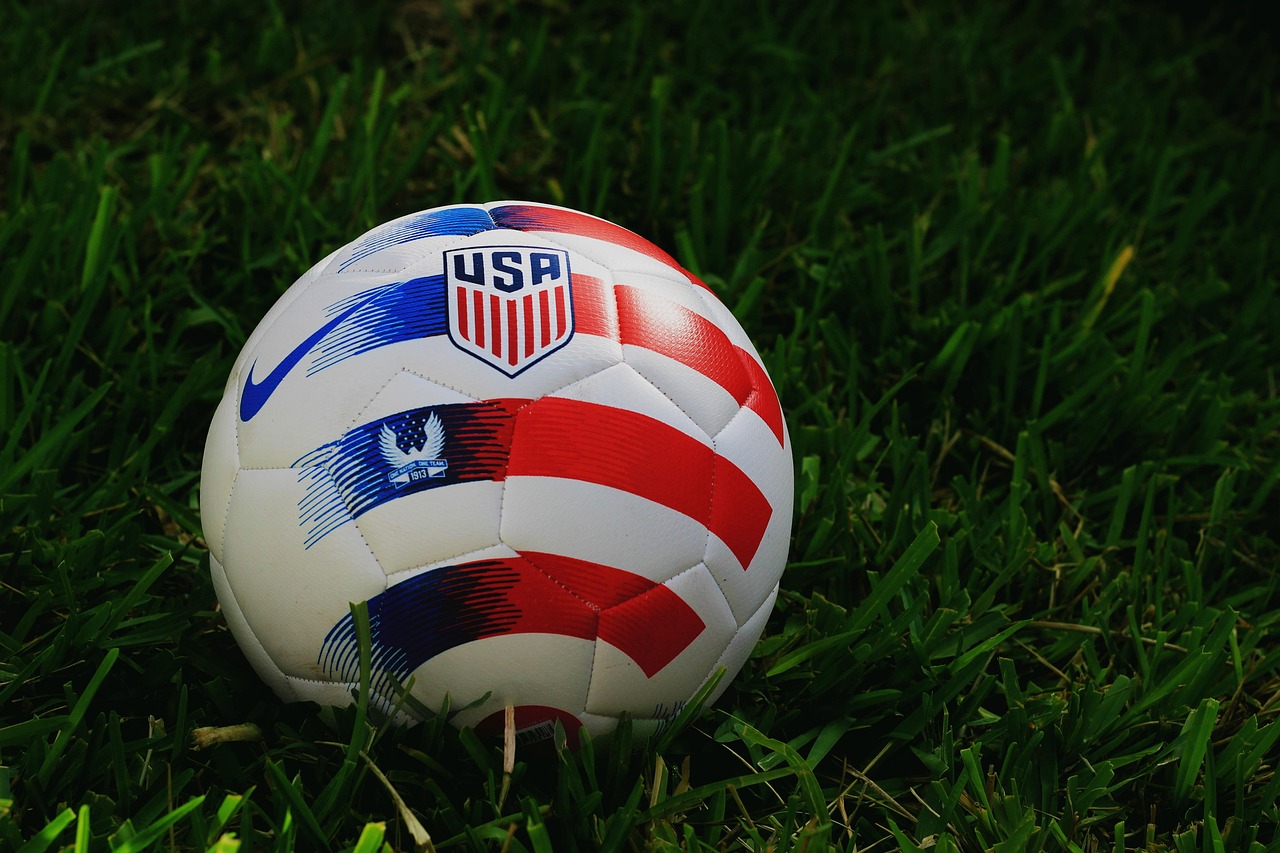
Comprehensive list of all the confirmed team players for the 2026 World Cup from all the groups.
Group A
Mexico
Goalkeepers: Raul Rangel, Carlos Acevedo, Guillermo Ochoa
Defenders: Israel Reyes, Jesús Gallardo, Jorge Sánchez, César Montes, Johan Vásquez, Mateo Chávez
Midfielders: Erik Lira, Luis Romo, Obed Vargas, Brian Gutiérrez, Orbelín Pineda, Edson Álvarez, Gilberto Mora, César Huerta, Álvaro Fidalgo, Luis Chávez
Forwards: Roberto Alvarado, Alexis Vega, Julián Quiñones, Santiago Giménez, Guillermo Martínez, Armando González, Raúl Jiménez
South Africa
Goalkeepers: Ronwen Williams, Ricardo Goss, Sipho Chaine
Defenders: Khuliso Mudau, Aubrey Modiba, Khulumani Ndamane, Olwethu Makhanya, Bradley Cross, Thabang Matuludi, Nkosinathi Sibisi, Kamogelo Sebelebele, Ime Okon, Samukele Kabini, Mbekezeli Mbokazi
Midfielders: Teboho Mokoena, Jayden Adams, Thalente Mbatha, Sphephelo Sithole
Forwards: Oswin Appollis, Tshepang Moremi, Evidence Makgopa, Relebohile Mofokeng, Lyle Foster, Iqraam Rayners, Themba Zwane, Thapelo Maseko
South Korea
Goalkeepers: Jo Hyeon-woo, Kim Seung-gyu, Song Bum-keun
Defenders: Kim Moon-hwan, Kim Min-jae, Kim Tae-hyon, Park Jin-seob, Seol Young-woo, Jens Castrop, Lee Ki-hyuk, Lee Tae-seok, Lee Han-beom, Cho Yu-min
Midfielders: Kim Jin-gyu, Bae Jun-ho, Paik Seung-ho, Yang Hyun-jun, Eom Ji-sung, Lee Kang-in, Lee Dong-gyeong, Lee Jae-sung, Hwang In-beom, Hwang Hee-chan
Forwards: Son Heung-min, Oh Hyeon-gyu, Cho Gue-sung
Czechia
Goalkeepers: Lukas Hornicek, Matej Kovar, Jindrich Stanek
Defenders: Vladimir Coufal, David Doudera, Tomas Holes, Robin Hranac, Stepan Chaloupek, David Jurasek, Ladislav Krejci, Jaroslav Zeleny, David Zima
Midfielders: Lukas Cerv, Vladimir Darida, Lukas Provod, Michal Sadilek, Hugo Sochurek, Alexandr Sojka, Tomas Soucek, Pavel Sulc, Denis Visinsky
Forwards: Adam Hlozek, Tomas Chory, Mojmir Chytil, Jan Kuchta, Patrik Schick
Group B
Canada
Goalkeepers: Dayne St Clair, Maxime Crepeau, Owen Goodman
Defenders: Alistair Johnston, Derek Cornelius, Richie Laryea, Niko Sigur, Joel Waterman, Luc de Fougerolles, Moise Bombito, Alphonso Davies, Alfie Jones
Midfielders: Stephen Eustaquio, Ismael Kone, Tajon Buchanan, Mathieu Choiniere, Ali Ahmed, Nathan Saliba, Liam Millar, Marcelo Flores, Jacob Shaffelburg, Jonathan Osorio
Forwards: Jonathan David, Cyle Larin, Tani Oluwaseyi, Promise David
Bosnia and Herzegovina
Goalkeepers: Nikola Vasilj, Martin Zlomislić, Osman Hadžikić
Defenders: Sead Kolašinac, Amar Dedić, Nihad Mujakić, Nikola Katić, Tarik Muharemović, Stjepan Radeljić, Dennis Hadžikadunić, Nidal Čelik
Midfielders: Amir Hadžiahmetović, Ivan Šunjić, Ivan Bašić, Dženis Burnić, Ermin Mahmić, Benjamin Tahirović, Amar Memić, Armin Gigović
Forwards: Kerim Alajbegović, Esmir Bajraktarević, Ermedin Demirović, Jovo Lukić, Samed Baždar, Haris Tabaković, Edin Džeko
Qatar
Goalkeepers: Salah Zakaria, Mahmoud Abunada, Meshaal Barsham
Defenders: Hashmi Hussein, Ayoub Alawi, Boualem Khoukhi, Pedro Miguel, Issa Laaye, Lucas Mendes, Sultan Al-Brake, Homam Al-Amin
Midfielders: Mohammed Al-Manai, Jassem Jaber, Karim Boudiaf, Ahmed Fathi, Abdulaziz Hatem, Assim Madibo
Forwards: Tahseen Mohammed, Edmilson Junior, Almoez Ali, Akram Afif, Mohammed Muntari, Youssef Abdulrazzaq, Ahmed Alaa, Hassan Al-Haydos, Ahmed Al-Janahi
Switzerland
Goalkeepers: Marvin Keller, Gregor Kobel, Yvon Mvogo
Defenders: Manuel Akanji, Aurele Amenda, Eray Comert, Nico Elvedi, Luca Jaquez, Miro Muheim, Ricardo Rodriguez, Silvan Widmer
Midfielders: Michel Aebischer, Christian Fassnacht, Remo Freuler, Ardon Jashari, Johan Manzambi, Fabian Rieder, Djibril Sow, Ruben Vargas, Granit Xhaka, Denis Zakaria
Forwards: Zeki Amdouni, Breel Embolo, Cedric Itten, Dan Ndoye, Noah Okafor
Group C
Brazil
Goalkeepers: Alisson Becker, Ederson, Weverton
Defenders: Marquinhos, Gabriel Magalhães, Gleison Bremer, Leo Pereira, Roger Ibanez, Wesley Franca, Danilo, Alex Sandro, Douglas Santos
Midfielders: Casemiro, Bruno Guimaraes, Fabinho, Danilo, Lucas Paqueta
Forwards: Vinicius Jr, Raphinha, Matheus Cunha, Luiz Henrique, Gabriel Martinelli, Neymar, Endrick, Rayan, Igor Thiago
Morocco
Goalkeepers: Yassine Bounou, Munir El Kajou, Ahmed Reda Tagnaouti
Defenders: Achraf Hakimi, Noussair Mazraoui, Nayef Aguerd, Chadi Riad, Issa Diop, Anass Salah-Eddine, Zakaria El Ouahdi, Redouane Halhal, Youssef Belammari
Midfielders: Sofyan Amrabat, Azzedine Ounahi, Neil El Aynaoui, Bilal El Khannouss, Ismael Saibari, Samir El Mourabet, Ayyoub Bouaddi, Gessime Yassine
Forwards: Brahim Díaz, Ayoub El Kaabi, Abde Ezzalzouli, Soufiane Rahimi, Chemsdine Talbi, Ayoube Amaimouni
Haiti
Goalkeepers: Johny Placide, Alexandre Pierre, Josue Duverger
Defenders: Carlens Arcus, Wilguens Paugain, Ricardo Ade, Jean Kevin Duverne, Hannes Delcroix, Keeto Thermoncy, Martin Experience, Duke Lacroix
Midfielders: Josue Casimir, Leverton Pierre, Dominique Simon, Woodensky Pierre, Carl Fred Sainte, Danley Jean-Jacques, Jean Ricner Bellegarde
Forwards: Duckens Nazon, Frantzdy Pierrot, Deedson Louicius, Ruben Providence, Yassin Fortune, Wilson Isidor, Lenny Joseph, Derrick Etienne Jr
Scotland
Goalkeepers: Craig Gordon, Angus Gunn, Liam Kelly
Defenders: Grant Hanley, Jack Hendry, Aaron Hickey, Dom Hyam, Scott McKenna, Nathan Patterson, Anthony Ralston, Andy Robertson, John Souttar, Kieran Tierney
Midfielders: Ryan Christie, Findlay Curtis, Lewis Ferguson, Ben Gannon-Doak, Tyler Fletcher, John McGinn, Kenny McLean, Scott McTominay
Forwards: Che Adams, Lyndon Dykes, George Hirst, Lawrence Shankland, Ross Stewart
Group D
USA
Goalkeepers: Chris Brady, Matt Freese, Matt Turner
Defenders: Max Arfsten, Sergino Dest, Alex Freeman, Mark McKenzie, Tim Ream, Chris Richards, Antonee Robinson, Miles Robinson, Joe Scally, Auston Trusty
Midfielders: Tyler Adams, Sebastian Berhalter, Weston McKennie, Giovanni Reyna, Cristian Roldan, Malik Tillman
Forwards: Folarin Balogun, Ricardo Pepi, Christian Pulisic, Timothy Weah, Haji Wright, Alejandro Zendejas
Paraguay
Goalkeepers: Orlando Gill, Roberto Junior Fernandez, Gaston Olveira
Defenders: Juan Caceres, Gustavo Velazquez, Gustavo Gomez, Junior Alonso, Jose Canale, Omar Alderete, Alexandro Maidana, Fabian Balbuena
Midfielders: Diego Gomez, Mauricio Magalhaes, Damian Bobadilla, Braian Ojeda, Andres Cubas, Matias Galarza, Alejandro Romero Gamarra
Forwards: Gustavo Caballero, Ramon Sosa, Alex Arce, Gabriel Avalos, Isidro Pitta, Miguel Almiron, Julio Enciso, Antonio Sanabria
Australia
Goalkeepers: Mathew Ryan, Paul Izzo, Patrick Beach
Defenders: Jordan Bos, Aziz Behich, Harry Souttar, Alessandro Circati, Lucas Herrington, Cameron Burgess, Kai Trewin, Milos Degenek, Jason Geria, Jacob Italiano
Midfielders: Jackson Irvine, Aiden O’Neill, Paul Okon Jr, Cameron Devlin
Forwards: Connor Metcalfe, Mathew Leckie, Nishan Velupillay, Cristian Volpato, Nestory Irankunda, Awer Mabil, Ajdin Hrustic, Mohamed Toure, Tete Yengi
Turkey
Goalkeepers: Ugurcan Cakir, Mert Gunok, Altay Bayindir
Defenders: Merih Demiral, Zeki Celik, Caglar Soyuncu, Mert Muldur, Ferdi Kadioglu, Ozan Kabak, Abdulkerim Bardakci, Eren Elmali, Samet Akaydin
Midfielders: Hakan Calhanoglou, Kaan Ayhan, Orkun Kokcu, Ismail Yuksek, Salih Ozcan
Forwards: Kerem Akturkoglu, Irfan Can Kahveci, Baris Apler Yilmaz, Arda Guler, Kenan Yildiz, Yunus Akgun, Oguz Aydin, Deniz Gul, Can Uzun
Group E
Germany
Goalkeepers: Manuel Neuer, Oliver Baumann, Alexander Nubel
Defenders: Joshua Kimmich, Nico Schlotterbeck, David Raum, Jonathan Tah, Waldemar Anton, Antonio Rudiger, Nathaniel Brown, Malick Thiaw
Midfielders: Jamal Musiala, Florian Wirtz, Lennart Karl, Angelo Stiller, Aleksandar Pavlovic, Leon Goretzka, Leroy Sane, Felix Nmecha, Nadiem Amiri, Pascal Gross
Forwards: Kai Havertz, Deniz Undav, Jamie Leweling, Nick Woltemade, Maximilian Beier
Curacao
Goalkeepers: Tyrick Bodak, Trevor Doornbusch, Eloy Room
Defenders: Riechedly Bazoer, Joshua Brenet, Roshon Van Eijma, Sherel Floranus, Deveron Fonville, Jurien Gaari, Armando Obispo, Shurandy Sambo
Midfielders: Juninho Bacuna, Leandro Bacuna, Livano Comenencia, Kevin Felida, Ar’Jany Martha, Tyrese Noslin, Godfried Roemeratoe
Forwards: Jeremy Antonisse, Tahith Chong, Kenji Gorré, Sontje Hansen, Gervane Kastaneer, Brandley Kuwas, Jurgen Locadia, Jearl Margaritha.
Ivory Coast
Goalkeepers: Yahia Fofana, Mohamed Koné, Alban Lafont
Defenders: Emmanuel Agbadou, Clément Akpa, Ousmane Diomande, Guela Doué, Ghislain Konan, Odilon Kossounou, Evan Ndicka, Wilfried Singo
Midfielders: Seko Fofana, Parfait Guiagon, Christ Inao Oulaï, Franck Kessié, Ibrahim Sangaré, Jean-Michaël Seri
Forwards: Simon Adingra, Ange-Yoan Bonny, Amad Diallo, Oumar Diakité, Yan Diomande, Evann Guessand, Nicolas Pépé, Bazoumana Touré, Elye Wahis
Ecuador
Goalkeepers: Hernan Galindez, Moises Ramirez, Gonzalo Valle
Defenders: Piero Hincapie, Willian Pacho, Pervis Estupinan, Felix Torres, Joel Ordonez, Jackson Porozo, Angelo Preciado
Midfielders: Moises Caicedo, Alan Franco, Kendry Paez, Pedro Vite, Jordy Alcivar, Denil Castillo, Yaimar Medina
Forwards: Enner Valencia, Kevin Rodriguez, Jordy Caicedo, Nilson Angulo, Anthony Valencia, Jeremy Arevalo.
Group F
Netherlands
Goalkeepers: Mark Flekken, Robin Roefs, Bart Verbruggen
Defenders: Nathan Ake, Sven Botman, Denzel Dumfries,Jorrel Hato, Jurrien Timber, Micky van de Ven, Virgil van Dijk, Jan Paul van Hecke, Mats Wieffer
Midfielders: Frenkie de Jong, Marten de Roon, Ryan Gravenberch, Justin Kluivert, Teun Koopmeiners, Tijjani Reijnders, Guus Til, Quinten Timber
Forwards: Brian Brobbey, Memphis Depay, Cody Gakpo, Noa Lang, Donyell Malen, Crysencio Summerville, Wout Weghorst
Japan
Goalkeepers: Tomoki Hayakawa, Keisuke Osako, Zion Suzuki
Defenders: Yuto Nagatomo, Shogo Taniguchi, Ko Itakura, Tsuyoshi Watanabe, Takehiro Tomiyasu, Hiroki Ito, Ayumu Seko, Yukinari Sugawara, Junosuke Suzuki
Midfielders: Wataru Endo, Junya Ito, Daichi Kamada, Koki Ogawa, Daizen Maeda, Ritsu Doan, Ao Tanaka, Kaishu Sano, Takefusa Kubo
Forwards: Ayase Ueda, Keito Nakamura, Ito Suzuki, Kento Shiode, Keisuke Goto
Sweden
Goalkeepers: Viktor Johansson, Kristoffer Nordfelt, Jacob Widdell Zetterstrom
Defenders: Hjalmar Ekdal, Gabriel Gudmundsson, Isak Hien, Emil Holm, Gustaf Lagerbielke, Victor Nilsson Lindelof, Eric Smith, Carl Starfelt, Elliot Stroud, Daniel Svensson
Midfielders: Taha Ali, Yasin Ayari, Lucas Bergvall, Jesper Karlström, Ken Sema, Mattias Svanberg, Besfort Zeneli
Forwards: Alexander Bernhardsson, Anthony Elanga, Viktor Gyokeres, Alexander Isak, Gustaf Nilsson, Benjamin Nygren
Tunisia
Goalkeepers: Sabri Ben Hessen, Abdelmouhib Chamakh, Aymen Dahman
Defenders: Ali Abdi, Adem Arous, Mohamed Amine Ben Hamida, Dylan Bronn, Raed Chikhaoui, Moutaz Neffati, Omar Rekik, Montassar Talbi, Yan Valery
Midfielders: Mortadha Ben Ouanes, Anis Ben Slimane, Ismael Gharbi, Rani Khedira, Mohamed Hadj Mahmoud, Hannibal Mejbri, Ellyes Skhiri
Forwards: Elias Achouri, Khalil Ayari, Firas Chaouat, Rayan Elloumi, Hazem Mastouri, Elias Saad, Sebastian Tounekti
Group G
Belgium
Goalkeepers: Thibaut Courtois, Senne Lammens, Mike Penders
Defenders: Timothy Castagne, Zeno Debast, Maxim de Cuyper, Koni de Winter, Brandon Mechele, Thomas Meunier, Nathan Ngoy, Joaquin Seys, Arthur Theate
Midfielders: Kevin de Bruyne, Amadou Onana, Nicolas Raskin, Youri Tielemans, Hans Vanaken, Axel Witsel
Forwards: Charles de Ketelaere, Jeremy Doku, Matias Fernandez-Pardo, Romelu Lukaku, Dodi Lukebakio, Diego Moreira, Alexis Saelemaekers, Leandro Trossard
Egypt
Goalkeepers: Mohamed El Shenawy, Mostafa Shobeir, El Mahdi Soliman, Mohamed Alaa
Defenders: Mohamed Hany, Tarek Alaa, Hamdy Fathy, Rami Rabia, Yasser Ibrahim, Hossam Abdelmaguid, Mohamed Abdelmonemn, Ahmed Fatouh, Karim Hafez
Midfielders: Marwan Ateya, Mohanad Lasheen, Nabil Emad, Mahmoud Saber, Ahmed Zizo, Emam Ashour, Mostafa Ziko, Mahmoud Trezeguet, Ibrahim Adel, Haissem Hassan
Forwards: Omar Marmoush, Mohamed Salah, Aqtay Abdallah, Hamza Abdelkarim
Iran
Goalkeepers: Alireza Beiranvand, Hossein Hosseini, Payam Niazmand
Defenders: Danial Eiri, Ehsan Hajsafi, Saleh Hardani, Hossein Kanaani, Shoka Khalilzadeh, Milad Mohammadi, Ali Nemati Omid Noorafkan, Ramin Rezaeian
Midfielders: Rouzbeh Cheshmi, Saeid Ezatolah, Mehdi Ghaedi, Saman Ghoddos, Mohammad Ghorbani, Alireza Jahanbakhsh, Mohammad Mohebi, Amir Mohammad Razzaghinia, Mehdi Torabi, Aria Yousefi
Forwards: Ali Alipour, Dennis Dargahi, Amirhossein Hosseinzadeh, Amirhossein Mahmoudi, Mehdi Taremi
New Zealand
Goalkeepers: Max Crocombe, Alex Paulsen, Michael Woud
Defenders: Tyler Bindon, Michael Boxall, Liberato Cacace, Francis de Vries, Callan Elliot, Tim Payne, Nando Pijnaker, Tommy Smith, Finn Surman
Midfielders: Lachlan Bayliss, Joe Bell, Matt Garbett, Ben Old, Alex Rufer, Sarpreet Singh, Marko Stamenic, Ryan Thomas
Forwards: Kosta Barbarouses, Eli Just, Callum McCowatt, Jesse Randall, Ben Waine, Chris Wood
Group H
Spain
Goalkeepers: Unai Simon, David Raya, Joan Garcia
Defenders: Marcos Llorente, Marc Pubill, Pedro Porro, Aymeric Laporte, Eric Garcia, Pau Cubarsi, Marc Cucurella, Alejandro Grimaldo
Midfielders: Rodri, Martin Zubimendi, Mikel Merino, Pedri, Gavi, Fabian Ruiz, Alex Baen
Forwards: Yeremy Pino, Victor Munoz, Mikel Oyarzabal, Ferran Torres, Lamine Yamal, Dani Olmo, Nico Williams, Borja Iglesias.
Cape Verde
Goalkeepers: Vozinha, Marcio Rosa, CJ dos Santos
Defenders: Stopira, Roberto Lopes, Joao Paulo, Diney, Logan Costa, Steven Moreira, Wagner Pina, Sidny Lopes Cabral, Kelvin Pires
Midfielders: Jamiro Monteiro, Kevin Pina, Deroy Duarte, Telmo Arcanjo, Laros Duarte, Yannick Semedo
Forwards: Ryan Mendes, Garry Rodrigues, Willy Semedo, Jovane Cabral, Gilson Tavares, Dailon Livramento, Helio Varela, Nuno da Costa
Saudi Arabia
Goalkeepers: Mohammed Al Owais, Nawaf Al Aqidi, Ahmed Al Kassar
Defenders: Abdulelah Al Amri, Hassan Tambakti, Jehad Thikri, Ali Lajami, Hassan Kadesh, Saud Abdulhamid, Mohammed Abu Al Shamat, Ali Majrashi, Moteb Al Harbi, Nawaf Boushal, Sultan Al-Ghannam
Midfielders: Mohammed Kanno, Abdullah Al Khaibari, Ziyad Al Johani, Nasser Al Dawsari, Musab Al Juwayr, Alaa Al Hajji, Salem Al Dawsari, Khalid Al Ghannam, Ayman Yahya
Forwards: Firas Al Buraikan, Saleh Al Shehri, Abdullah Al Hamdan.
Uruguay
Goalkeepers: Sergio Rochet, Fernando Muslera ,Santiago Mele
Defenders: Guillermo Varela, Ronald Araújo, José María Giménez, Santiago Bueno, Sebastián Cáceres, Mathías Olivera, Joaquín Piquerez, Matías Viña
Midfielders: Manuel Ugarte, Emiliano Martínez, Rodrigo Bentancur, Federico Valverde, Agustín Canobbio, Juan Manuel Sanabria, Giorgian de Arrascaeta, Nicolás de la Cruz, Rodrigo Zalazar, Facundo Pellistri, Maximiliano Araújo, Brian Rodríguez
Forwards: Rodrigo Aguirre, Federico Viñas, Darwin Núñez
Group I
France
Goalkeepers: Mike Maignan, Robin Risser, Brice Samba
Defenders: Lucas Digne, Malo Gusto, Lucas Hernandez, Theo Hernandez, Ibrahima Konate, Maxence Lacroix, Jules Kounde, William Saliba, Dayot Upamenaco
Midfielders: N’Golo Kante, Manu Kone, Adrien Rabiot, Aurelien Tchouameni, Warren Zaire-Emery
Forwards: Maghnes Akliouche, Bradley Barcola, Rayan Cherki, Ousmane Dembele, Desire Doue, Michael Olise, Kylian Mbappe, Jean-Phillipe Mateta, Marcus Thuram
Senegal
Goalkeepers: Edouard Mendy, Mory Diaw, Yehvann Diouf
Defenders: Ismail Jakobs, El Hadj Malick Diouf, Krepin Diatta, Antoine Mendy, Kalidou Koulibaly, Abdoulaye Seck, Moussa Niakhate, Moustapha Mbow, Ilay Camara, Mamadou Sarr
Midfielders: Habib Diarra, Pape Matar Sarr, Pathe Ciss, Pape Gueye, Lamine Camara, Bara Sapoko Ndiaye
Forwards: Sadio Mane, Ismaila Sarr, Ibrahim Mbaye, Assane Diao, Iliman Ndiaye, Cherif Ndiaye, Bamba Dieng, Nicolas Jackson
Iraq
Goalkeepers: Fahad Talib, Jalal Hassan, Ahmed Basil
Defenders: Hussein Ali, Manaf Younis, Zaid Tahseen, Rebin Sulaka, Akam Hashem, Merchas Doski, Ahmed Yahya, Zaid Ismail, Frans Putros, Mustafa Saadoon
Midfielders: Amir Al-Ammari, Kevin Yakob, Zidane Iqbal, Aimar Sher, Ibrahim Bayesh, Ahmed Qasim, Youssef Amyn, Marko Farji
Forwards: Ali Jasim, Ali Al-Hamadi, Ali Yousef, Aymen Hussein, Mohanad Ali
Norway
Goalkeepers: Orjan Nyland, Egil Selvik, Sander Tangvik
Defenders: Kristoffer Ajer, Torbjorn Heggem, Leo Skiri Ostigard, Julian Ryerson, Marcus Holmgren Pedersen, David Moller Wolfe, Fredrik Bjorkan, Sondre Langas, Henrik Falchener
Midfielders: Martin Odegaard, Sander Berge, Fredrik Aursnes, Patrick Berg, Kristian Thorstvedt, Antonio Nusa, Oscar Bobb, Andreas Schjelderup, Jens Petter Hauge, Thelo Aasgaard, Morten Thorsby
Forwards: Erling Braut Haaland, Alexander Sorloth, Jorgen Strand Larsen
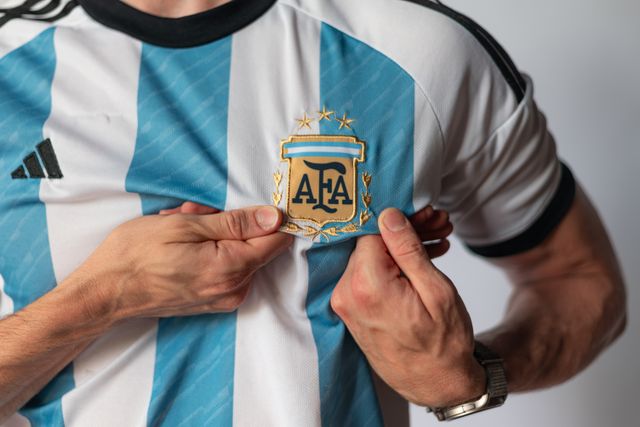
Group J
Argentina
Goalkeepers: Emiliano Martinez, Juan Musso, Geronimo Rulli
Defenders: Nahuel Molina, Gonzalo Montiel, Cristian Romero, Leonardo Balerdi, Lisandro Martinez, Nicolas Otamendi, Nicolas Tagliafico, Facundo Medina
Midfielders: Leandro Paredes, Giovani Lo Celso, Rodrigo De Paul, Thiago Almada, Exeguiel Palacios, Nicolas Gonzalez, Nicolas Paz, Alexis Mac Allister, Enzo Fernandez, Valentin Barco
Forwards: Julian Alvarez, Lionel Messi, Lautaro Martinez, Jose Manuel Lopez, Giuliano Simeone
Algeria
Goalkeepers: Luca Zidane, Oussama Benbot, Melvin Mastil, Abdelatif Ramdane
Defenders: Rafik Belghali, Samir Chergui, Rayan Ait-Nouri, Jaouen Hadjam, Aissa Mandi, Ramy Bensebaini, Zineddine Belaid, Achref Abada, Mohamed Amine Tougai
Midfielders: Nabil Bentaleb, Hicham Boudaoui, Houssem Aouar, Fares Chaibi, Ibrahim Maza, Yacine Titraoui, Ramiz Zerrouki
Forwards: Mohamed Amine Amoura, Nadhir Benbouali, Adil Boulbina, Fares Ghedjemis, Amine Gouiri, Anid Hadj Moussa, Riyad Mahrez
Austria
Goalkeepers: Alexander Schlager, Florian Wiegele, Patrick Pentz
Defenders: David Affengruber, Kevin Danso, Stefan Posch, David Alaba, Philipp Lienhart, Phillipp Mwene, Alexander Prass, Marco Friedel, Michael Svoboda
Midfielders: Xaver Schlager, Nicolas Seiwald, Marcel Sabitzer, Florian Grillitsch, Carney Chukwuemeka, Romano Schmid, Christoph Baumgartner, Konrad Laimer, Patrick Wimmer, Paul Wanner, Alessandro Schopf
Forwards: Marko Arnautovic, Michael Gregoritsch, Sasa Kalajdzic
Jordan
Goalkeepers: Yazid Abulaila, Abdallah Al-Fakhouri, Nour Bani Attiah
Defenders: Ihsan Haddad, Saed Al-Rosan, Mohammad Abualnadi, Husam Abu Dahab, Mohammed Abu Hashish, Yazan Al-Arab, Anas Badawi, Abdallah Nasib, Saleem Obaid
Midfielders: Mohammed Al-Dawoud, Nizar Al-Rashdan, Noor Al-Rawabdeh, Rajaei Ayed, Amer Jamous, Ibrahim Sadeh, Mohannad Abu Taha
Forwards: Mohammed Abu Zrayq, Mousa Al-Tamari, Ali Azaizeh, Odeh Al-Fakhouri, Ali Olwan, Ibrahim Sabra, Mahmoud Al-Mardi
Group K
Portugal
Goalkeepers: Diogo Costa, Jose Sa, Rui Silva, Ricardo Velho
Defenders: Diogo Dalot, Matheus Nunes, Ruben Dias, Nelson Semedo, Joao Cancelo, Nuno Mendes, Goncalo Inacio, Renato Veiga, Tomas Araujo
Midfielders: Ruben Neves, Samu Costa, Joao Neves, Vitinha, Bruno Fernandes, Bernardo Silva
Forwards: Cristiano Ronaldo, Joao Felix, Francisco Trincao, Francisco Conceicao, Pedro Neto, Rafael Leao, Goncalo Guedes, Goncalo Ramos
DR Congo
Goalkeepers: Matthieu Epolo, Timothy Fayulu, Lionel Mpasi
Defenders: Dylan Batubinsika, Rocky Bushiri, Gedoon Kalulu, Steve Kapuadi, Joris Kayembe, Arthur Masuaku, Chancel Mbemba, Axel Tuanzebe, Aaron Wan-Bissaka
Midfielders: Theo Bongonda, Brian Cipenga, Meshack Elia, Gael Kakuta, Edo Kayembe, Nathanael Mbuku, Samuel Moutoussamy, Ngal’ayel Mukau, Charles Pickel, Noah Sadiki
Forwards: Cedric Bakambu, Simon Banza, Fiston Mayele, Yoane Wissa
Uzbekistan
Goalkeepers: Utkir Yusupov, Botirali Ergashev, Abduvokhid Nematov
Defenders: Avazbek Ulmasaliev, Jakhongir Urozov, Rustamjon Ashurmatov, Umarbek Eshmurodov, Abdukodir Khusanov, Abdulla Abdullaev, Farrukh Sayfiev, Khojiakbar Alijonov, Sherzod Nasrullaev, Behruz Karimov
Midfielders: Sherzod Esanov, Umarali Rakhmonaliev, Akmal Mozgovoy, Otabek Shukurov, Jamshid Iskanderov, Azizjon Ganiev, Abbosek Fayzullaev, Jaloliddin Masharipov, Dostonbek Khamdamov, Oston Urunov
Forwards: Azizbek Amonov, Igor Sergeev, Eldor Shomurodov
Colombia
Goalkeepers: Camilo Vargas, David Ospina, Álvaro Montero
Defenders: Johan Mojica, Deiver Machado, Daniel Muñoz, Santiago Arias, Davinson Sánchez, Jhon Lucumí, Yerry Mina, Willer Ditta
Midfielders: Jefferson Lerma, Richard Ríos, Kevin Castaño, Jorge Carrascal, James Rodríguez, Juan Fernando Quintero, Gustavo Puerta, Juan Camilo Portilla, Jhon Arias, Jamilton Campaz
Forwards: Carlos Andrés Gómez, Luis Suárez, Jhon Córdoba, Juan Camilo Hernandez, Luis Díaz
Group L
England
Goalkeepers: Jordan Pickford, Dean Henderson, James Trafford
Defenders: Reece James, Tino Livramento, Marc Guehi, Ezri Konsa, John Stones, Jarell Quansah, Nico O’Reilly, Dan Burn, Djed Spence
Midfielder: Declan Rice, Elliot Anderson, Jude Bellingham, Jordan Henderson, Morgan Rogers, Kobbie Mainoo, Eberechi Eze
Forwards: Harry Kane, Ivan Toney, Ollie Watkins, Bukayo Saka, Noni Madueke, Marcus Rashford, Anthony Gordon
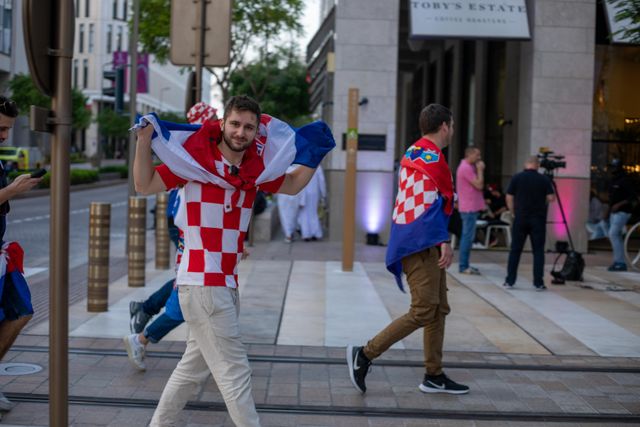
Croatia
Goalkeepers: Dominik Livakovic, Dominik Kotarski, Ivor Pandur
Defenders: Josko Gvardiol, Duje Caleta-Car, Josip Sutalo, Josip Stanisic, Marin Pongracic, Martin Erlic, Luka Vuskovic.
Midfielders: Luka Modric, Mateo Kovacic, Mario Pasalic, Nikola Vlasic, Luka Sucic, Martin Baturina, Kristijan Jakic, Petar Sucic, Nikola Moro, Toni Fruk.
Forwards: Ivan Perisic, Andrej Kramaric, Ante Budimir, Marco Pasalic, Petar Musa, Igor Matanovic
Ghana
Goalkeepers: Benjamin Asare, Lawrence Ati-Zigi, Joseph Anang
Defenders: Baba Abdul Rahman, Gideon Mensah, Marvin Senaya, Alidu Seidu, Abdul Mumin, Jerome Opoku, Jonas Adjetey, Kojo Oppong Peprah, Derrick Luckassen
Midfielders: Elisha Owusu, Thomas Partey, Kwasi Sibo, Augustine Boakye, Caleb Yirenkyi, Abdul Fatawu Issahaku
Forwards: Kamal Deen Sulemana, Christopher Bonsu Baah, Ernest Nuamah, Antoine Semenyo, Brandon Thomas-Asante, Prince Kwabena Adu,, Iñaki Williams, Jordan Ayew
Panama
Goalkeepers: Orlando Mosquera, Luis Mejia, Cesar Samudio
Defenders: Cesar Blackman, Jorge Gutierrez, Amir Murillo, Fidel Escobar, Andres Andrade, Edgardo Farina, Jose Cordoba, Eric Davis, Jiovany Ramos, Roderick Miller
Midfielders: Anibal Godoy, Adalberto Carrasquilla, Carlos Harvey, Cristian Martinez, Jose Luis Rodriguez, Cesar Yanis, Yoel Barcenas, Alberto Quintero, Azarias Londono
Forwards: Ismael Diaz, Cecilio Waterman, Jose Fajardo, Tomas Rodriguez

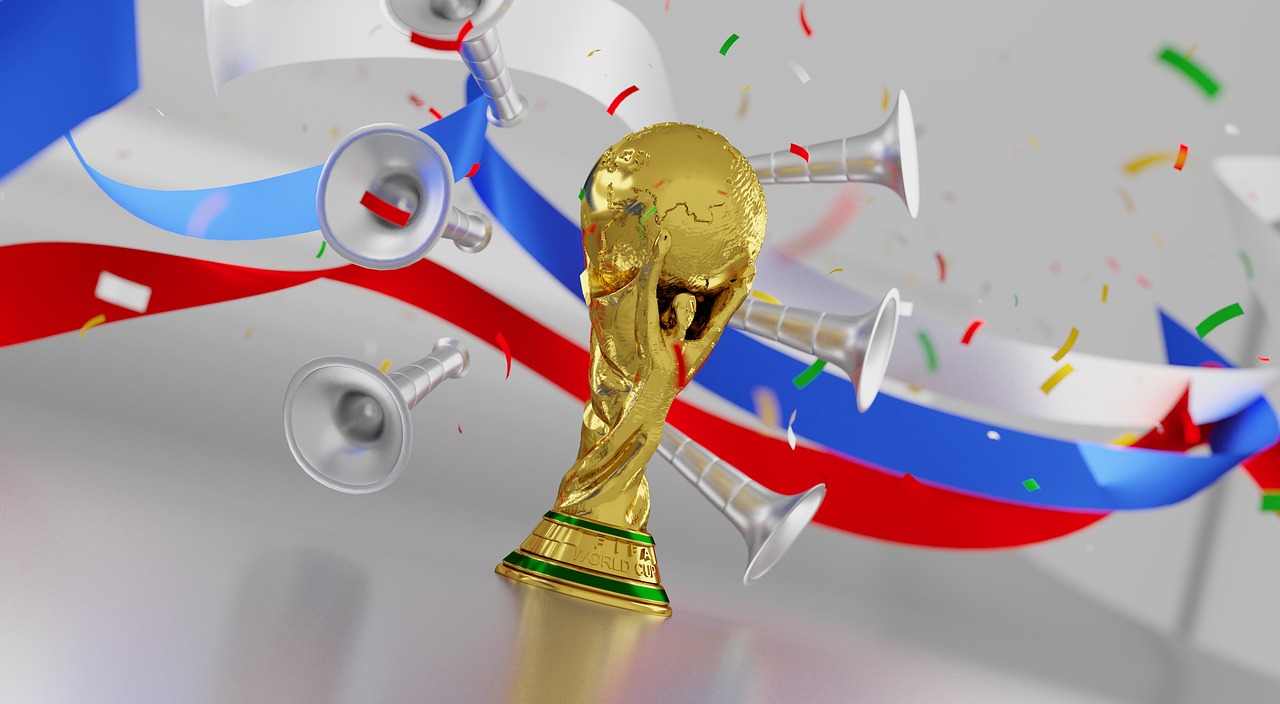
Has it really been 4 years since the last World Cup? This time we are in the USA, Canada and Mexico, where 48 teams will battle it out for the greatest football cup.
The tournament runs from the 11th of June to the 19th of July. All groups are arranged and listed below;
Group A: Mexico, South Africa, South Korea, Czechia
Group B: Canada, Switzerland, Qatar, Bosnia and Herzegovina
Group C: Brazil, Morocco, Haiti, Scotland
Group D: USA, Paraguay, Australia, Türkiye
Group E: Germany, Curaçao, Ivory Coast, Ecuador
Group F: Netherlands, Japan, Sweden, Tunisia
Group G: Belgium, Egypt, Iran, New Zealand
Group H: Spain, Cape Verde, Saudi Arabia, Uruguay
Group I: France, Senegal, Norway, Iraq
Group J: Argentina, Algeria, Austria, Jordan
Group K: Portugal, DR Congo, Uzbekistan, Colombia
Group L: England, Croatia, Ghana, Panama

Dates
- Group stage (June 11 to June 27): 12 groups of four, each team plays three matches.
- Round of 32 (starts June 28): All 12 group winners, 12 runners-up and the 8 best third-placed teams advance.
- Round of 16, Quarterfinals, Semi-finals: Standard single-elimination knockout.
- Final: July 19 at MetLife Stadium in East Rutherford, New Jersey.
Prizemoney
Total prize money $871 million, spread across the teams, leading to the winner getting $50 million and the World Cup Trophy.

Full 2026 World Cup schedule by day

A comprehensive list of World Cup Team Players

World Cup 2026 USA, Mexico and Canada


-
 Football4 weeks ago
Fa Cup Winners
-

 Immigration2 weeks ago
Stop the incentives, stop the boats.
-
 Government4 weeks ago
Is This The PMs End Finally
-

 Government3 weeks ago
VAT cut for summer attractions
-

 Entertainment3 weeks ago
What’s on NETFLIX in May and June
-
 Football7 days ago
World Cup 2026 USA, Mexico and Canada
-
 Government1 week ago
Modern-Day Politics and Today’s Ideologies Now
-
 Football22 hours ago
Full 2026 World Cup schedule by day
-
 Football3 days ago
A comprehensive list of World Cup Team Players