
Gardening
Gardening Plants
When it comes to gardening plants, there are too many to name

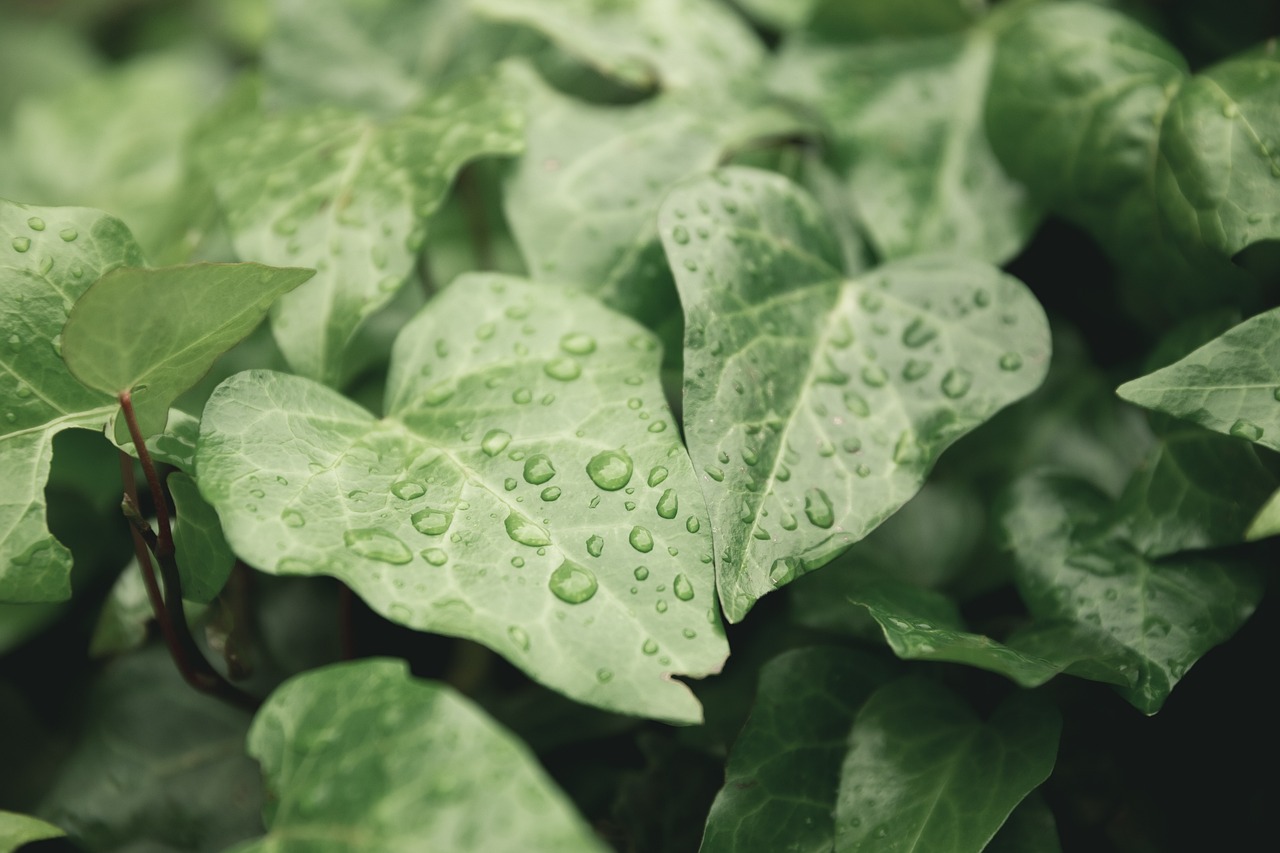
When it comes to gardening plants, there are too many to name. Gardening plants can refer to flowers, shrubs, herbs, vegetables, fruits, and many more. There are also gardening plants that are in season at different times of the year, some in fall and winter, others in spring and summer. Whatever type of gardening you decide is your forte, there are plenty of gardening plants available to suit your preferences.
If you want gardening plants that you can actually use instead of just looking at, vegetables, herbs, and fruits are all very satisfying. Edible plants add excitement to gardening because of the produce available at harvest time. The main vegetables grown in smaller, home gardens as well as larger ones include corn, peas, cucumbers, potatoes, squash, peppers, onions, carrots, spinach, lettuce, and beets. Popular fruits are pears, plums, tomatoes, blueberries, apricots, cherries, and strawberries. Herbs are used for their wonderful fragrances, to spice up a salad, and in cooking. Herbs that are often homegrown include thyme, sage, dill, mint, lavender, and chives.
It is fairly easy to have a colourful garden in the spring and summer months, but it is a whole different ball game during the cold, winter months. Even though it is difficult, with planning and a little more care, you can have a colourful garden year-round. One gardening plant that thrives in the fall and winter months is the Rudbeckia, a beautiful yellow perennial. Others include the Christmas rose, the Japanese Anemone, and Cosmos.
When you think of flowers, you automatically think of a spring garden full of many different, beautiful colours. Spring and summer gardening plants are some of the prettiest things on earth and give inspiration to all who grow them. Some of the most common spring plants are tulips, daffodils, and violets. Favourites of the warmer months of summer are lilies, dahlias, and roses.
When gardening, many people will opt for decorative grasses or shrubs. Monkey grass is an all-time favourite, especially for a sidewalk. These garden plants can be for looks, can act as a border or fence, and can be used for privacy. Shrubs are easy to take care of and add a defining look to any yard or garden.
There are so many different kinds of gardening plants available. Many gardening plants actually have a purpose and can be used, whereas many of them are just for looks. The kind of gardening plant you choose to have in your garden is completely up to you, but remember, no matter what kind it is, it will require some maintenance and without proper care, you will end up with a garden full of just dirt.


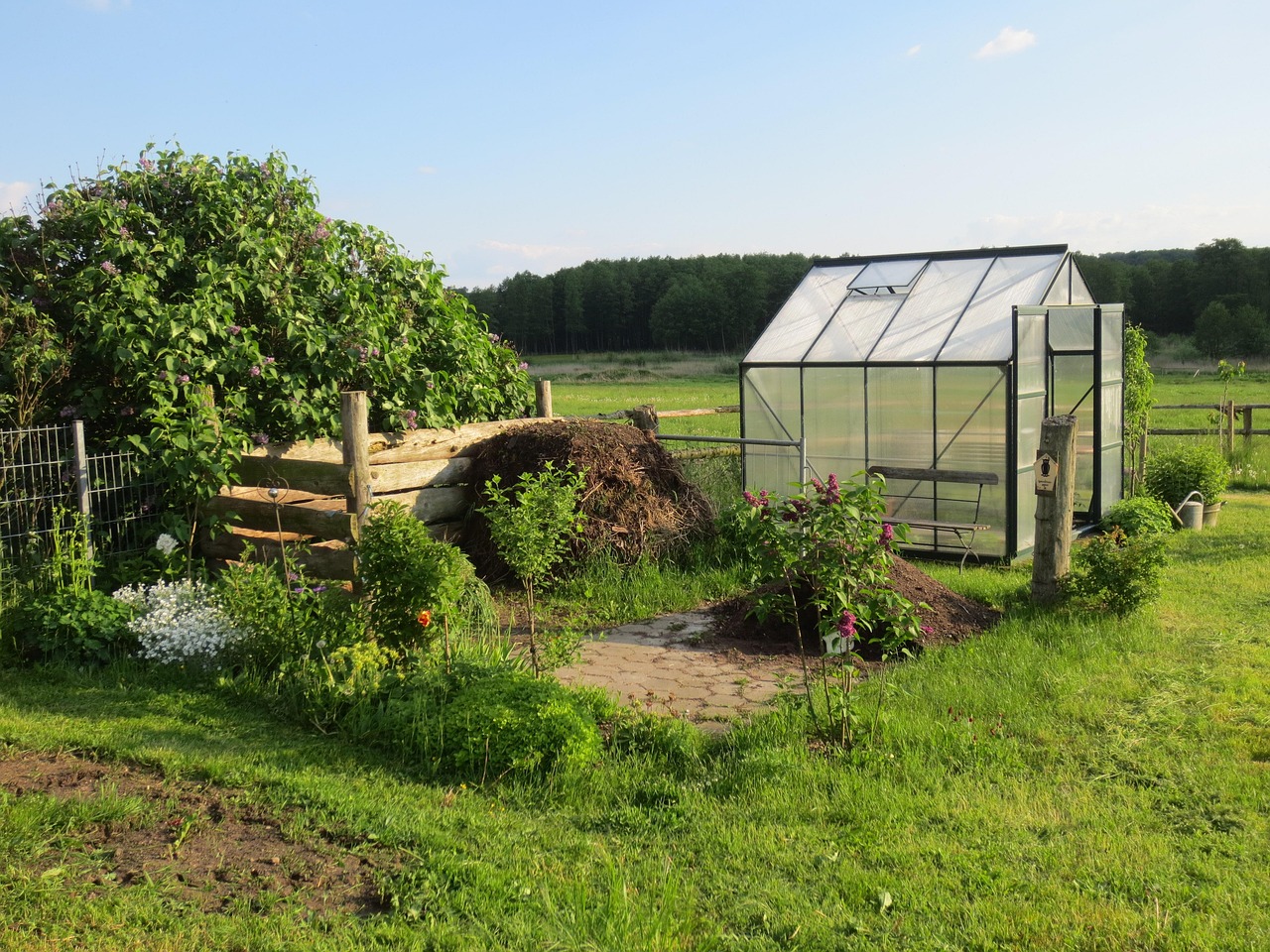
Gardening is perhaps one of the best hobbies that a more laborious nature lover can take up. The reason why I choose to call this hobby laborious is that it surely does involve a good deal of physical activity. This hobby is not meant for those nature lovers who simply want to bask in the natural beauty that already exists. Rather, it is an ideal pastime for those who want to make their own contribution to nature.
In order to be successful in gardening, one must have the following qualities: –
1.) Besides having a love for gardening, you should also have the will and determination to pursue your hobby.
2.) You must be physically fit and agile. Laziness and gardening are anonymous to each other.
3.) Learn to exchange your ideas and information with like-minded people who can show an equal passion for gardening.
4.) Try laying your hands on almost any books, magazines or articles that can enhance your knowledge on gardening.
5.) Be prepared to invest a small amount of your earnings in purchasing the Can’t do without, gardening tools.
The world of gardening is wide, and it has immense possibilities for those who want to explore it with the right zeal and enthusiasm. You can choose from indoor gardening, outdoor gardening, landscaping, cultivating exotic herbs, growing bonsais, and thus the list is endless. However, it is important to do a fair amount of research work before delving into any of the above fields. You should master the art of choosing the right plants and also learn the techniques favourable for their productivity and growth.
Growing plants is not enough. Deciding where the plants should grow is also an important aspect of gardening. Nothing can be more distasteful than a garden which has colour-clashing flowers growing all around in a haphazard manner. So be careful about allocating the plants to their respective locations. Arrange the assortments of flowers in accordance with their heights, textures and colours so that they complement each other without diminishing the beauty of your garden.
Keep aside one day from the entire week to be your gardening day. Generally week -ends would be a good choice. On this day, equip yourself with all the essential gardening tools and accessories and get down to your work. If you have children or friends who are equally interested in gardening, call for their assistance. The more the merrier!
Once you are done for the day, clean your tools well and store them in their right place. Be sure to maintain your gardening tools because well-maintained tools can give you years of good performance. After all, tools aren’t something that you can afford to buy every week.
Whether you are an efficient gardener or not can be best proved by your garden itself. So stop twiddling your thumbs and put your green fingers to use. As far as gardening is concerned, if you have really put in hard work, your efforts will never go to waste.
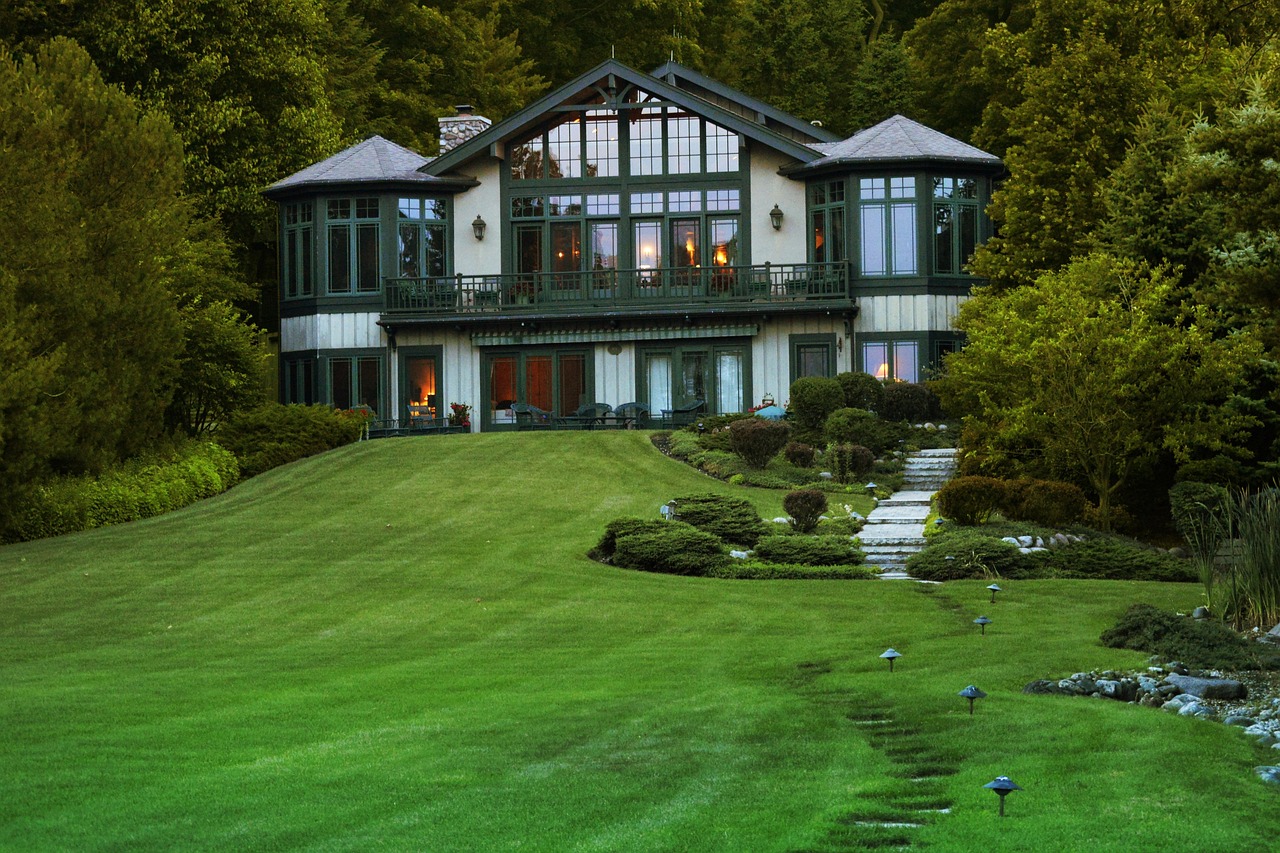
There’s an old saying that states something like – “Getting Started Is Half Finished”. And so many times, I find this to be true as I see do-it-yourself landscapers struggle to find their initial design idea. However, once they establish a framework of necessary design elements, it usually goes pretty smoothly from there.
It’s not surprising that the most common landscape design question I get is: “Where do I begin?” or “How do I start my design?” I know it can be difficult. And especially if you don’t have a vision for your design.
So where do you begin? How do you start your landscape or garden design?
While every design is different and every designer follows a set of rules and principles, I find that most do-it-yourselfers all have the greatest success from using the same starting point. Begin by laying down any paths, driveways, access routes, or walk areas that might be needed. And also create access to any areas that you may plan on creating. In many designs, this will help to establish a framework that you can simply design around.
Of course, this won’t be applicable in all designs, as many don’t require any access or travel. So take and use this advice where and if you can.
Paths and walkways can accomplish many functions in your landscape or garden. Their main function, of course, is to create a designated space for people to walk on.
However, in design and as an aid to design, their function could be to guide your visitors to, through, or away from some other area in the garden. Also, they’re a great way to break up a vast expanse of lawn, meadow, or bed area.
First, let’s look at walkways, paths, and such as necessary elements.
Walkways are needed to guide visitors or yourself to and from another area. Observe that almost every home has a walkway leading to the front door, which is, of course, where most folks want to invite guests to come. So walks, whether refined (brick, flagstone, etc.) or primitive (gravel, mulch, etc.), are necessary to “guide” or “lead” visitors to, through, or away from an area.
So, where are the necessary areas where you need other walkways or access? Maybe from the back door to the alley where you dump the trash. Or from the house to the pool area. Or from the pool area to the kids’ play area or the outdoor cooking area. You get the picture.
In a design sense.
Establishing walk, drive, and access areas will, in turn, help to create borders and boundaries. Once you have your walkways laid out, you can simply design a lot of the landscaping around them. The same goes for driveways and parking areas as well. You can plant beds on either or both sides of a walk or use a walkway as an edge to create borders.
Keep it interesting if you can.
If you were to, for instance, plan to place a sitting area at the back of the garden. Of course, you would need some type of path for you and your guests to get there. However, instead of plotting a straight path, why not create a winding tour through other interesting areas of the garden on the way there?
Curves and winding paths do more than just create interest. They can also create an illusion of more space, distance, and travel. This is especially useful in creating small gardens and landscapes.
Once you lay out walkways, driveways, and access areas, you’ll have a good starting framework for the rest of the design. Now, simply design around them.
John Wright
Gardening
Organic Gardening
Organic gardening is the exact same thing as regular gardening except that no synthetic fertilizers or pesticides are used.
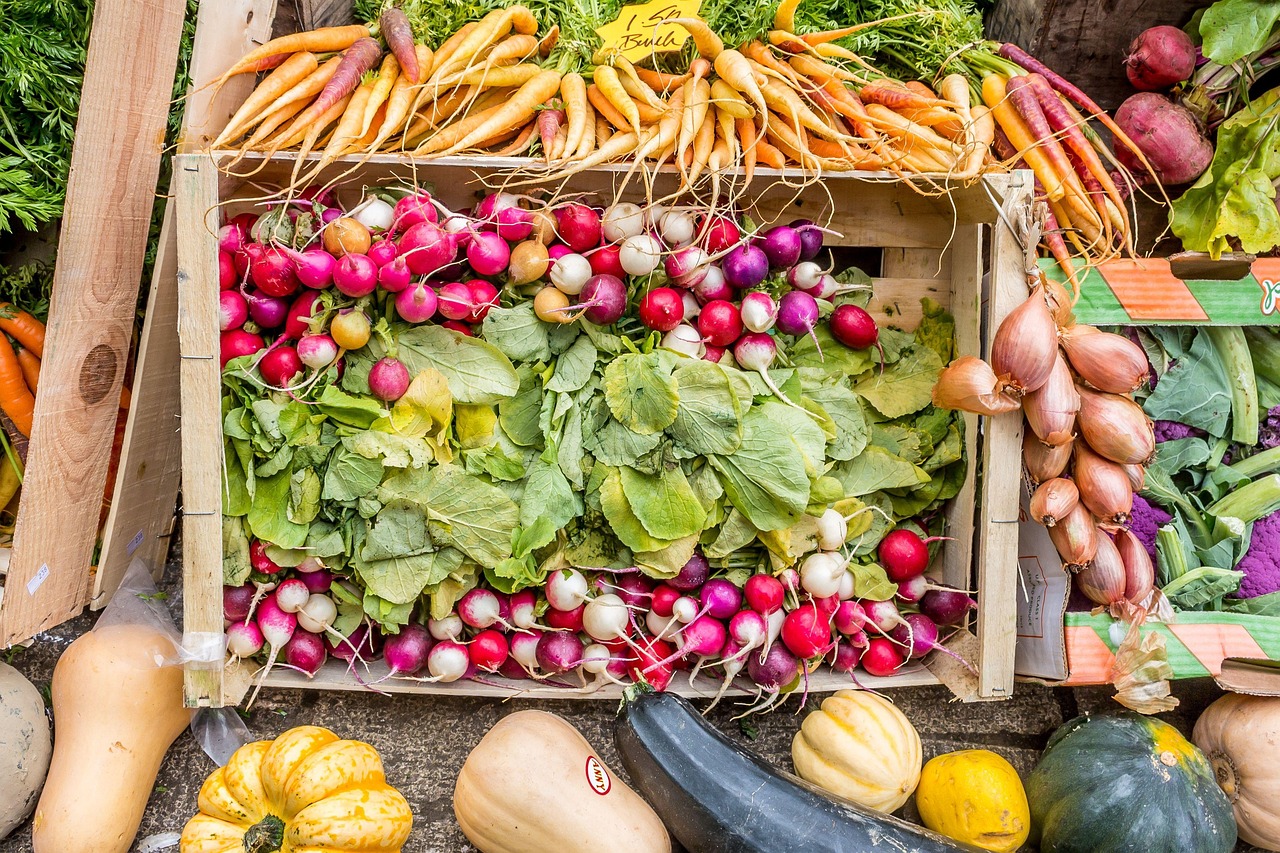
Organic gardening is the same as regular gardening except that no synthetic fertilizers or pesticides are used. This can make certain aspects difficult, such as controlling disease, insects, and weeds. Organic gardening also requires more attention to the soil and the many needs of plants.
Organic gardening starts with the soil. Gardeners must add organic matter to the soil regularly in order to keep the soil productive. In fact, compost is essential to the healthiness and well-being of plants grown organically. Compost can be made from leaves, dead flowers, vegetable scraps, fruit rinds, grass clippings, manure, and many other things. The ideal soil has a dark colour, a sweet smell, and is full of earthworms. Some soil may need more natural additives than regular compost can give, such as bonemeal, rock phosphates, or greensand. A simple soil test will tell you the pH balance and which nutrients you will need to use.
One thing that makes even gardeners who are very serious about organic gardening reach for pesticides is insects on their plants. The best way to defend plants against insects is to take preventative measures. One thing that can be done is to make sure plants are healthy and not too wet or dry because insects usually attack unhealthy plants, and if healthy, they can often outgrow minor insect damage. A variety of plant types is a good idea to keep pests of a particular plant type from taking over the entire garden.
Perhaps the best way to defend against insects is to make your garden enticing to insect predators, such as ladybugs, birds, frogs, and lizards. You can do this by keeping a water source nearby or by growing plants that attract insects that feed on nectar. Other ideas are sticky traps, barriers, and plant collars. Some household items repel insects too, like insecticidal soaps, garlic, and hot pepper.
To avoid plant disease in organic gardening, choose disease-resistant plants and plant them in their prime conditions. Many diseases will spread because of constant moisture and bad air circulation, so the site of your garden and the way it is watered can help ensure against diseases.
Weeds can be an annoying and frustrating part of organic gardening. Organic mulch can act as a weed barrier, but for even better protection, put a layer of newspaper, construction paper, or cardboard under the mulch. Corn meal gluten will slow the growth of weeds if spread early in the season before planting, as does solarisation. There’s also the old-fashioned art of hoeing and hand pulling that always works. Your best bet in weed prevention is persistence. Mulch well and pull and hoe what you can; after a few seasons, you can beat the weeds for good.
Organic gardening is an excellent way to ensure that your plants will be free and clear of all pesticides and, if taken care of properly, will be as healthy as possible. Organic gardening may take a little more time and care than regular gardening, but after gardeners get the hang of it and figure out all the quirks of their garden, it is definitely worth the extra time.

World Cup 2026 USA, Mexico and Canada

Modern-Day Politics and Today’s Ideologies Now

Stop the incentives, stop the boats.


-

 Government4 weeks ago
The PM’s speech for survival
-

 Football3 weeks ago
Fa Cup Winners
-

 Government4 weeks ago
Its Time To Go Keir For The Sake Of Labour
-

 Immigration4 weeks ago
200,000 Illegal Immigrants arrive since 98
-
 Immigration1 week ago
Stop the incentives, stop the boats.
-

 Government3 weeks ago
Is This The PMs End Finally
-

 Government2 weeks ago
VAT cut for summer attractions
-

 Entertainment2 weeks ago
What’s on NETFLIX in May and June
-
 Football1 day ago
World Cup 2026 USA, Mexico and Canada
-
 Government2 days ago
Modern-Day Politics and Today’s Ideologies Now