
Sports
Basics of Tennis Explained
Tennis is a sport that involves at least two players, and sometimes four if you’re playing doubles.


Tennis is a sport that involves at least two players, and sometimes four if you’re playing doubles. The essential equipment needed includes a tennis ball, a tennis racquet, and a tennis court. Each player will also need tennis shoes and appropriate tennis attire. This minimal requirement makes tennis a relatively light sport to play compared to football, which requires a significant amount of heavy equipment.
A regulation tennis court must be used to ensure consistency in size and maintenance, preventing games from being affected by the court’s conditions. The net is placed in the center of the court, and there are service lines that run parallel to the net on either side. Further back, on the outer edge of the court, are the baselines, which indicate where players typically begin playing.
The sides of the court are marked by lines that delineate the outer edges, known as the alleys. It’s essential to understand the difference between singles and doubles play. In singles tennis, the alley is considered out of bounds; if a ball hits the alley, it is immediately a fault. However, in doubles tennis, the alley can be used without penalty, which can significantly affect the outcome of the game. To start a game, you need at least two players to serve the ball. A successful serve requires hitting the ball into the opponent’s side of the court, specifically into the service box on that side. Each player has a service box on their left side, and regardless of who serves, the ball must land in that box. The ball must bounce at least once in the service box for the serve to be valid. If it does not, the serve must be repeated.
Once the ball has successfully landed in the service box, the primary aspect of tennis begins: players hit the ball back and forth across the court. The goal is to prevent the ball from bouncing out of bounds or hitting the alley in singles play. To score points, you must ensure that you hit the ball when it reaches you. If you fail to return the ball while your opponent does, they will gain a point.
Each time a ball is missed, it must be served again. Players will take turns serving, ensuring that both get an equal opportunity throughout the match. This overview provides a basic understanding of how tennis is played, although it does not cover specific scoring rules or strategies.
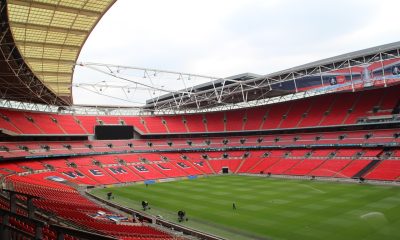


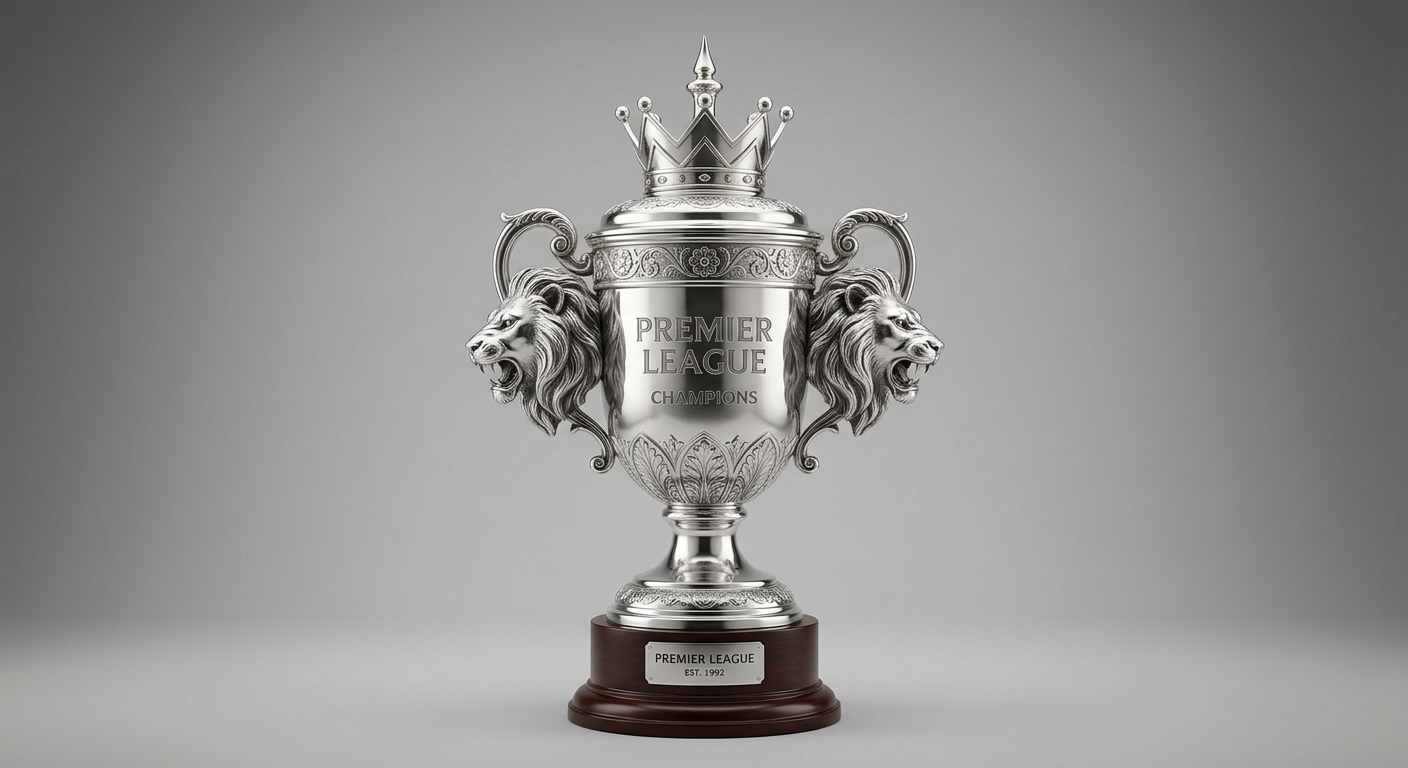
Premier League Matchday 8 Recap: High Drama and Shock Results Shift the Standings
Matchday 8 of the 2026/27 Premier League season delivered a weekend packed with dramatic encounters, heavyweight clashes, and statement victories. From title race shifts to Old Trafford shockwaves, the league table has seen major movements across both ends.
Matchday 8 Results Summary
Friday, October 23, 2026
- Ipswich Town 1–1 Nottingham Forest. Neco Williams put Forest ahead early in the 13th minute, but Julio Enciso struck back for the hosts in the 41st minute to ensure a hard-fought point for both sides at Portman Road.
Saturday, October 24, 2026
- Aston Villa 2–1 Manchester City. The weekend’s headline upset unfolded at Villa Park. Nicolas Jackson opened the scoring early (6′) and added a second in the 60th minute. Erling Haaland pulled one back for the visitors (52′), but Villa held firm to hand City their first defeat of the campaign.
- Arsenal 2–0 Everton. The Gunners took full advantage of City’s slip-up. Ezri Konsa found the net early in the 7th minute before Gabriel doubled the advantage (68′) to comfortably secure three points at the Emirates.
- Chelsea 0–2 Tottenham claimed London derby bragging rights at Stamford Bridge. A tense contest broke open late through a Mike Penders own goal (77′) before Mathys Tel wrapped up the victory in the 87th minute.
- Coventry City 0–1 Fulham Oscar Bobb came off the bench to score an 80th-minute winner, breaking Coventry hearts and snatching an important away victory for Fulham.
Sunday, October 25, 2026
- Manchester United 0–3 AFC Bournemouth. A stunning afternoon at Old Trafford saw Bournemouth completely dominate the hosts. Goals from Rayan (38′), Marcus Tavernier (43′), and Evanilson (71′) secured a comfortable away triumph.
- Liverpool 2–0 Brighton & Hove Albion. Liverpool produced a commanding opening half at Anfield. Quickfire strikes from Florian Wirtz (17′) and Alexander Isak (21′) swept past high-flying Brighton.
- Crystal Palace 0–2 Newcastle United. Newcastle produced a polished second-half showing at Selhurst Park, with William Osula (47′) and Harvey Barnes (58′) sealing a solid win.
- Hull City 1–1 Brentford. Oli McBurnie gave Hull the lead from the penalty spot in the 24th minute, but Dango Ouattara equalised in the 63rd minute as both teams settled for a point.
- Sunderland 0–0 Leeds United. A fiercely contested northern clash ended in a goalless draw at the Stadium of Light.
Premier League Table (End of Matchday 8)
| Pos | Team | Pld | W | D | L | GF | GA | GD | Pts |
| 1 | Manchester City | 8 | 7 | 0 | 1 | 20 | 9 | +11 | 21 |
| 2 | Arsenal | 8 | 7 | 0 | 1 | 13 | 5 | +8 | 21 |
| 3 | Brighton & Hove Albion | 8 | 5 | 1 | 2 | 23 | 7 | +16 | 16 |
| 4 | Liverpool | 8 | 4 | 3 | 1 | 11 | 8 | +3 | 15 |
| 5 | Chelsea | 8 | 4 | 1 | 3 | 17 | 15 | +2 | 13 |
| 6 | Brentford | 8 | 2 | 5 | 1 | 14 | 9 | +5 | 11 |
| 7 | Leeds United | 8 | 2 | 5 | 1 | 9 | 6 | +3 | 11 |
| 8 | Newcastle United | 8 | 3 | 2 | 3 | 12 | 14 | -2 | 11 |
| 9 | Aston Villa | 8 | 3 | 2 | 3 | 9 | 12 | -3 | 11 |
| 10 | Hull City | 8 | 2 | 4 | 2 | 9 | 8 | +1 | 10 |
| 11 | Everton | 8 | 2 | 4 | 2 | 8 | 9 | -1 | 10 |
| 12 | Ipswich Town | 8 | 3 | 1 | 4 | 12 | 16 | -4 | 10 |
| 13 | AFC Bournemouth | 8 | 2 | 3 | 3 | 12 | 13 | -1 | 9 |
| 14 | Tottenham Hotspur | 8 | 2 | 3 | 3 | 8 | 10 | -2 | 9 |
| 15 | Fulham | 8 | 2 | 2 | 4 | 8 | 10 | -2 | 8 |
| 16 | Manchester United | 8 | 1 | 4 | 3 | 10 | 13 | -3 | 7 |
| 17 | Crystal Palace | 8 | 2 | 1 | 5 | 9 | 19 | -10 | 7 |
| 18 | Nottingham Forest | 8 | 1 | 3 | 4 | 6 | 10 | -4 | 6 |
| 19 | Coventry City | 8 | 2 | 0 | 6 | 6 | 15 | -9 | 6 |
| 20 | Sunderland | 8 | 1 | 2 | 5 | 6 | 14 | -8 | 5 |

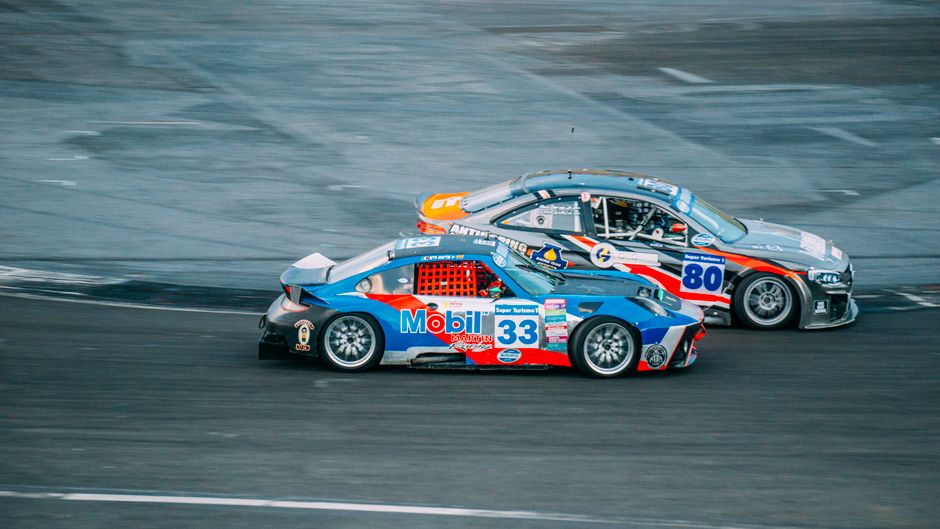
The 24 Hours of Le Mans is an endurance sports car race held annually near the city of Le Mans in France. The first running took place in 1923, which makes it the oldest active endurance sports car race in the world. That single fact explains a great deal about its standing. Championships have been renamed and regulations rewritten many times since, yet the Le Mans 24 Hours has held its position at the top of endurance motorsport.
The organisers describe the race as a technological challenge and an immeasurable human adventure, and that mixture is what separates it from a straightforward sprint event. Manufacturers use it to test ideas under conditions no laboratory can copy, while spectators get a full day and night of racing in one sitting. It is one of the biggest sporting events in the world, and the story of how it got there runs through a French motoring club, a river city and a century of mechanical change.
1923 and the Club That Made the Race Happen
Behind the event sits the Automobile Club de l’Ouest, usually shortened to the ACO. The club was founded in 1906 and designs and organises world-leading car races, with the 24 Hours of Le Mans as its best-known creation. The ACO presents itself as the creator and organiser of the race, a role it has held since the earliest days of the event.
The ACO is not only a race promoter. It is a club with more than 40,000 car and motorbike enthusiast members, and part of its stated purpose is protecting road users on a daily basis. Members receive preferential conditions at races run on the Le Mans circuit, and the club also organises events across western France, the region it refers to as le Grand Ouest.
That structure helps explain the race’s continuity. A members’ club with a long institutional memory has been able to carry the event through the different eras of motorsport, adapting the rulebook while keeping the central idea intact. The format is stated in the name itself: a race that runs for 24 hours, held annually, on a circuit near the city.
The City Behind the Name
Le Mans is a city in northwestern France, sitting on the Sarthe River where it meets the Huisne. Traditionally the capital of the province of Maine, it is now a prefecture and commune in the Pays de la Loire region. The city is known as the City of Art and History, and its most famous export is the endurance race that carries its name, with thousands of spectators attending every year.
Anyone who has only seen the event on television tends to underestimate the city’s part in it. The circuit sits close to Le Mans itself, and race week reshapes the surrounding area for its duration. For a first visit, check the official circuit and ticketing pages rather than relying on older write-ups, because the programme, entry list and access arrangements are all published there and can change from year to year.
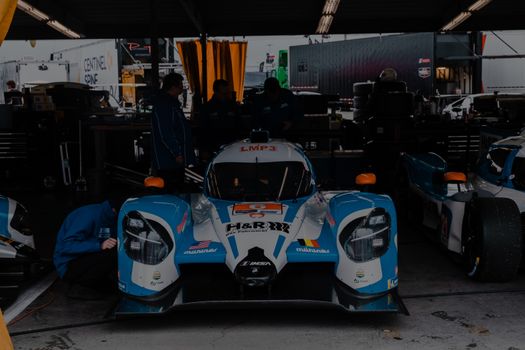
How the Le Mans Name Grew Beyond One Weekend
The 24 Hours is the centrepiece, but the Le Mans name now covers a family of championships, support series and even a video game. The official site links out across the main competition and its associated series, which gives a clear picture of how far the brand reaches.
| Series or product | What it is |
|---|---|
| 24 Hours of Le Mans | The flagship endurance race, held annually near the city of Le Mans and a round of the FIA World Endurance Championship |
| FIA World Endurance Championship | The world championship of which the Le Mans 24 Hours forms a part |
| European Le Mans Series | A European endurance championship; its calendar has included a four-hour race at Portimao |
| Michelin Le Mans Cup | A support series carrying the Le Mans name, with its own news, results and live timing |
| Asian Le Mans Series | The Asian counterpart within the same racing family |
| Le Mans Ultimate | The official game of the event |
For British readers, the wider family can be a gentler introduction to the sport. The European series and the Michelin Le Mans Cup run shorter races, which makes them easier to follow in a single sitting, while the 24 Hours remains the long-form event that everything else builds towards.
Why Endurance Racing Looks So Different
A 24-hour race rewards different qualities from a short one. Surviving the distance matters as much as outright speed, and the ACO’s own description of the event leans on that idea of a technological challenge paired with a human adventure. The result is a form of motorsport where reliability, planning and patience carry real weight.
The calendar has changed shape since 1923 as well. What began as a single annual fixture now sits inside a world championship, with feeder series on other continents and a museum and track-day operation keeping the circuit in use through the rest of the year. That spread is one reason the Le Mans name survives in conversations far outside France.
Le Mans Now: The Modern Event
The 24 Hours of Le Mans is a round of the FIA World Endurance Championship, which places it inside a season-long title fight rather than leaving it as a standalone curiosity. The next edition listed by the organisers is the 95th running of the race, scheduled for 9 to 13 June 2027. Ticketing, the entry list, the full programme and a circuit map are all published on the official race site.
Dates, session times and entry details can change, so confirm them with the organisers before booking travel or accommodation. The official pages are also the place to look for hospitality options, which are typically handled separately from general admission.
The sport has moved online too. Le Mans Ultimate is listed as the official game of the event, and the organisers run a subscription-style service alongside their live coverage. For supporters who cannot travel to France, that is often the simplest way to follow practice, qualifying and the race itself.
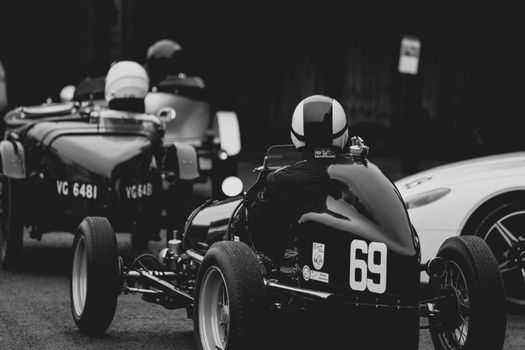
The Museum, the Circuit and the Rest of the Year
At the gates of the legendary circuit, the Motor Sport Museum, known as M24, invites visitors to explore the world of motorsport, covering endurance racing and Formula 1 among other subjects. It is a sensible stop for anyone who wants context before or after race weekend, and it keeps the site active outside the main event.
The circuit also hosts track days, so the same tarmac used for the 24 Hours appears in traveller guides aimed at people who want to drive it themselves. Meanwhile the European and Asian series, the Michelin Le Mans Cup and the world championship all keep the Le Mans name in front of audiences across the year.
What Has Kept Le Mans Relevant for a Century
Three factors stand out. The first is age. A race first run in 1923 carries a weight of tradition that newer events cannot simply buy, and the oldest active endurance sports car race in the world has had more than a hundred years to build its reputation.
The second is the club behind it. The ACO’s membership of more than 40,000 enthusiasts, its work on road safety and its programme of events across western France give the race a support base that is not purely commercial.
The third is the technical dimension. Treating the race as a test bed as much as a competition has kept manufacturers interested across decades of change, from the early years through to the modern championship era. That is why the event is still spoken about as a challenge rather than just a fixture.

Planning a First Trip to Le Mans
- Check the official race site for confirmed dates, the entry list, the programme and a circuit map before booking anything.
- Buy tickets through the official ticketing pages linked from the organisers rather than unofficial resale sites.
- Allow time for the city as well as the circuit. Le Mans is a City of Art and History with a river running through it.
- If one weekend is not enough, look at the European and Asian series calendars or the Michelin Le Mans Cup.
- Expect crowds. Thousands of spectators attend every year, so plan travel and accommodation early.
Frequently Asked Questions
When was the first Le Mans race held?
The 24 Hours of Le Mans was first run in 1923, which makes it the oldest active endurance sports car race in the world. It has been held annually near the city of Le Mans in France ever since, and today it forms a round of the FIA World Endurance Championship.
Who organises the 24 Hours of Le Mans?
The Automobile Club de l’Ouest, commonly known as the ACO, is the creator and organiser of the race. The club was founded in 1906 and designs and organises world-leading car races. It also has more than 40,000 car and motorbike enthusiast members and runs events across western France.
Where exactly is the Le Mans circuit?
The race takes place near the city of Le Mans in northwestern France. The city itself sits on the Sarthe River where it meets the Huisne, and it is now a prefecture and commune in the Pays de la Loire region. The circuit lies close by, and the surrounding area fills with spectators every year.
When is the next Le Mans 24 Hours?
The next edition listed by the organisers is the 95th running of the race, scheduled for 9 to 13 June 2027. Ticketing, the entry list, the full programme and a circuit map are published on the official race site. Always confirm dates there before booking travel.
Is Le Mans part of a championship?
Yes. The 24 Hours of Le Mans is a round of the FIA World Endurance Championship, so it counts towards a season-long title as well as standing alone as an event. Related series include the European Le Mans Series, the Michelin Le Mans Cup and the Asian Le Mans Series.
From a single race first staged in 1923 to a global name attached to world championships, support series, a museum and an official video game, Le Mans has grown well beyond one weekend in northwestern France. The essentials have not moved: a 24-hour race, a circuit near the city, and a club that has organised it since the beginning. Anyone planning to attend should treat the official race site as the final word on dates, tickets and the programme.
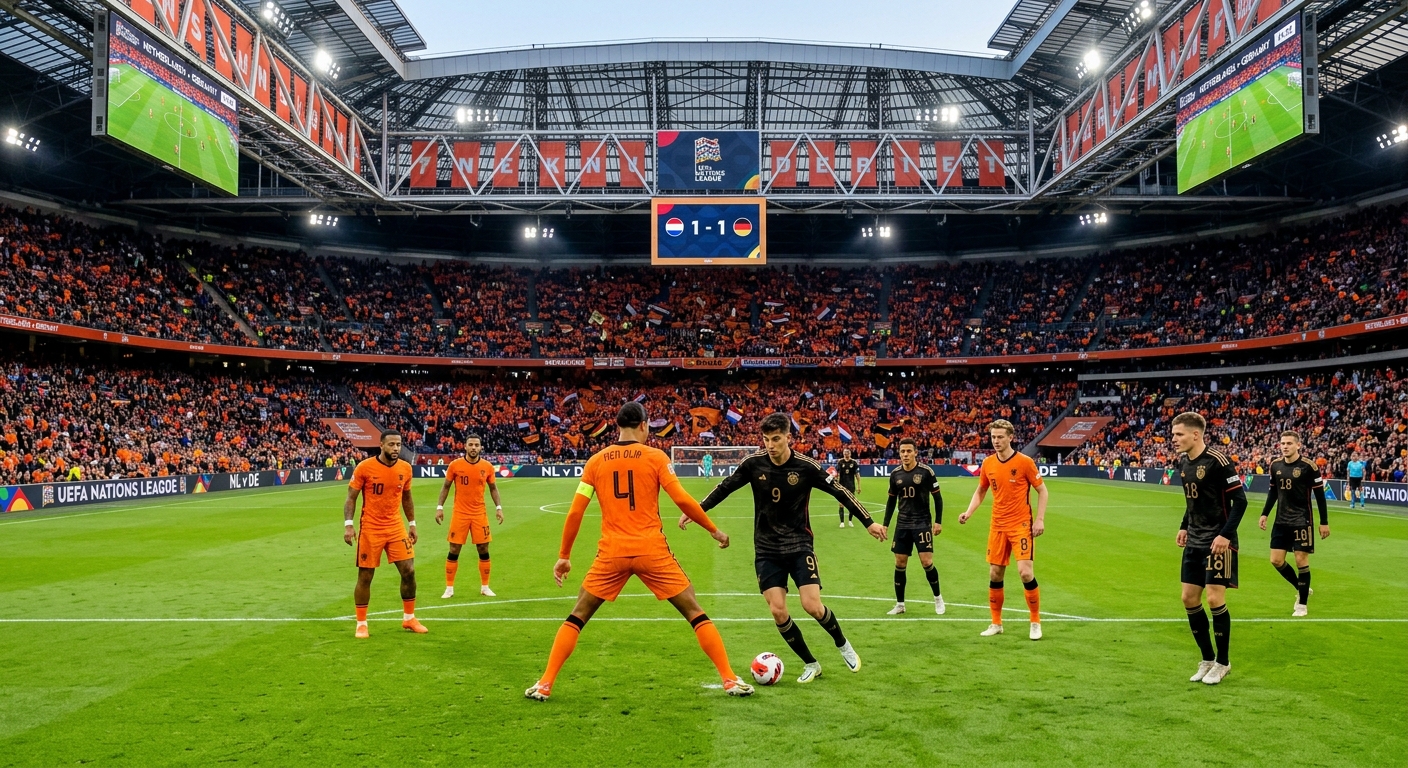
Matchday 1 of the 2026–27 UEFA Nations League kicked off on September 24, 2026, delivering several dramatic openers across Leagues A, B, and D.
Highlighting the action in League A, Norway picked up a thrilling 3–2 victory over Nordic rivals Denmark behind a brace from Erling Haaland, while Portugal kicked off their campaign with a 1–0 home win against Wales. Meanwhile, the Netherlands and Germany shared the points in a heavyweight 1–1 draw.
UEFA Nations League Matchday 1 Results
League A
- Norway 3–2 Denmark (Group A4): Oscar Bobb opened the scoring before Erling Haaland netted a double to power Norway past Denmark. Mikkel Damsgaard and Rasmus Højlund scored for the visitors, but David Møller Wolfe’s late second yellow card didn’t stop Norway from holding on.
- Portugal 1–0 Wales (Group A4): A first-half strike from João Félix proved to be the winner in Lisbon as Portugal began their campaign with three points.
- Netherlands 1–1 Germany (Group A2): The two powerhouse nations battled to a hard-fought draw in their group opener.
- Serbia 1–2 Greece (Group A2): Greece secured a big away win in Belgrade to jump to the top of Group A2.
League B
- Austria 3–1 Israel (Group B3): Austria dominated at home to take early control of Group B3.
- Kosovo 1–0 Republic of Ireland (Group B3): Kosovo earned a memorable 1–0 home win over the Republic of Ireland.
League D
- Andorra 1–2 Malta (Group D1): Malta kicked off League D action by coming out on top in a fiery encounter away to Andorra.
- Liechtenstein 0–2 Lithuania (Group D2): Lithuania claimed a comfortable two-goal away win in Vaduz.
Group Standings (Selected Groups)
League A — Group A4
| Pos | Team | MP | W | D | L | GF | GA | GD | Pts |
| 1 | Norway | 1 | 1 | 0 | 0 | 3 | 2 | +1 | 3 |
| 2 | Portugal | 1 | 1 | 0 | 0 | 1 | 0 | +1 | 3 |
| 3 | Denmark | 1 | 0 | 0 | 1 | 2 | 3 | -1 | 0 |
| 4 | Wales | 1 | 0 | 0 | 1 | 0 | 1 | -1 | 0 |
League A — Group A2
| Pos | Team | MP | W | D | L | GF | GA | GD | Pts |
| 1 | Greece | 1 | 1 | 0 | 0 | 2 | 1 | +1 | 3 |
| 2 | Germany | 1 | 0 | 1 | 0 | 1 | 1 | 0 | 1 |
| 3 | Netherlands | 1 | 0 | 1 | 0 | 1 | 1 | 0 | 1 |
| 4 | Serbia | 1 | 0 | 0 | 1 | 1 | 2 | -1 | 0 |
League B — Group B3
| Pos | Team | MP | W | D | L | GF | GA | GD | Pts |
| 1 | Austria | 1 | 1 | 0 | 0 | 3 | 1 | +2 | 3 |
| 2 | Kosovo | 1 | 1 | 0 | 0 | 1 | 0 | +1 | 3 |
| 3 | Republic of Ireland | 1 | 0 | 0 | 1 | 0 | 1 | -1 | 0 |
| 4 | Israel | 1 | 0 | 0 | 1 | 1 | 3 | -2 | 0 |

Premier League Matchday 8

November PlayStation Plus Lineup


