
Europe
Benidorm, The Riviera Of The Costa Blanca
For decades, Benidorm has held a special, almost mythical status in British holiday culture.

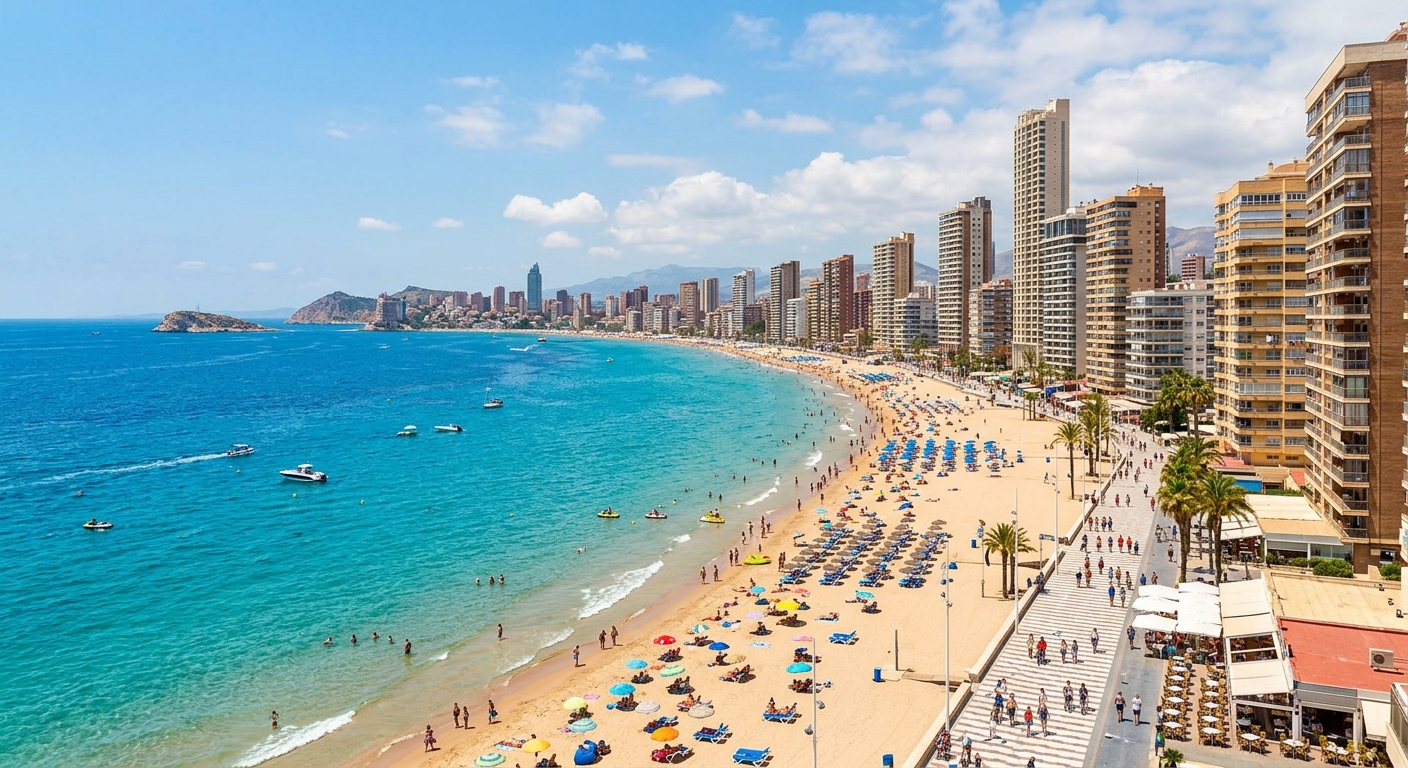
For decades, Benidorm has held a special, almost mythical status in British holiday culture. What started in the 1960s as a quiet fishing village on Spain’s Costa Blanca transformed into a purpose-built high-rise paradise designed specifically for mass tourism—and the UK fell head over heels.
Whether you love the buzzing, unapologetic energy of the New Town or the authentic Spanish charm hidden in plain sight, here is why millions of Brits keep heading back year after year.
The Sun, Sea, and Unbeatable Value
At its core, Benidorm’s appeal comes down to a simple formula: reliable Mediterranean sunshine, golden sands, and fantastic value for money.
- The Beaches: Levante Beach is the heart of the action, packed with sun loungers, water sports, and a bustling promenade. If you prefer a slightly calmer scene, Poniente Beach offers miles of spotless sand where local families and tourists mix effortlessly.
- Budget-Friendly Bites: Where else in Europe can you get a full English breakfast, a pint, and a sunbed for a fraction of what you’d pay back home? The resort’s sheer density keeps prices competitive.

Two Distinct Worlds in One City
One of Benidorm’s best-kept secrets is that it caters to completely different types of holidaymakers, often just a few streets apart.
- The New Town (Levante): This is the classic “Brits abroad” experience. Expect cabaret bars, tribute acts, sports pubs showing the Premier League, and nightlife that goes on until dawn.
- The Old Town (El Castell): Walk past the central square, and you enter a maze of whitewashed cobblestone streets. Head down Calle Santo Domingo—known locally as “Tapas Alley”—to swap lager and chips for authentic Spanish pintxos, fresh seafood, and crisp Rioja wine.
Why It Keeps Winning
While snobs might dismiss it, Benidorm was actually ahead of its time urbanistically. Its vertical layout (full of tall skyscrapers) leaves maximum green space and public beach access, making it one of the most efficient and sustainable resort designs in Europe.
Add in world-class theme parks like Terra Mítica, waterparks like Aqualandia, and a short 40-minute transfer from Alicante Airport, and it’s easy to see why families, stag and hen parties, and retirees alike keep it at the top of their list.


Europe
10 Best European Destinations for Cheap Alcohol
If you’re looking to swap £6+ London pub prices for dirt-cheap draughts, wine by the carafe, and affordable spirits, European
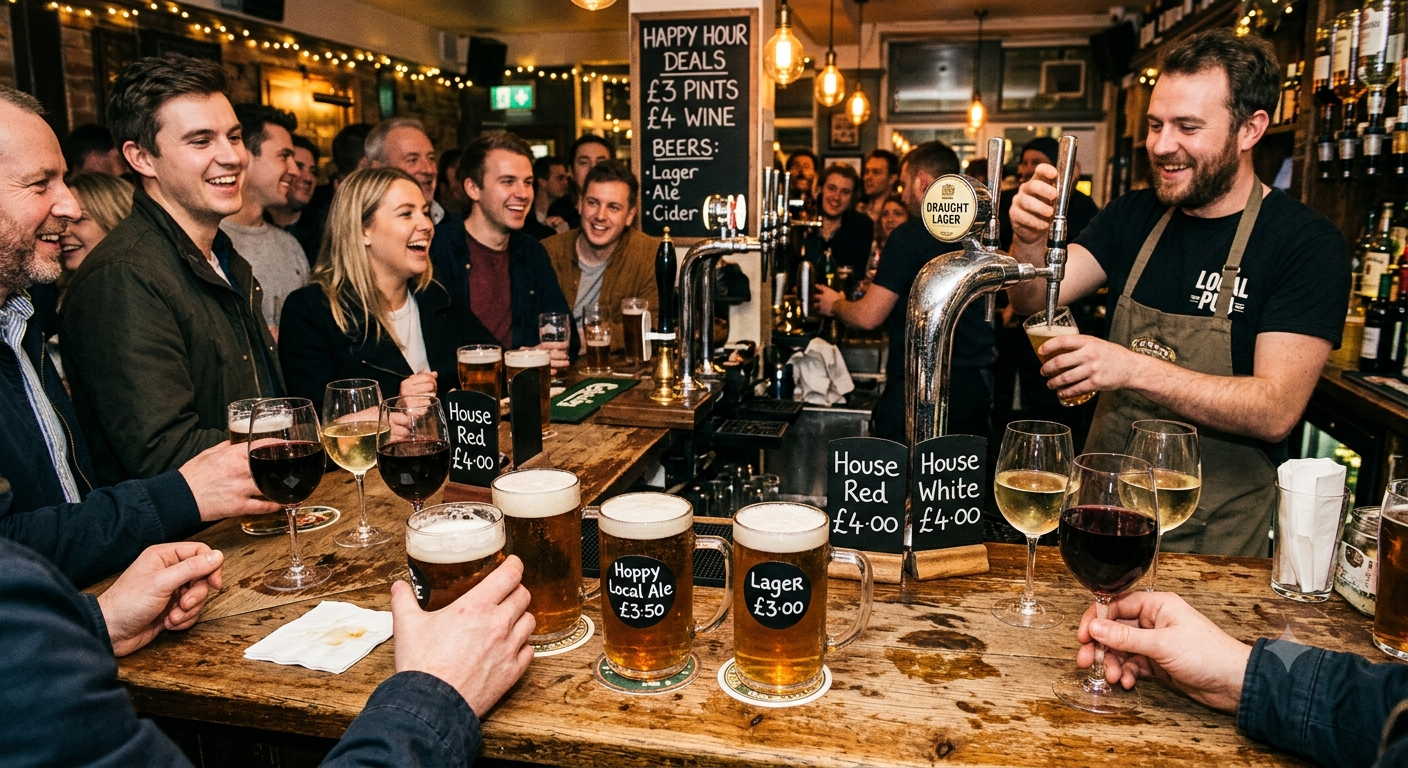
If you’re looking to swap £6+ London pub prices for dirt-cheap draughts, wine by the carafe, and affordable spirits, Europe has plenty of incredible destinations where your pound goes significantly further.
Here are 10 of the best European destinations for budget-friendly drinking, along with typical pub and bar prices converted into UK Pounds (£).
1. Bulgaria (Sofia, Plovdiv & Sunny Beach)
- Average Pint/Drink Cost: £1.20 – £1.60
- The Vibe: Black Sea beach parties, historic Old Town pub crawls, and incredibly low living costs.
- Why Visit: Bulgaria consistently ranks as one of Europe’s cheapest destinations overall. Local lagers like Kamenitza and Zagorka are widely available for well under £1.50 a pint.
2. Czech Republic (Prague, Brno & Olomouc)
- Average Pint/Drink Cost: £1.30 – £1.80
- The Vibe: World-class beer halls, historic microbreweries, and unmatched brewing heritage.
- Why Visit: Widely regarded as serving the best beer in Europe for the best price. Pints of freshly poured Pilsner Urquell, Staropramen, or Kozel cost a fraction of UK prices—and in smaller cities like Olomouc, draught beers often drop below £1.20.
3. Hungary (Budapest)
- Average Pint/Drink Cost: £1.30 – £1.80
- The Vibe: Eccentric ruin bars, river cruises, and late-night party baths (Sparties).
- Why Visit: Budapest offers a world-class nightlife scene without Western European prices. Local beers like Dreher and Soproni are very affordable, as are glasses of local Tokaji wine.
4. Albania (Tirana & Saranda)
- Average Pint/Drink Cost: £1.10 – £1.70
- The Vibe: Vibrant trendy cocktail bars in the capital and affordable Riviera beach clubs.
- Why Visit: Albania is one of the most budget-friendly holiday spots in Europe. Local brews like Birra Korça and Birra Tirana are extraordinarily cheap, and local spirits like Raki cost less than a pound per shot.
5. Romania (Bucharest & Cluj-Napoca)
- Average Pint/Drink Cost: £1.30 – £1.70
- The Vibe: Lively pedestrianised Old Town nightlife and sprawling outdoor terraces.
- Why Visit: Bucharest’s Lipscani district comes alive every weekend with energy and cheap drinks. Pints of local lager (Ciuc or Ursus) cost around £1.50, making it a hugely popular choice for group trips.
6. Poland (Kraków, Gdańsk & Wrocław)
- Average Pint/Drink Cost: £1.50 – £2.00
- The Vibe: Underground basement bars, shot-and-snack pubs (Pijalnia Wódki i Piwa), and microbreweries.
- Why Visit: Poland delivers exceptional value. You can enjoy craft beers or flavoured vodka shots (Żubrówka) for £1.00 – £1.50 each at dedicated 24-hour shot bars.
7. Slovakia (Bratislava)
- Average Pint/Drink Cost: £1.40 – £1.90
- The Vibe: Cosy medieval cellars and laid-back riverside beer gardens.
- Why Visit: Just an hour away from expensive Vienna, Bratislava offers the same classic Central European atmosphere for half the price. Local beers like Zlatý Bažant cost well under £2.00 a pint.
8. Portugal (The Algarve, Porto & Lisbon)
- Average Pint/Drink Cost: £1.70 – £2.20
- The Vibe: Sunny Atlantic beach bars, Port wine tastings, and lively Bairro Alto street drinking.
- Why Visit: Portugal stands out as the cheapest drinking destination in Western Europe. A bottle or small draught (Imperial) of Super Bock or Sagres often costs £1.50 – £1.80 outside of high-end tourist traps.
9. Spain (Granada, Seville & Alicante)
- Average Pint/Drink Cost: £1.70 – £2.20
- The Vibe: Sunshine, outdoor terraces, and authentic tapas culture.
- Why Visit: In Southern Spanish cities like Granada and Seville, buying a caña (small draught beer) or house wine often comes with a free plate of food (tapa). Alicante and the Canary Islands also boast draught prices around £2.00.
10. Bosnia & Herzegovina (Sarajevo & Mostar)
- Average Pint/Drink Cost: £1.30 – £1.80
- The Vibe: Historic Ottoman markets, mountain views, and relaxed cafe-bars.
- Why Visit: Bosnia offers some of the lowest day-to-day costs in the Balkans. Local draught beers like Sarajevsko and Preminger are refreshing and budget-friendly.
💡 Tips for Drinking on a Budget in Europe
- Drink Local: Avoid ordering imported UK or international brands, as import duties bump up the price.
- Step Away from Main Squares: Walking just 2–3 streets away from major tourist hubs like Prague’s Old Town Square or Lisbon’s main plaza can cut your bar bill in half.
Europe
10 Things to Know About Ireland
Ireland has long been an island divided, but is starting to make a serious comeback. Here are 10 things to know about the Emerald Isle.

Ireland has long been an island divided, but it is starting to make a serious comeback. Here are 10 things to know about the Emerald Isle.
10 Things to Know About Ireland
An island located close to Britain, Ireland has been in nearly constant conflict with its neighbour. Alas, things have changed dramatically in the last ten years, as have Ireland’s fortunes. Religious violence seems to have tapered off, and economic growth is one of the strongest in Europe.
Here are ten things to know about the amazing country of Ireland.
1. The island is split between two countries, Northern Ireland and the Republic of Ireland.
2. Before 1921, the entire island was part of and controlled by Britain.
3. In 1921, 26 counties in the south were given independence and became the Republic of Ireland.
4. Northern Ireland is approximately 55 per cent Protestant and 44 per cent Catholic. This division has led to decades of strife in all aspects of life.
5. Ireland has remained neutral during the two World Wars, even though Great Britain played a key role in each.
6. In 1990, Mary Robinson was elected the first female President of the Republic of Ireland.
7. You will find “rag trees” in Ireland. As the name suggests, trees are covered with rags tied to their branches. The rags represent wishes for a variety of things.
8. In some parts of the country, you can go bowling on Sundays. On the public roads! The idea is to roll a heavy ball from the starting point to a finishing point as far as a couple of miles away. The team that does it in the fewest number of throws wins.
9. The ancestors of U.S. Presidents Kennedy and Reagan were Irish.
10. The Patron Saint of Ireland, Saint Patrick, was Scottish!
Ireland has a long and storied history as well as a unique cultural all its own. As you can tell from the above, this is a place you should visit if you get a chance.
Easter Break Flights Deals Save up to £15 off with code EASTER15 Bookings over £300 at Travelup.com Book NowEurope
The freedom of a caravan
If you enjoy travelling and cherish the feeling of freedom, then a caravan is the perfect solution. In the past, travelling by caravan

If you enjoy travelling and cherish the feeling of freedom, then a caravan is the perfect solution. In the past, travelling by caravan often meant sacrificing comfort, but today that is no longer the case. A caravan, often referred to as a ‘home on wheels,’ offers a unique sense of freedom and security, along with all the comforts you need. The desire for freedom, the ambience of a caravan hitched to your vehicle, and the delightful aroma of food cooked in the warm air of a beach campsite are just a few of the reasons people love this method of holidaying and travelling.
Whether your passion for travelling by caravan stems from cherished childhood memories of arriving at campsites or from a longing to reconnect with the simplicity of free travel, the enthusiasm of fellow caravanners is truly infectious. Caravans provide an opportunity to enjoy simpler holiday pleasures.
The origins of caravanning can be traced back to gypsies and showmen, who spent much of their lives travelling in horse-drawn caravans. Another interesting historical note is that the world’s first leisure caravan was created by the Bristol Carriage Company in 1880 for Dr W. Gordon-Stables. This 18-foot design was based on their Bible Wagons and was named “Wanderer.” Today, anyone can purchase a modern caravan, which comes in various sizes.
Options range from small two-berth caravans without a toilet and basic kitchen facilities to large, twin-axle, six-berth models with all the luxuries of a four-star hotel. In the last 2 to 3 years, the popularity of caravans and caravanning has increased in the UK. This surge may be attributed to several factors: excellent summer weather, fears of international travel due to worries over terrorism, significant rises in house prices allowing people to raise capital through remortgaging, and a desire for simpler holidays and more freedom. Furthermore, improvements in quality and facilities have made caravan holidays comfortable year-round, not just during the summer months.
A typical mid-range, modern caravan should feature: a gas/electric refrigerator, a gas/electric stove, an oven and grill, a gas/electric water heater, one or more beds (some of which double as seating), electricity supplied by a battery or an external hookup, a toilet with a removable disposal tank and flush-water tank, a shower, a radio, and a TV aerial/satellite dish. Additional features may include air conditioning, external barbecue points, tow hitch stabilizers, CD players, awnings or screen rooms, clothes washers and dryers, and microwaves.

3 Free Games on PlayStation Network This Month (September 2026)

Understanding AI: An Absolute Beginner’s Guide

Why the migrant crime cover-up?


-
 Food1 week ago
Make Your Own Fresh Tomato Soup From Tomatoes
-

 Holidays2 weeks ago
British Seaside Resorts And Their Demise.
-
 Info7 days ago
Speed Cameras: How They Work and What UK Drivers Should Know
-
 Government2 weeks ago
More Boats Cross With Illegal Migrants This Week.
-

 F11 week ago
2026 Formula One Championship: F1 News, Schedule and How to Follow
-

 Consoles2 weeks ago
3 Free Games on PlayStation Network This Month (August 2026)
-

 Government2 weeks ago
Why Are the UK Homeless Being Treated Second Best in England?
-

 Modern Cars1 week ago
The Kia Picanto GT-Line: A Little Gem
-

 Entertainment2 weeks ago
Well, He Is Back for Season 4
-
 General1 week ago
The Lunar Eclipse in the UK on August 28, 2026.
-
 General5 days ago
Manchester: The Ultimate Guide to the UK’s Capital of Culture and Character
-

 Food1 week ago
French Onion Soup: A Simple But Hearty Meal