
Travel
Top 10 Most Expensive Countries for Food, Drink and Accommodation

A country climbs towards the top of any expensive list for reasons that sound simple and are awkward to measure: the price of a loaf, the price of a pint, and the price of a bed for the night. Dictionaries are clear enough on the word itself, describing expensive as costing a relatively large amount of money, time or effort, or as charging high prices. What they cannot do is tell you which countries those descriptions fit best, because the answer depends entirely on what you put in the shopping basket and when you price it.
What “Expensive” Means in Practice
The dictionary definition gives two slightly different ideas that matter for travel budgeting. The first is straightforward: something expensive costs a lot of money. The second is about the seller, since an expensive business is one that makes a high charge. There is also the phrase expensive tastes, meaning habits that cause a great deal of expense. All three readings point to the same conclusion for anyone comparing countries: a place is not expensive in the abstract, only relative to your own budget, your own habits and the standard you expect.
A week of self-catering in a rural town and a week of hotel dining in a capital city are not the same purchase, so they cannot be ranked on the same list without a stated method.
Why No Single Top Ten List Is Definitive
Published comparisons of the most expensive countries disagree with each other, and the disagreement is usually honest rather than careless. Some measure what residents spend across a full year. Others measure what a visitor spends in a week. Some include alcohol heavily, others barely touch it. Some price a mid-range hotel room in the capital, others average across the whole country. Exchange rates move constantly, so a list compiled in one month can look wrong six months later.
Treat any top ten you read, including this one, as a prompt to check current figures yourself before you commit to a booking or a budget. Currency conversions and prices change.
The Three Costs That Decide the Ranking
Food, drink and accommodation dominate any travel budget, and each behaves differently.
| Cost line | What to compare | Why it moves the total |
|---|---|---|
| Food | A supermarket basket against a mid-range restaurant meal | Imported groceries and restaurant labour can push both up at once |
| Drink | Bottled water and coffee against beer and wine | Duty and licensing can make alcohol far more costly than soft drinks |
| Accommodation | Nightly rate for a mid-range room in peak season | Demand, seasonality and limited supply set the price |
| Extras | Taxes and service charges added to the bill | Quoted prices may not be the price you pay |
Food
Two countries can have near-identical grocery costs and wildly different restaurant costs. Eating out carries labour, rent and licensing, so a place with high wages and expensive commercial property will charge more for the same plate. Look at both figures separately rather than averaging them into one number.
Drink
Alcohol is the single biggest source of distortion in drink comparisons. Duty rates and licensing rules vary enormously between countries, and some places price a bottle of wine at what others charge for a coffee. Compare like with like: soft drinks against soft drinks, and check local rules on where and when alcohol can be bought, since those rules affect price as much as tax does.
Accommodation
Hotel pricing is the most seasonal of the three. A coastal resort in high summer and the same resort in February are effectively two different markets. Longer stays, self-catering and rooms outside the centre all change the calculation, which is why a single nightly figure rarely tells the full story.
What Typically Pushes a Country Up the Table
Certain structural factors recur whenever costs are compared, and they explain most of the variation between destinations.
- Dependence on imported food and drink, which adds transport and handling to every item.
- Geography and limited land, which restrict both agriculture and the supply of accommodation.
- Strong tourism demand concentrated into a short season.
- High labour costs across hospitality and retail.
- Taxes and duty applied to alcohol, tobacco and restaurant meals.
- A strong currency against sterling, which makes every local price feel larger to a British visitor.
Where several of these overlap, prices tend to sit near the top of international comparisons. Where only one applies, the effect is usually much smaller than headline lists suggest.
A Practical Way to Build Your Own Comparison
If you want a ranking you can actually trust, build it yourself using a fixed method.
- Choose a basket and keep it identical for every country: one week of groceries, three restaurant meals, a set number of drinks, and seven nights in a mid-range hotel.
- Fix the dates. Use the same week or the same month for every destination.
- Convert everything to pounds on the same day so the exchange rate cannot flatter one country over another.
- Record whether quoted prices include tax and service, and add them where they do not.
- Repeat the exercise for a capital city and for a regional town, then note the gap.
The last step is the one most lists skip, and it is often the difference between a destination that looks expensive and one that actually is.

Common Mistakes That Distort the Picture
Comparing a capital city hotel with a rural guesthouse, ignoring service charges, and using exchange rates from a previous year are the three errors that most often inflate or deflate a country’s apparent cost. A short snapshot from a single trip is also unreliable, because one bad booking or one expensive airport meal can dominate a small sample.
Frequently Asked Questions
Which country is the most expensive in the world for food, drink and accommodation?
There is no settled answer. Rankings depend on the basket of goods used, the season, whether visitor or resident spending is measured, and the exchange rate on the day. Any list should be checked against current price data before you rely on it for a budget.
Is a high cost of living the same as high holiday costs?
Not necessarily. A country can be costly to live in because of housing, utilities and transport while still offering reasonable restaurant and hotel prices. Visitors only pay for a narrow slice of the local economy, so living costs and holiday costs often diverge.
Why do food and drink prices vary so much between countries?
Imports, duty, licensing rules, labour costs and the strength of local farming all play a part. A country that grows little of what it eats will usually charge more in shops, and one that taxes alcohol heavily will charge much more in bars.
How can I budget accurately for an expensive destination?
Price a fixed basket for fixed dates, convert everything on the same day, and include taxes and service charges. Then compare a city centre against a smaller town, and check whether self-catering for part of the trip brings the total down.
Used carefully, that method will tell you more about where your money actually goes than any published top ten, because it measures the trip you are genuinely planning rather than an average of everyone else’s.
Holidays
British Seaside Resorts And Their Demise.
The story of the British seaside resort is one of classic boom and bust. Once the crown jewels of Victorian leisure, iconic coastal towns like Blackpool

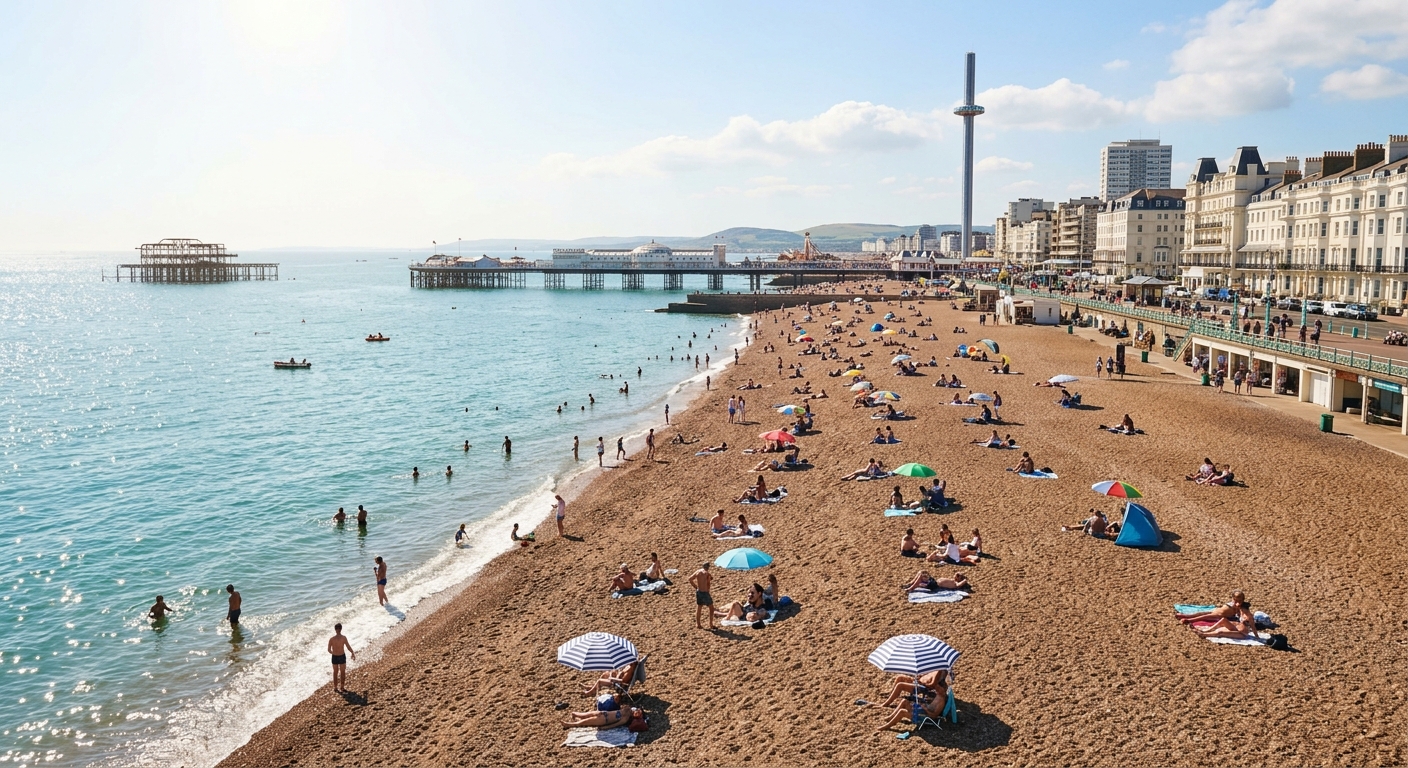
The story of the British seaside resort is one of classic boom and bust. Once the crown jewels of Victorian leisure, iconic coastal towns like Blackpool, Skegness, and Great Yarmouth served as the primary retreat for millions of working-class families.
Today, many of these resorts face severe economic decline, struggling with issues ranging from shifting holiday habits to deep-rooted structural isolation.
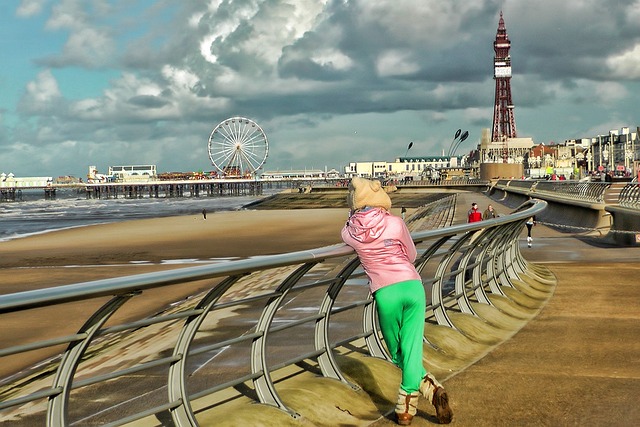
Several key factors drive the decline of the UK seaside resort:
The Rise of Cheap Package Holidays
The turning point began in the 1970s with the boom of budget commercial aviation and package holiday operators. Suddenly, a week in sunny Spain or Greece became as affordable as a rain-slicked week in Scarborough or Clacton.
Unpredictable British weather, combined with guaranteed Mediterranean sunshine, led generations of holidaymakers to abandon domestic coastlines for guaranteed summer heat abroad.
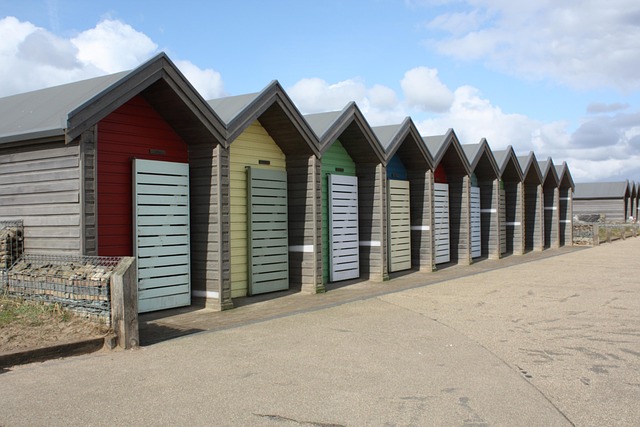
Geographic and Transport Isolation
Most coastal towns suffer from being geographically “at the end of the line”. Unlike inland towns that sit along central transit corridors or major highways, seaside resorts only draw traffic from one direction.
Poor road links and infrequent, expensive rail services make commuting to major economic hubs difficult, discouraging modern businesses from investing in these areas.
Seasonal and Fragile Economies
Seaside economies historically rely on tourism, hospitality, and seasonal entertainment—industries that peak for a few summer months and dry up for the rest of the year. The abundance of low-wage, zero-hours, or part-time work creates persistent underemployment.
As traditional industries like fishing and shipping faded alongside domestic tourism, few alternative sectors emerged to replace them.
Housing and Demographic Shifts
The decline created a severe housing mismatch. Grand Victorian hotels and guesthouses, no longer viable for tourists, were frequently converted into low-cost Houses in Multiple Occupation (HMOs) or cheap private rentals.
This attracted highly transient, low-income populations while prompt statutory support services struggled to keep up. Concurrently, coastal areas have seen a steady “brain drain,” with young people leaving for better educational and career opportunities inland, leaving behind ageing demographics.
A Story of Contrasts
While classic, large-scale amusement resorts have struggled, the narrative is not entirely uniform across the UK coast:
| Resort Type | Core Examples | Modern Status | Primary Economic Drivers |
| Traditional Mass Tourism | Blackpool, Skegness, Clacton | High deprivation, struggling with seasonal reliance | Arcades, budget staycations, local hospitality |
| Pivoted / Heritage Towns | Whitstable, Margate, St Ives | Gentrified, growing tourist interest | Boutique retail, art galleries, high-end gastronomy |
| Commuter & University Hubs | Brighton, Bournemouth | Economically resilient, higher property values | Tech, higher education, remote work, London links |
Reversing this decline requires moving past the illusion that tourism alone can sustain these communities year-round.
True revitalisation depends on improved digital and transport infrastructure, diversifying local employment into sectors like renewable energy, and investing directly in education and health services for permanent residents.
Info
Beyond the Price Tag: 10 Best Free Attractions in the UK
From world-class national galleries to ancient landscapes and open-air history, the UK boasts some of the richest free-entry attractions
10 Best Free Attractions in the UK
Travelling around the United Kingdom doesn’t have to drain your wallet. From world-class national galleries to ancient landscapes and open-air history, the UK boasts some of the richest free-entry attractions anywhere in the world.
Whether you’re a history buff, an art lover, or a wilderness seeker, here are 10 of the absolute best free attractions to add to your UK itinerary:
1. The British Museum (London, England)
Holding over two million years of human history and culture under its stunning glass-and-steel Great Court roof, the British Museum remains a crown jewel of UK tourism. You can view world-renowned artefacts—including the Rosetta Stone, Egyptian mummies, and Parthenon Sculptures—without spending a single penny on general entry.
- Highlight: Seeing the Rosetta Stone up close.
2. St Fagans National Museum of History (Cardiff, Wales)
Located in 100 acres of beautiful parkland just outside Cardiff, St Fagans is one of Europe’s leading open-air museums. More than forty historic buildings—from medieval churches and traditional farmhouses to historic schoolhouses—have been meticulously re-erected here from across Wales.
- Highlight: Watching traditional craftsmen like blacksmiths and clog-makers hard at work.
3. Arthur’s Seat & Holyrood Park (Edinburgh, Scotland)
Dominating the skyline of Scotland’s historic capital, Arthur’s Seat is an extinct volcano towering right in the middle of Edinburgh. The hike up through Holyrood Park takes a bit of energy, but the 360-degree panoramic views across the city, the Firth of Forth, and the surrounding countryside are priceless.
- Highlight: Reaching the summit at golden hour for incredible photography opportunities.
4. Kelvingrove Art Gallery and Museum (Glasgow, Scotland)
Housed in a grand Spanish Baroque red-sandstone building, Kelvingrove features 22 stunning galleries filled with everything from natural history to European fine art. It is regularly voted one of Scotland’s top attractions and is completely free to enter.
- Highlight: Salvador Dalí’s famous painting Christ of Saint John of the Cross and the Spitfire plane suspended from the ceiling.
5. National Railway Museum (York, England)
A paradise for train enthusiasts and history lovers alike, the National Railway Museum in York is home to the UK’s national collection of historic railway vehicles. Walk alongside giants of engineering that shaped the modern world.
- Highlight: Standing next to the Mallard (the world’s fastest steam locomotive) and stepping inside Japanese Bullet Trains.
6. Giant’s Causeway (Antrim, Northern Ireland)
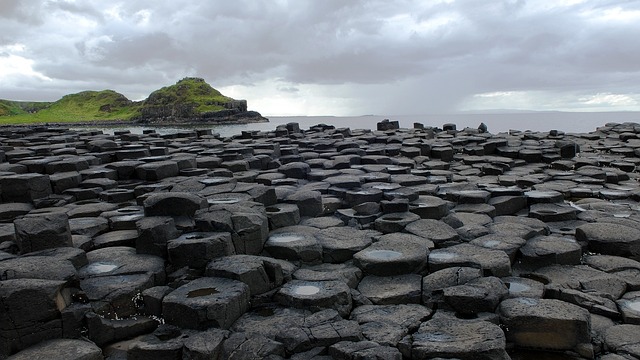
A UNESCO World Heritage Site, Northern Ireland’s Giant’s Causeway is made up of roughly 40,000 interlocking basalt columns formed by ancient volcanic activity—or created by the legendary giant Finn McCool! While the visitor centre exhibition charges an admission fee, walking along the coastal path and visiting the stones themselves is totally free via public footpaths.
- Highlight: Scrambling over the unique hexagonal stones along the rugged Atlantic shoreline.
7. Natural History Museum (London, England)
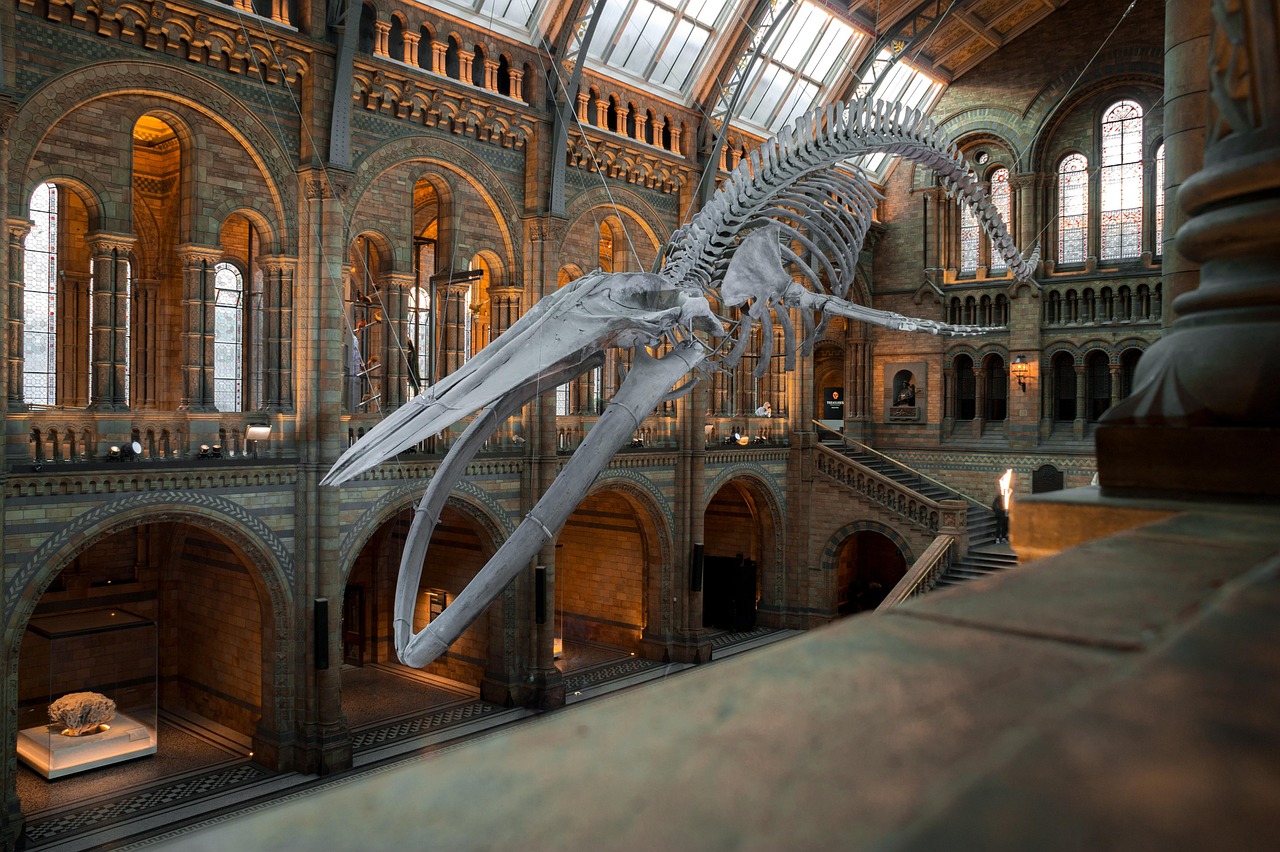
Step into the soaring Hintze Hall and gaze up at ‘Hope’—the massive blue whale skeleton hanging from the ceiling—and you’ll quickly realise why London’s Natural History Museum is legendary. Packed with millions of specimens, interactive dinosaur exhibits, and earthquake simulators, it makes for a world-class day out.
- Highlight: Walking through the world-famous Dinosaur Gallery.
8. Durham Cathedral (Durham, England)
Perched high on a rocky promontory overlooking the River Wear, Durham Cathedral is widely considered one of the finest examples of Norman architecture in Europe. Film fans will also recognise its picturesque cloisters, which doubled as the snow-covered quadrangle at Hogwarts in the early Harry Potter movies.
- Highlight: Taking in the awe-inspiring stone vaulted ceilings of the nave.
9. Tate Modern (London, England)
Situated in the iconic former Bankside Power Station right on the River Thames, Tate Modern houses the UK’s national collection of modern and contemporary art. Explore vast installations in the iconic Turbine Hall alongside works by artists like Picasso, Rothko, and Warhol.
- Highlight: The towering space of the Turbine Hall and views across the Millennium Bridge to St. Paul’s Cathedral.
10. Yorkshire Sculpture Park (Wakefield, England)
Combining vast open countryside with world-class contemporary art, the Yorkshire Sculpture Park offers over 500 acres of fields and rolling woodlands dotted with massive outdoor sculptures. Featuring works by Henry Moore, Barbara Hepworth, and Damien Hirst, it turns an ordinary walk into an outdoor art adventure.
- Highlight: Wandering through open fields surrounded by giant Henry Moore bronzes.
Quick Tip Before You Go
While general admission to all these spots is free, special temporary exhibitions often require paid tickets. It is also recommended to book a free timed-entry ticket online in advance for major London museums to skip the queues!
Info
10 booze driven holiday destinations in the world
Whether you’re looking to hit mega-clubs, go on a budget-friendly beach crawl, or embark on a culture-focused tasting tour, here are 10 top booze-driven holiday destinations

Whether you’re looking to hit mega-clubs, go on a budget-friendly beach crawl, or embark on a culture-focused tasting tour, here are 10 top booze-driven holiday destinations around the world:
1. Ibiza, Spain
- The Vibe: The world’s ultimate party capital.
- The Booze Scene: Known for world-renowned superclubs like Pacha and Amnesia, luxury beach clubs, and legendary sunset strip bars in San Antonio. Expect top-tier cocktails and high-energy nightlife powered by international DJs.

2. Magaluf (Mallorca), Spain
- The Vibe: High-octane, budget-friendly sun & pub crawling.
- The Booze Scene: Famous for its mega-strip packed with neon-lit bars, bottomless drink deals, pub crawls, and wild boat parties targeted at young, high-energy holidaymakers.
3. Prague, Czech Republic
- The Vibe: The beer capital of Europe.
- The Booze Scene: The Czech Republic consumes more beer per capita than any other country in the world. Prague offers dirt-cheap Pilsner Urquell, historic beer halls, late-night pub crawls, and underground clubs.
4. Kentucky Bourbon Trail, USA
- The Vibe: Classic Southern heritage & spirit tasting.
- The Booze Scene: Spanning Louisville, Lexington, and Bardstown, this destination features over 40 iconic distilleries (including Maker’s Mark and Jim Beam) where you can spend days touring warehouses and sampling rare whiskeys.
5. Dublin, Ireland
- The Vibe: Legendary pub culture & traditional hospitality.
- The Booze Scene: Centred around the famous Temple Bar district and historical spots like the Guinness Storehouse and the Jameson Distillery. Dublin’s charm lies in pint-fueled singalongs and cosy, historic taverns.
6. Munich, Germany
- The Vibe: Bavarian tradition and beer hall culture.
- The Booze Scene: Home to the world-famous Oktoberfest, Munich is built for beer lovers. Year-round, visitors flock to giant beer halls like the Hofbräuhaus for massive litre glass mugs (Maß) of traditional Bavarian lagers.

7. Cancun & Cabo San Lucas, Mexico
- The Vibe: All-inclusive beach resort indulgence.
- The Booze Scene: Synonymous with endless Margaritas, Tequila shots, and free-flowing poolside bars. From Spring Break-style beach clubs to relaxing all-inclusive resorts, tropical cocktails flow constantly here.
8. Budapest, Hungary
- The Vibe: Quirky, bohemian night scenes.
- The Booze Scene: Famous for its “Ruin Bars”—abandoned World War II-era buildings and courtyards transformed into eccentric drinking dens (like Szimpla Kert)—alongside budget-friendly local beers, Palinka fruit brandy, and nighttime Danube booze cruises.
9. Ayia Napa, Cyprus
- The Vibe: Non-stop summer beach & clubbing resort.
- The Booze Scene: Boasting a high concentration of bars and clubs surrounding its central square, Ayia Napa features wild foam parties, international guest DJs, and endless drink promos along its sun-soaked beaches.
10. Mendoza, Argentina
- The Vibe: Scenic, laid-back wine tourism.
- The Booze Scene: Nestled at the foot of the Andes, Mendoza produces world-class Malbec. Visitors rent bicycles or book private drivers to hop between stunning vineyard estates (bodegas) for multi-course wine pairings and cellar tours.

Premier League Matchday 8

November PlayStation Plus Lineup


You must be logged in to post a comment Login