
Food
How not to miss meat
Even if your reasons for adopting a vegetarian lifestyle are moral, ethical, or religious, it’s common to miss the taste of meat

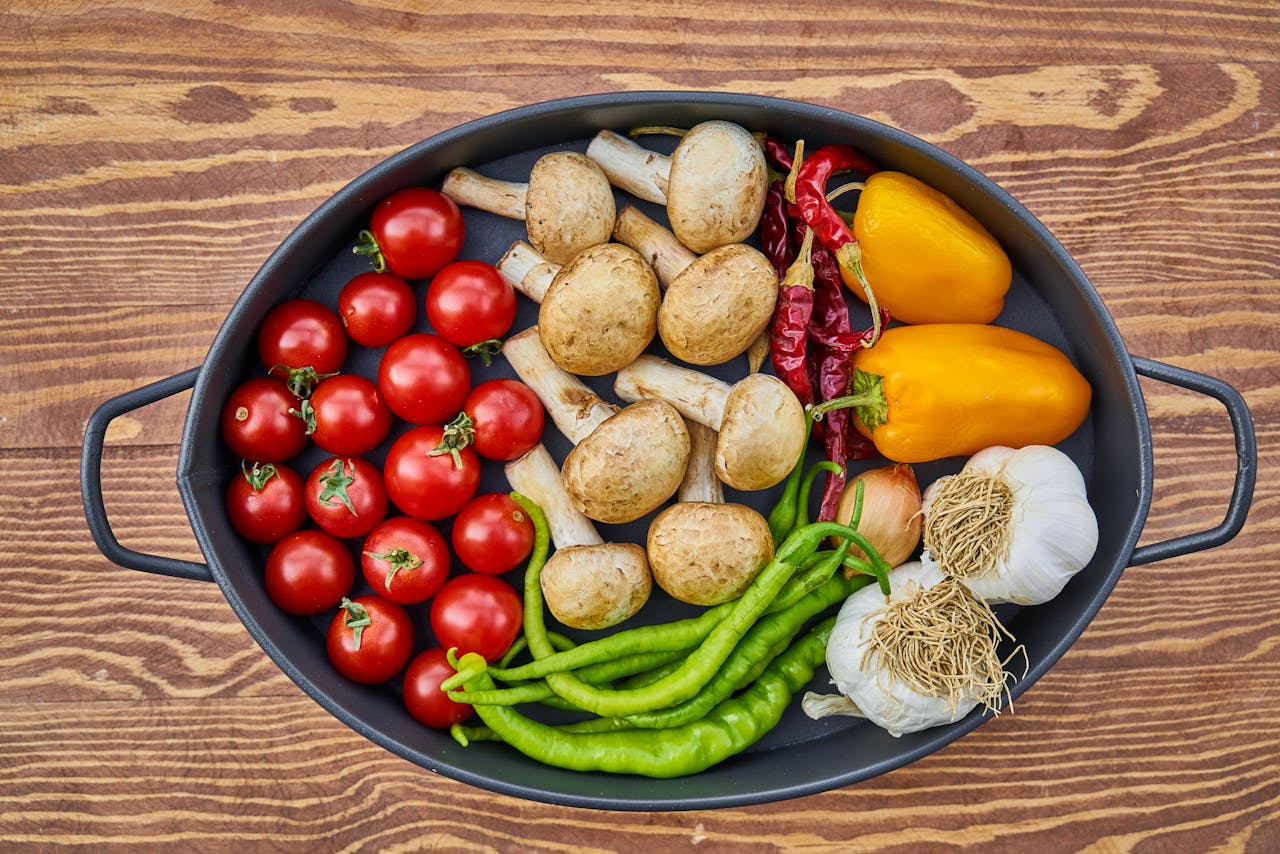
Even if your reasons for adopting a vegetarian lifestyle are moral, ethical, or religious, it’s common to miss the taste of meat, especially when you first transition to vegetarianism. The first rule to remember is: don’t feel guilty about that. Enjoying meat doesn’t make you a bad person. After all, many of us were raised eating pork, chicken, beef, and other meats, and if our parents didn’t have concerns about meat consumption, that upbringing likely influences our current preferences.
The good news is that there are plenty of meat substitutes and delicious recipes that allow you to eliminate meat from your diet without feeling like you’re missing out. Additionally, vegetarian eating tends to be healthier than a diet that includes meat. Meat often carries a higher incidence of calories and fats that can be harder for your body to digest, so switching to a meatless lifestyle can be beneficial for your health. One way to enjoy the essence of meat while eliminating actual animal products is to use meat substitutes in traditional meals.
Many restaurants offer veggie burgers that provide the familiar taste and experience of a hamburger while remaining entirely vegetarian. By shopping at markets and grocery stores that support vegetarian lifestyles, you’ll often find traditional meat meals prepared without any actual meat—helping you to move past the craving for that source of protein. A staple in vegetarian meal planning is tofu. Made from soybeans, tofu is a completely natural food that fits well into a vegetarian diet. It is rich in protein and serves as a versatile ingredient in many vegetarian recipes because it absorbs the flavours of other foods and herbs.
Tofu works well in dishes that use sauces and can almost be mistaken for meat. As you build your library of vegetarian recipes designed to omit meat, you will likely find tofu featured prominently. This is because it adapts well to various cooking methods such as grilling, baking, and sautéing. Just be sure to take the time to dry your tofu by placing it on a towel to remove excess moisture before cooking. If your commitment to vegetarianism also entails eliminating animal products like milk and cheese, soy milk has become increasingly popular in recent years among both vegetarians and meat-eaters due to its health benefits. It’s not only delicious as a beverage but also substitutes well for milk in many recipes.
To replace animal-based cheese in your diet, consider trying a product called Tofutti. They offer a range of vegan cheeses, including cheddar and mozzarella, allowing you to enjoy those flavours with a clear conscience. You can also find great substitutes for yoghurt made from tofu or soy milk, so you don’t have to entirely forgo popular tastes. Tofu is such an excellent meat substitute and nutritional source that you can even use it in traditional egg dishes like quiches, custards, or omelettes. By blending pureed tofu into your recipes, you could serve an egg dish to even the most dedicated meat lover without them realising it’s vegetarian.
As you continue to explore vegetarian cooking, you’ll discover a variety of other meat replacements that work well in different contexts. Tempeh, for example, is made from fermented soybeans. It can be braised in a sauce for about an hour, then fried in flour and served with a flavourful sauce for a satisfying dish. Making the transition to a vegetarian lifestyle involves learning how to substitute healthy alternatives, as we’ve discussed, in order to eliminate meat and meat products from your diet. While it may require some time and effort, this journey can be enjoyable as you reinvent your cooking and shopping to embrace your new passion for vegetarian eating.


Food
French Onion Soup: A Simple But Hearty Meal
Prep time: 15 mins | Cook time: 1 hr 15 mins | Servings: 4
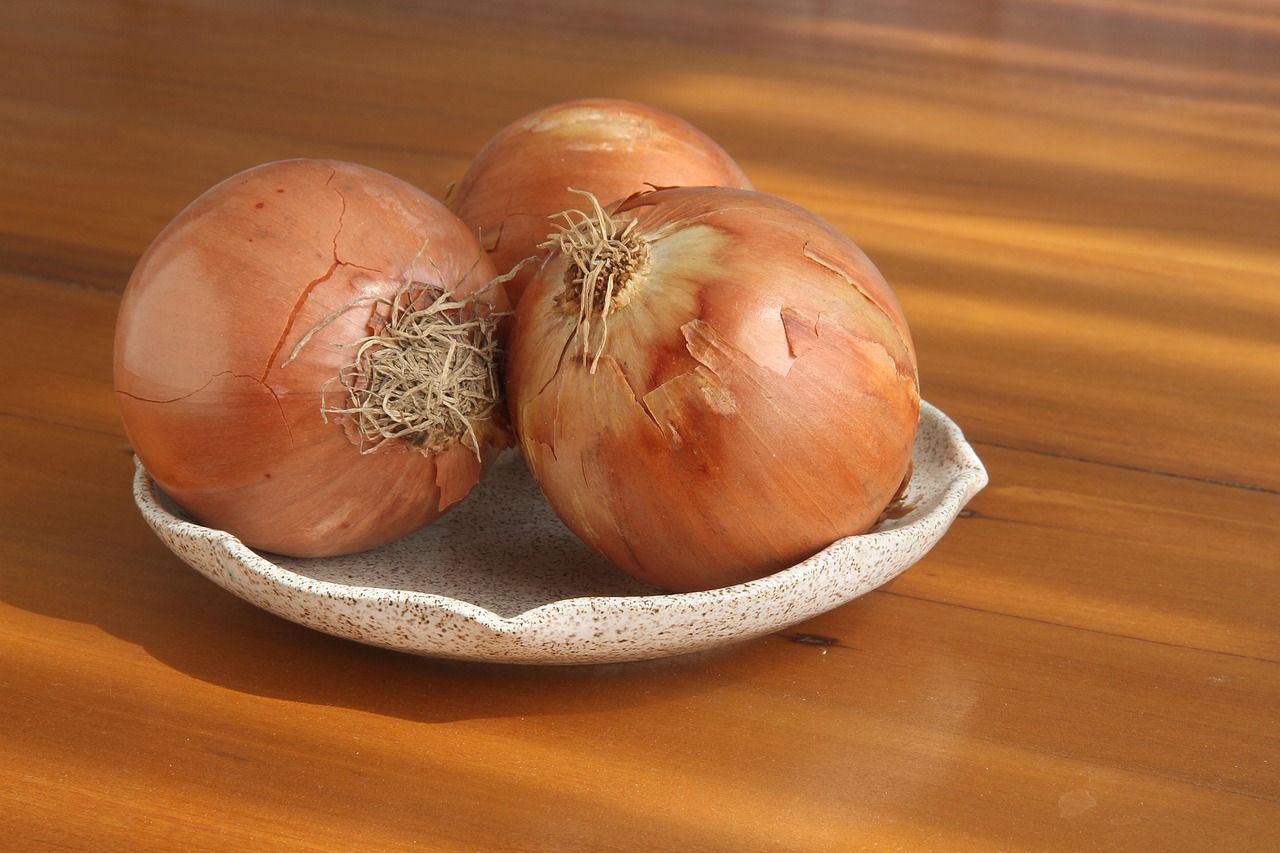
French Onion Soup
Prep time: 15 mins | Cook time: 1 hr 15 mins | Servings: 4
Ingredients
- Onions: 1.5 kg (about 3–4 large) yellow or sweet onions, thinly sliced
- Butter: 4 tbsp unsalted butter
- Garlic: 2 cloves, minced
- Flour: 2 tbsp all-purpose flour
- Stock: 1.5 litres (6 cups) good-quality beef stock (or combination of beef and chicken stock)
- Wine: 120 ml (1/2 cup) dry white or red wine (e.g., Sauvignon Blanc or Pinot Noir)
- Herbs: 2 sprigs fresh thyme, 1 bay leaf
- Topping: 1 baguette (sliced), 200g Gruyère cheese (grated), 1 clove garlic for rubbing bread
- Seasoning: Salt and freshly cracked black pepper to taste

Instructions
- Caramelise the Onions: Melt butter in a large Dutch oven or heavy-bottomed pot over medium heat. Add sliced onions and a pinch of salt. Cook, stirring occasionally, until soft and deeply golden brown (40–50 minutes). Lower heat if onions begin to burn.
- Build the Base: Add minced garlic and cook for 1 minute until fragrant. Stir in flour and cook for 2 minutes to remove the raw flour taste.
- Deglaze & Simmer: Pour in the wine, scraping up browned bits from the bottom of the pot. Add beef stock, thyme sprigs, and bay leaf. Bring to a boil, then reduce heat and simmer uncovered for 20 minutes. Season with salt and pepper. Remove bay leaf and thyme sprigs.
- Prepare the Toast: Preheat oven to 200°C (400°F). Lightly toast baguette slices on a baking sheet until crisp (around 6–8 minutes). Rub each slice with a cut garlic clove.
- Melt the Cheese: Ladle soup into oven-safe bowls. Top each with 1–2 toasted bread slices and a generous pile of grated Gruyère. Broil on high for 3–4 minutes until cheese is melted, bubbly, and lightly browned. Serve immediately.
- Alternative Recipe
Food
Make Your Own Fresh Tomato Soup From Tomatoes
Roasting fresh tomatoes concentrates their natural sugars and caramelises the garlic, creating a deep, savoury flavour profile without the need for canned paste.

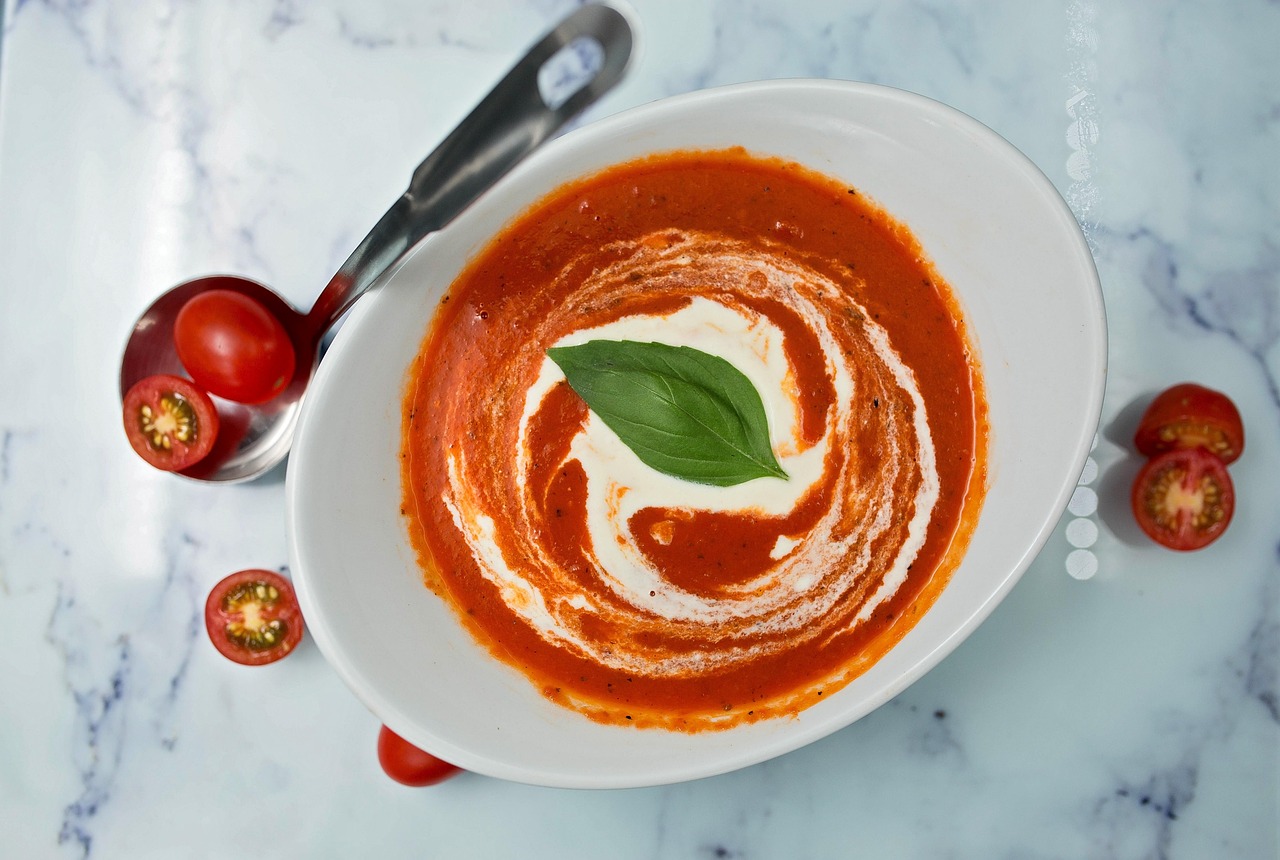
Roasting fresh tomatoes concentrates their natural sugars and caramelises the garlic, creating a deep, savoury flavour profile without the need for canned paste.
Ingredients
- 3 lbs (1.4 kg) ripe tomatoes (Roma or vine-ripened), halved
- 1 medium yellow onion, quartered
- 1 whole head of garlic, top sliced off to expose cloves
- 3 tbsp olive oil
- 2 cups vegetable or chicken broth
- 1/2 cup fresh basil leaves, packed
- 1/4 cup heavy cream (optional, for richness)
- Salt & black pepper to taste

1. Roast the vegetables: Preheat oven to 400°F (200°C).
Arrange halved tomatoes, quartered onion, and the garlic head on a large baking sheet. Drizzle generously with olive oil, salt, and pepper. Roast for 35–40 minutes until tomatoes are soft and slightly charred.
2. Simmer with broth:
Squeeze the roasted garlic cloves out of their skin into a large pot. Add the roasted tomatoes, onion, accrued pan juices, fresh basil, and broth. Bring to a gentle simmer for 10 minutes.
3. Blend until smooth:
Use an immersion blender directly in the pot (or transfer to a high-speed countertop blender) and puree until silky smooth.
4. Finish and season:
Stir in the heavy cream if using. Taste and adjust seasoning with additional salt, pepper, or a pinch of sugar if your tomatoes are overly acidic. Serve hot with grilled cheese or crusty bread.
Try an alternative recipe below.
Food
The traditional Lancashire Butter Pie
The traditional Lancashire Butter Pie is pure British comfort food at its finest. Originally created in Lancashire.
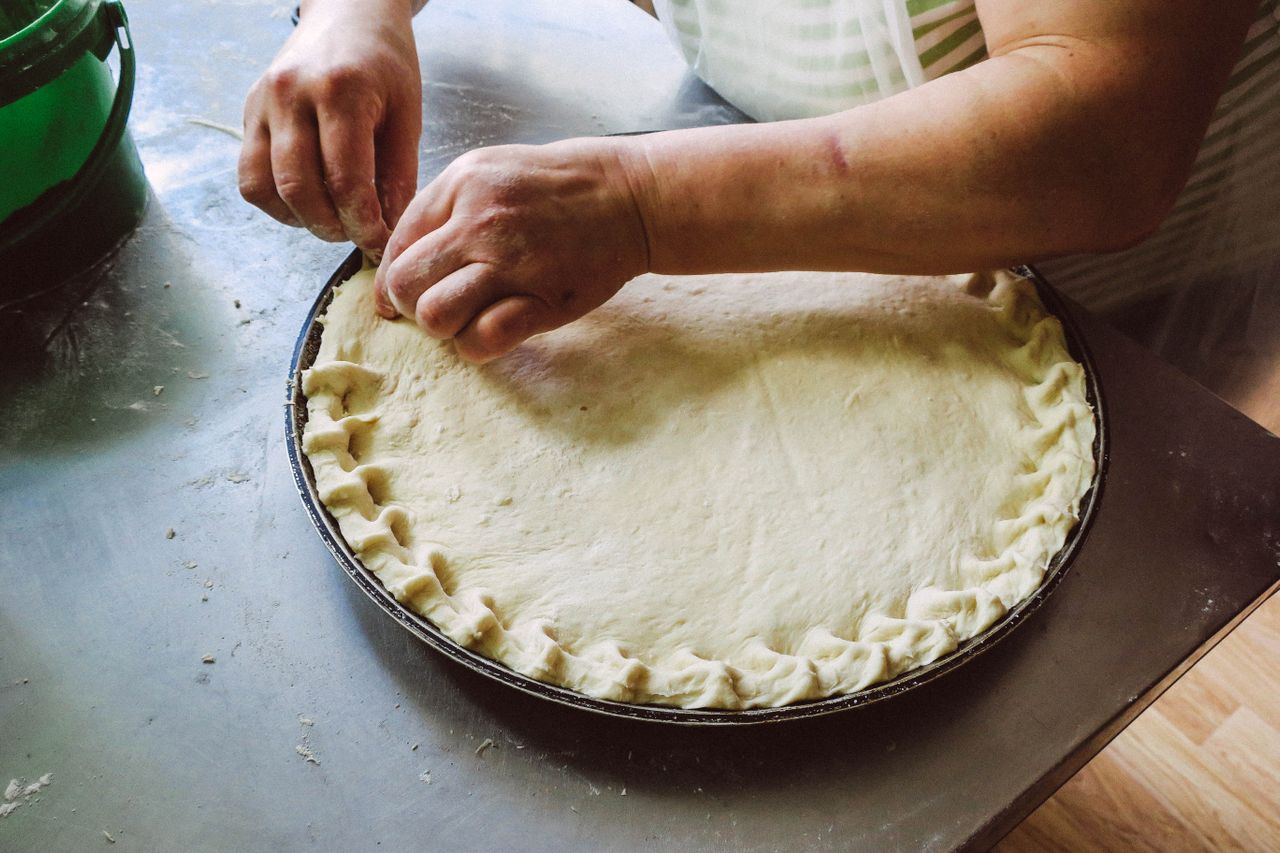
The traditional Lancashire Butter Pie is pure British comfort food at its finest. Originally created in Lancashire for Catholics abstaining from meat on Fridays, it features tender sliced potatoes, sweet softened onions, and plenty of butter encased in crisp, golden pastry.
Ingredients
- For the Pastry:
- 300g (2½ cups) plain/all-purpose flour
- 150g (11 tbsp) cold unsalted butter, cubed
- Pinch of salt
- 4-5 tbsp ice-cold water
- 1 egg (beaten, for egg wash)
- For the Filling:
- 600g (approx. 3-4 large) Maris Piper or King Edward potatoes, peeled & thinly sliced (~3mm)
- 2 large yellow onions, thinly sliced
- 75g (5½ tbsp) salted butter, cut into small pats
- Salt & freshly cracked black pepper to taste

Instructions:
1.Prep & parboil the potatoes:10 mins.
Bring a large pot of salted water to a boil. Drop in your sliced potatoes and simmer for 4 to 5 minutes, until just starting to soften but not fall apart. Drain thoroughly and set aside to cool slightly.
2. Soft-sweat the onions:10 mins.
In a skillet, melt 15g (~1 tbsp) of the butter over medium-low heat. Add the sliced onions with a pinch of salt and cook gently until soft and translucent (about 8–10 minutes). Do not brown them; you want soft, sweet onions.
3. Make the shortcrust pastry:15 mins.
In a bowl, rub the cold cubed butter into the flour and salt using your fingertips until it resembles coarse breadcrumbs. Stir in ice water 1 tbsp at a time until the dough comes together. Divide into two pieces (60% for base, 40% for lid), wrap in plastic, and chill for 20 minutes.
4. Assemble the layers:10 mins.
Preheat your oven to 200°C / 400°F. Roll out the larger dough portion to line an 8-inch (20cm) pie dish. Fill with alternating layers of parboiled potatoes, soft onions, pats of remaining butter, and generous seasoning of salt and black pepper.
5. Cover, brush, & bake:35-40 mins.
Roll out the remaining pastry to cover the pie. Crimp the edges to seal, cut a small slit in the centre for steam, and brush the top generously with egg wash. Bake for 35–40 minutes until deep golden brown.
Pro Tip: Let the pie rest for 10–15 minutes before slicing. This allows the hot butter and potato starches to settle so your slice holds its shape perfectly. Traditionally served hot alongside pickled red cabbage or beetroot!

So What’s The ECHR All About?

Has Sony Shot Themselves In The Foot

Backlash as Sony and its staff take abuse.


-

 Entertainment2 weeks ago
What’s on Netflix this September 26
-

 Info1 week ago
What is El Niño, and how does it affect us
-

 Football2 weeks ago
UK Sport News 2026: Football, Rugby, Cricket and Live Scores
-

 Environment1 week ago
Understanding Global Environmental Shift
-

 Consoles2 weeks ago
3 Free Games on PlayStation Network This Month (September 2026)
-

 Home2 weeks ago
England has a flag and is proud of it.
-

 Weather1 week ago
UK Weekend Weather For The UK
-

 Europe6 days ago
Mastering Budget Travel in Switzerland
-
 Consoles4 days ago
Backlash as Sony and its staff take abuse.
-
 Consoles2 days ago
Has Sony Shot Themselves In The Foot
-
 Government1 day ago
So What’s The ECHR All About?