
Classic Cars
The Icon of an Era: History, Specifications, and Performance of the Jaguar E-Type
When the Jaguar E-Type (sold in North America as the XK-E) debuted at the Geneva Motor Show on March 15, 1961, it reshaped the automotive landscape overnight.

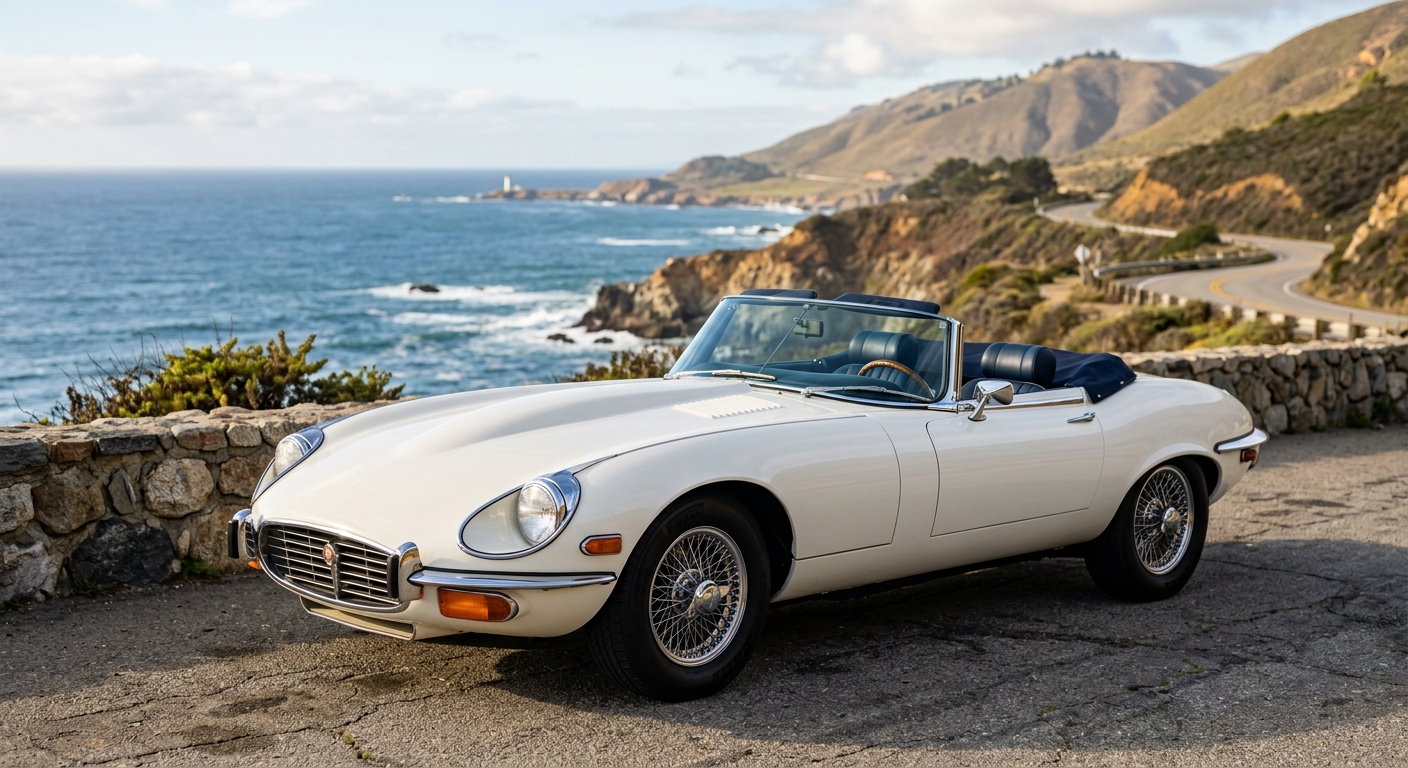
When the Jaguar E-Type (sold in North America as the XK-E) debuted at the Geneva Motor Show on March 15, 1961, it reshaped the automotive landscape overnight. Designed by aerodynamicist Malcolm Sayer using principles honed on Jaguar’s Le Mans-winning D-Type, its long bonnet, sweeping curves, and faired-in headlights famously prompted Enzo Ferrari to call it “the most beautiful car ever made.”
Beyond its striking looks, the E-Type offered supercar performance—a claimed 150 mph top speed—at a fraction of the price of contemporary Italian or British rivals.
Production Years and Generations
The E-Type was manufactured continuously from 1961 through 1974 across three distinct generations.
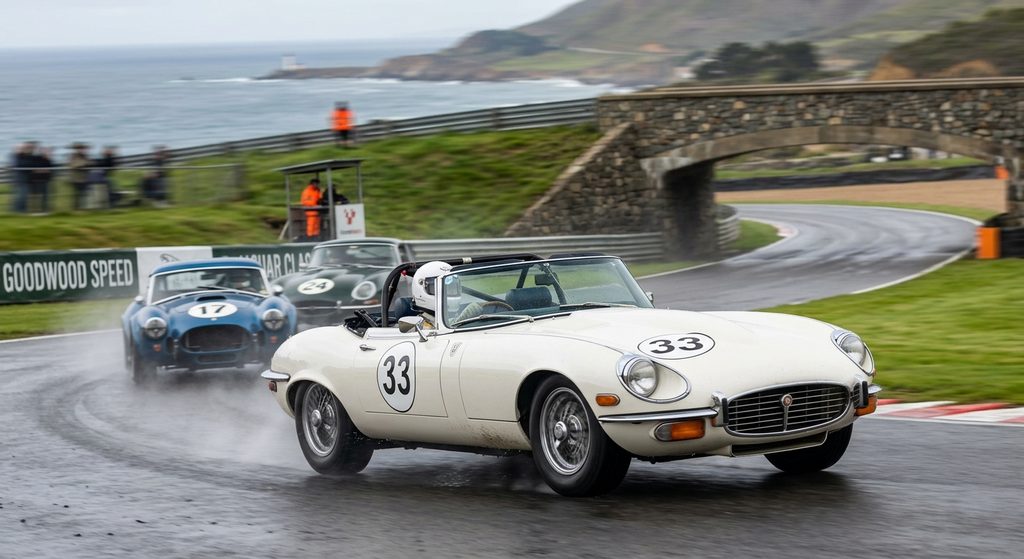
- Series 1 (1961–1968): The purest realisation of Sayer’s design, featuring glass-covered headlights, smooth body lines, and toggle switches inside. Early cars (1961–1964) utilised a 3.8-litre engine and a non-synchromesh first gear “Moss” transmission. In late 1964, Jaguar upgraded to a 4.2-litre engine and a fully synchromesh gearbox. A 2+2 coupe with an extended wheelbase arrived in 1966.
- Series 1.5 (1967–1968): A transitional, unofficial designation for cars modified to meet emerging US safety and emissions standards. Distinctive features included exposed headlights (no glass covers) and revised cabin switches.
- Series 2 (1968–1971): Fully compliant with US regulations, Series 2 models introduced open headlights, a larger front grille, wrap-around rear bumpers, twin electric cooling fans, and improved interior ergonomics.
- Series 3 (1971–1974): The final evolution saw the E-Type mature into a grand tourer. Powered by an all-new 5.3-litre V12, Series 3 cars featured a broader front grille, flared wheel arches, uprated brakes, and standard power steering. The short-wheelbase coupe was retired, leaving only the 2+2 coupe and the long-wheelbase roadster.
Technical Specifications & Performance Data
| Specification | Series 1 (3.8L) | Series 1 & 2 (4.2L) | Series 3 (5.3L V12) |
| Years Built | 1961–1964 | 1964–1971 | 1971–1974 |
| Engine Type | 3.8L Inline-6 (XK) | 4.2L Inline-6 (XK) | 5.3L V12 |
| Displacement | 3,781 cc | 4,235 cc | 5,343 cc |
| Horsepower | ~265 bhp @ 5,500 rpm | ~265 bhp @ 5,400 rpm | ~272 bhp @ 5,850 rpm |
| Torque | ~260 lb-ft @ 4,000 rpm | ~283 lb-ft @ 4,000 rpm | ~304 lb-ft @ 3,600 rpm |
| Transmission | 4-speed manual | 4-speed manual / 3-speed auto (2+2) | 4-speed manual / 3-speed auto |
| 0–60 mph Time | ~6.9 seconds | ~6.5 seconds | ~6.4 seconds |
| Top Speed | ~150 mph (241 km/h) | ~150 mph (241 km/h) | ~145 mph (233 km/h) |
| Curb Weight | ~2,900 lbs (1,315 kg) | ~3,020 lbs (1,370 kg) | ~3,360 lbs (1,525 kg) |
Engineering Innovations
The E-Type’s legendary performance was built on three foundational technologies advanced for their time:
- Monocoque Construction: Unlike the heavy ladder-frame chassis common in 1961, the E-Type used a lightweight central monocoque tub attached to a tubular steel front subframe carrying the engine and front suspension.
- Independent Rear Suspension (IRS): Designed by Bob Knight, Jaguar’s IRS used double wishbones, twin coil springs, and inboard disc brakes. This system delivered unmatched road-holding and ride quality, remaining a Jaguar hallmark for decades.
- Four-Wheel Disc Brakes: Standard servo-assisted disc brakes on all four wheels provided stopping power far superior to the drum setups found on contemporary competitors.
Legacy
Over its 14-year production life, more than 70,000 E-Types were produced. Today, it remains a symbol of 1960s British design, held in the permanent collection at the Museum of Modern Art (MoMA) in New York as a classic piece of industrial design art.




Classic Cars
Driving Through Time: The Story of the British Motor Corporation (BMC)
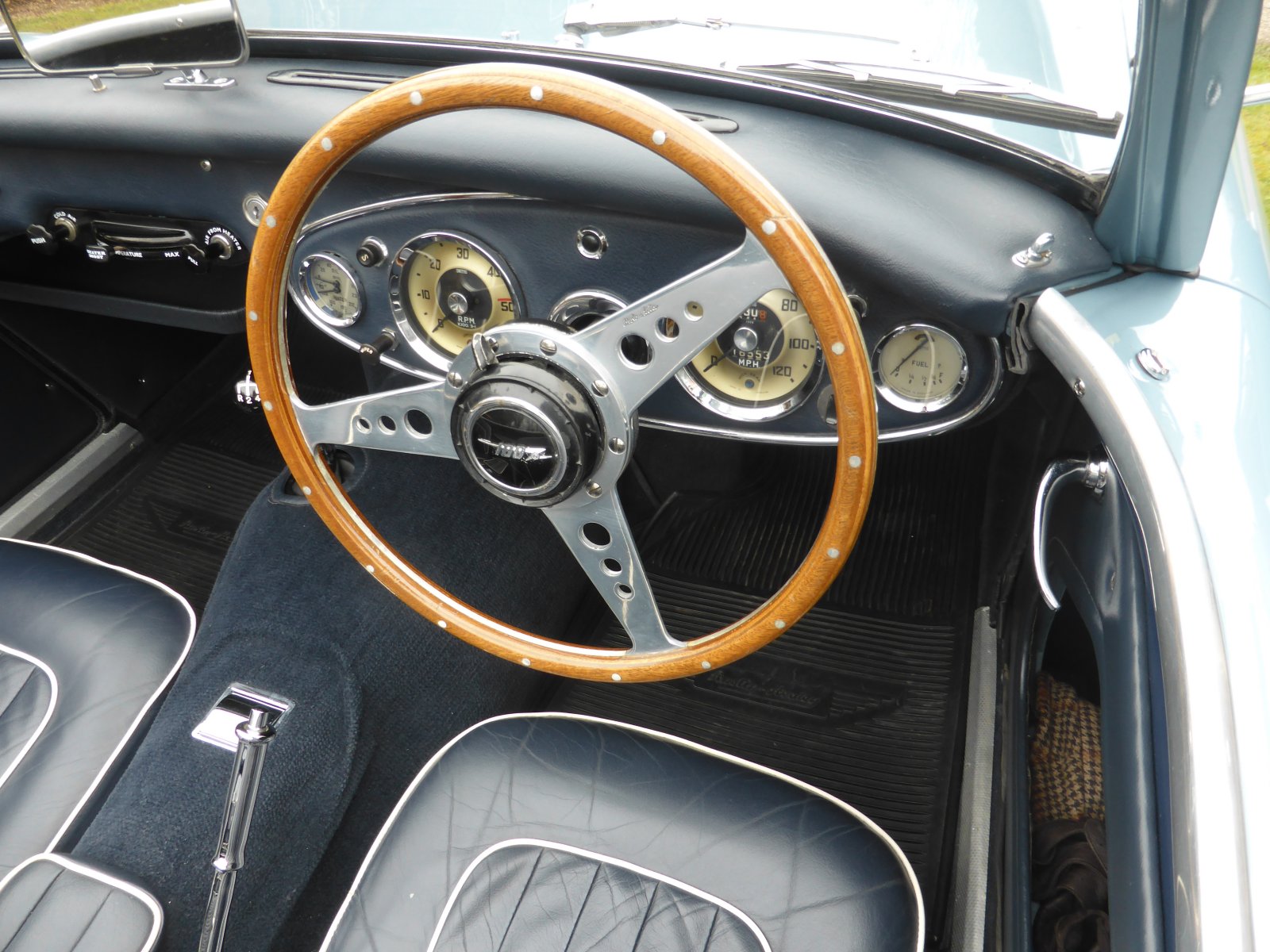
If you’ve ever admired a classic Mini nipping through city streets or swooned over a vintage Austin-Healey, you’ve crossed paths with the legacy of the British Motor Corporation BMC
The Story of the British Motor Corporation (BMC)
If you’ve ever admired a classic Mini nipping through city streets or swooned over a vintage Austin-Healey, you’ve crossed paths with the legacy of the British Motor Corporation (BMC).
Formed in the optimistic post-war era, BMC was once the beating heart of the UK automotive industry—a titan born from necessity, driven by innovation, and eventually reshaped by a changing global market.
The Birth of a Titan (1952)
In 1952, British car manufacturing reached a historic turning point. Two long-standing, fierce rivals—the Austin Motor Company and the Morris Organisation (Nuffield Organisation)—decided to join forces.
- The Goal: To pool resources, dominate the domestic market, and aggressively compete against American giants like Ford and General Motors globally.
- The Result: BMC instantly became the largest car manufacturer in Britain, controlling over 39% of the UK auto market at its peak.
Innovation and Icons: The Mini Era
The true defining moment for BMC arrived in 1959 under the brilliant mind of designer Sir Alec Issigonis.
Faced with fuel shortages caused by the Suez Crisis, BMC launched the revolution on wheels: the Mini (initially sold as both the Austin Seven and Morris Mini-Minor).
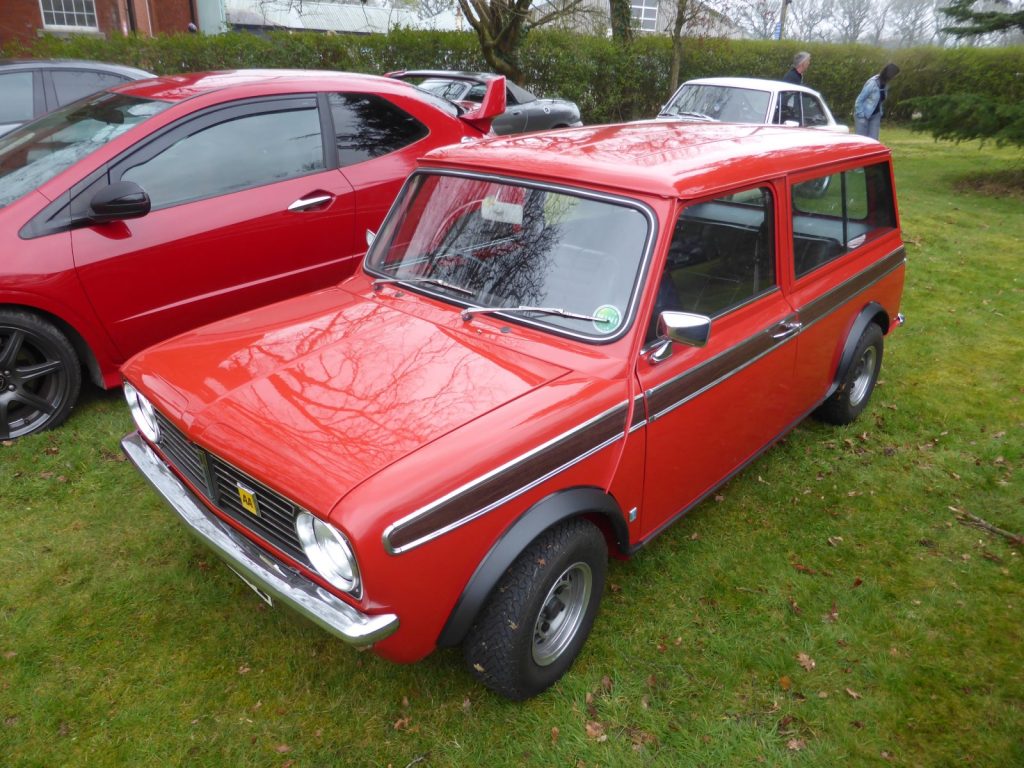
With its space-saving transverse engine and front-wheel-drive layout, the Mini didn’t just change small-car design forever—it became an enduring cultural icon of the “Swinging Sixties.” Along with affordable sports cars like the Austin-Healey Sprite and the MGB, BMC defined the British motoring aesthetic across the globe.
Mergers and the Final Lap
While BMC produced some of the world’s most beloved vehicles, it also faced internal challenges. Badge engineering (selling virtually identical cars under different brand names) created internal competition between its own dealerships, and labour unrest in the 1960s put pressure on production.
To stay competitive, BMC expanded and merged:
- 1966: BMC merged with Jaguar Cars to form British Motor Holdings (BMH).
- 1968: BMH merged with the Leyland Motor Corporation, giving birth to the sprawling state-influenced giant, British Leyland (BL).
Though the BMC name eventually faded into industrial history, its DNA paved the way for modern automotive engineering.
Every Brand Under the BMC Umbrella
Throughout its run, BMC owned, created, or manufactured vehicles under a legendary roster of marques. Here is the full list of brands that fell under the BMC umbrella:
Core Founding Brands
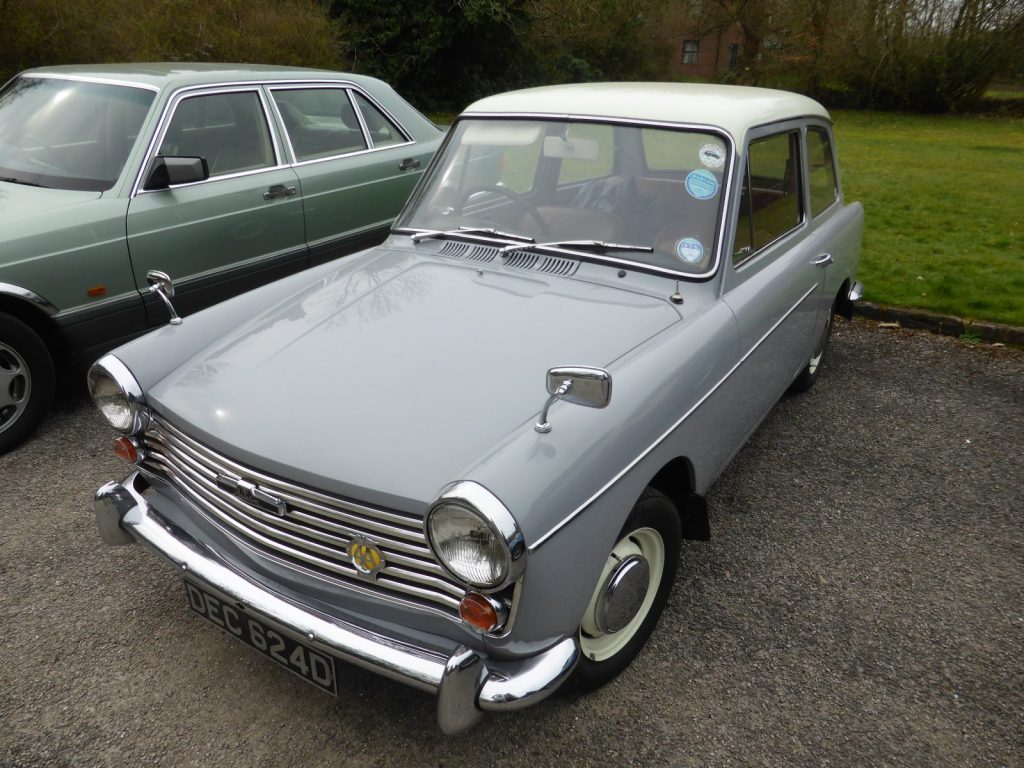
- Austin
- Morris
Nuffield / Heritage Marques
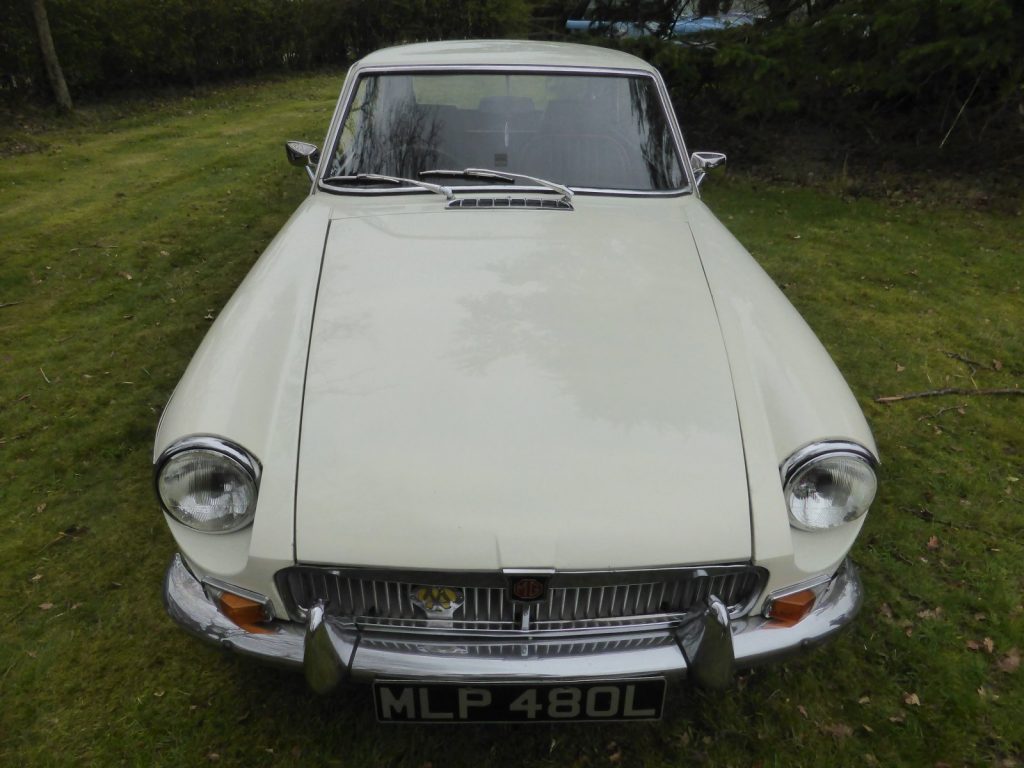
- MG (Morris Garages)
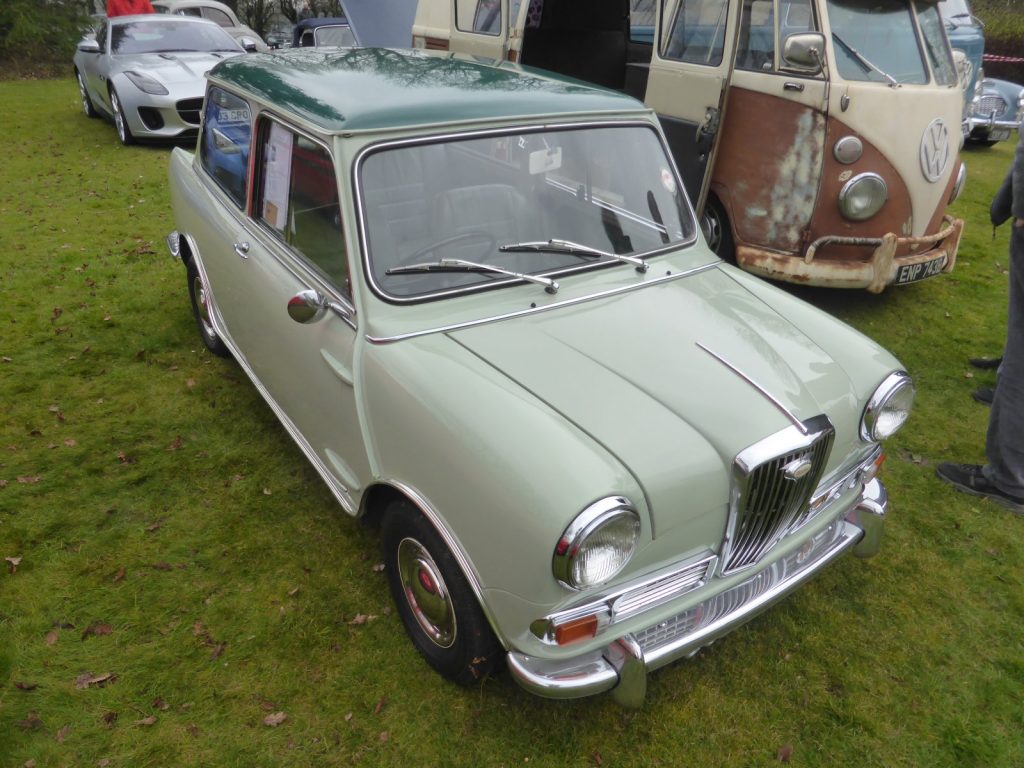
- Riley
- Wolseley
Joint-Ventures & Specialised Marques
- Austin-Healey (Specialised sports car collaboration with Donald Healey)
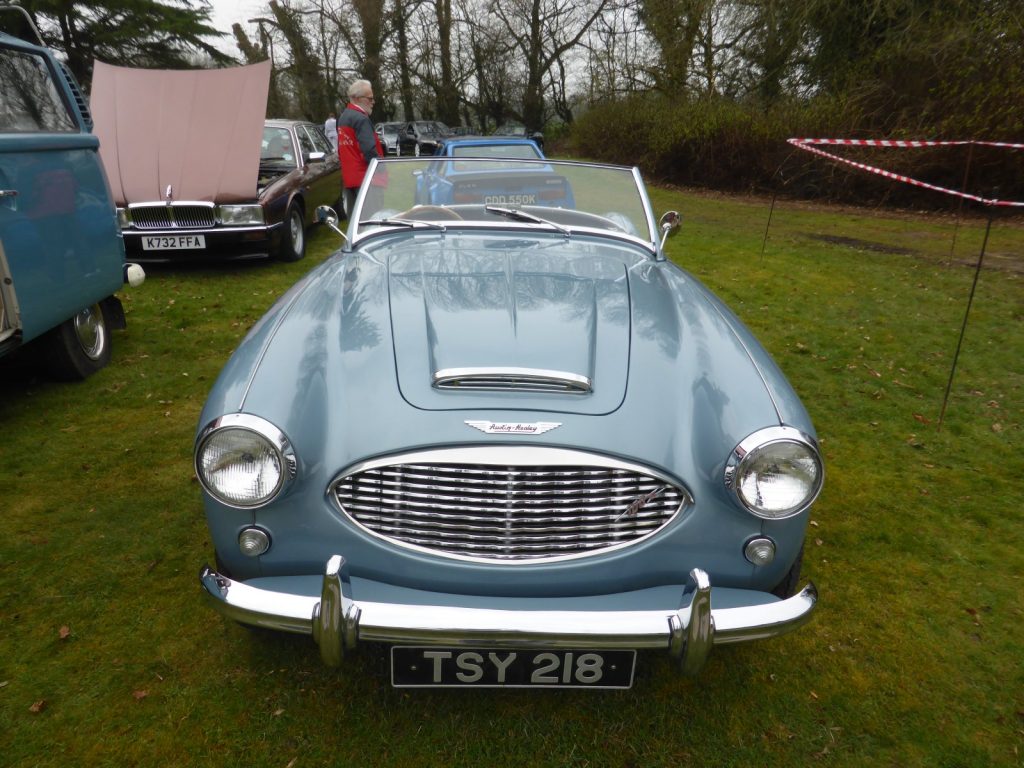
- Vanden Plas (Luxury coachbuilder arm turned high-end trim brand)
- Princess (Initially high-end Austin/Vanden Plas models before briefly becoming its own standalone marque under BL)
Commercial & Agricultural
- BMC (Used directly as a brand for commercial trucks, vans, and tractors)
- Metropolitan (Imported/marketed in collaboration with Nash/American Motors)
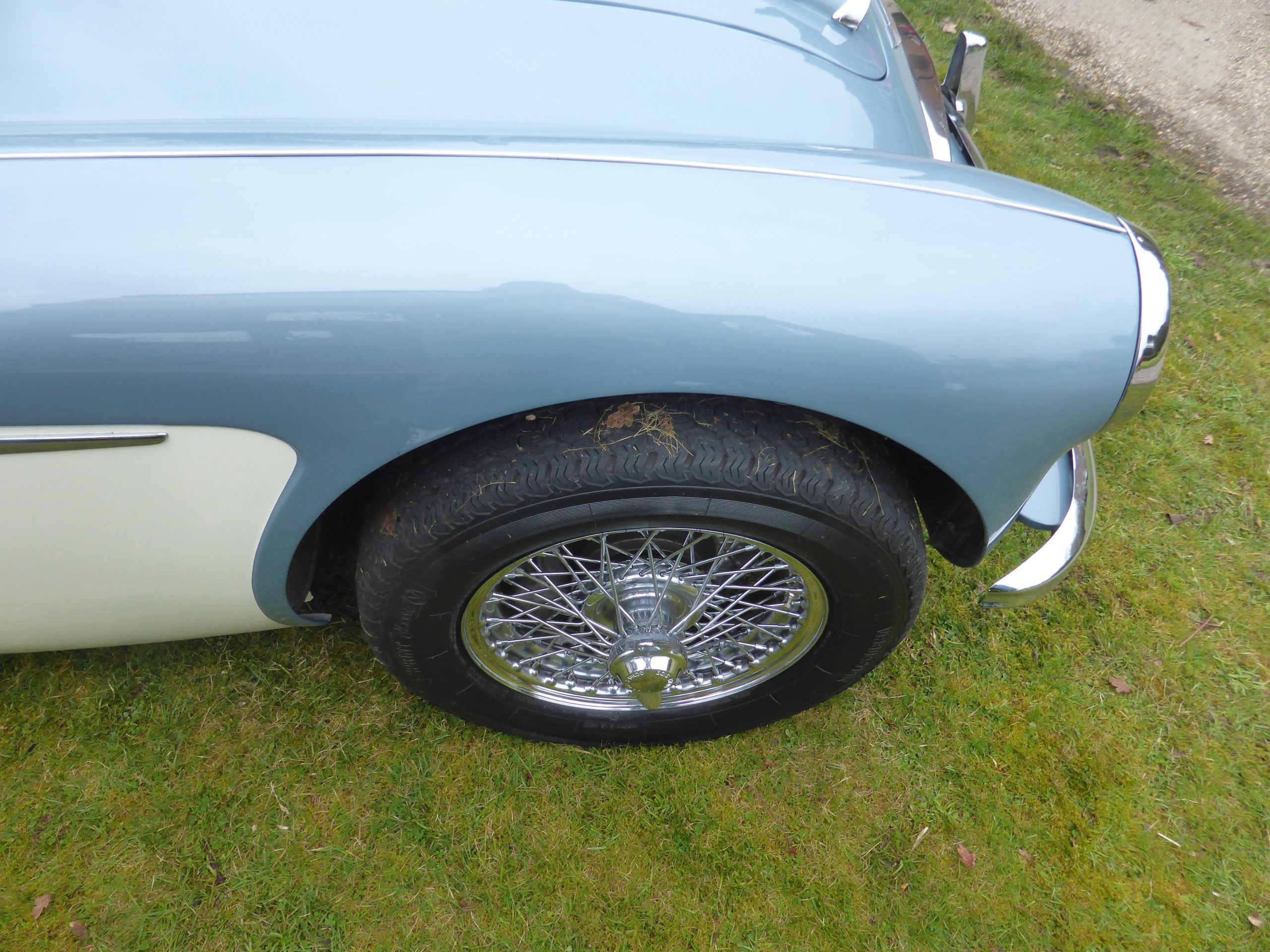
Are you a petrol head and love the thought of owning a classic car? These days it can be quite cheap to run a classic car with no Tax after 40 years old. A classic car is MOT exempt, allowing you time to make minor repairs. So, what’s involved in owning a classic or vintage car?
Looking at buying your first classic can be a minefield. These are old cars and, in their heyday, rotted away. Think about what make and model you fancy and do research on forums for that model. Start a thread where to look for rot. Some cars, like Mini or MG, have a massive following and masses of new and used spare parts.
When you view a vehicle, check everywhere. Take your time and find the rust in the areas that the forum members said. It’s not like looking at a modern car. Floors and chassis are so important to check. Because these are old cars, take a magnet and a cloth to check for filler. You wrap the magnet in a cloth and run it over paintwork. Bottom of doors, wings and arches are prone to rust.
So, you have checked the exterior and tyres, now check the interior. Check seats, belts, heater, dash and instruments. Check all electrics inside and out, lights, indicators, etc.
Now under the bonnet. It could be a dirty one, but a steam cleaner will sort that. Check the engine for oil leaks and look underneath for any. Check the engine running for rattles, knocks, or just funny noises. The suggestion is, if you know a mechanic friend, ask if they can come with you.
If possible, take it for a test drive. Most classics are not power-steered or do not have good brakes so be careful. Again, you are looking for unusual noises, pulling or squeaking.
Now, as the classic car you’re looking at is MOT exempt, you can check within reason when it was last MOT’d. Some classic owners get their cars MOT’d regularly, and some when they sell their car. It’s a bonus when you buy a car that’s got a current MOT.
Remember, though it’s an old car. You need parts availability. eBay can be a good source of scarce parts for classics. As we have said, Mini and MG parts are plentiful, new and used.
This is not a complete guide by any means, but it gives you an idea where to start.
The classic car scene is plentiful in spring and autumn. Search Google to find your local clubs, shows and most of all, enjoy your classic.
Classic Cars
Classic Car Shows
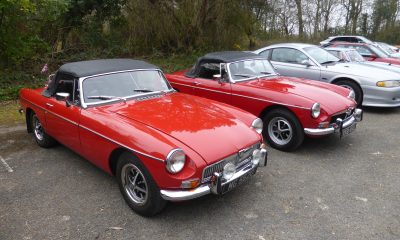
Classic car shows are as popular today as they were many years ago. There are common models of classic cars and some rare examples too.
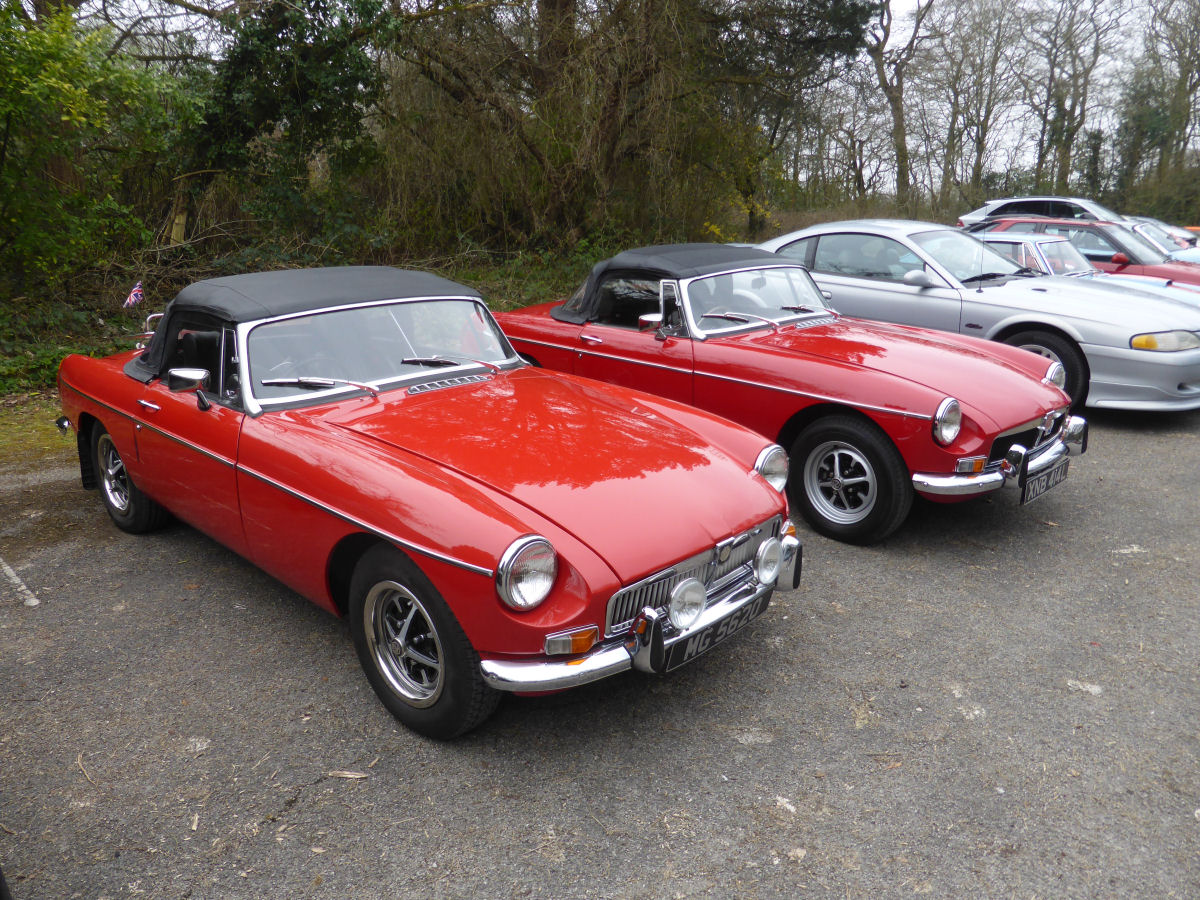
Classic car shows are as popular today as they were many years ago. There are common models of classic cars, and some rare examples, too. Many owners love to keep their cars in good condition and sometimes in pristine condition.


Keeping up with maintenance can be hard work. Parts for cars like the MGB range and BL Minis are well catered for, but other makes may require the sourcing of parts. Mechanics can also be a problem. Your local garage just doesn’t know about classic cars and how to even diagnose them. If they cannot plug a computer into the mechanics, they have no clue. What’s a carburettor?
In the UK, a car becomes Historic at 40 years old and gets some age-related benefits. Historic vehicles in the UK don’t need road tax. Tax could be £300+ a year, so that money can go on the upkeep of your vehicle. The other thing that historic cars get is that they don’t need an MOT. It’s not an excuse to drive around in a dangerous vehicle; you must keep the car in roadworthy condition or face prosecution.
So that leaves insurance. There are many companies that offer classic car insurance. It can tend to be cheaper than modern car insurance, but some companies don’t give any no-claims bonus, so check before you buy.
Anyone can enjoy owning a classic car, but remember, many can consume plenty of petrol and rust can be a problem. Also, remember there are lots of classic car meets, just search Google.

The Icon of an Era: History, Specifications, and Performance of the Jaguar E-Type

Profile of political Parties in the UK.

So What’s The ECHR All About?


-

 Info2 weeks ago
What is El Niño, and how does it affect us
-

 Environment2 weeks ago
Understanding Global Environmental Shift
-

 Weather2 weeks ago
UK Weekend Weather For The UK
-

 Europe2 weeks ago
Mastering Budget Travel in Switzerland
-

 Consoles1 week ago
Backlash as Sony and its staff take abuse.
-

 Consoles7 days ago
Has Sony Shot Themselves In The Foot
-
 Government6 days ago
So What’s The ECHR All About?
-
 Government4 days ago
Profile of political Parties in the UK.