
Holidays
British Seaside Resorts And Their Demise.
The story of the British seaside resort is one of classic boom and bust. Once the crown jewels of Victorian leisure, iconic coastal towns like Blackpool

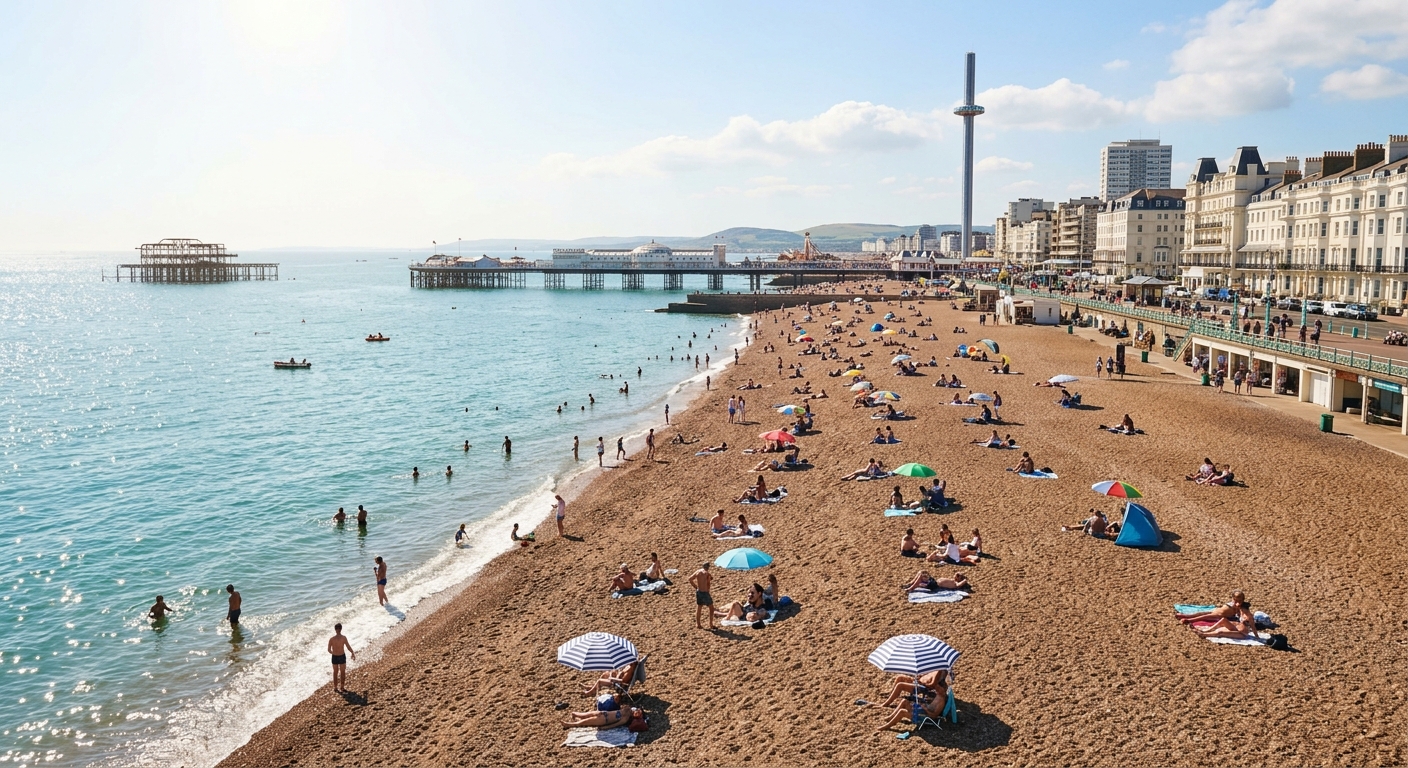
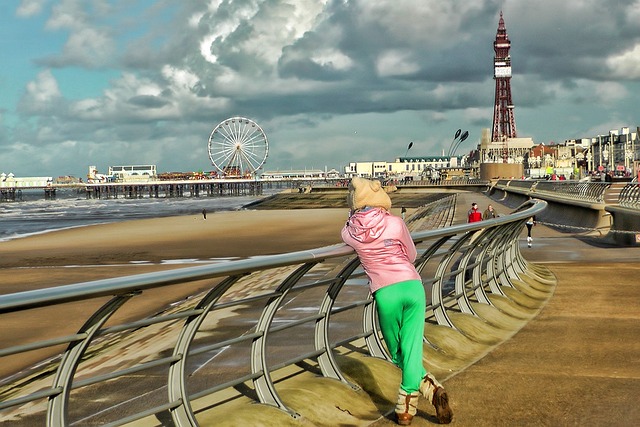
The story of the British seaside resort is one of classic boom and bust. Once the crown jewels of Victorian leisure, iconic coastal towns like Blackpool, Skegness, and Great Yarmouth served as the primary retreat for millions of working-class families.
Today, many of these resorts face severe economic decline, struggling with issues ranging from shifting holiday habits to deep-rooted structural isolation.
Several key factors drive the decline of the UK seaside resort:
The Rise of Cheap Package Holidays
The turning point began in the 1970s with the boom of budget commercial aviation and package holiday operators. Suddenly, a week in sunny Spain or Greece became as affordable as a rain-slicked week in Scarborough or Clacton.
Unpredictable British weather, combined with guaranteed Mediterranean sunshine, led generations of holidaymakers to abandon domestic coastlines for guaranteed summer heat abroad.
Geographic and Transport Isolation
Most coastal towns suffer from being geographically “at the end of the line”. Unlike inland towns that sit along central transit corridors or major highways, seaside resorts only draw traffic from one direction.
Poor road links and infrequent, expensive rail services make commuting to major economic hubs difficult, discouraging modern businesses from investing in these areas.
Seasonal and Fragile Economies
Seaside economies historically rely on tourism, hospitality, and seasonal entertainment—industries that peak for a few summer months and dry up for the rest of the year. The abundance of low-wage, zero-hours, or part-time work creates persistent underemployment.
As traditional industries like fishing and shipping faded alongside domestic tourism, few alternative sectors emerged to replace them.
Housing and Demographic Shifts
The decline created a severe housing mismatch. Grand Victorian hotels and guesthouses, no longer viable for tourists, were frequently converted into low-cost Houses in Multiple Occupation (HMOs) or cheap private rentals.
This attracted highly transient, low-income populations while prompt statutory support services struggled to keep up. Concurrently, coastal areas have seen a steady “brain drain,” with young people leaving for better educational and career opportunities inland, leaving behind ageing demographics.
A Story of Contrasts
While classic, large-scale amusement resorts have struggled, the narrative is not entirely uniform across the UK coast:
| Resort Type | Core Examples | Modern Status | Primary Economic Drivers |
| Traditional Mass Tourism | Blackpool, Skegness, Clacton | High deprivation, struggling with seasonal reliance | Arcades, budget staycations, local hospitality |
| Pivoted / Heritage Towns | Whitstable, Margate, St Ives | Gentrified, growing tourist interest | Boutique retail, art galleries, high-end gastronomy |
| Commuter & University Hubs | Brighton, Bournemouth | Economically resilient, higher property values | Tech, higher education, remote work, London links |
Reversing this decline requires moving past the illusion that tourism alone can sustain these communities year-round.
True revitalisation depends on improved digital and transport infrastructure, diversifying local employment into sectors like renewable energy, and investing directly in education and health services for permanent residents.

A country climbs towards the top of any expensive list for reasons that sound simple and are awkward to measure: the price of a loaf, the price of a pint, and the price of a bed for the night. Dictionaries are clear enough on the word itself, describing expensive as costing a relatively large amount of money, time or effort, or as charging high prices. What they cannot do is tell you which countries those descriptions fit best, because the answer depends entirely on what you put in the shopping basket and when you price it.
What “Expensive” Means in Practice
The dictionary definition gives two slightly different ideas that matter for travel budgeting. The first is straightforward: something expensive costs a lot of money. The second is about the seller, since an expensive business is one that makes a high charge. There is also the phrase expensive tastes, meaning habits that cause a great deal of expense. All three readings point to the same conclusion for anyone comparing countries: a place is not expensive in the abstract, only relative to your own budget, your own habits and the standard you expect.
A week of self-catering in a rural town and a week of hotel dining in a capital city are not the same purchase, so they cannot be ranked on the same list without a stated method.
Why No Single Top Ten List Is Definitive
Published comparisons of the most expensive countries disagree with each other, and the disagreement is usually honest rather than careless. Some measure what residents spend across a full year. Others measure what a visitor spends in a week. Some include alcohol heavily, others barely touch it. Some price a mid-range hotel room in the capital, others average across the whole country. Exchange rates move constantly, so a list compiled in one month can look wrong six months later.
Treat any top ten you read, including this one, as a prompt to check current figures yourself before you commit to a booking or a budget. Currency conversions and prices change.
The Three Costs That Decide the Ranking
Food, drink and accommodation dominate any travel budget, and each behaves differently.
| Cost line | What to compare | Why it moves the total |
|---|---|---|
| Food | A supermarket basket against a mid-range restaurant meal | Imported groceries and restaurant labour can push both up at once |
| Drink | Bottled water and coffee against beer and wine | Duty and licensing can make alcohol far more costly than soft drinks |
| Accommodation | Nightly rate for a mid-range room in peak season | Demand, seasonality and limited supply set the price |
| Extras | Taxes and service charges added to the bill | Quoted prices may not be the price you pay |
Food
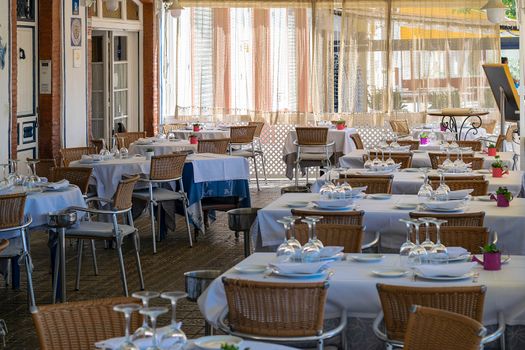
Two countries can have near-identical grocery costs and wildly different restaurant costs. Eating out carries labour, rent and licensing, so a place with high wages and expensive commercial property will charge more for the same plate. Look at both figures separately rather than averaging them into one number.
Drink
Alcohol is the single biggest source of distortion in drink comparisons. Duty rates and licensing rules vary enormously between countries, and some places price a bottle of wine at what others charge for a coffee. Compare like with like: soft drinks against soft drinks, and check local rules on where and when alcohol can be bought, since those rules affect price as much as tax does.
Accommodation
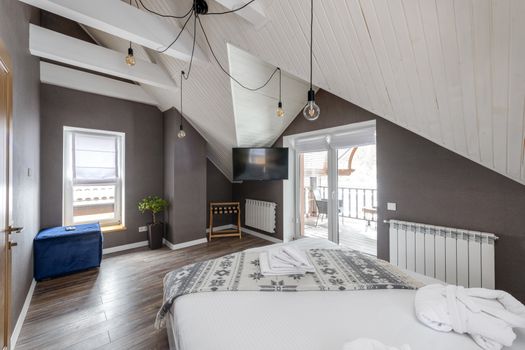
Hotel pricing is the most seasonal of the three. A coastal resort in high summer and the same resort in February are effectively two different markets. Longer stays, self-catering and rooms outside the centre all change the calculation, which is why a single nightly figure rarely tells the full story.
What Typically Pushes a Country Up the Table
Certain structural factors recur whenever costs are compared, and they explain most of the variation between destinations.
- Dependence on imported food and drink, which adds transport and handling to every item.
- Geography and limited land, which restrict both agriculture and the supply of accommodation.
- Strong tourism demand concentrated into a short season.
- High labour costs across hospitality and retail.
- Taxes and duty applied to alcohol, tobacco and restaurant meals.
- A strong currency against sterling, which makes every local price feel larger to a British visitor.
Where several of these overlap, prices tend to sit near the top of international comparisons. Where only one applies, the effect is usually much smaller than headline lists suggest.
A Practical Way to Build Your Own Comparison
If you want a ranking you can actually trust, build it yourself using a fixed method.
- Choose a basket and keep it identical for every country: one week of groceries, three restaurant meals, a set number of drinks, and seven nights in a mid-range hotel.
- Fix the dates. Use the same week or the same month for every destination.
- Convert everything to pounds on the same day so the exchange rate cannot flatter one country over another.
- Record whether quoted prices include tax and service, and add them where they do not.
- Repeat the exercise for a capital city and for a regional town, then note the gap.
The last step is the one most lists skip, and it is often the difference between a destination that looks expensive and one that actually is.
Common Mistakes That Distort the Picture
Comparing a capital city hotel with a rural guesthouse, ignoring service charges, and using exchange rates from a previous year are the three errors that most often inflate or deflate a country’s apparent cost. A short snapshot from a single trip is also unreliable, because one bad booking or one expensive airport meal can dominate a small sample.
Frequently Asked Questions
Which country is the most expensive in the world for food, drink and accommodation?
There is no settled answer. Rankings depend on the basket of goods used, the season, whether visitor or resident spending is measured, and the exchange rate on the day. Any list should be checked against current price data before you rely on it for a budget.
Is a high cost of living the same as high holiday costs?
Not necessarily. A country can be costly to live in because of housing, utilities and transport while still offering reasonable restaurant and hotel prices. Visitors only pay for a narrow slice of the local economy, so living costs and holiday costs often diverge.
Why do food and drink prices vary so much between countries?
Imports, duty, licensing rules, labour costs and the strength of local farming all play a part. A country that grows little of what it eats will usually charge more in shops, and one that taxes alcohol heavily will charge much more in bars.
How can I budget accurately for an expensive destination?
Price a fixed basket for fixed dates, convert everything on the same day, and include taxes and service charges. Then compare a city centre against a smaller town, and check whether self-catering for part of the trip brings the total down.
Used carefully, that method will tell you more about where your money actually goes than any published top ten, because it measures the trip you are genuinely planning rather than an average of everyone else’s.

Mastering Budget Travel in Switzerland: An Insider’s Blueprint
Switzerland is world-renowned for its dramatic alpine peaks, pristine lakes, and punctual infrastructure. However, it also carries a reputation for being one of the most expensive travel destinations on Earth. From high-end dining to costly mountain cable cars, expenses can multiply quickly.
Yet, travelling through Switzerland on a budget is entirely achievable. With careful planning, strategic timing, and a few localised hacks, you can experience the best of the Swiss Alps without overspending.
1. Master the Transport System: Passes Over Point-to-Point
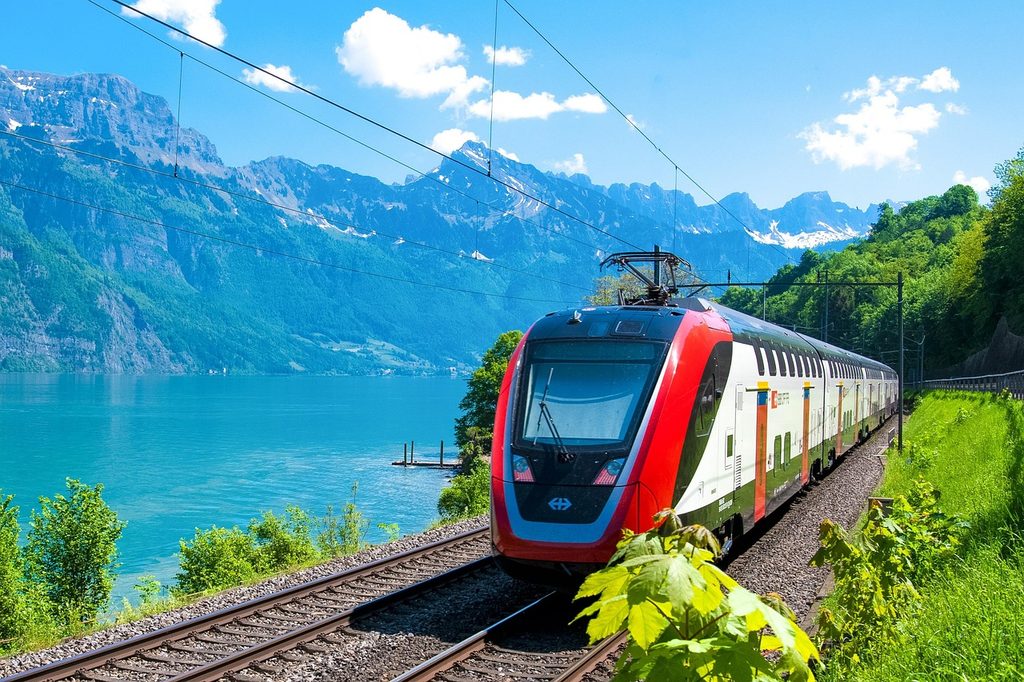
Transportation can easily become the largest expense of a Swiss vacation. Fortunately, the country’s world-class public transit network (SBB) offers specialised rail passes designed to lower costs for international visitors.
+-------------------------------------------------------------------------+
|                      Choosing Your Transport Pass                       |
+-------------------------------------------------------------------------+
                                     |
              +----------------------+----------------------+
              |                                             |
              v                                             v
  [ Heavy Daily Travel ]                        [ Flexible / Multi-Week ]
  - Swiss Travel Pass                           - Swiss Half Fare Card
  - Unlimited trains, buses, boats              - 50% off all transit tickets
  - Free access to 500+ museums                 - Pairs with Saver Day Passes
The Swiss Half Fare Card vs. Swiss Travel Pass
- Swiss Half Fare Card (HFC): At roughly CHF 150 for a 1-month pass, this card yields a 50% discount on virtually all trains, buses, boats, and alpine cable cars nationwide. For most budget travellers, combining the Half Fare Card with pre-booked point-to-point tickets offers the best financial return.
- Swiss Travel Pass: Offers unlimited consecutive days of travel on the entire national network, along with free admission to over 500 museums. While convenient, it carries a higher upfront cost. It makes sense primarily if you plan to cover vast distances across the country daily.
Leveraging Saver Day Passes and Supersaver Tickets
If you plan your itinerary early, purchase Supersaver Tickets or Saver Day Passes via the official SBB mobile app. Released up to 2 months in advance, these non-refundable tickets offer steep discounts compared to standard fares.
2. Smart Accommodation Strategies
Lodging in major tourist hubs like Zermatt, St. Moritz, or Zurich can drain a travel budget overnight. Shifting your accommodation strategy can cut room costs by half.
| Accommodation Strategy | How It Works | Budget Impact |
| Base in Secondary Towns | Stay in nearby hubs (e.g., Thun instead of Interlaken, or Vevey instead of Montreux). | Saves 30%–50% on nightly room rates. |
| Youth Hostels & Swiss Hostels | Rent private rooms or dorm beds in clean, modern hostels across the country. | Provides free breakfasts and access to shared kitchens. |
| Free Local Visitor Cards | Book hotels/hostels in cities like Bern, Geneva, or Lucerne. | Unlocks free local public transit for the duration of your stay. |
| Vacation Rentals (Ferienwohnungen) | Rent an apartment for 4+ days in alpine villages. | Lowers per-night costs and enables self-catering. |
3. Dine Like a Local: The Supermarket Picnic Strategy
Eating out at standard sit-down restaurants in Switzerland can easily cost CHF 30–50 per person for a simple meal. To keep food costs manageable without compromising on quality, adapt to local grocery culture.
+-------------------------------------------------------------------------+
|                         Swiss Dining Strategy                           |
+-------------------------------------------------------------------------+
                                     |
         +---------------------------+---------------------------+
         |                                                       |
         v                                                       v
  [ Supermarket Dining ]                                  [ Budget Cafes ]
  - Coop & Migros self-service restaurants                - Manor Department Store buffets
  - Takeaway sandwiches, fresh salads, & regional cheeses - Daily lunch specials ("Tagesmenü")
  - Picnic lunches with scenic mountain backdrops          - Water refills at public fountains
Key Grocery Chains
- Coop & Migros: The two dominant supermarket chains in Switzerland. Both feature extensive takeaway sections stocked with fresh bakery items, pre-made salads, roasted chicken, local cheeses, and cold cuts.
- Lidl & Denner: Budget grocery stores ideal for stocking up on snacks, dry goods, bottled beverages, and Swiss chocolate at a fraction of tourist-shop prices.
Supermarket Self-Service Restaurants
For warm meals, seek out Coop Restaurant, Migros Restaurant, or Manor Food Outlets. These self-service buffets offer fresh, high-quality Swiss meals, fish, pasta, and roasted meats for CHF 12–18—a third of the cost of a formal sit-down restaurant.
Tap Water is Free and Pure
Never purchase bottled water in Switzerland. The thousands of decorative public fountains flowing throughout Swiss cities and villages contain pure, cold, tested drinking water unless explicitly marked “Kein Trinkwasser”. Carry a reusable bottle and refill freely.
4. Explore High-Value & Free Alpine Excursions
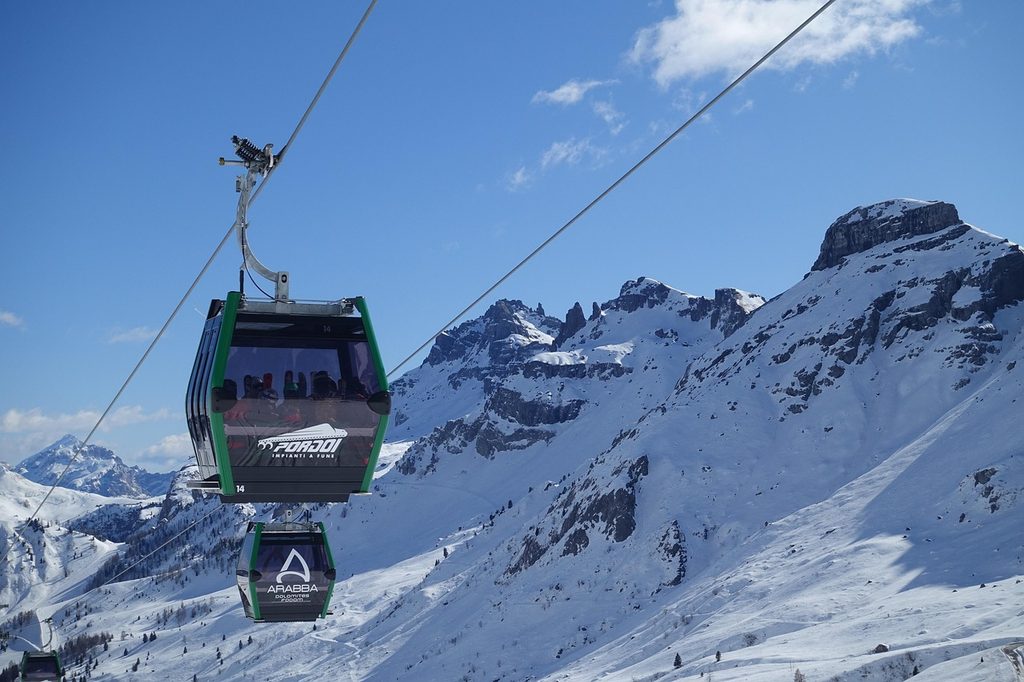
Private mountain funiculars, cable cars, and cogwheel trains (such as the journey to the Jungfraujoch) carry high ticket prices. You can enjoy the Swiss landscape on a budget using alternative options:
- Embrace Hiking: Switzerland features over 65,000 kilometres of well-marked, yellow-signed hiking trails. Walking up to a mountain viewpoint—or taking a cable car up and hiking down—saves money while offering an immersive alpine experience.
- Fully Included Mountain Journeys: If you hold a Swiss Travel Pass, several scenic mountain trips are fully included at no extra charge—such as Mount Rigi, Stanserhorn, and Stoos.
- Lake Cruises as Transit: Passenger ferry rides across Lake Geneva, Lake Lucerne, Lake Thun, or Lake Brienz function as both scenic cruises and public transit. They are covered by standard travel passes.
5. Timing and Seasonality Matters
When you travel drastically shapes your expenses.
High Season (Price Peak)         Shoulder Season (Value Peak)
[ July - August | Jan - Feb ]    [ April - May | Sept - October ]
- Maximum accommodation rates    - Lower lodging rates
- Crowded transit & attractions  - Clear trail conditions
- High mountain pass prices      - Quiet, accessible villages
Visiting during the shoulder seasons (late April to May, or September to October) offers pleasant hiking weather, uncrowded trains, and significantly lower accommodation rates.
Summary Checklist for a Budget Swiss Trip
- Buy a Swiss Half Fare Card or lock in Saver Day Passes early.
- Stay outside major resort centres in smaller, connected secondary towns.
- Pledge to self-cater breakfast and lunch using Coop, Migros, or Denner.
- Pack a reusable water bottle and use public fountains.
- Prioritise foot-based alpine exploration over high-cost peak funiculars.
By shifting away from luxury tourist packages and embracing local transport and dining habits, you can experience Switzerland’s spectacular landscapes at a fraction of the typical cost.
Europe
Benidorm, The Riviera Of The Costa Blanca
For decades, Benidorm has held a special, almost mythical status in British holiday culture.
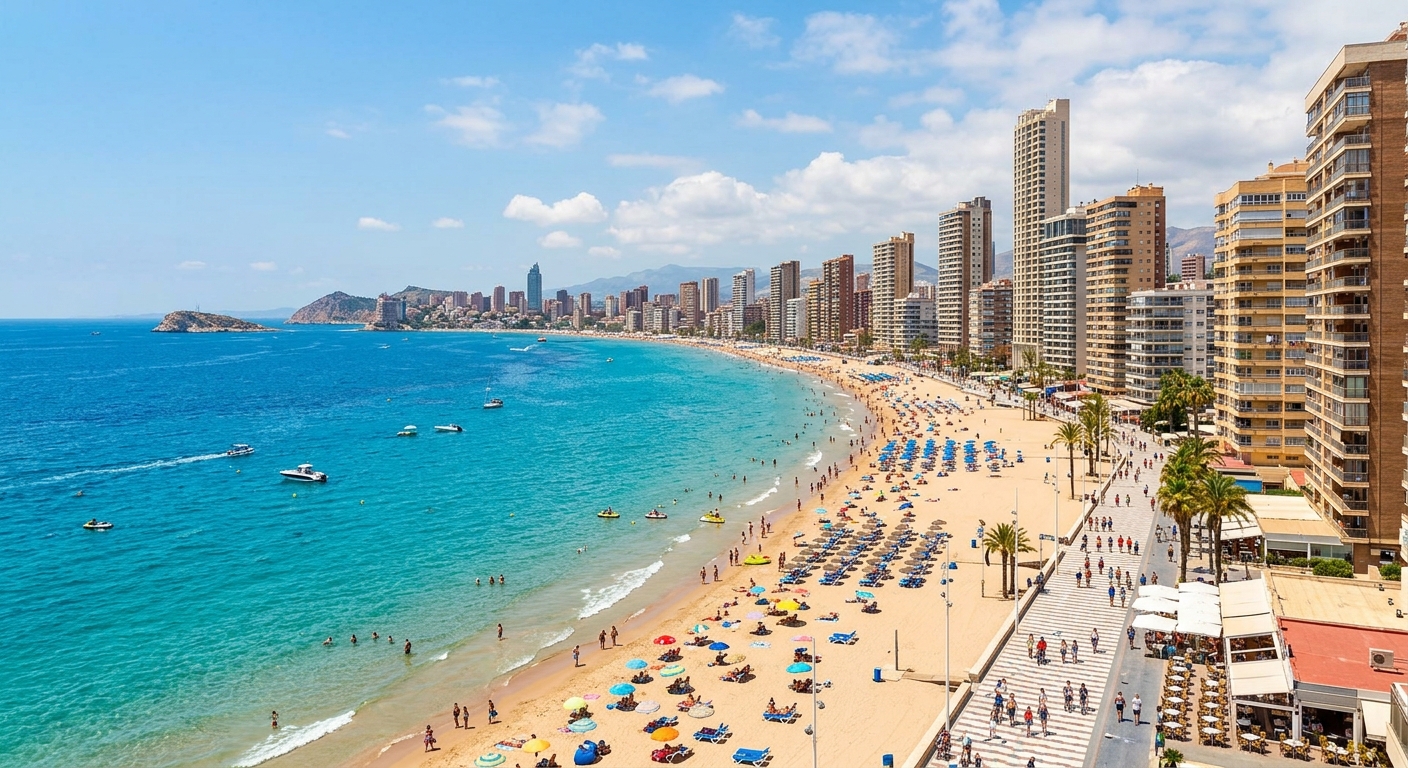
For decades, Benidorm has held a special, almost mythical status in British holiday culture. What started in the 1960s as a quiet fishing village on Spain’s Costa Blanca transformed into a purpose-built high-rise paradise designed specifically for mass tourism—and the UK fell head over heels.
Whether you love the buzzing, unapologetic energy of the New Town or the authentic Spanish charm hidden in plain sight, here is why millions of Brits keep heading back year after year.
The Sun, Sea, and Unbeatable Value
At its core, Benidorm’s appeal comes down to a simple formula: reliable Mediterranean sunshine, golden sands, and fantastic value for money.
- The Beaches: Levante Beach is the heart of the action, packed with sun loungers, water sports, and a bustling promenade. If you prefer a slightly calmer scene, Poniente Beach offers miles of spotless sand where local families and tourists mix effortlessly.
- Budget-Friendly Bites: Where else in Europe can you get a full English breakfast, a pint, and a sunbed for a fraction of what you’d pay back home? The resort’s sheer density keeps prices competitive.

Two Distinct Worlds in One City
One of Benidorm’s best-kept secrets is that it caters to completely different types of holidaymakers, often just a few streets apart.
- The New Town (Levante): This is the classic “Brits abroad” experience. Expect cabaret bars, tribute acts, sports pubs showing the Premier League, and nightlife that goes on until dawn.
- The Old Town (El Castell): Walk past the central square, and you enter a maze of whitewashed cobblestone streets. Head down Calle Santo Domingo—known locally as “Tapas Alley”—to swap lager and chips for authentic Spanish pintxos, fresh seafood, and crisp Rioja wine.
Why It Keeps Winning
While snobs might dismiss it, Benidorm was actually ahead of its time urbanistically. Its vertical layout (full of tall skyscrapers) leaves maximum green space and public beach access, making it one of the most efficient and sustainable resort designs in Europe.
Add in world-class theme parks like Terra Mítica, waterparks like Aqualandia, and a short 40-minute transfer from Alicante Airport, and it’s easy to see why families, stag and hen parties, and retirees alike keep it at the top of their list.

Premier League Matchday 8

November PlayStation Plus Lineup


