
Immigration
Ceuta, Morocco: Invasion of Illegal Immigrants
60,000 Illegal immigrants this week invaded Ceuta (Spain) from Morocco, sending the little enclave into overdrive.

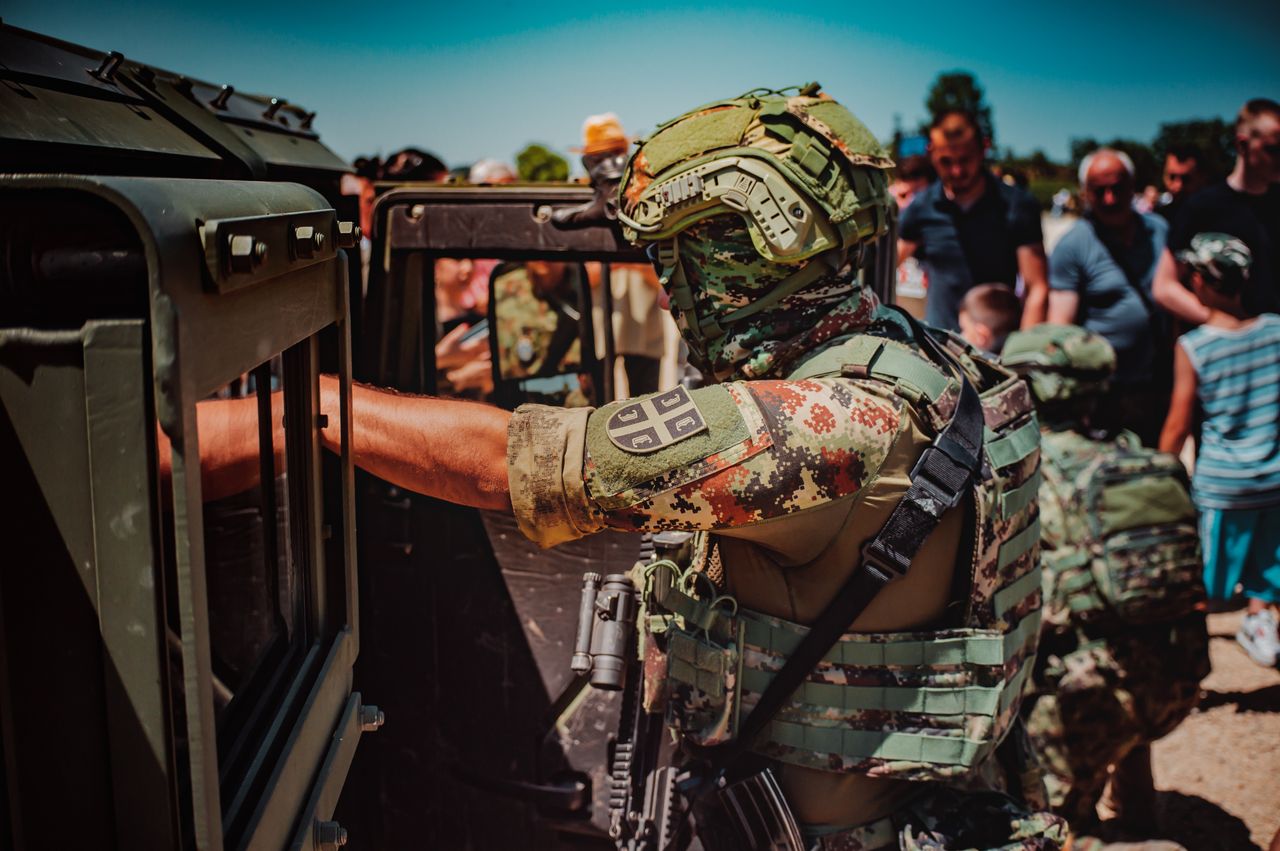
60,000 Illegal immigrants this week invaded Ceuta (Spain) from Morocco, sending the little enclave into overdrive.
With scenes like a WW1 enactment, they just swarmed over the Moroccan-Spanish border, killing 70+ people.
Through the streets they went, robbing and rioting and looking for a way to the Spanish mainland to enter mainland Europe.
The reasons this mass invasion took place were social media misinformation claiming Europe’s doors were open, and border policies had changed.
The social media posts stated that rumours claiming arrivals by sea could not be deported were the main reason for the surge.
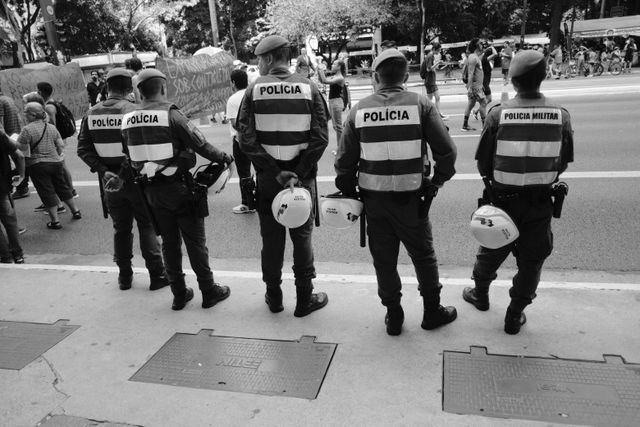
The mass migration was so big that the army had to be called in. Most of the immigrants returned to Morocco, leaving between 3000 – 5000 people staying in Ceuta.
This was a major security breach for the EU with no border checks or passports shown. It also means criminals could have penetrated the border.
The situation was so bad the Italians closed their border with Spain. Even though there is no physical border with Italy, flights, boats and auto transport were all banned.
But if we look at the broader picture, this affects the UK even though it is 1600 miles away. If 1000s of migrants go to the mainland, how many would head for the UK?
The United States and Australia have migrant problems. They have tackled the problem head-on and removed the illegal immigrants from their countries.
There will be some repercussions from this mass migration incident. We need to learn from this, and social media has a lot to do with the problem.

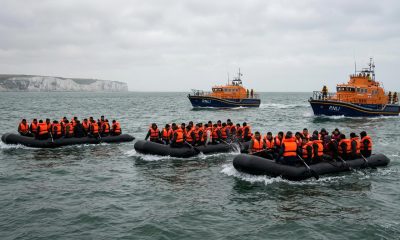





Government
1200 More Illegal Immigrants In 8 Days
Another bad week for the Government on illegal immigration.
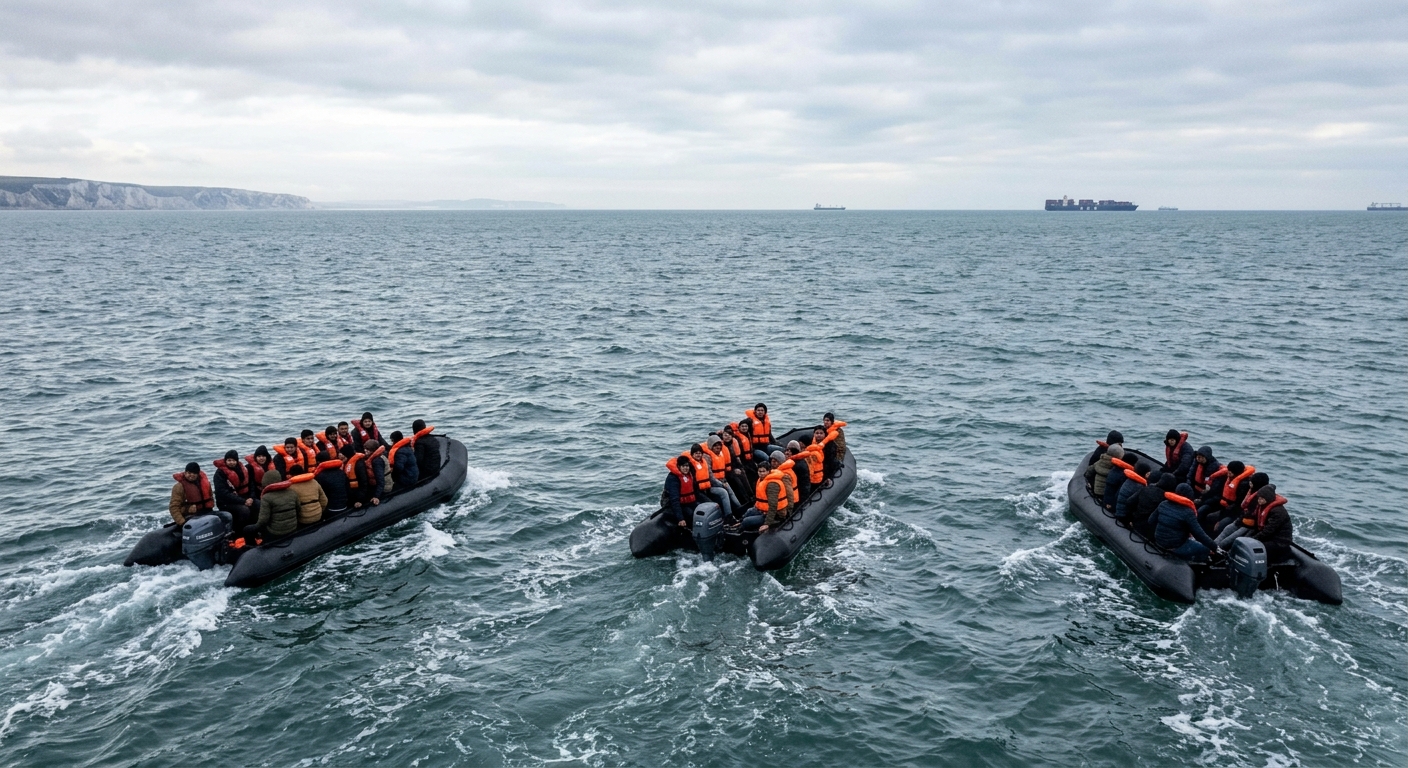
Another bad week for the Government on illegal immigration. Complacent with the fact that illegal immigration is down from last year, many factors could cause this. The gangs can lack equipment, or basically the weather is not good enough.
From the 27th of September to the 4th of October, the 8 days showed 1260 small boat arrivals. Looking at stats for the year Thu 1st Jan 26 to Thu 1st Oct 26, 19,196 illegal immigrants arrived, down 44% from last year but still way too many.
The incentives are too high to come to the UK. Anything we do in life has to have an incentive, and we seem to have what these people need.
But 19,000 people arriving this year will influence the UK economy and, lest we forget, morale among British people. All these immigrants must be paid for, and as an example, housing, transport, clothing and personal allowances.

The other problem we see now is protests concerning illegal immigration. Towns are being singled out as landing spots and are being met by protesters. Dover seems a far cry from new landings in Hampshire; they are using more dangerous routes.
Another important point is that illegal immigrants should stay in the first safe country they reach. But they travel from Italy, which is safe, through Europe to France, where they cross to the UK.
The problem with the let-them-in lefties is that they don’t seem to have any concept of size. It could be land size or money. Our little island can only take so much immigration. We are currently struggling to increase defence spending, so how can we keep paying for immigration?
It’s time the country settled down from the Burnham bounce and got on to securing our borders because 19,000 illegal entries are not secure. Instead of looking at past years’ sm
Immigration
An embarrassment for the UK PM
The English Channel has been busy over the past 3 days. With 1085 people landing in the past 72 hours, the invasion goes on.
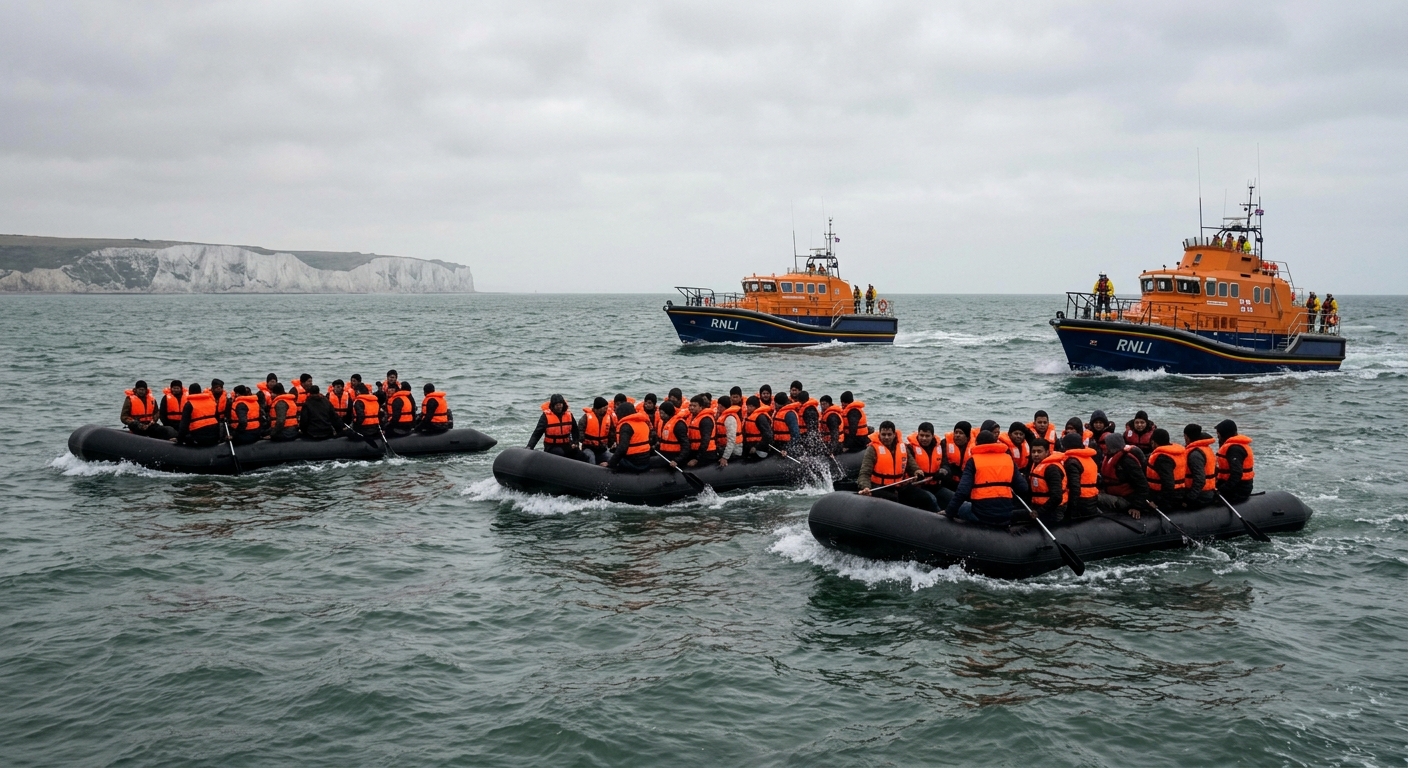
The English Channel has been busy over the past 3 days. With 1085 people landing in the past 72 hours, the invasion goes on. The 23rd of September saw the year’s record of 781 illegal immigrants land on 10 boats.
The government keeps stating the numbers are down 42% over last year, but that’s not the point. This embarrassing number of landings gives the government a poke in the eye.
The camp at Piddington was selected to host an ex-military camp for 1200 asylum seekers. It’s close, but in 3 days, 1085 illegal immigrants would fill that camp. The government needs to start finding accommodation quickly at this rate.
The major problem for the government is 2 boats landed without being detected. These boats could carry weapons or drugs and other contraband into the UK.
But it’s heating up at the border with people protesting against the landings. The protests are now getting worse, with the police having to coach illegal immigrants to Dover, with big police escorts costing money.
This is a test for Andy Burnham in a few ways. It’s the most boats landed since he became PM. He has been dithering while crossings are down 42%, but that’s not with his help.
The Home Secretary has had to get an enquiry into why Border Force allowed 2 boats to slip through the net.
This sometimes helps the immigrants because they don’t have to give any biometrics or passport information. That information can tell the UK who is good and who is bad.
Again, the French are called into question. Are they doing enough? We have paid them a lot of money to help stop the boats, but they don’t do much.
Again, we have to look to our leader, PM Burnham, to sort this mess, but when you need him, where is he?

Understanding the European Convention on Human Rights (ECHR)
The European Convention on Human Rights (ECHR) is an international treaty designed to safeguard human rights, fundamental freedoms, and the rule of law across Europe. Drafted by the newly formed Council of Europe in 1950, the ECHR entered into force in 1953. It established a legal framework to hold member states accountable to their citizens and to anyone residing within their jurisdiction.
Core Rights and Freedoms
The Convention outlines fundamental rights and protections divided into specific legal articles:
- Right to Life (Article 2): Mandates that governments must protect the right to life by law, with strict limits on the use of lethal force.
- Prohibition of Torture (Article 3): Strictly bans torture, as well as inhuman or degrading treatment or punishment.
- Prohibition of Slavery and Forced Labour (Article 4): Prohibits human trafficking, forced labour, and holding individuals in servitude.
- Right to Liberty and Security (Article 5): Guarantees protection against arbitrary arrest or unlawful detention.
- Right to a Fair Trial (Article 6): Enforces entitlement to a fair and public hearing before an independent court, alongside the presumption of innocence.
- Right to Respect for Private and Family Life (Article 8): Guards against arbitrary interference in an individual’s personal life, family connections, home, and personal communications.
- Freedom of Thought, Conscience, and Religion (Article 9): Protects an individual’s freedom to hold, practice, or change their religious or philosophical beliefs.
- Freedom of Expression (Article 10): Guarantees the freedom to hold opinions and to receive and impart information without government interference, forming the bedrock of press freedom.
- Prohibition of Discrimination (Article 14): Ensures that the enjoyment of all Convention rights is protected without discrimination on grounds such as sex, race, religion, or background.
Additional Protocols
Over time, the Convention has expanded through additional agreements known as “Protocols”. Key updates include:
- Protocol 1: Adds protections for property ownership, the right to education, and the right to free elections.
- Protocols 6 and 13: Abolish the death penalty in peacetime and under all circumstances, respectively.
The Role of the European Court of Human Rights (ECtHR)
To enforce compliance, the ECHR established the European Court of Human Rights, based in Strasbourg, France.
If an individual believes their rights under the ECHR have been violated by a member state, they can apply directly to the ECtHR after exhausting domestic legal options and appeals. Rulings from the ECtHR are legally binding on signatory nations, often prompting changes to national legislation, administrative practices, or the payment of compensation to victims.
ECHR vs. The European Union
A common point of confusion is the distinction between the ECHR and the European Union (EU):
- The Council of Europe: An independent international organisation encompassing 46 member states that oversees the ECHR.
- The European Union: A separate economic and political union of European nations.
A nation can leave the European Union while remaining a signatory state to the European Convention on Human Rights.
Disclaimer: This article is provided for educational and informational purposes and does not constitute formal legal counsel.

Premier League Matchday 8

November PlayStation Plus Lineup


