
Info
What is El Niño, and how does it affect us
The El Niño–Southern Oscillation (ENSO) remains one of the most powerful natural climate drivers on Earth


The El Niño–Southern Oscillation (ENSO) remains one of the most powerful natural climate drivers on Earth. Characterised by the periodic warming of central and eastern equatorial Pacific Ocean waters, El Niño alters global weather patterns, shifting rainfall, driving extreme heat, and interrupting agricultural cycles thousands of miles away from its ocean basin.
While El Niño is a naturally occurring cycle, its interaction with baseline climate change creates severe challenges for economic stability, food security, public health, and infrastructure worldwide.
What Drives El Niño?
Under neutral climate conditions, strong trade winds blow westward across the tropical Pacific. This pushes warm surface waters toward Asia and Australia while pulling cold, nutrient-rich water up along the South American coastline—a process known as upwelling.
During an El Niño phase, these trade winds weaken or reverse direction entirely. As a result:
- Warm water shifts east: Warm surface waters pool off the western coast of the Americas.
- Upwelling stalls: Cold deep-sea nutrients are blocked from reaching the surface.
- Atmospheric jet streams shift: Altered heat release disrupts high-altitude wind patterns, re-routing storm systems across the globe.
Primary Global Problems Caused by El Niño
1. Extreme Weather Dichotomy: Floods vs. Severe Droughts
El Niño acts as a global weather redistributor, causing extremes on opposite sides of the spectrum depending on geographical location:
- Excessive Rainfall & Flooding: Coastal areas of South America (such as Peru and Ecuador) and parts of the southern United States often experience torrential rainfall. This leads to flash flooding, severe coastal erosion, and landslides.
- Severe Droughts & Heatwaves: Conversely, Southeast Asia, Australia, southern Africa, and northern Brazil frequently face record rainfall deficits. Prolonged dry spells dry up reservoirs, trigger water rationing, and spark catastrophic wildfire conditions.
2. Global Food Insecurity and Agricultural Disruptions
Agriculture relies heavily on predictable seasonal rainfall, making it exceptionally vulnerable to ENSO shifts.
- Crop Loss: Staples such as rice, corn, wheat, and sugarcane suffer yield losses when monsoon rains fail in Asia or when fields flood in South America.
- Economic Inflation: Lower crop production strains global supply chains, leading to food shortages and driving sharp price increases on basic commodities.
- Fishery Collapses: The loss of upwelling off South America reduces marine plankton, causing fish stocks (such as anchoveta) to migrate or collapse. This impacts both local fishing communities and global fishmeal markets.
3. Energy Grid and Infrastructure Strain
Extreme weather events put immediate pressure on public utilities and critical infrastructure:
- Hydroelectric Shortages: Nations relying on river systems for hydropower (such as Colombia, Ecuador, and parts of Central Africa) encounter major power deficits when rainfall drops, forcing reliance on costlier fossil fuels or causing rolling blackouts.
- Physical Damage: Flash floods, rising sea levels near coasts, and mudslides damage highways, bridge networks, and residential areas.
4. Spikes in Vector-Borne and Waterborne Illnesses
Shifted rainfall and temperature spikes create ideal breeding conditions for pathogens and vectors:
| Impact Driver | Health Risk | Affected Regions |
| Increased Heat & Stagnant Water | Mosquito-borne outbreaks (Dengue, Malaria, Chikungunya) | Tropical & Subtropical regions |
| Heavy Rainfall & Flooding | Waterborne infections (Cholera, Leptospirosis, Dysentery) | Flood-damaged urban & rural zones |
| Drought & Crop Failure | Acute Malnutrition & Heat Stress | Sub-Saharan Africa & South Asia |
El Niño and Climate Change: A Compound Risk
El Niño is a natural cycle, but human-induced climate change alters its baseline background. As background global ocean temperatures hit historic highs, El Niño events layer additional heat into the atmosphere.
This compounding effect creates warmer global averages and intensifies storms, extending the reach and duration of climate disruptions.
Mitigation Strategies and Solutions
Addressing the vulnerabilities brought on by El Niño requires structured adaptation policies at local and international levels:
- Early Warning Systems: Expanding climate monitoring networks gives farmers and local governments advance notice to adjust planting calendars and manage water storage.
- Climate-Resilient Crops: Investing in drought-resistant and flood-tolerant seed varieties helps protect crop yields during abnormal weather seasons.
- Diversified Energy Sources: Reducing sole dependency on hydroelectric power by expanding solar and wind generation helps prevent power shortages during droughts.
- Water Management Infrastructure: Implementing rainwater harvesting, improving canal networks, and updating urban drainage minimises both drought impacts and flood risks.

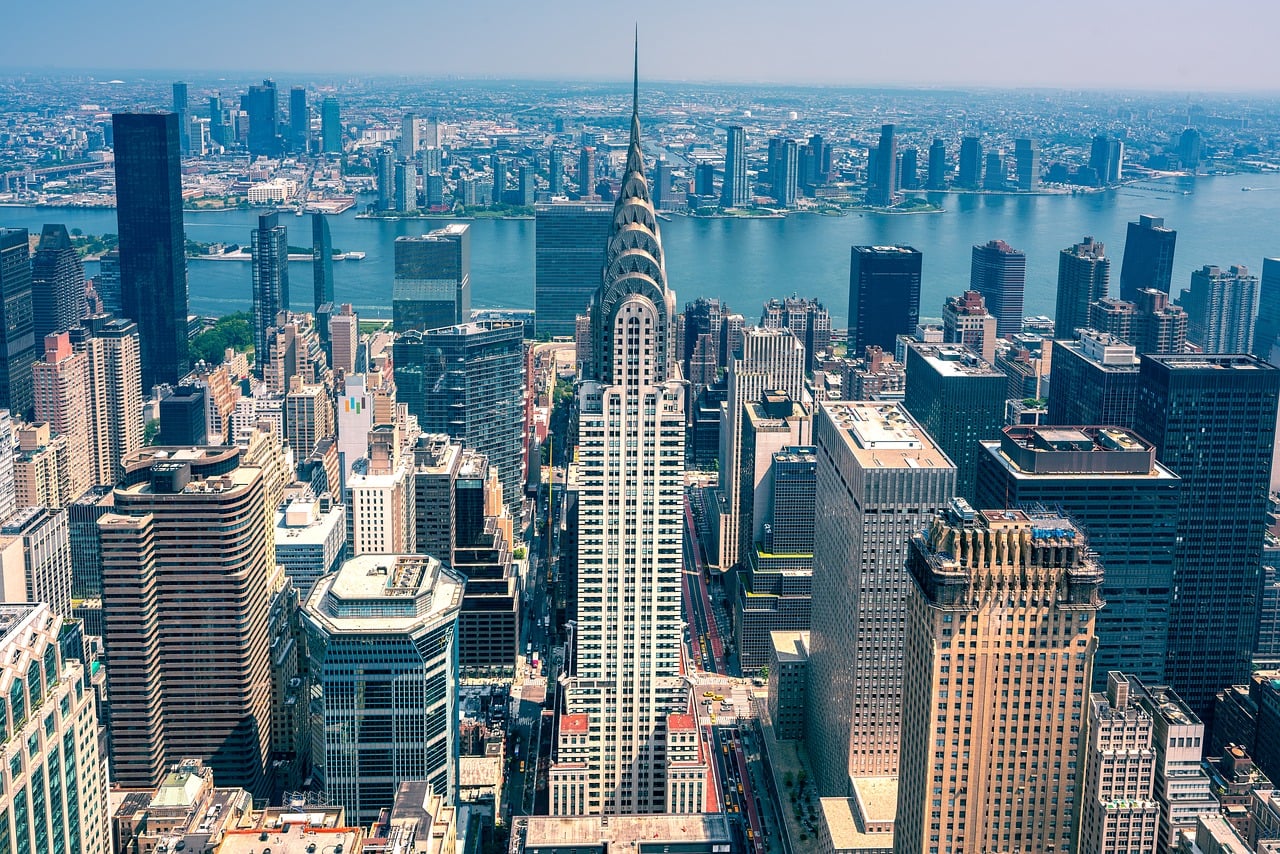
A country climbs towards the top of any expensive list for reasons that sound simple and are awkward to measure: the price of a loaf, the price of a pint, and the price of a bed for the night. Dictionaries are clear enough on the word itself, describing expensive as costing a relatively large amount of money, time or effort, or as charging high prices. What they cannot do is tell you which countries those descriptions fit best, because the answer depends entirely on what you put in the shopping basket and when you price it.
What “Expensive” Means in Practice
The dictionary definition gives two slightly different ideas that matter for travel budgeting. The first is straightforward: something expensive costs a lot of money. The second is about the seller, since an expensive business is one that makes a high charge. There is also the phrase expensive tastes, meaning habits that cause a great deal of expense. All three readings point to the same conclusion for anyone comparing countries: a place is not expensive in the abstract, only relative to your own budget, your own habits and the standard you expect.
A week of self-catering in a rural town and a week of hotel dining in a capital city are not the same purchase, so they cannot be ranked on the same list without a stated method.
Why No Single Top Ten List Is Definitive
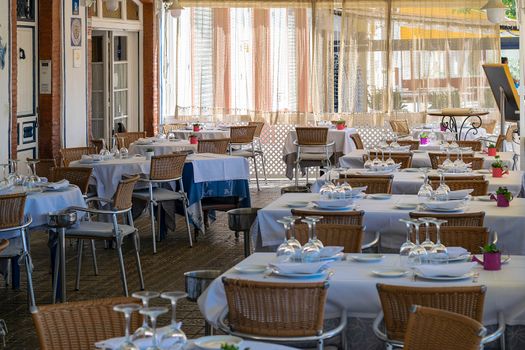
Published comparisons of the most expensive countries disagree with each other, and the disagreement is usually honest rather than careless. Some measure what residents spend across a full year. Others measure what a visitor spends in a week. Some include alcohol heavily, others barely touch it. Some price a mid-range hotel room in the capital, others average across the whole country. Exchange rates move constantly, so a list compiled in one month can look wrong six months later.
Treat any top ten you read, including this one, as a prompt to check current figures yourself before you commit to a booking or a budget. Currency conversions and prices change.

The Three Costs That Decide the Ranking
Food, drink and accommodation dominate any travel budget, and each behaves differently.
| Cost line | What to compare | Why it moves the total |
|---|---|---|
| Food | A supermarket basket against a mid-range restaurant meal | Imported groceries and restaurant labour can push both up at once |
| Drink | Bottled water and coffee against beer and wine | Duty and licensing can make alcohol far more costly than soft drinks |
| Accommodation | Nightly rate for a mid-range room in peak season | Demand, seasonality and limited supply set the price |
| Extras | Taxes and service charges added to the bill | Quoted prices may not be the price you pay |
Food
Two countries can have near-identical grocery costs and wildly different restaurant costs. Eating out carries labour, rent and licensing, so a place with high wages and expensive commercial property will charge more for the same plate. Look at both figures separately rather than averaging them into one number.
Drink
Alcohol is the single biggest source of distortion in drink comparisons. Duty rates and licensing rules vary enormously between countries, and some places price a bottle of wine at what others charge for a coffee. Compare like with like: soft drinks against soft drinks, and check local rules on where and when alcohol can be bought, since those rules affect price as much as tax does.
Accommodation
Hotel pricing is the most seasonal of the three. A coastal resort in high summer and the same resort in February are effectively two different markets. Longer stays, self-catering and rooms outside the centre all change the calculation, which is why a single nightly figure rarely tells the full story.
What Typically Pushes a Country Up the Table
Certain structural factors recur whenever costs are compared, and they explain most of the variation between destinations.
- Dependence on imported food and drink, which adds transport and handling to every item.
- Geography and limited land, which restrict both agriculture and the supply of accommodation.
- Strong tourism demand concentrated into a short season.
- High labour costs across hospitality and retail.
- Taxes and duty applied to alcohol, tobacco and restaurant meals.
- A strong currency against sterling, which makes every local price feel larger to a British visitor.
Where several of these overlap, prices tend to sit near the top of international comparisons. Where only one applies, the effect is usually much smaller than headline lists suggest.
A Practical Way to Build Your Own Comparison
If you want a ranking you can actually trust, build it yourself using a fixed method.
- Choose a basket and keep it identical for every country: one week of groceries, three restaurant meals, a set number of drinks, and seven nights in a mid-range hotel.
- Fix the dates. Use the same week or the same month for every destination.
- Convert everything to pounds on the same day so the exchange rate cannot flatter one country over another.
- Record whether quoted prices include tax and service, and add them where they do not.
- Repeat the exercise for a capital city and for a regional town, then note the gap.
The last step is the one most lists skip, and it is often the difference between a destination that looks expensive and one that actually is.

Common Mistakes That Distort the Picture
Comparing a capital city hotel with a rural guesthouse, ignoring service charges, and using exchange rates from a previous year are the three errors that most often inflate or deflate a country’s apparent cost. A short snapshot from a single trip is also unreliable, because one bad booking or one expensive airport meal can dominate a small sample.
Frequently Asked Questions
Which country is the most expensive in the world for food, drink and accommodation?
There is no settled answer. Rankings depend on the basket of goods used, the season, whether visitor or resident spending is measured, and the exchange rate on the day. Any list should be checked against current price data before you rely on it for a budget.
Is a high cost of living the same as high holiday costs?
Not necessarily. A country can be costly to live in because of housing, utilities and transport while still offering reasonable restaurant and hotel prices. Visitors only pay for a narrow slice of the local economy, so living costs and holiday costs often diverge.
Why do food and drink prices vary so much between countries?
Imports, duty, licensing rules, labour costs and the strength of local farming all play a part. A country that grows little of what it eats will usually charge more in shops, and one that taxes alcohol heavily will charge much more in bars.
How can I budget accurately for an expensive destination?
Price a fixed basket for fixed dates, convert everything on the same day, and include taxes and service charges. Then compare a city centre against a smaller town, and check whether self-catering for part of the trip brings the total down.
Used carefully, that method will tell you more about where your money actually goes than any published top ten, because it measures the trip you are genuinely planning rather than an average of everyone else’s.
Consoles
Has Sony Shot Themselves In The Foot
Who is to blame for the current crisis Sony has put themselves in, and will it all end in tears?

Almost any feud is distasteful and full of resentment. But who is to blame for the current crisis Sony has put themselves in, and will it all end in tears?
This all started when Sony stated it was not going to produce hard media after 2027. No more DVDs, just downloads of your favourite software games.
Sony argues that there are more people downloading digital content than people buying disc games. Sony also says it’s a natural progression moving to digital-only media.
When people bought the PS5, you had digital-only, disc drive and PRO versions. Now maybe it would have been a good time to introduce digital-only at the PS5’s launch.
If the PS5 had no disc versions at the start, it maybe would have been expected. Like any other company, sales of the PS5 were important at the beginning.
Due to a shortage of components, though, sales of the PS5 were slow for a while, and people had to wait months to get their hands on one.

So, we come down to why now?
One reason could be the imminent release of the game GTA6. This game has been in development for a year or so.
But this game will be digital only, and maybe Sony has looked at this format and made a decision. But there is more to it than meets the eye, and that’s MONEY.
If you buy the program or game digitally, the license is for one PlayStation username. Yes, the game is identical to the disc version, but the license is nontransferable.
This means when you buy a game, you cannot sell it. A non-transferable license is for the purchaser only.
So, looking at Rockstar Games and GTA 6, their quids in.
But look beyond GTA6, and you have the PlayStation Network, which has its own shop to sell digital downloadable games.
Here you can buy games, but some are expensive. Let’s look at an example. PlayStation Store sells Gran Turismo 7 for £69.99, yet on eBay a new disc version costs £31.90.
This is where the rip-off starts to show. It’s not even a few pence; it’s pounds.
But think of it. As soon as Sony makes all sales digital, the prices could rise, and there’s nothing you can do about it.
Owning a disc feels like you own the game. It gives you the opportunity to do as you wish, i.e. keep it, sell it or swap it.
All through life, we have seen mega corporate companies bully their clients just to make an extra buck.
But the most dangerous part of all this is that your digital game could be pulled by Sony at any time. They have done things like this before with the TV.
Our opinion is that this is down to greed over convenience or slimming down. The software houses beware, though, because the public are not going to buy rubbish games and be stuck with them. They just won’t buy them.

Weather
UK Weekend Weather For The UK
A temporary ridge of high pressure will build across southern and central parts of the UK on Saturday
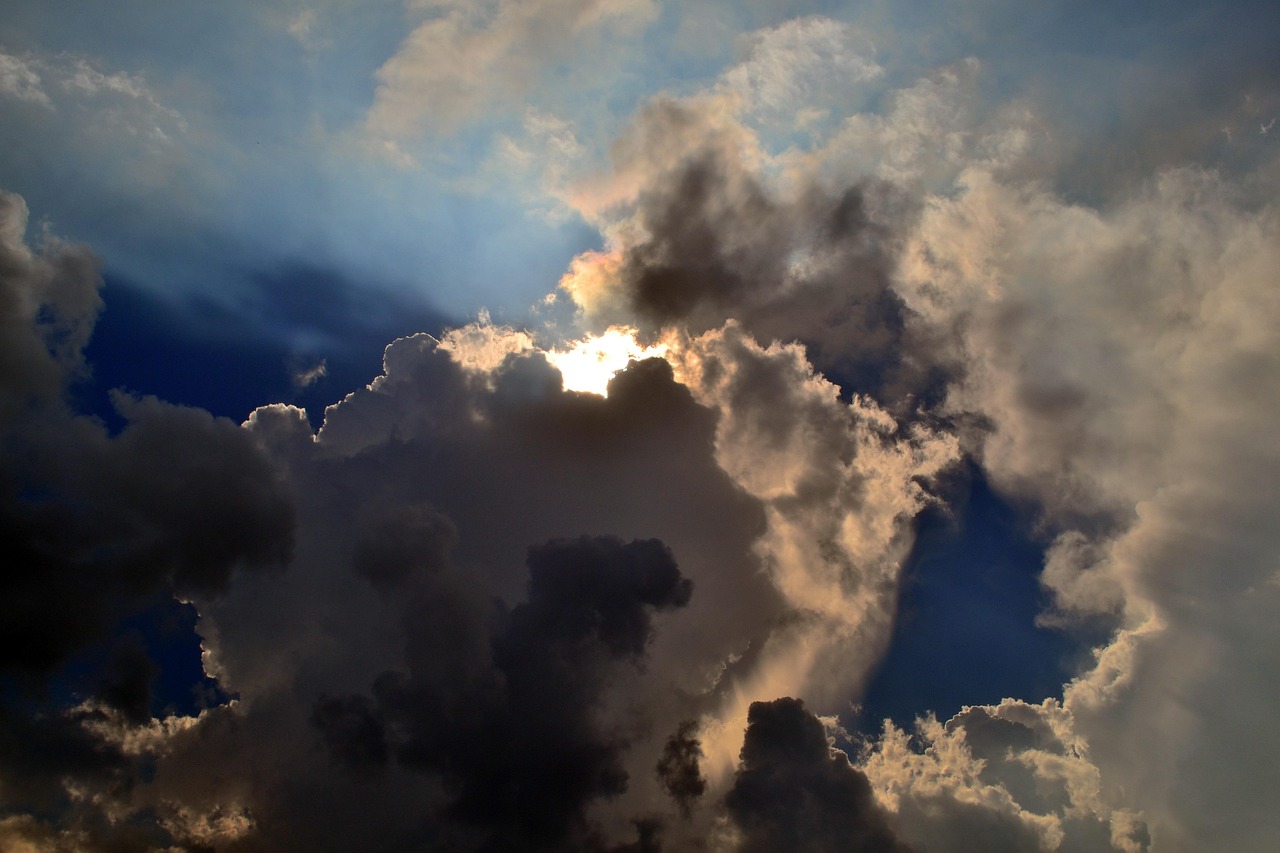
A temporary ridge of high pressure will build across southern and central parts of the UK on Saturday, bringing a window of settled, drier weather and lighter winds. However, an incoming Atlantic low-pressure system and associated cold front will move into the northwest by late Saturday and into Sunday. This front will drag warm, humid air across England and Wales on Sunday before bringing wet and windy conditions to the north and west, eventually sweeping rain southeastward overnight into Monday.
Saturday Forecast
- England & Wales: A largely dry, fine, and bright day for most areas with lighter winds and spells of sunshine. Temperatures will feel pleasant, reaching 20°C to 24°C in southern and eastern regions.
- Scotland & Northern Ireland: A cloudier picture overall. Blustery showers are likely across northern and western Scotland, with a few light patches of rain possible across Northern Ireland before drying out later in the day. Highs in the mid-to-high teens.
Sunday Forecast
- London, South & East England: Very warm, dry, and sunny for most of the day as warm air pulls up from the south. Winds will pick up, but temperatures could reach 25°C to 27°C in local spots in the Southeast.
- Midlands & Wales: Dry and bright to start with warm sunny spells. Turning increasingly breezy through the afternoon, with cloud building ahead of rain arriving from the west by late evening.
- Northern England, Scotland & Northern Ireland: Wet and windy weather will push in from the northwest. A band of rain will move across Northern Ireland and Scotland, accompanied by strong, gusty winds, before reaching Northern England later in the day. Highs around 16°C to 19°C.


Premier League Matchday 8

November PlayStation Plus Lineup


