
Consumer
Get Any Email Address
Ever had a problem with an item or a service, and their customer services were useless and unhelpful, what can you do?


Ever had a problem with an item or a service, and their customer services were useless and unhelpful, what can you do? Who can you contact above the customer service? Sometimes it feels hopeless, but giving this a try could help.
You can trail through the business website for email addresses, but find nothing. Also in modern times, companies don’t want you to contact them and make it hard to find contact details on their websites.
First thing to do is check out the about us or our team pages. This is a great place to start. Somewhere, there will be a few names, but search out the directors. There is usually a picture of the person or director, their name and position within the company.
So, you need to pick a person or director to email, so as an example, we can say the managing director is John Smith. Ok, the company is called Acme, and its domain name is acme.com. The way middle-sized and big businesses issue their email addresses is in the standard format. The format is first name.surname@business.com. So, in this example, the director we want is john.smith@acme.com.
This simple formula is usable for external businesses and online businesses. We are not saying this will work. Most managing directors don’t receive email this way, but other directors do. Also, if you know someone in a business or in the health service, remember big businesses may have two employees with the same name, so be careful what you send. Don’t spam, as it’s not cricket.
So you sent the email, and has it gone through? If an email comes back straight away, check it for respondent not found. If you get this its not worked. If you don’t get an email back, it means it’s in their mailbox.
Keep trying, you will crack it one way or another.





Consumer
Keeping Our Data Safe
Our data is one of the most important things we possess. Various information can be used against us by unscrupulous people.

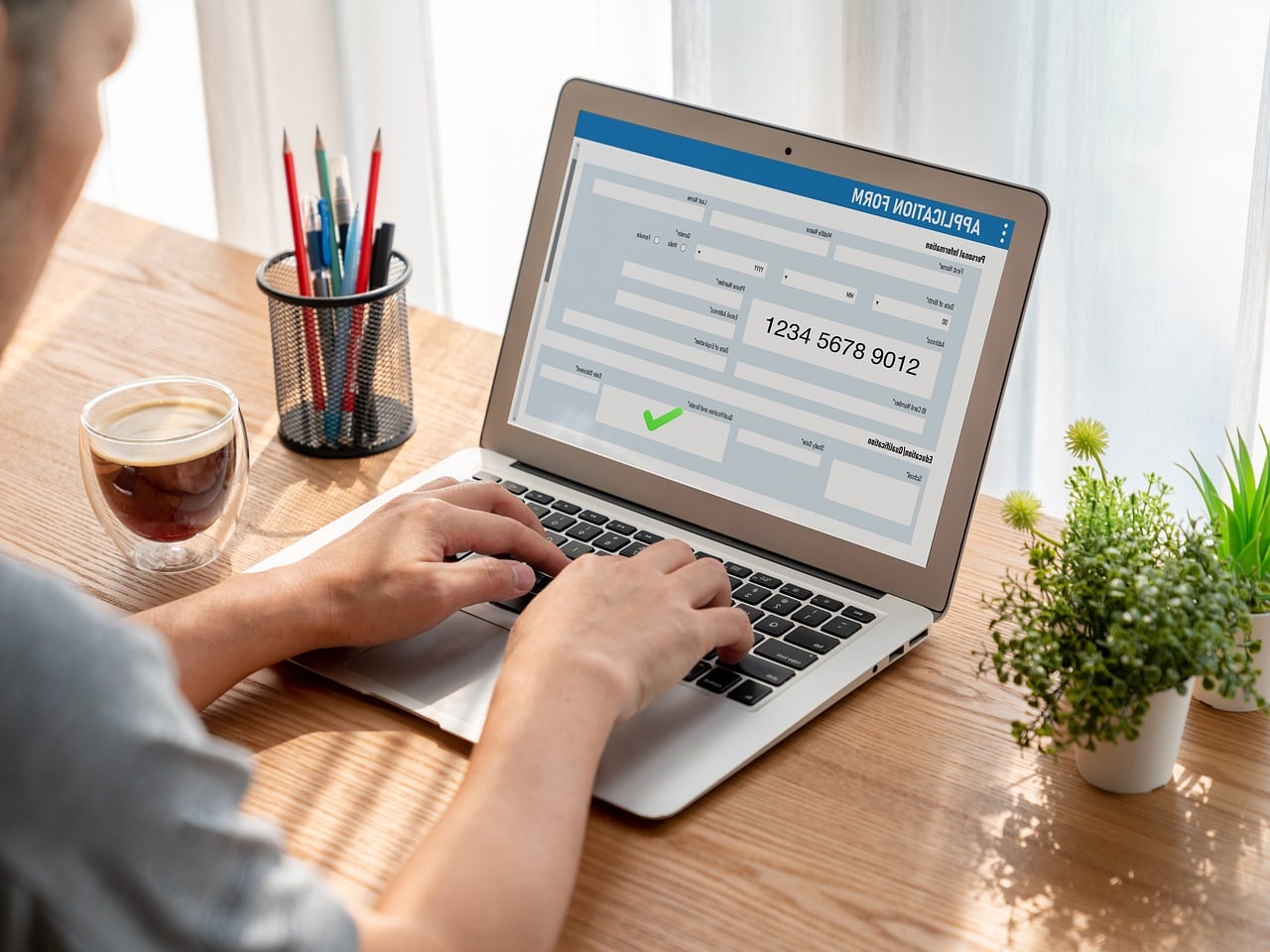
Our data is one of the most important things we possess. Various information can be used against us by unscrupulous people. The government and our banks warn us about fraud and how to protect ourselves, but how can we protect ourselves from online signups and any-size websites?
Sign-up pages can ask for a variety of information. Basic signups are username, password and e-mail. But some signups include address, telephone number and sometimes DOB.
There is a lot of information in long signup forms. Also, imagine what you have given? You have given your name, your address and postcode, also your DOB, mobile number and e-mail address.
Let’s start with a basic signup. Username and password are not really a problem. Any site you use that asks for a password over 8 characters is usually strong. Then there is just the email address to fill in, except for the terms and conditions and the website advertising button.
The email address is usually your email address, but this can lead to problems. You have given a website your email, and it could be subject to spam. Your junk box usually helps, but some spam can get into your inbox.
Even if you uncheck the checkbox not to receive adverts, you can still get them. But sometimes it’s better to protect your main email address by having a junk email address for signups.
There are many free email companies like Gmail, Hotmail, Mail.com and Proton Mail. They are all good, and don’t put your own name in the email address; make something up.
Now we have your name and address. This seems reasonable for an e-commerce website that is delivering something. But giving your name and address, DOB and mobile number to a website that offers free wallpaper downloads is a no-no.
Adding your mobile number to a form has become common on larger corporate websites. You currently cannot sign up for certain sites without a phone number.
The only idea we have is that phone handsets are cheap now, and with SIM cards from £2.50 a month, you can have a spare phone to store all your secondary internet numbers. Yes, we get spam on our phones, and you try getting rid of and blocking the messages.
The last point is the DOB field in a form. This is starting to appear on forms now. You must ask why and what use your DOB is, maybe for spam.
At the end of the day, you must read the privacy statement to find out how your data is used. If they sell it people can have a lot of information about you.
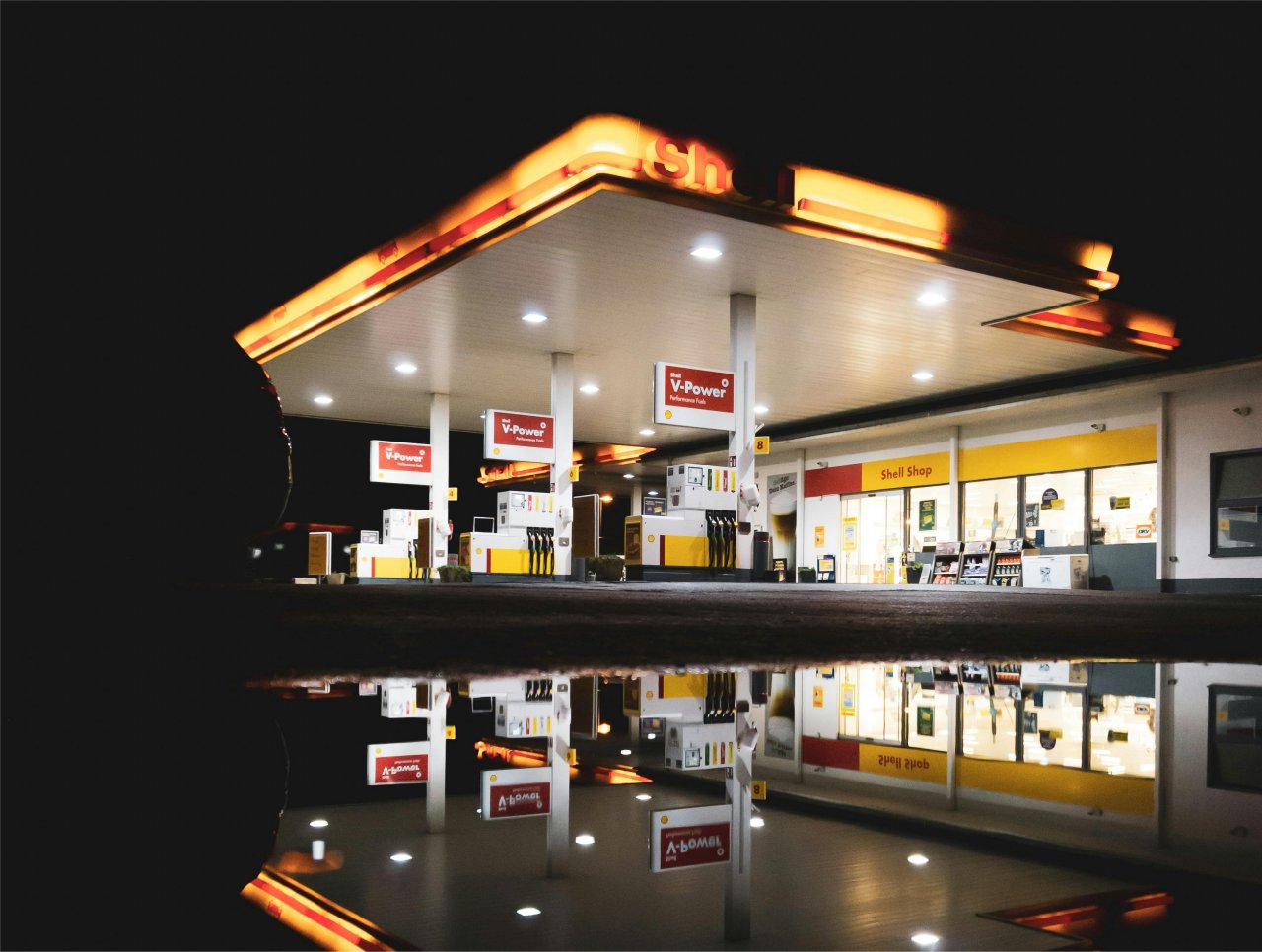
There seems to be a lot going on at the moment, and all seemed hopeless before the war as it was; now it’s even worse. Let’s start with fuel.
The war has caused the price of oil to increase, causing panic buying and garages to rip the public off. After the price of fuel went up after war broke out in Ukraine a few years ago, we are back to square one in terms of price. In March, the price of petrol per litre went up 20p, and the price of diesel increased 40p.
But fuel shortages lead to more things than a tank of fuel, costing us more. Gas, electric, and other utility bills change. Indirectly, this leads to interest rate and inflation rises.
The UK government are also threatening in this crisis to put up fuel duty just to add insult to injury. Some EU countries, Australia, and New Zealand, too, are dropping the price of duty to help their citizens. As usual, the British public must absorb the squeeze. Oh, every time the PM has a conference or is on the news, he wants the best for the British public. Nothing new, he acts like a robot, not fully programmed.
That Racheal Reaves is a power-hungry Chancellor who does not care one iota about you or what’s in your pocket. Keir Starmer, as usual, wavers between should we ” and ” shouldn’t we. Solid leadership is what a country looks for. We have no stability, nothing solid to look up to. This Labour government is run by all and sundry in the Labour Party and not by Keir Starmer himself.
So, the government has said they may have to introduce fuel rationing sometime in the near future, but not to panic buy. Come on, as soon as this type of message comes out in the media, people will queue for miles to get fuel and panic buy. Currently, the garages are running out of fuel constantly, allowing garages with fuel to rip you off. Fuel has been seen at 1.99.9 for diesel, and the government is not going to stand for this. Anything done, NOTHING.
It’s about us, the public, that should matter. We have Keir Starmer in PMQs not answering questions at all, and he looks weak and frankly pathetic. He bleats on about how he wants the best for the country, but fails to resign as PM, allowing someone else to have a chance and fix his failings.
The war has not been good to the downtrodden UK people. With inflation set to rise and interest rates going the same way, it’s going to affect our pockets, and does anyone care? NO. It’s ok for these multi-millionaire MPs that run our country. They can go spend what they want, but they do not know what meeting ends meet means. Oh yes, they’re secure in their big houses and a second house in the city.
They don’t have to care about the UK people, and they don’t in some cases. Perhaps they are too well paid and have too big an expense account. We need some stability and leadership in the UK. We have neither now, and people are crying out for this.
The petrol crisis is hitting people in the pocket with a full tank costing £23 more than it did before the war, which can pay for shopping, utilities, etc. When it will end, no one has any idea now.
We have to push through and hope someone helps the public like the chancellor.
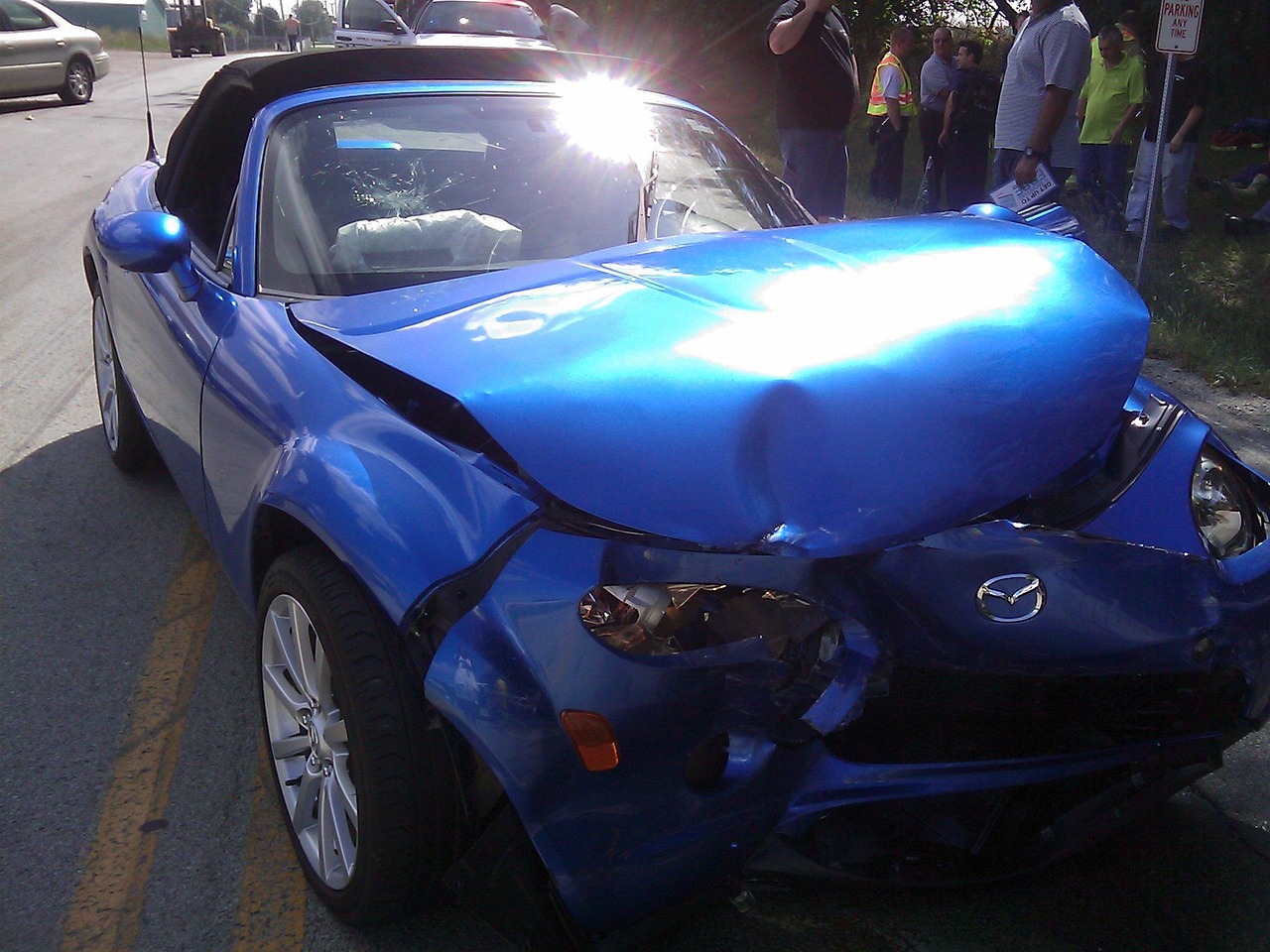
We all cringe at the thought of an accident in our cars, vans, and motorcycles. If the worst should happen, it’s worth nothing, but here are a few points that could help you in the long run.
So, you drive somewhere, and suddenly, out of the blue, you have an accident. You may hit someone, or they may hit you. It may be your fault, or it may be theirs, but before we draw conclusions, take a step back and check you are ok after the accident.
The next thing to do is get out of your vehicle and check for damage, and check your surroundings. It is so important in this situation to take photos of everything. Lots of pictures of your damage and the damage to the third-party vehicle. Then the easiest way forward is to speak to the other third party and swap the insurer’s details.
NEVER, when making contact with the other person in the accident, say you are SORRY. How can you be sorry when you do not know whose fault it is? Do not admit anything; it’s not your job to do that; it is your insurance company’s job. There is no need to have a long conversation with the other party to make sure you do not say anything incriminating. Always get the third parties’ details.
You will need Name, address, and insurance company, but most importantly, the make, model, if possible and the registration number. Without these details, you may find your insurer cannot get the details it needs to process your claim. All this can be easy to say because you just had an accident and could be shaken up, but try. Getting these simple things done first is important.
Then contact your insurer, giving all the details you received and give them a description of the accident. They will ask you a series of questions about things like what the driving conditions were like, etc. Just tell the truth, as lying can void your insurance, but everything you say is logged.
That is, if the insurance company handles your case, it will contact the other driver’s insurance and decide who was or was not to blame. There can also be an outcome of 50/50 liability that can be given.
Finally getting the outcome you do not want allows you to appeal to the insurance company. If you feel you were not in the wrong, always complain to the complaints department because remember, if it’s your fault, you’re looking at an insurance premium increase, and that hits the pocket worse.

Is This Prime Minister Listening?

What’s on Netflix in August 26

The Advantages and Disadvantages of Using a VPN


-

 Entertainment4 weeks ago
New For Netflix In July
-

 Motoring4 weeks ago
The Group B Rally Era with Speed and excitement.
-

 Consoles3 weeks ago
No More DVD Media From Sony For The PS
-
 Football4 weeks ago
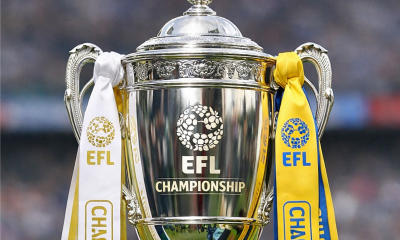
2026-27 EFL Championship season fixtures in full:
-

 Consumer2 weeks ago
Keeping Our Data Safe
-

 Government2 weeks ago
Has Andy Burnham Got The Minerals
-
 Info2 weeks ago
Travellers reminded to take precautions to avoid infections abroad this summer
-

 General2 weeks ago
2026 Bank Holidays
-
 Consoles2 weeks ago
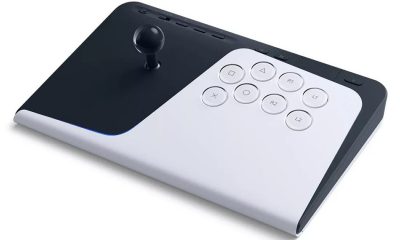
Hardware Delayed and No Disc Backlash for PlayStation
-

 Entertainment2 weeks ago
While We Trawled Youtube
-

 Government1 week ago
We Have A New Labour Leader
-

 Motorcycles1 week ago
Harley-Davidson The Ultimate Cruiser