
Home
England has a flag and is proud of it.
Living in the UK, we have the flag situation currently. The UK has four flags for each country or principality

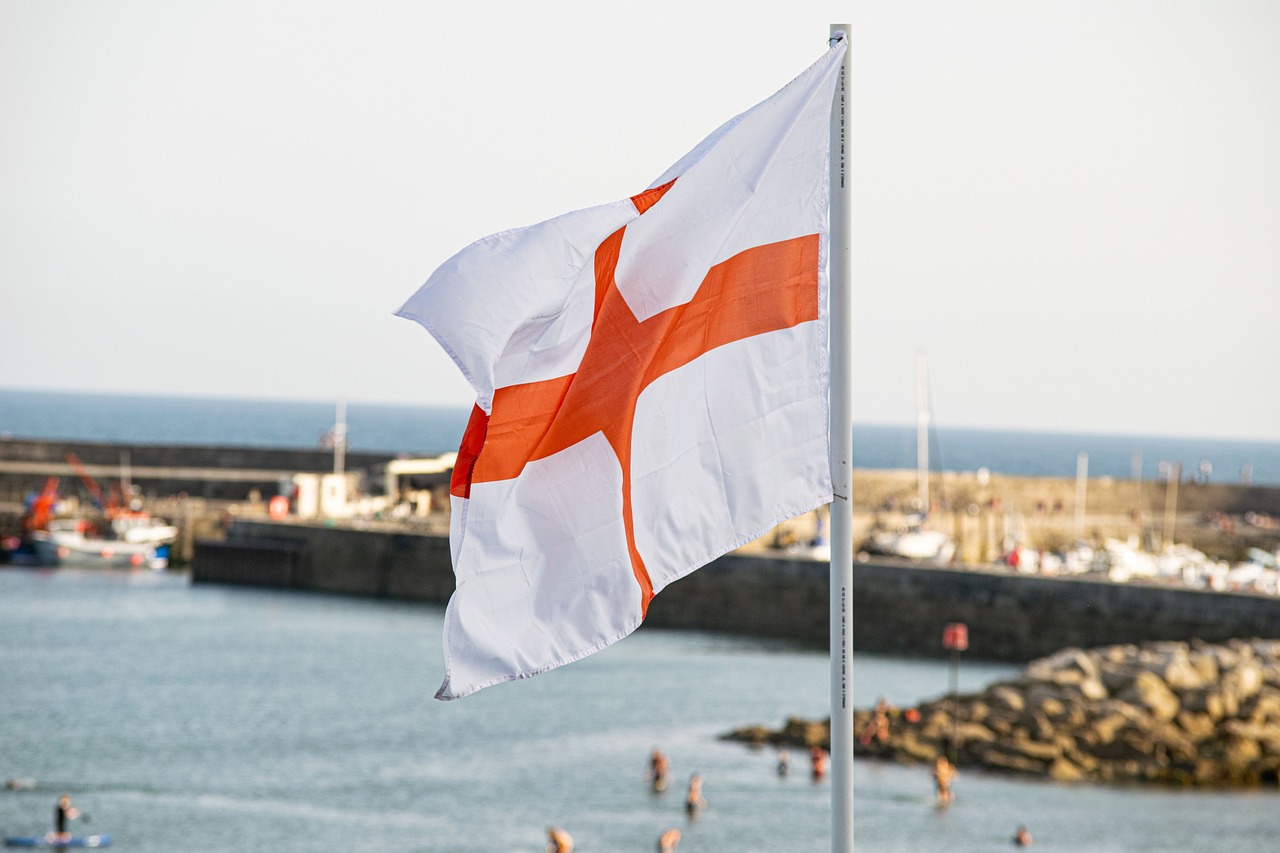
Living in the UK, we have the flag situation currently. The UK has four flags for each country or principality. One for England, Wales, Scotland and Northern Ireland. The England flag is the St George’s Cross.
In England, we are getting remarks from the left that if you fly the St George’s Cross, you’re racist. We also are discouraged from flying the England flag in case it offends foreigners. We cannot be proud of our flag like the Americans are about theirs.
Local Government Intervention
It’s reported that flags have been removed in a British seaside town because they had no permission to be erected. The council have stated the flags are being taken down for safety and are not authorised to fly.
Installed in Weston-super-Mare, the flags have been removed 3 times. The Town Council Deputy Mayor (Liberal Democrat) commented on a video on social media reports GBNews, that the flags “send a bad message to the local people and the visitors of this town.”
Noted on GBNews, Caroline Reynolds also stated, “It sounds like we’re not welcoming when we really are welcoming in Weston-super-Mare, so we really don’t want to see them.

Sending a bad message to whom? English people would be proud of the flags, so is soft-touch UK happening currently? It’s a great place for the UK to advertise; come here, it’s all free, and we won’t offend.
Final Thoughts
If anyone’s forgotten and lives in England, we do have a flag. The flag is the St George’s Cross, and we should not be told it’s racist and offensive. Did we have these problems in the 60s to 90s? NO.
If the flag causes so much offence, why are you here? It’s like a lack of respect for the country you are in and who hands out life to them. Again, people are trying to make us feel like second-grade citizens with this ridiculous fascination with our flag.
This is England; we may not be proud of our government, but we are proud of our country.









Energy Bills
UK Energy Bills to Rise by 4% This October: What Households Need to Know
UK households are set to face a 4% rise in energy bills this October


UK households are set to face a 4% rise in energy bills this October, adding fresh pressure to budgets already stretched by the cost‑of‑living crisis. The increase comes as suppliers adjust prices in response to wholesale market changes, network costs, and ongoing volatility in global energy supply.
Why Are Bills Going Up?
Energy companies say the rise reflects higher costs in delivering electricity and gas to homes. Wholesale prices have remained unstable throughout the year, influenced by international supply issues, increased demand, and the cost of maintaining the UK’s energy infrastructure. Although the increase is smaller than previous spikes, it still marks another step upward for millions of households.

How Much More Will People Pay?
A 4% rise means the average household will pay slightly more per month, depending on usage and tariff type. For families already dealing with rising food prices, rent, and transport costs, even a modest increase can make a noticeable difference.
Support Available for Households
Several forms of help remain available:
- Energy supplier payment plans for those struggling to keep up
- Government support schemes, depending on eligibility
- Warm Home Discount, which offers a one‑off annual reduction for qualifying households
- Energy efficiency advice, including insulation and smart meter usage
Checking with your supplier is often the quickest way to see what support you can access.

What Happens Next?
Analysts expect energy prices to remain unpredictable heading into winter. While the October rise is relatively small, future adjustments will depend on global market conditions and domestic policy decisions. Households are encouraged to monitor tariffs, compare deals, and keep an eye on upcoming announcements from regulators.
Bottom Line
The 4% rise in October may not be the steepest increase the UK has seen, but it adds another layer of pressure for families already managing tight budgets. Staying informed, exploring support options, and reviewing energy usage can help soften the impact as the colder months approach.
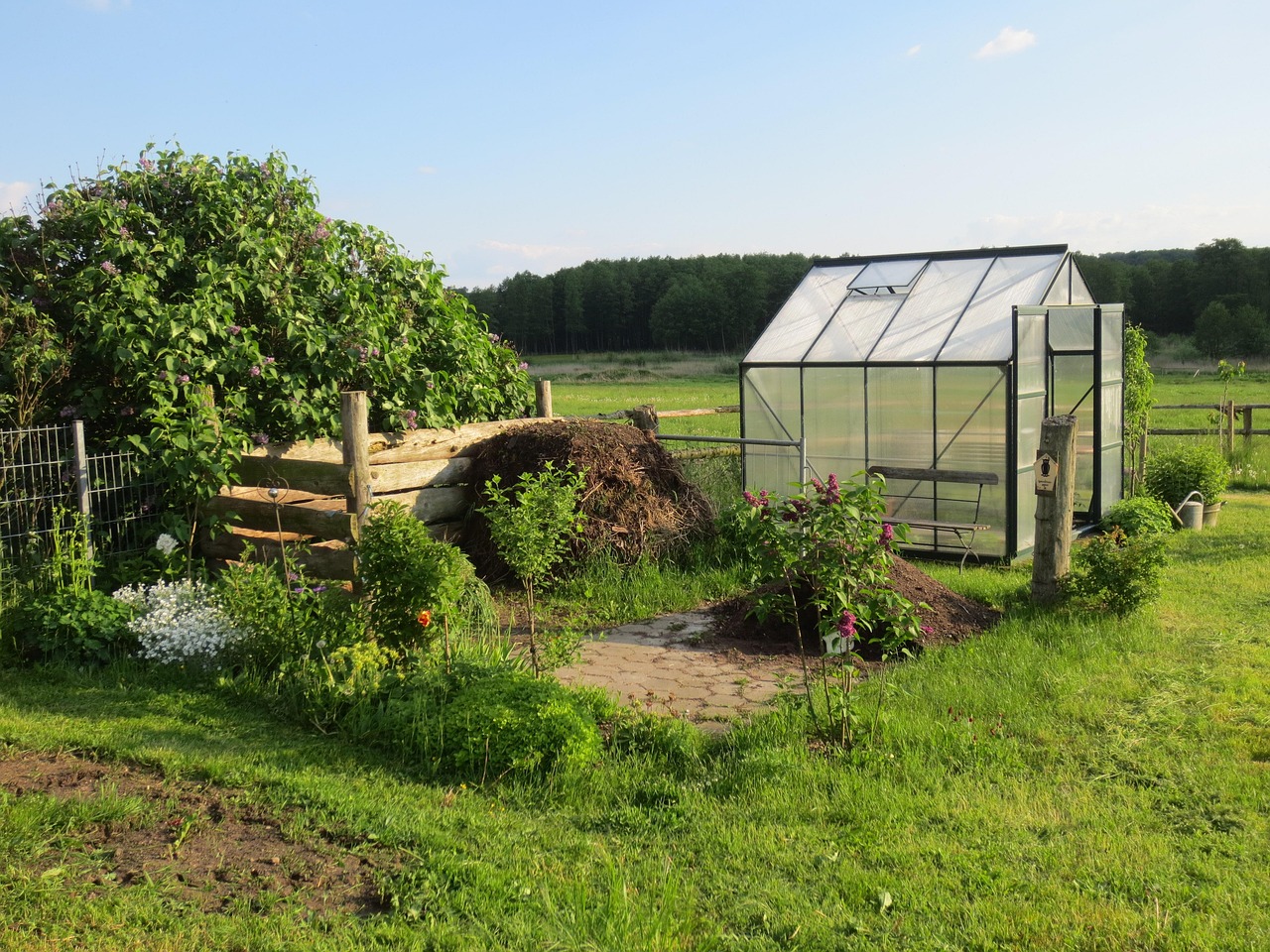
Gardening is perhaps one of the best hobbies that a more laborious nature lover can take up. The reason why I choose to call this hobby laborious is that it surely does involve a good deal of physical activity. This hobby is not meant for those nature lovers who simply want to bask in the natural beauty that already exists. Rather, it is an ideal pastime for those who want to make their own contribution to nature.
In order to be successful in gardening, one must have the following qualities: –
1.) Besides having a love for gardening, you should also have the will and determination to pursue your hobby.
2.) You must be physically fit and agile. Laziness and gardening are anonymous to each other.
3.) Learn to exchange your ideas and information with like-minded people who can show an equal passion for gardening.
4.) Try laying your hands on almost any books, magazines or articles that can enhance your knowledge on gardening.
5.) Be prepared to invest a small amount of your earnings in purchasing the Can’t do without, gardening tools.
The world of gardening is wide, and it has immense possibilities for those who want to explore it with the right zeal and enthusiasm. You can choose from indoor gardening, outdoor gardening, landscaping, cultivating exotic herbs, growing bonsais, and thus the list is endless. However, it is important to do a fair amount of research work before delving into any of the above fields. You should master the art of choosing the right plants and also learn the techniques favourable for their productivity and growth.
Growing plants is not enough. Deciding where the plants should grow is also an important aspect of gardening. Nothing can be more distasteful than a garden which has colour-clashing flowers growing all around in a haphazard manner. So be careful about allocating the plants to their respective locations. Arrange the assortments of flowers in accordance with their heights, textures and colours so that they complement each other without diminishing the beauty of your garden.
Keep aside one day from the entire week to be your gardening day. Generally week -ends would be a good choice. On this day, equip yourself with all the essential gardening tools and accessories and get down to your work. If you have children or friends who are equally interested in gardening, call for their assistance. The more the merrier!
Once you are done for the day, clean your tools well and store them in their right place. Be sure to maintain your gardening tools because well-maintained tools can give you years of good performance. After all, tools aren’t something that you can afford to buy every week.
Whether you are an efficient gardener or not can be best proved by your garden itself. So stop twiddling your thumbs and put your green fingers to use. As far as gardening is concerned, if you have really put in hard work, your efforts will never go to waste.

There’s an old saying that states something like – “Getting Started Is Half Finished”. And so many times, I find this to be true as I see do-it-yourself landscapers struggle to find their initial design idea. However, once they establish a framework of necessary design elements, it usually goes pretty smoothly from there.
It’s not surprising that the most common landscape design question I get is: “Where do I begin?” or “How do I start my design?” I know it can be difficult. And especially if you don’t have a vision for your design.
So where do you begin? How do you start your landscape or garden design?
While every design is different and every designer follows a set of rules and principles, I find that most do-it-yourselfers all have the greatest success from using the same starting point. Begin by laying down any paths, driveways, access routes, or walk areas that might be needed. And also create access to any areas that you may plan on creating. In many designs, this will help to establish a framework that you can simply design around.
Of course, this won’t be applicable in all designs, as many don’t require any access or travel. So take and use this advice where and if you can.
Paths and walkways can accomplish many functions in your landscape or garden. Their main function, of course, is to create a designated space for people to walk on.
However, in design and as an aid to design, their function could be to guide your visitors to, through, or away from some other area in the garden. Also, they’re a great way to break up a vast expanse of lawn, meadow, or bed area.
First, let’s look at walkways, paths, and such as necessary elements.
Walkways are needed to guide visitors or yourself to and from another area. Observe that almost every home has a walkway leading to the front door, which is, of course, where most folks want to invite guests to come. So walks, whether refined (brick, flagstone, etc.) or primitive (gravel, mulch, etc.), are necessary to “guide” or “lead” visitors to, through, or away from an area.
So, where are the necessary areas where you need other walkways or access? Maybe from the back door to the alley where you dump the trash. Or from the house to the pool area. Or from the pool area to the kids’ play area or the outdoor cooking area. You get the picture.
In a design sense.
Establishing walk, drive, and access areas will, in turn, help to create borders and boundaries. Once you have your walkways laid out, you can simply design a lot of the landscaping around them. The same goes for driveways and parking areas as well. You can plant beds on either or both sides of a walk or use a walkway as an edge to create borders.
Keep it interesting if you can.
If you were to, for instance, plan to place a sitting area at the back of the garden. Of course, you would need some type of path for you and your guests to get there. However, instead of plotting a straight path, why not create a winding tour through other interesting areas of the garden on the way there?
Curves and winding paths do more than just create interest. They can also create an illusion of more space, distance, and travel. This is especially useful in creating small gardens and landscapes.
Once you lay out walkways, driveways, and access areas, you’ll have a good starting framework for the rest of the design. Now, simply design around them.
John Wright

England has a flag and is proud of it.

3 Free Games on PlayStation Network This Month (September 2026)

Understanding AI: An Absolute Beginner’s Guide


-

 Food2 weeks ago
Make Your Own Fresh Tomato Soup From Tomatoes
-

 Holidays2 weeks ago
British Seaside Resorts And Their Demise.
-

 Info1 week ago
Speed Cameras: How They Work and What UK Drivers Should Know
-

 Consoles2 weeks ago
3 Free Games on PlayStation Network This Month (August 2026)
-

 F11 week ago
2026 Formula One Championship: F1 News, Schedule and How to Follow
-

 Entertainment2 weeks ago
Well, He Is Back for Season 4
-

 Government2 weeks ago
Why Are the UK Homeless Being Treated Second Best in England?
-

 Modern Cars1 week ago
The Kia Picanto GT-Line: A Little Gem
-

 General6 days ago
Manchester: The Ultimate Guide to the UK’s Capital of Culture and Character
-

 General1 week ago
The Lunar Eclipse in the UK on August 28, 2026.
-

 Modern Cars1 week ago
The Hyundai i10 N Line Urban Turbo
-

 General4 days ago
UK Housing Market Trends: Council Housing, Renting and Support Explained