
Modern Cars
How to Find the Cheapest Car Rental Companies in the UK
Renting a car in the United Kingdom gives you the freedom to explore everything from the coastal roads of Cornwall to the Scottish Highlands.

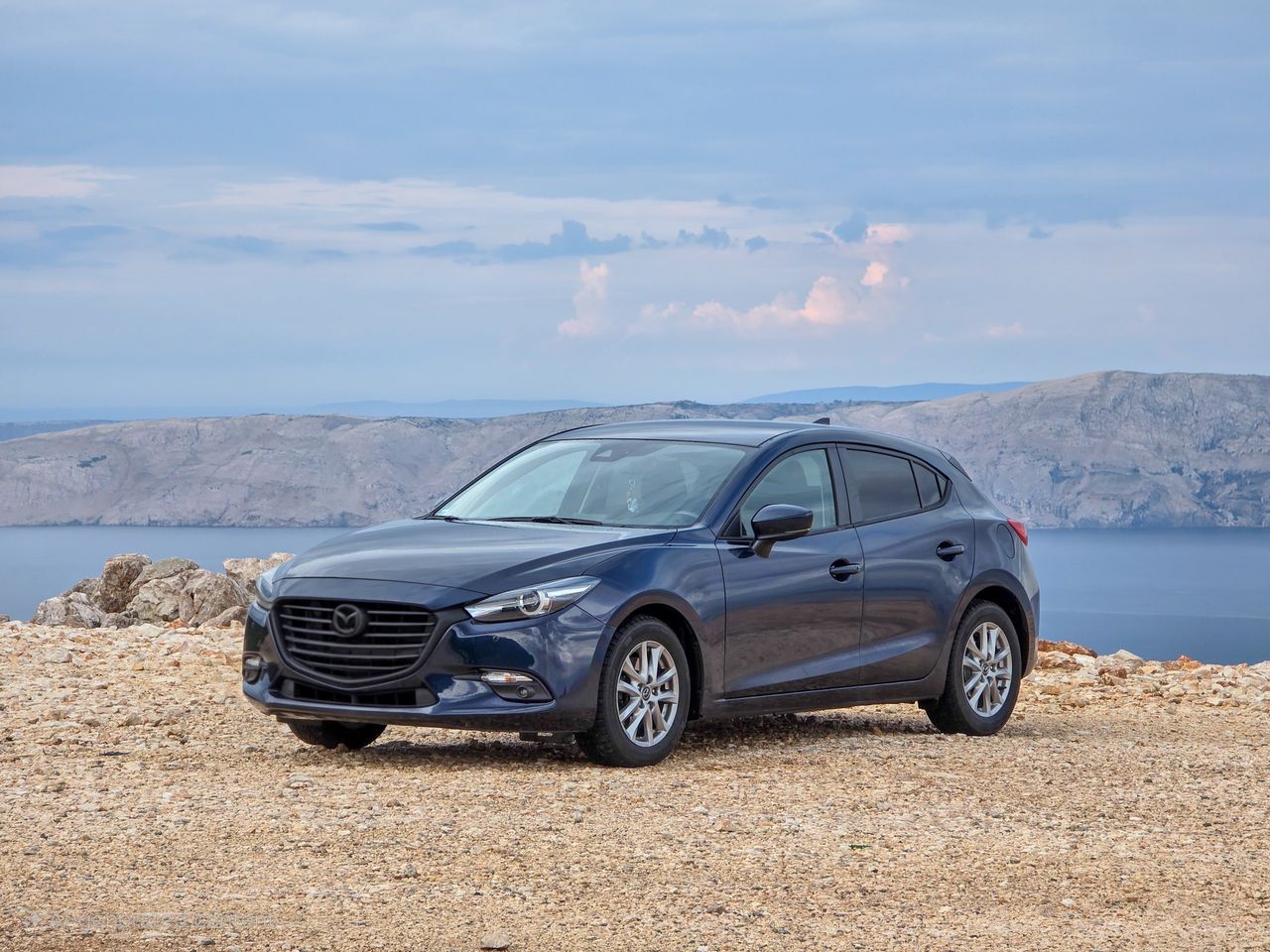
How to Find the Cheapest Car Rental Companies in the UK: A Complete Savings Guide
Renting a car in the United Kingdom gives you the freedom to explore everything from the coastal roads of Cornwall to the Scottish Highlands. However, car hire rates in the UK can vary wildly depending on the rental provider, pickup location, and booking strategy.
Whether you need a compact hatchback for a quick weekend getaway or a spacious SUV for a family road trip, here is a comprehensive guide to finding the cheapest car rental companies in the UK and avoiding hidden fees.
1. Top Budget Car Rental Companies in the UK
When searching for cheap car hire in the UK, rental companies generally fall into two categories: global budget brands and regional/independent providers.
Popular Budget Brands:
- Drivalia: Rapidly expanding across major UK airports and urban hubs, Drivalia frequently offers some of the lowest daily rates for economy and mini-category vehicles.
- Green Motion: Known for focusing on low-emission, hybrid, and electric vehicles, Green Motion often displays the lowest baseline prices on comparison engines. Note: Be sure to review their specific mileage limits and strict vehicle inspection policies.
- Enterprise & Alamo: While baseline rates can sometimes be slightly higher than deep-discount providers, Enterprise is renowned for transparent pricing, excellent customer service, and an extensive network of neighbourhood branches across the UK.
- Keddy by Europcar: The budget subsidiary of Europcar, Keddy offers lower rates while utilising the same main fleet and airport desks as its parent company.
- Sixt & Hertz (Low-Tier Vehicles): Both legacy brands regularly offer competitive deals on smaller vehicle categories (such as the Fiat 500 or Vauxhall Corsa) when booked well in advance.
2. Proven Strategies to Secure the Lowest Rates
Use Car Rental Comparison Engines
Never book directly through the first rental website you visit. Use aggregate comparison portals like Skyscanner, Auto Europe, Rentalcars.com, or Kayak to view real-time rates across dozens of suppliers simultaneously.
Avoid Airport Pickup Desks When Possible
Renting a car directly from major international hubs—such as London Heathrow (LHR), London Gatwick (LGW), Manchester (MAN), or Edinburgh (EDI)—often incurs an airport location surcharge or premium location fee.
- Money-Saving Tip: Take a short train or bus ride to a downtown or neighbourhood branch outside the airport perimeter. Off-site branches frequently offer significantly lower daily rental rates.
Book Early and Choose Flexible Cancellation
Car hire prices in the UK operate on dynamic pricing models based on demand. Booking 4 to 8 weeks in advance during peak seasons (such as summer holidays or Christmas) secures the lowest rates. Opt for “Free Cancellation” policies so you can rebook if prices drop closer to your travel date.
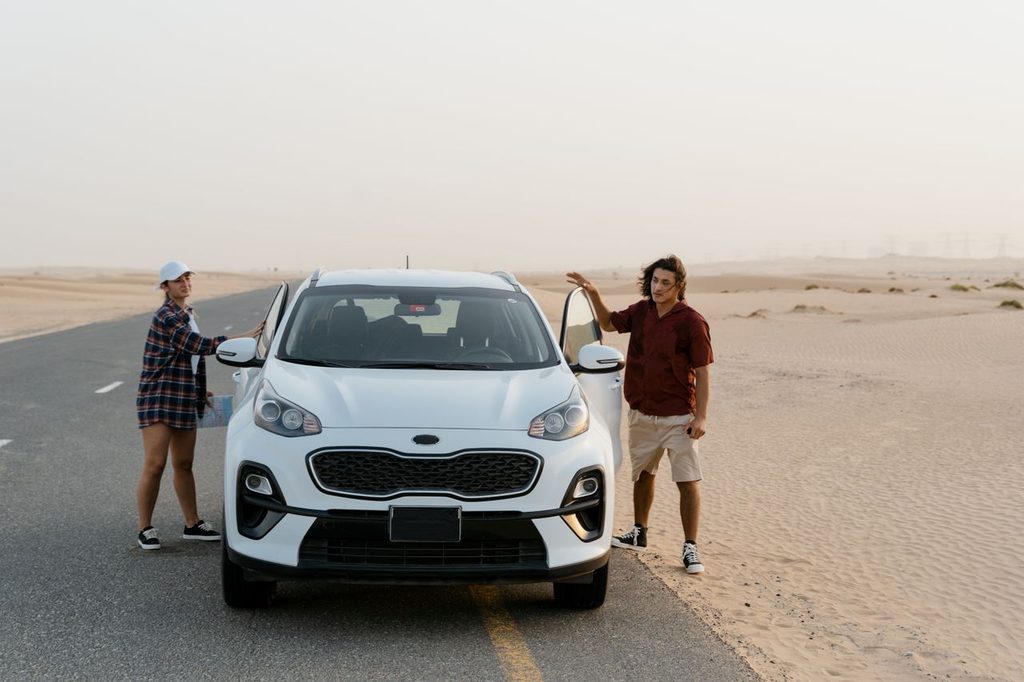
3. How to Avoid Hidden Fees in the UK
A cheap baseline rate can quickly become expensive if you fall into common add-on charges:
- Excess Insurance (CDW): Desk agents often push expensive daily Collision Damage Waiver (CDW) excess insurance at pickup. You can save up to 70% by purchasing an independent Excess Insurance Policy from a specialist UK provider before your trip.
- Fuel Policies: Always select a “Full-to-Full” fuel policy. This ensures you only pay for the fuel you actually use, provided you return the car with a full tank. Avoid “Pre-purchase” options, which charge inflated pump prices.
- Transmission Selection: Automatic cars are less common and more expensive to rent in the UK. If you are comfortable driving a manual (stick-shift) vehicle, you will instantly unlock significantly lower rates.
- Tolls and Congestion Charges: If driving through central London, remember to pay the London Congestion Charge and ULEZ (Ultra Low Emission Zone) fee online to avoid costly penalties from the rental agency.
Summary Checklist for Cheap UK Car Hire
- Compare rates using aggregator sites across multiple companies.
- Select a manual transmission, economy-class vehicle.
- Pick up from a city branch rather than an airport terminal where feasible.
- Buy third-party excess reimbursement insurance in advance.
- Return the vehicle with a full tank of fuel.
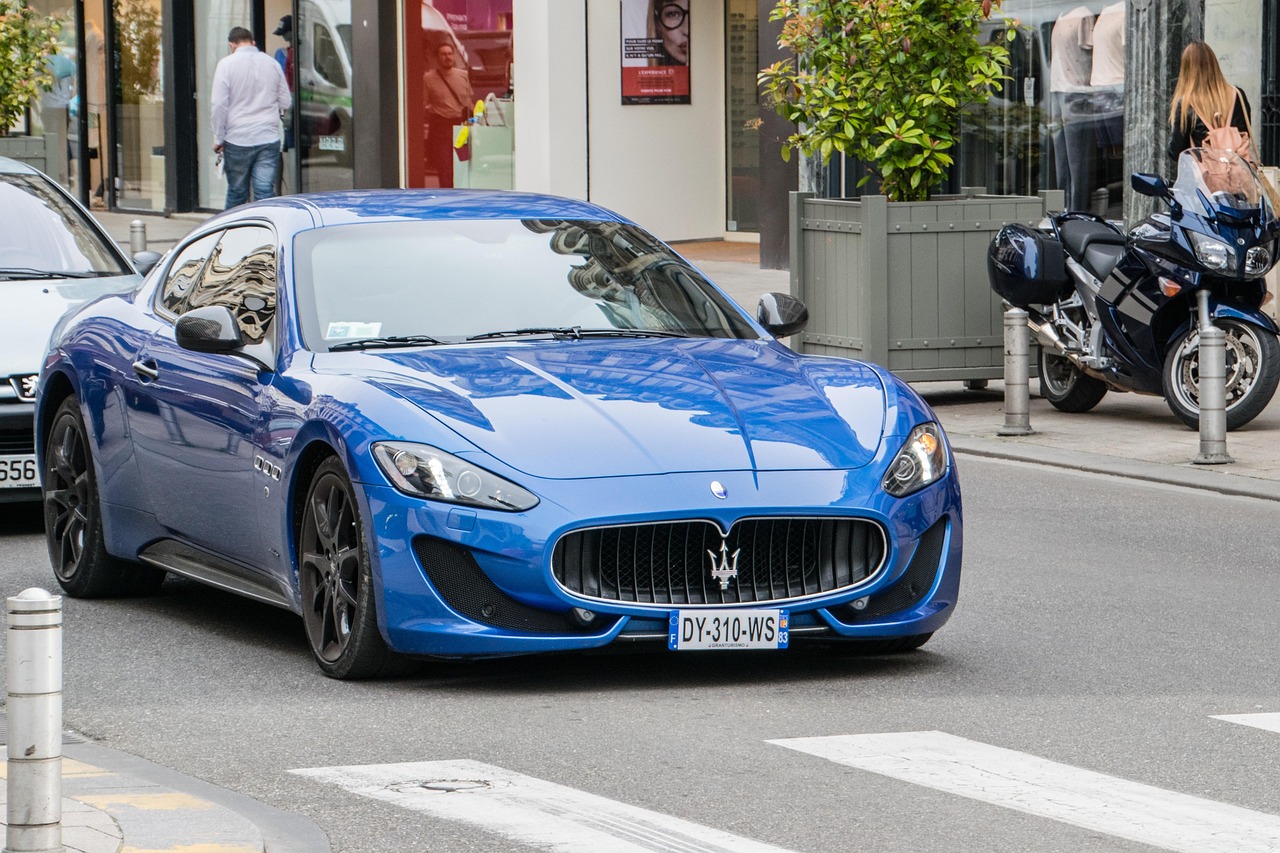
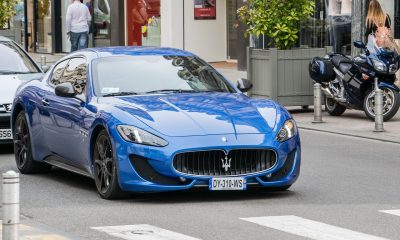
The History of Maserati: From Racing Pioneer to Modern Luxury Icon
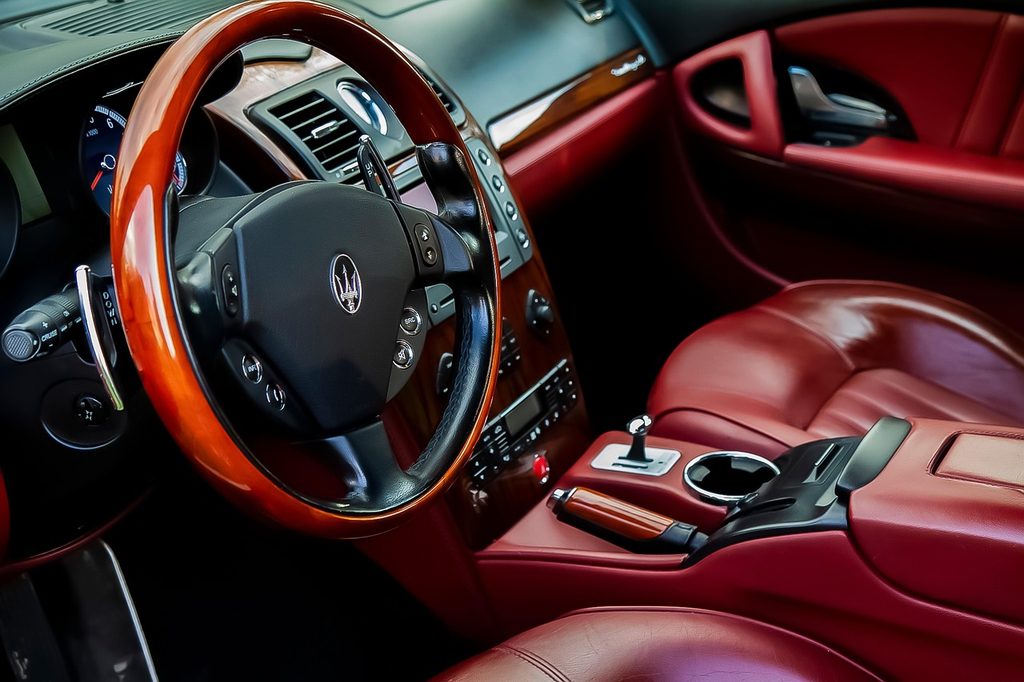
Few names in the automotive world evoke as much passion, heritage, and pure Italian elegance as Maserati. Instantly recognisable by its iconic Trident emblem, the Modena-based marque has spent over a century balancing high-performance motorsport engineering with handcrafted luxury GT touring.
From its humble beginnings in a small Bologna workshop to dominating World Championship Formula 1 tracks and transitioning into the modern era of electrification, here is the complete story of Maserati’s evolution.
1. The Founding Brothers and the Birth of the Trident (1914–1930s)
Maserati was officially founded in Bologna, Italy, on December 1, 1914, by brothers Alfieri, Ettore, and Ernesto Maserati. Raised with a deep fascination for mechanics and high-speed engines, the brothers initially operated as a specialised garage building race cars for Diatto.
When Diatto suspended its motorsport program in 1926, the Maserati brothers built their very first original race car: the Tipo 26. Driven by Alfieri Maserati himself, the Tipo 26 won its class at the gruelling Targa Florio in 1926, establishing the brand’s reputation overnight.
1914: Workshop Founded ➔ 1926: First Car (Tipo 26) ➔ Trident Logo Designed by Mario Maserati
The Origin of the Trident Logo
Unlike his mechanically minded brothers, Mario Maserati was an artist. He designed the brand’s legendary logo based on the Fountain of Neptune located in Bologna’s Piazza Maggiore. The Trident symbolised strength, vigour, and Neptune’s control over the sea, rendered in Bologna’s traditional red and blue colours.
2. The Golden Era of Grand Prix & Le Mans (1930s–1950s)
Tragedy struck in 1932 when visionary founder Alfieri Maserati passed away following complications from a racing crash. In 1937, the surviving brothers sold their shares to industrialist Adolfo Orsi, who relocated the company headquarters to Modena, Italy—where Maserati remains based to this day.
Historic Racing Achievements
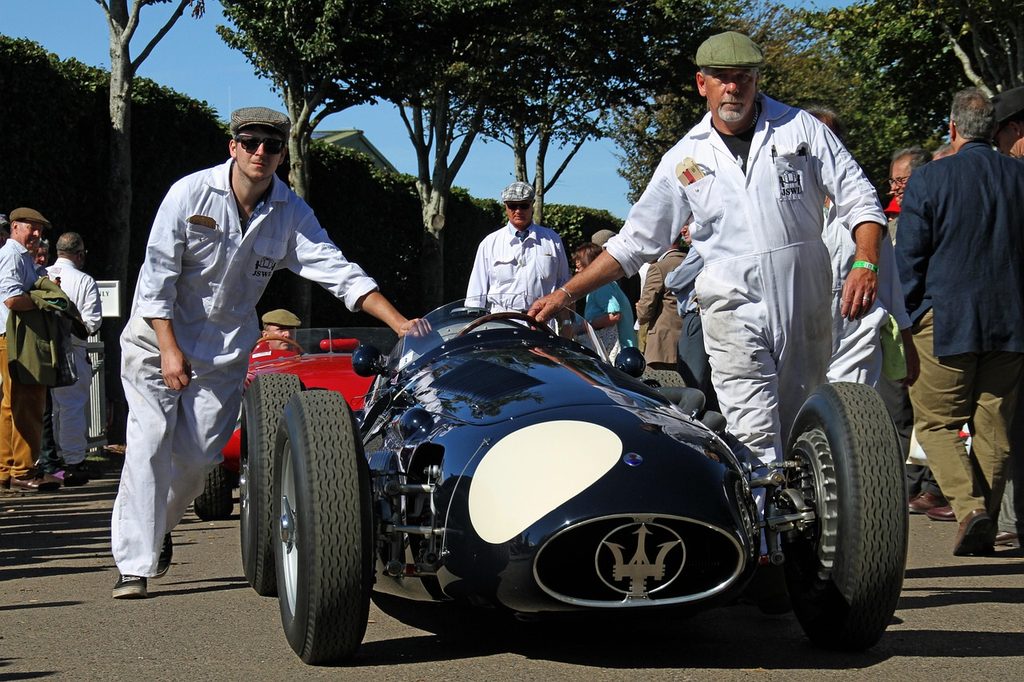
- Indy 500 Dominance (1939 & 1940): Maserati became the first and only Italian manufacturer to win the Indianapolis 500 back-to-back with the supercharged Maserati 8CTF (nicknamed the “Boyle Special”).
- Formula 1 World Championship (1957): The breathtaking Maserati 250F is widely regarded as one of the greatest Grand Prix cars ever built. Argentine racing legend Juan Manuel Fangio drove the 250F to a legendary victory at the 1957 German Grand Prix at Nürburgring, capturing his fifth F1 World Championship title.
3. Shifting to Road Cars: The Birth of the Grand Tourer (1947–1970s)
Following its success on the track, Maserati pioneered the concept of the high-performance Grand Tourer (GT)—a car capable of combining race-bred engines with long-distance luxury.
Iconic Road Models
- Maserati A6GCS & 3500 GT (1957): The 3500 GT was Maserati’s first mass-produced road car. Featuring aluminium bodywork by Touring Superleggera and a 3.5-litre inline-6 engine derived from racing, it proved to be a massive commercial success.
- Maserati Sebring & Mistral (1960s): Continued the brand’s tradition of naming road cars after famous winds (a tradition that later inspired the Ghibli, Bora, Khamsin, and Levant).
- Maserati Quattroporte (1963): Pioneered an entirely new vehicle segment: the world’s fastest four-door luxury sedan. Fitting a race-derived V8 engine inside a stylish sedan body created an instant flagship.
- Maserati Ghibli (1967): Styled by Giorgetto Giugiaro, the original Ghibli coupe stood out with its long bonnet, pop-up headlights, and 174 mph top speed, rivalling the Ferrari Daytona and Lamborghini Miura.
4. Ownership Changes: Citroën, De Tomaso, and Ferrari
The 1970s brought economic instability, oil crises, and changing automotive ownership:
| Era | Owner / Corporate Structure | Major Milestones & Models |
| 1968–1975 | Citroën Era | Introduced mid-engine supercars like the Bora and Merak, incorporating Citroën’s hydraulic brake and suspension systems. |
| 1975–1993 | De Tomaso Era | Managed by Alejandro de Tomaso. Shifted toward twin-turbocharged, smaller engines with the Biturbo line, boosting sales volume but struggling with reliability perception. |
| 1993–2004 | Fiat & Ferrari Integration | Fiat purchased Maserati in 1993 and later transferred 50% ownership to arch-rival Ferrari in 1997. Ferrari overhauled production quality, leading to the acclaimed 3200 GT and Coupe/Cambiocorsa. |
Citroën Era (1968) ➔ De Tomaso (1975) ➔ Fiat & Ferrari Era (1990s) ➔ Stellantis Group
5. Modern Resurgence: The MC12 and Global Expansion
Under Ferrari management and subsequent integration into Fiat Chrysler Automobiles (FCA), Maserati entered a major rebirth.
The MC12 Hypercar (2004)
To mark its return to GT racing after a 37-year absence, Maserati created the hypercar MC12. Based on the Ferrari Enzo chassis but featuring a distinct aerodynamic body, only 50 road-going units were produced. The MC12 dominated the FIA GT Championship, winning multiple titles.
Expanding the Modern Lineup
Throughout the 2010s, Maserati scaled up global production by expanding its portfolio:
- GranTurismo & GranCabrio (2007–2019): Designed by Pininfarina, featuring naturally aspirated Ferrari-built V8 engines with an unforgettable exhaust note.
- Ghibli (Executive Sport Sedan): Reintroduced in 2013 to compete against mid-size European luxury sedans.
- Levante (2016): Maserati’s first-ever production SUV, bringing Italian styling and active air suspension to the luxury SUV market.
6. Maserati Today: The Nettuno Engine and Folgore Electrification
Now operating under the Stellantis group, Maserati has launched an ambitious new era focused on bespoke supercar engineering and full electrification.
The MC20 Supercar & Nettuno Engine
In 2020, Maserati unveiled the MC20 (Maserati Corse 2020), marking a return to 100% in-house engineering at Modena. At its heart sits the groundbreaking Nettuno engine—a 3.0-litre twin-turbo V6 utilising Formula 1-derived pre-chamber combustion technology to produce over 620 horsepower.
The Folgore Era (Full Electrification)
Maserati is leading the Italian luxury market into electric mobility under its Folgore (Italian for “Lightning”) badge:
- GranTurismo Folgore: A tri-motor, 800-volt electric GT delivering over 750 horsepower and 0–60 mph acceleration in roughly 2.7 seconds.
- Grecale Folgore: A fully electric compact luxury SUV.
- GranCabrio Folgore: The luxury sector’s first all-electric convertible.
Summary Timeline
1914 ── Maserati founded in Bologna by the Maserati brothers.
1926 ── First official car, the Tipo 26, wins its class at Targa Florio.
1939 ── Wins the Indianapolis 500 (repeated in 1940).
1957 ── Fangio wins F1 Championship in 250F; 3500 GT launches luxury GT era.
1963 ── First-generation Quattroporte revolutionizes sports sedans.
2004 ── MC12 supercar claims FIA GT Championship dominance.
2020 ── MC20 supercar debuts featuring the in-house Nettuno V6 engine.
2024+─ Full transition toward Folgore electric powertrains across the entire lineup.
From its roots on 1920s dirt ovals to modern electric grand tourers, Maserati remains defined by its core philosophy: “Exceptional Everyday”—delivering race-bred performance wrapped in unmistakable Italian style.
Modern Cars
The Volkswagen Polo Life 2026
The Volkswagen Polo entry trim—often badged as the Life—proves that choosing a base-model hatchback doesn’t mean settling for cheap compromises

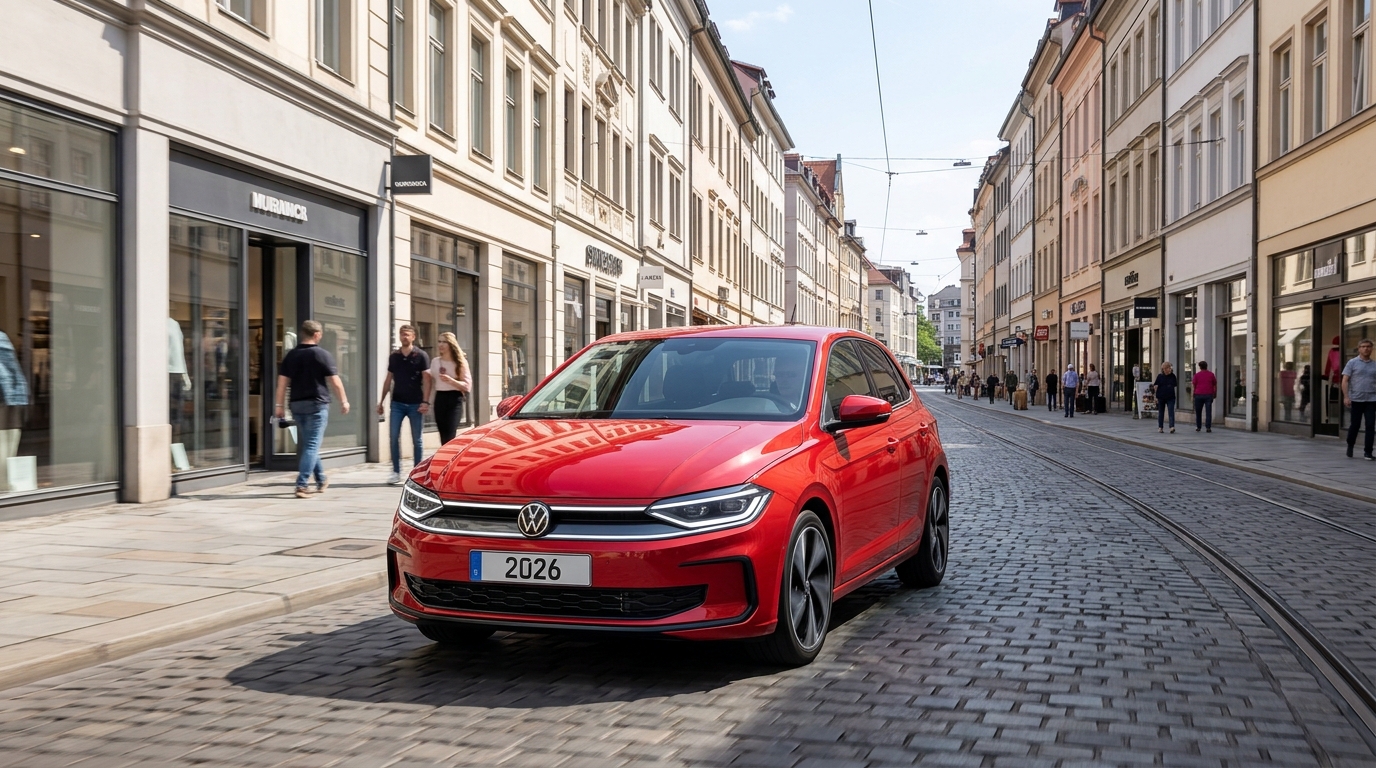
The Volkswagen Polo entry trim—often badged as the Life—proves that choosing a base-model hatchback doesn’t mean settling for cheap compromises. It balances sensible engineering, low running costs, and everyday practicality into a clean, modern package.
Understated Design & Exterior Essentials
While higher trims sport sporty body kits or flashy contrast accents, the base Polo keeps things clean and functional:
- Sleek Lighting: Comes equipped with full LED headlights as standard for strong nighttime visibility.
- Wheels: Fitted with 15-inch alloy wheels, delivering a comfortable ride over rough urban pavement.
- Body Styling: Clean lines, body-colored door handles, and a tidy front grille retain Volkswagen’s signature understated look.
Interior & Practicality
Inside, the base Polo prioritises durability, clean layout design, and easy everyday usability.
- Cockpit Tech: Features a digital instrument cluster alongside a central infotainment touchscreen with smartphone integration.
- No-Nonsense Cabin: Sturdy cloth upholstery, manual climate controls, and a straightforward layout built to withstand daily wear.
- Boot Capacity: Offers 351 litres of luggage space with the rear seats up, expanding to 1,125 litres when folded.
Engine & Efficiency
The base model relies on an efficient three-cylinder petrol engine tuned specifically for city commutes and economical cruising.
| Feature | Base Model Specs |
| Engine Type | 1.0-Liter 3-Cylinder Turbocharged Petrol (TSI) |
| Power Output | 95 PS (94 hp) |
| Transmission | 5-Speed Manual or 7-Speed DSG Automatic |
| Fuel Economy | ~5.2–5.4 L / 100 km (Combined) |
For budget-conscious buyers seeking German build quality, safety features, and a relaxed ride without paying a premium for trim extras, the base VW Polo remains a smart, dependable choice.

The Volkswagen Polo Life serves as the entry point to VW’s core hatchback range. Combining modern digital tech with classic small-car proportions, a thorough road test reveals whether this foundational trim level delivers real-world driving value.
Engine & Driving Dynamics
Under the bonnet, the Polo Life features Volkswagen’s ubiquitous 1.0-litre turbocharged 3-cylinder TSI petrol engine.
- Power & Acceleration: Generating around 85kW (114 hp) and 200Nm of torque, the engine punches above its displacement weight once the turbo spools.
- Gearbox Calibration: Paired with either a 5-speed manual or a 7-speed DSG automatic, power delivery is eager. The automatic setup can feel slightly hesitant at low crawling speeds, but quickly smooths out on the move.
- Handling & Ride Quality: Riding on standard 15-inch alloy wheels, the suspension leans toward comfort. It absorbs urban bumps easily, while maintaining signature German highway composure and stability.
Cabin Practicality & Technology
The interior avoids feeling like a stripped-down basic specification, integrating plenty of modern amenities.
- Digital Cockpit: Standard features include an 8.0-inch Digital Cockpit cluster paired with a centre infotainment screen supporting Apple CarPlay and Android Auto.
- Seating & Comfort: Durable cloth upholstery offers good support, and logical dashboard physical controls make adjustment effortless.
- Storage Space: A 351-litre luggage compartment easily handles daily errands and weekend bags.
Road Test Summary
| Metric | VW Polo Life Specification |
| Engine | 1.0L 3-Cylinder Turbo Petrol (TSI) |
| Output | 85 kW / 200 Nm |
| Transmission | 5-Speed Manual or 7-Speed DSG Auto |
| Claimed Fuel Use | ~5.4 L / 100 km |
| Boot Capacity | 351 Litres |
The Volkswagen Polo Life remains a refined choice for drivers wanting a comfortable, quiet, and secure hatchback experience without paying the top-tier trim premium.

The Hyundai i10 N Line injects a serious dose of motorsport attitude into a tiny, practical city car. Designed for drivers who want hot-hatch flair without high running costs, it brings aggressive looks and punchy performance to urban roads.
Bold Exterior Design
The N Line treatment elevates the standard i10 with sharp styling cues straight from Hyundai’s high-performance ‘N’ division:
- Aggressive Front Fascia: A distinctive, dark front grille featuring integrated LED daytime running lights and sportier bumper trim.
- Bespoke Wheels & Accents: Exclusive 16-inch alloy wheels, red trim details along the front splitter and side skirts, and N Line badging.
- Rear End: A dual chrome-tipped exhaust setup paired with an integrated rear diffuser.
Driver-Focused Cabin
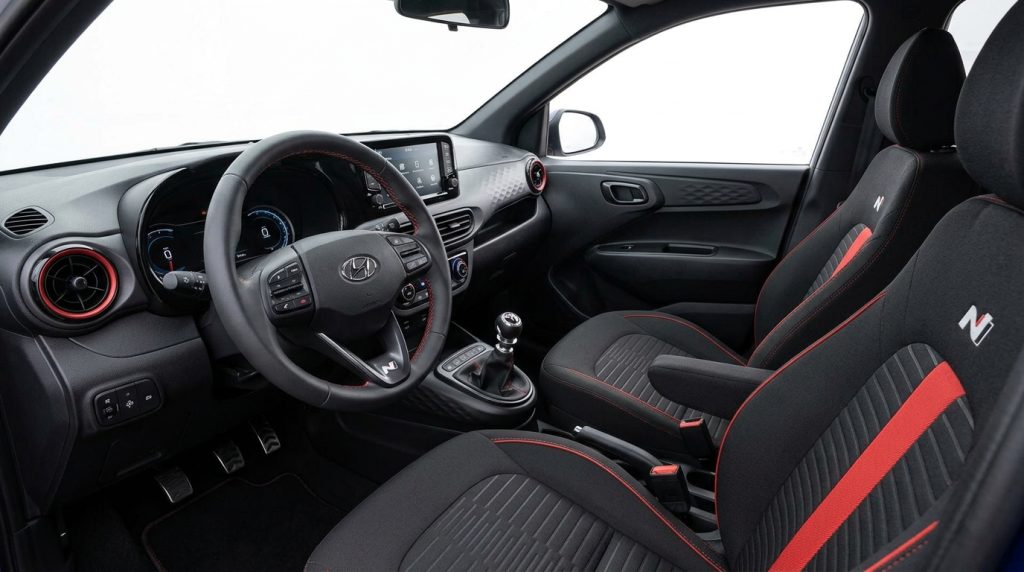
Inside, red accents and sporty touches transform the everyday cabin into a fun cockpit.
- Sport Trim: N-branded sports steering wheel, gear knob, and bucket seats wrapped in dark fabric with red contrast stitching.
- Aluminium Pedals: Metal pedals add a rally-inspired finish.
- Tech Suite: An 8-inch touchscreen infotainment system with wireless Apple CarPlay and Android Auto, alongside a digital driver display.
Engine & Driving Dynamics
Under the bonnet, the i10 N Line benefits from a punchy turbocharged engine paired with a retuned, firmer suspension setup for better cornering stability.
| Specification | Details |
| Engine | 1.0-litre 3-Cylinder T-GDi Turbo Petrol |
| Power Output | 100 PS (99 hp) & 172 Nm torque |
| Transmission | 5-Speed Manual |
| 0–100 km/h (0–62 mph) | 10.5 seconds |
| Cargo Capacity | 252 Litres |
The Hyundai i10 N Line proves you don’t need a massive footprint to enjoy sharp looks, modern cabin tech, and dynamic handling on daily drives.
The Hyundai i10 N Line takes the sensible DNA of a micro-hatch and infuses it with the rowdy spirit of Hyundai’s high-performance ‘N’ brand. A comprehensive road test reveals whether this warm hatch delivers real-world driving thrills or if it’s simply a sportier dress-up job.
Behind the Wheel: Dynamic Performance
Unlike lower trim levels with naturally aspirated engines, the N Line packs a 1.0-litre T-GDi 3-cylinder turbocharged engine mated strictly to a 5-speed manual transmission.
- The Engine Punch: Delivering 100 PS and 172 Nm of low-down torque, it pulls with surprising eagerness out of corners and low-speed junctions. It officially hits 0–100 km/h in 10.5 seconds, but the weightless footprint makes it feel noticeably quicker from behind the wheel.
- Ride and Handling: Tweaked suspension settings give the N Line a firmer stance than the base car. Body roll through sharp bends is well-controlled without destroying ride comfort over city speed bumps and potholes.
- Urban & Highway Limits: With a sub-5-meter turning radius, town manoeuvring is effortless. However, the absence of a 6th gear means engine noise builds up when cruising at higher highway speeds.
Cabin Ergonomics & Everyday Usability
Inside, Hyundai strikes a smart compromise between a motorsport atmosphere and real-world practicality.
- Sport Trim Extras: An N-branded leather steering wheel, short-throw gear stick, alloy pedals, and contrast red stitching enhance the cockpit experience.
- Infotainment: The central 8-inch touchscreen supports wireless Apple CarPlay and Android Auto, backed by physical buttons and climate dials for easy access while driving.
- Space: Despite its compact length, it carries 5 full-size seats and a class-competitive 252-litre boot capacity.
The Hyundai i10 N Line delivers an engaging driving experience that brings genuine fun to daily commutes while retaining the fuel efficiency, compact packaging, and tech suite essential for city life.
Check out the KIA Picanto as an alternative

How to Find the Cheapest Car Rental Companies in the UK

Understanding Interest Rate Changes

The Fallout of the Iran War


-

 Government7 days ago
So What’s The ECHR All About?
-
 Motorsport4 weeks ago
Le Mans History: The 24 Hours Race From 1923 to Today
-

 Travel2 weeks ago
Top 10 Most Expensive Countries for Food, Drink and Accommodation
-

 Football2 weeks ago
Premier League Matchday 8
-

 Football4 days ago
Premier League Matchday 9
-
 Classic Cars1 week ago
The History of Maserati
-

 Consoles2 weeks ago
November PlayStation Plus Lineup
-

 Europe6 days ago
Chasing the Sun on a Budget
-

 Consoles1 week ago
PlayStation Plus Free Games for November
-

 Uncategorized1 week ago
The Lotus MK1-2 Cortina
-

 Consoles3 days ago
PlayStation Portal
-

 Boxing5 days ago
Tyson Fury vs. Anthony Joshua