
News
The Fallout of the Iran War

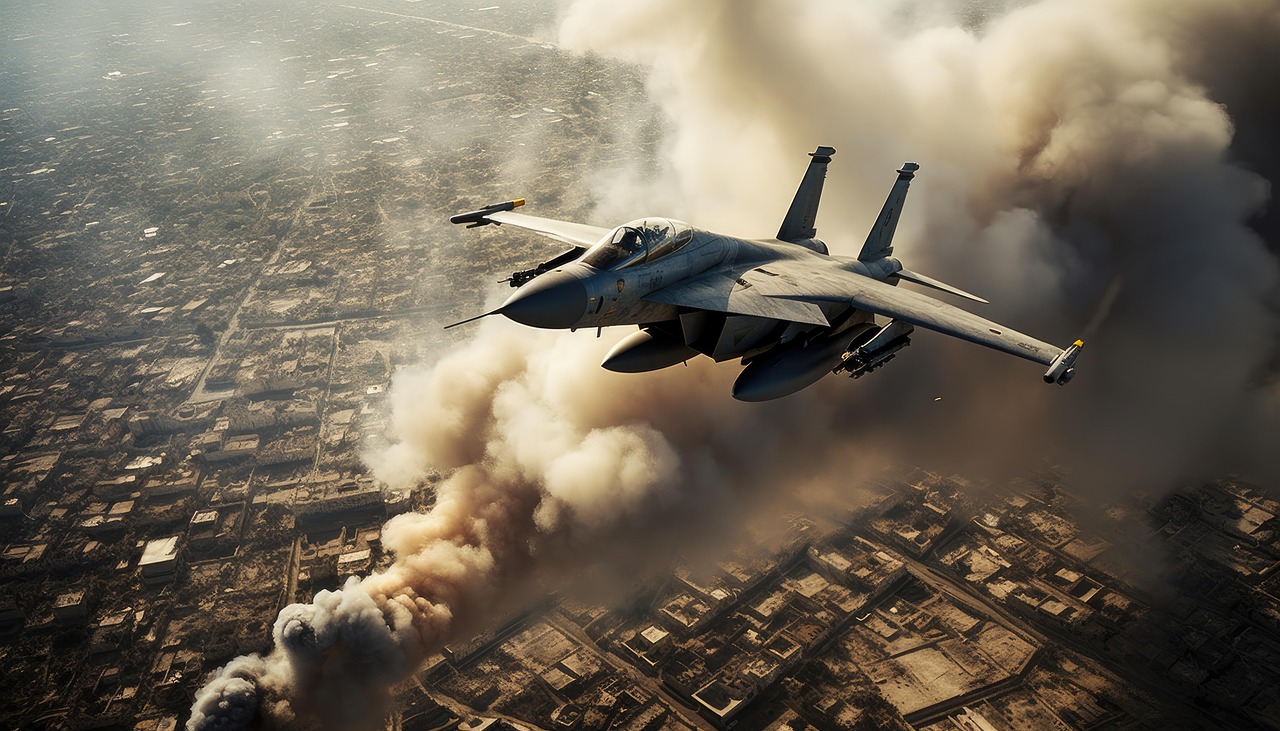
The Fallout of the Iran War: Economic Shockwaves, Regional Realignment, and Global Security
The military conflict involving Iran, the United States, and Israel has triggered a sweeping shift in the global order. Beyond the immediate military dimensions, the fallout has reshaped energy markets. It’s altered international trade routes and redefined security strategies across the Middle East and beyond.
1. Global Economic Shock and Energy Volatility
The most immediate global impact of the conflict was felt across energy markets and supply chains. Maritime security disruptions around key trade corridors—most notably the Strait of Hormuz—forced significant recalculations in global shipping.
- Energy Prices: Threat vectors along critical maritime bottlenecks caused energy prices to surge, driving oil and natural gas prices higher.
- Freight and Insurance Costs: Maritime transport through key Middle Eastern waters saw steep increases in war-risk insurance premiums. This raised shipping costs for consumer goods, raw materials, and agricultural inputs.
- Resurgent Inflation: The sudden spike in transport and fuel costs trickled down into global supply chains. This complicated central bank policies as monetary authorities attempted to balance inflation risks against economic growth.
2. Realignment of Regional Dynamics
The fallout from the war has accelerated structural political changes across the Middle East.
- Gulf State Diversification: Non-belligerent regional nations have accelerated efforts to diversify trade corridors, investing in alternative pipeline infrastructures, overland transit routes, and expanded bypass ports along the Red Sea and Gulf of Oman.
- Shift in Proxy Capabilities: The conflict significantly altered the operational footprint of non-state regional actor networks, forcing local governments to adjust their domestic and border defence priorities.
- Diplomatic Re-evaluations: Regional powers that previously balanced security arrangements between Western alliances and eastern trading partners are shifting toward pragmatic, defence-first diplomatic frameworks.
3. Defence, Security, and Modern Warfare Innovations
The tactics and hardware deployed throughout the war underscored new realities in modern high-intensity warfare.
- Asymmetric Air Defence Challenges: The extensive deployment of long-range, low-cost loitering munitions and missile salvos highlighted the cost asymmetry of modern air defence. Military planners worldwide are now prioritising low-cost kinetic interceptors, directed-energy weapons, and electronic countermeasure systems.
- Critical Infrastructure Hardening: Attacks on industrial sites, energy facilities, and regional transport hubs have made the physical and cyber defence of energy grid systems a paramount national security priority.
- Cyber Operations: Parallel to kinetic warfare, targeted cyber offensive campaigns targeted banking, logistics, and communication networks, reinforcing the need for hardened civilian and military digital infrastructure.
4. The Path Forward
The long-term consequences of the Iran war extend far beyond the immediate region. As global economies adjust to ongoing supply chain shifts and rising defence budgets, international policy is increasingly focused on energy independence, resilient supply corridors, and regional stabilisation strategies. Navigate these evolving geopolitical dynamics by staying informed through verified geopolitical and macroeconomic research outlets.





The Destruction of the Eagle’s Nest (Kehlsteinhaus): History, the October 2026 Fire, and What Comes Next
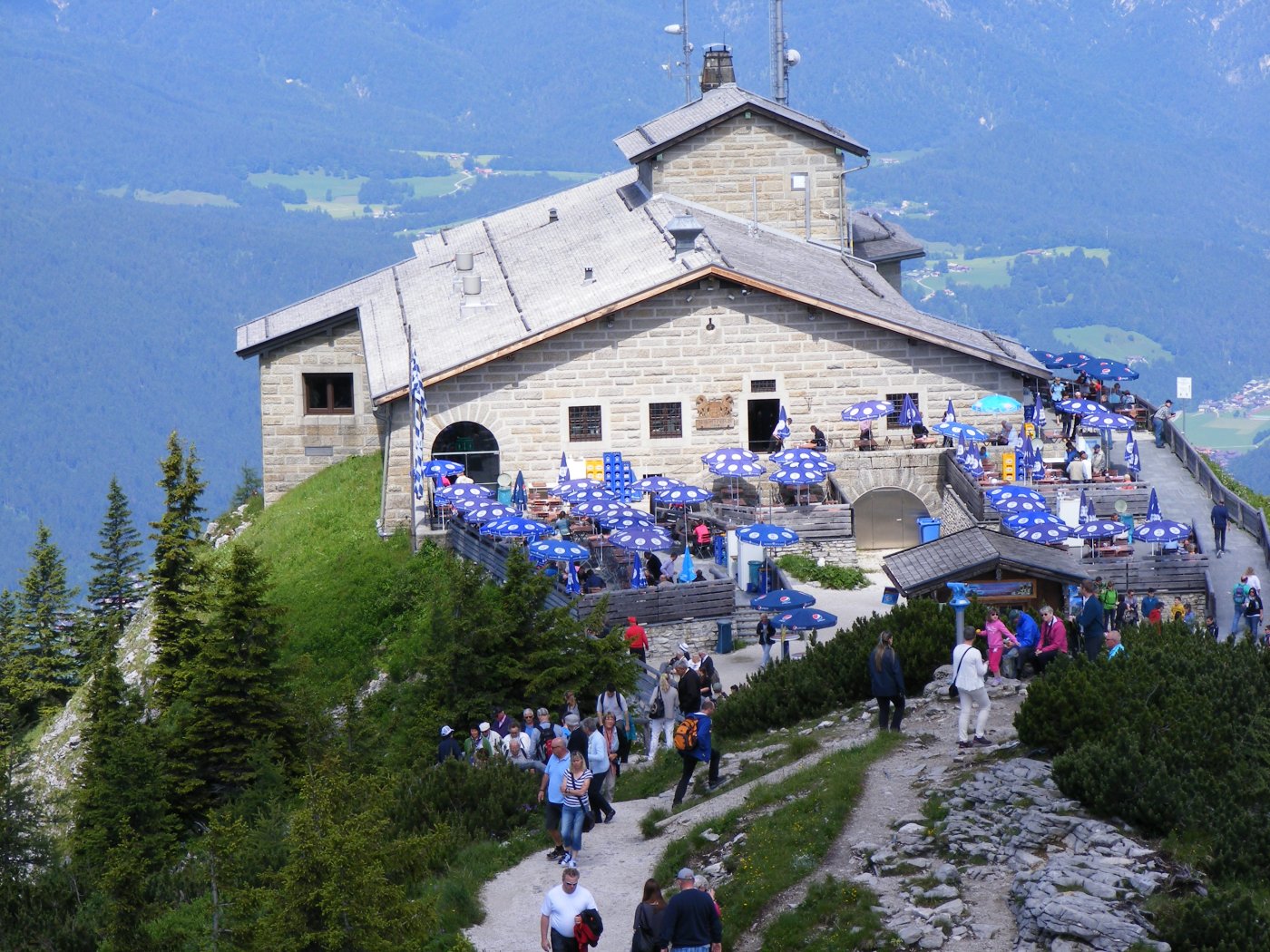
Perched at an elevation of 1,834 meters (6,017 feet) in the Bavarian Alps near Berchtesgaden. The Kehlsteinhaus—famously known in the English-speaking world as the Eagle’s Nest—stood for nearly nine decades. It is a monument to World War II history and alpine engineering.
On October 23, 2026, a catastrophic fire engulfed and gutted the historic mountaintop structure. The event has reignited global discussion over the preservation, symbolism, and future of Nazi-era historical sites.
The History of the Kehlsteinhaus
Commissioned in 1937 by Martin Bormann on behalf of the Nazi Party. The Kehlsteinhaus was constructed as a diplomatic reception house and 50th birthday gift for Adolf Hitler. Designed by Roderich Fick, the building took 13 months to complete under perilous alpine conditions.
Engineering and Key Architectural Features
- The Mountain Road: A 6.5-kilometre approach road climbing 800 vertical meters. It was engineered with five mountain tunnels and only one hairpin turn.
- The Tunnel and Brass Elevator: Visitors reached the main structure by passing through a 124-meter-long tunnel carved into solid granite, leading to an elevator lined with polished brass and mirrors.
- The Main Reception Hall: Highlighted by a red Italian marble fireplace gifted by Benito Mussolini.
Despite the immense capital and human labour invested in its construction, Hitler rarely visited the site due to a fear of heights and the unpredictable mountain weather, preferring his nearby valley estate, the Berghof.
Post-War Survival and Modern Role
During the heavy Allied bombing raids on Obersalzberg in April 1945, the Kehlsteinhaus escaped direct damage. Following its capture by Allied forces, the site served as a military post before being returned to the State of Bavaria in 1960.
Rather than demolishing the structure, Bavarian authorities entrusted it to a charitable foundation. For decades, it operated as a commercial mountain restaurant and tourist destination, offering 360-degree views of the Berchtesgaden Alps while serving as an educational site documenting the history of the National Socialist regime.
The October 2026 Fire and Destruction
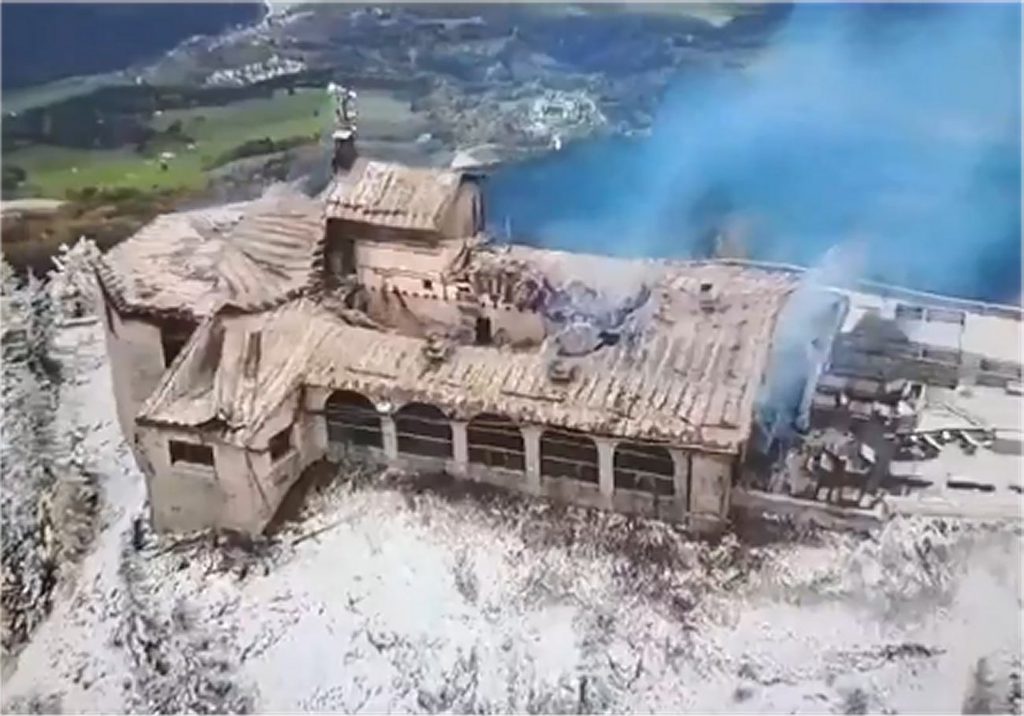
On the night of October 23, 2026, a massive blaze broke out at the Kehlsteinhaus. Firefighting units faced severe logistical obstacles, struggling against high winds, cold temperatures, and restricted access along the steep mountain pass.
Extent of the Damage
- Interior Destruction: The fire swept through the roof and timber-framed interior spaces, leaving the main reception areas heavily gutted.
- Surviving Elements: The outer stone masonry, foundation, and structural walls survived the blaze.
- Investigation: Authorities detained a 33-year-old German citizen on suspicion of arson, and investigators continue to evaluate the motives behind the attack.
The Future: Reconstruction vs. Remembrance
The destruction of the Eagle’s Nest has sparked widespread debate among historians, government officials, and the public regarding how Germany should handle the site moving forward.
Bavarian Interior Minister Joachim Herrmann publicly stated that the state does not intend to leave the historic site in ruins, emphasising that maintaining spaces dedicated to historical memory and education remains vital. Future plans for the site—whether focusing on full structural restoration or transforming the remains into an expanded memorial exhibit—remain under review by the Bavarian state government.
General
Solar Eclipse Due 12th August
On Wednesday, the 12th of August, some parts of Europe will experience a full solar eclipse. For holidaymakers in Portugal and Valencia, Spain


On Wednesday, the 12th of August, some parts of Europe will experience a full solar eclipse. For holidaymakers in Portugal and Valencia, Spain, it will be a total eclipse, with other areas like France and the UK getting a chance to photograph a partial eclipse.

96% of the eclipse will be viewable in the UK. Viewers in the southwest will get the best views, with nearly the whole sun covered.
Expect temperature drops and light fades. Don’t look at the sun without protection.
- Key UK timings (BST):
- Edinburgh & Glasgow: 6:08 pm – 8:00 pm, max at 7:05 pm
- Manchester & Liverpool: 6:13 pm – 8:03–04 pm, max at 7:10 pm
- London, Bristol, Cardiff: 6:17 pm – 8:06 pm, max at 7:12 pm
- Cornwall: 6:18 pm – 8:10 pm, max at ~7:16 pm
Remember to look west and get a high vantage point to get the best view.


It’s Friday, 8th May, VE Day. On the 8th of May 1945 Hitlers Nazi Germany surrendered to the Allies. After six years of fighting between 1939 and 1945, Europe had peace at last. The Germans invaded most of Europe and wreaked havoc.
While Europe was occupied by the Nazis, they killed and executed millions of people for their beliefs, etc.

During the Second World War in Europe, it is recorded that between 21 million and 25 million Allied military deaths occurred. The UK lost 383,600 military deaths during the conflict, with Russia losing the most between 8,800,000 and 10,700,000 million military personnel.
On June 6th, 1944, D-Day brought the invasion of Normandy. British and US forces attacked to liberate Europe. With the Russians attacking from the east and British and US forces also attacking from Italy, the date 8th May will be remembered because it ended the war.
The Nazi leader Adolf Hitler committed suicide instead of standing to be counted for the war crimes the German army and the SS committed. Some of the war crimes were crimes against humanity and waging aggressive war. The Nuremberg trials, which put the Nazi high command left alive on trial, put all the charges against the Nazis.
These days, we have only a handful of soldiers still alive. They did their duty for Britain and freed us from an evil tyranny. Hitler was so close to invading England that we may have lost the war and been talking German.

The problem is that not many young people know enough about WW2. The older generation had stories from their parents and grandparents. It’s 81 years since the end of the war, we should not forget.
The Falklands War in 1982 was 44 years ago. If you ask youngsters if they remember this war its unlikely, they do.
Let’s not forget WW2 and its significance in the life we have today. All those lives lost to give us freedom.

The Fallout of the Iran War

Cook a Stress-Free Full Christmas Dinner

Building Your Own Home Server


-

 Government6 days ago
So What’s The ECHR All About?
-

 Motorsport4 weeks ago
Le Mans History: The 24 Hours Race From 1923 to Today
-

 Travel2 weeks ago
Top 10 Most Expensive Countries for Food, Drink and Accommodation
-
 Football1 week ago
Premier League Matchday 8
-

 Football4 days ago
Premier League Matchday 9
-
 Classic Cars1 week ago
The History of Maserati
-

 Consoles2 weeks ago
November PlayStation Plus Lineup
-

 Consoles1 week ago
PlayStation Plus Free Games for November
-

 Europe5 days ago
Chasing the Sun on a Budget
-

 Uncategorized6 days ago
The Lotus MK1-2 Cortina
-

 Boxing5 days ago
Tyson Fury vs. Anthony Joshua
-
 F14 days ago
2026 Mexican Grand Prix: History Made at Autódromo Hermanos Rodríguez