
General
International dialing codes
Phoning abroad? Find your country code.


| A Afghanistan Albania Algeria Andorra Angola Anguilla Antarctic Aus Territory Antigua and Barbuda Antilles Argentina Armenia Aruba Ascension Island Australia Austria Azerbaijan Azores B Bahamas Bahrain Bangladesh Barbados Belarus Belgium Belize Belize Bermuda Bhutan Bolivia Bosnia and Herzegovina Botswana Brazil Brunei Darussalam Bulgaria Bukina Faso Barundi C Cambodia Cameroon Canada Cape Verde Islands Cayman Islands Central African Republic Chad Chile China Christmas Island Cocos Island Columbia Comoros Congo Cook Islands Costa Rica Cote d’Ivory Croatia Cuba Cyprus Czech Republic D Denmark Djibouti Dominica Dominican Republic E Ecuador Egypt El Salvador Equatorial Guinea Eritrea Estonia Ethiopia F Falkland Islands Faroe Islands Fiji Finland France French Guiana French Polynesia G Gabon Gambia Georgia Germany Ghana Gibraltar Greece Greenland Grenada Guadeloupe Guam Guatemala Guinea Guinea – Bissau Guyana H Haiti Honduras Hong Kong Hungary I Iceland India Indonesia Iran Iraq Ireland Republic of Israel Italy Ivory Coast – Cote d’Ivorie J Jamaica Japan Jordan K Kazakhstan Kenya Kirghizstan Kiribati Korea (North) Korea (South) Kuwait L Laos Latvia Lebanon Lesotho Liberia Lybia Liechtenstein Lithuania Luxembourg M Macao Macedonia Madagascar Malawi Malaysia Maldives Mali Malta Marshall Islands Martinique Mauritania Mauritius Mayotte Mexico Micronesia Maldovia Monaco Mongolia Montserat Morocco Myanmar (Burma) Mozanbique N Namibia Nauru Napal Netherlands (Holland) Netherlands Antilles New Caledonia Nicaragua Niger Nigeria Norway O Oman P Pakistan Panama Papua New Guinea Paraguay Peru Philippines Pitcain Island Poland Portugal Pueto Ricco Q Qatar R Romania Russia Rwanda S St Helena St Kitts and Nevis Samoa (USA) Samoa Western San Marino Saudi Arabia Senegal Seychelles Sierra Leone Singapore Slovakia Slovenia Solom Islands Somalia South Africa Spain Sri Lanka Sudan Surinam Swaziland Sweden Switzerland Syria T Taiwan Tajikistan Tanzania Thailand Togo Tongo Trinidad & Tobago Tunisia Turkey Turkmenistan Turks & Caicos Tuvalu U Uganda Ukraine United Arab Emirates United Kingdom Uraguay USA Uzbekistan V Vanuatu Venezuela Vietnam Virgin Islands (UK) Virgin Islands (US) Y Yemen Yugoslavia Z Zaire Zambia Zimbabwe | 93 355 213 376 244 1809 672 1809 599 54 374 297 247 61 43 994 351 1809 973 890 809 375 32 501 229 1809 975 591 387 267 2 673 359 226 257 855 237 1 238 1 809 236 235 56 86 672 672 57 269 242 682 506 225 385 53 357 42 45 253 1 809 1 809 593 20 503 240 291 372 251 500 298 679 358 33 594 689 241 220 7 & 995 49 233 350 30 299 1 809 590 671 502 224 245 592 509 504 852 36 354 91 62 98 964 353 972 39 225 1 809 81 962 7 254 7 686 850 82 965 856 371 961 266 231 218 423 370 352 853 389 261 265 60 960 223 356 692 596 222 230 269 52 691 373 33 93 976 1 809 212 95 258 264 674 977 31 599 687 505 227 234 47 968 92 507 675 595 51 63 649 48 361 1 809 974 40 7 250 290 1 809 685 685 378 966 221 248 232 65 42 386 677 252 27 34 94 249 597 268 46 41 963 886 7 255 66 228 676 1 809 216 90 7 1 809 688 256 380 971 44 598 1 7 678 58 84 1 809 49 1 809 967 381 243 260 263 | +4 1/2 +1 +1 +1 +1 -4 +4 1/2 +10 -4 -4 -3 +4 -4 0 +8 +10 +1 +1 -1 -5 +3 +6 -4 +2 +1 -6 +1 -4 +6 -4 +1 +2 -3 +8 +2 0 +2 +7 +1 -3 1/2 – 8 -1 -5 +1 1 -4 +8 +7 +6 1/2 -5 +3 +1 +10 1/2 -6 0 +1 -5 +2 +1 +1 +3 -4 -4 -5 +2 -6 +1 +3 +2 +3 -4 0 +12 +2 +1 -3 +10 +1 0 +4 +1 0 +1 +2 -3 -4 -4 -10 -6 0 0 -3 -5 -6 +8 +1 0 +5 1/2 +7 +8 +3 1/2 +3 0 +2 +1 0 -5 +9 +2 +5 +6 +3 +3 +12 +9 +9 +3 +7 +2 +2 +2 0 +1 +1 +2 +1 +8 +1 +3 +2 +8 +5 0 +1 +12 -4 0 +4 +3 -6 – 8 +11 +2 +1 +8 -4 0 +6 1/2 +2 +2 -12 +5 3/4 +1 -4 +11 6 +1 +1 +1 +4 +5 -5 +10 -4 -5 +8 -8 1/2 +1 +1 -4 +3 +2 +2 1/2 +10 +2 0 -4 -11 -11 +1 +3 0 +4 0 +8 +1 +1 -11 +3 +2 +1 +5 1/2 +2 +3 +2 +1 +1 +2 +8 +5 +3 +7 0 -13 -4 +1 +2 +5 -5 -12 +3 +2 +4 0 -3 -5 -11 +5 +6 -11 -4 +7 -4 -4 +3 +1 +1 +2 +2 |



The UK housing market touches almost every part of daily life, from the rent you pay to the roof over your head. For many people, the biggest story in recent years has been the sheer pressure on housing. The system can feel complicated, with council registers, private tenancies and part-buy options all running in parallel. This article looks at the main trends shaping housing across the UK and the practical support available to residents, drawing on the latest information published by councils and advice services.
Demand for Social Housing Remains Very High
Across the country, local authorities report that demand for social housing is far outstripping supply. In Leeds, for example, the city’s housing portal states plainly that demand for social housing is very high and that homes cannot be found for everyone who applies. That reality shapes how councils manage their waiting lists and why the housing register is so important. Being on the register does not guarantee a home, but it is the essential first step for anyone hoping to secure a council property.
How the Housing Register Works
Most councils operate a housing register for people seeking social housing, but it is not a simple first-come, first-served list. Councils use banding systems to prioritise applicants based on their circumstances. Dorset Council, for instance, is updating its Housing Register so that it remains fair, consistent and fit for purpose. Existing applicants in Dorset can check the renewal and band changes page and log in to their housing account online.
Southampton runs a similar system called Homesearch, where residents can apply for a council property and log in to manage their application. The key point is that your priority can change over time, so reviewing your band and circumstances regularly makes sense. If your income, health or family situation changes, your band may need to be updated, and staying on top of that paperwork can affect how quickly you are considered for a home.
New Build Social and Affordable Homes
Part of the answer to high demand is building more homes, and councils are increasingly using their own portals to advertise new stock. Leeds Homes, the city’s housing portal, publishes details of any available new build social and affordable rented homes provided by Leeds City Council and its partner housing providers. These new build homes are allocated through the same application process, but they represent an important source of supply in areas where older council stock is limited. For anyone on the housing register, checking for available new build properties can be worthwhile, although availability changes from month to month.

Private Renting and the Renters’ Rights Act
Private renting is the largest part of the UK housing market for many households, and it is also the area where rules are changing most quickly. Southampton City Council has highlighted that changes from the Renters’ Rights Act are taking place from 1 May 2026 for private renters. The date signals a significant shift in how tenancies and renter protections will work, and councils are encouraging tenants to find out more. If you rent from a private landlord, it is sensible to check your housing status and keep up to date with the changes. Advice services such as Citizens Advice will usually have the most current information.
Support for Private Renters, Tenants and Leaseholders
Renting privately comes with its own set of challenges, from repairs to rent arrears, but councils bring much of the practical support together in one place. Cornwall Council, for example, provides information on council housing, affordable homes, tenant support and homelessness services, alongside tools for paying your housing rent and reporting a repair. The council also offers access to help for private renters and emergency advice. Tenants and leaseholders alike need to know where to turn when something goes wrong, whether that is a leak that is not being fixed or a dispute about a deposit.
A Range of Housing Options Beyond Council Renting
Social housing is not the only route for people who cannot afford to buy on the open market. In Kingston upon Thames, the council sets out a range of housing options, including applying for social housing, private renting, shared ownership and Housing for Older People. Shared ownership lets you buy a share of a home and pay rent on the rest, which can be a useful step for people who cannot afford a full deposit. Homes for Bolton also advertises a range of housing options available in its area, with demand and prospects information varying by property type.
Across Scotland, These Homes operates as a Digital Lettings Service designed to give improved access to affordable rented properties. The service brings available homes together in one place, making it easier for applicants to see what is on offer. That kind of centralised approach is becoming more common across the UK as councils look for ways to make the system easier to understand and use.

How Councils Are Reviewing Their Housing Registers
Another noticeable trend is the number of councils reviewing how their housing registers work. Dorset has been transparent about updating its register so that it stays fair, consistent and fit for purpose. The implication for applicants is that bands and priorities may change, and staying informed matters. Leeds Homes notes that demand for social housing is so high that being on the register is not enough on its own. Applicants should think about all the options open to them, including new build homes, shared ownership and private renting with support.
Homelessness Advice and Support
For anyone at risk of losing their home, early advice is critical. Councils provide homelessness advice and support, and many publish dedicated pages explaining what to do. Cornwall Council’s housing section includes homelessness services and guidance on what counts as being homeless, alongside emergency contact routes. Newcastle City Council also brings together information on how to apply for council housing, how to rent a private property, how to get homelessness support and how to find affordable housing. If you are facing homelessness, contacting your local council as soon as possible is the most important step.
Regional Differences Across the UK
One of the most important things to understand about the UK housing market is that it is not a single market. Demand, prices and waiting times all vary from one local authority to another. A housing strategy that works in Leeds may look very different from the approach in Cornwall or Kingston upon Thames. Scotland operates a shared digital lettings service through These Homes, while English councils run their own registers and application systems. That means the practical advice for one reader might not apply to another, so always check the website of your own council for the most relevant guidance.
The Outlook for Housing in the UK
The overall picture is one of sustained pressure. Demand for social housing is very high, according to Leeds Homes, and the supply of new affordable homes remains limited. The private rented sector is being reshaped by legislation such as the Renters’ Rights Act, with changes for private renters starting from 1 May 2026. Councils are modernising their housing registers and digital services in response. For individuals, the clear takeaway is to engage early with your local council, keep your application up to date and explore every option available, from social housing and shared ownership to supported private renting.
Frequently Asked Questions
How do I apply for council housing?
Most councils ask you to join the housing register by completing an online application. Once accepted, you are placed in a band based on your housing need. Councils such as Dorset and Southampton allow applicants to log in and manage their applications online. Demand for social housing is very high, so being on the register does not guarantee an offer, but it is the essential first step.
What is the housing register?
The housing register is the official waiting list used by local authorities to allocate social housing. When you apply, the council assesses your situation and places you in a priority band. Demand for social housing is very high in many areas, so councils cannot house everyone who applies. Dorset Council is updating its register to keep it fair, consistent and fit for purpose, so existing applicants should check for any band changes.
What support is available for private renters?
Private renters can get help with problems where they live, including repairs, rent arrears and disputes with landlords. Citizens Advice provides free guidance on renting, council tax and homelessness. Councils such as Cornwall and Southampton also offer help for private renters, including emergency advice. From 1 May 2026, changes under the Renters’ Rights Act will apply to private tenants, so keeping informed matters.
What is shared ownership?
Shared ownership allows you to buy a share of a home and pay rent on the remaining share. It is one of the housing options available through councils such as Kingston upon Thames. This route can help people who cannot afford to buy a property outright. Availability depends on the area and the housing providers operating locally, so check your council’s website for current options.
What should I do if I am homeless?
If you are homeless or at risk of homelessness, contact your local council as soon as possible. Councils provide homelessness advice and support, including emergency help. Cornwall Council and Newcastle City Council both publish guidance on homelessness services, and Citizens Advice offers free advice on housing status. Early action is important because councils can help you explore options before your situation becomes more serious.
General
Manchester: The Ultimate Guide to the UK’s Capital of Culture and Character
Whether you are a history enthusiast, a music lover, or an avid foodie, Manchester is one of the most vibrant and welcoming cities
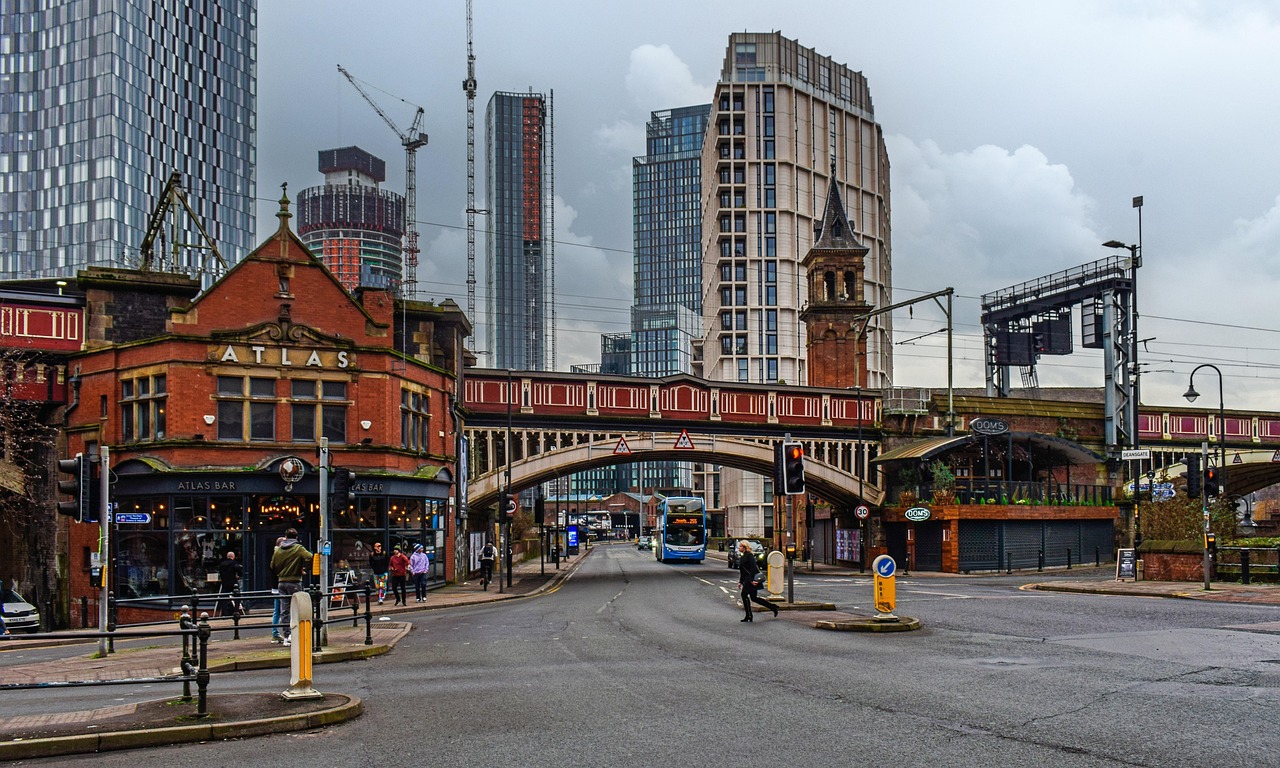
Whether you are a history enthusiast, a music lover, or an avid foodie, Manchester is one of the most vibrant and welcoming cities in the United Kingdom. Known for its rich industrial past, world-class football teams, and unmatched music heritage, this northern powerhouse offers something for every traveller.
If you are planning a trip to Manchester, here are the top places you shouldn’t miss.
1. Northern Quarter: Vintage Shopping & Street Art
If you want to experience Manchester’s creative heart, head straight to the Northern Quarter. Packed with independent record shops, bohemian cafes, and retro clothing boutiques, it’s a district full of personality.
- Don’t Miss: Afflecks, a famous multi-story indoor market that has been an incubator for alternative fashion, art, and music culture for decades. Take time to explore the back streets to admire the stunning murals and street art.
2. Science and Industry Museum: A Gateway to the Past
Manchester was at the epicentre of the Industrial Revolution, and there is no better place to learn about this transformational era than the Science and Industry Museum. Located on the site of the world’s oldest surviving passenger railway station, it features interactive exhibits detailing Manchester’s contributions to computing, textiles, and transport.
- Admission: Free entry (donations welcome).
3. Castlefield: Historic Canals and Roman Roots
For a relaxed walk away from the bustling city streets, visit Castlefield. Known as the UK’s first Urban Heritage Park, Castlefield offers scenic waterside paths along restored industrial canals, cobbled walkways, and towering red-brick railway viaducts.
- Top Spot: Visit the reconstructed Roman Fort (Mamucium) to see where Manchester’s recorded history began nearly 2,000 years ago.
4. John Rylands Research Institute and Library
Stepping inside the John Rylands Library on Deansgate feels like walking directly into a fantasy novel or a grand cathedral. Built in fine Victorian Gothic architecture, this world-renowned library houses one of the finest collections of rare books and manuscripts in the world.
- Highlight: The stunning Historic Reading Room, featuring magnificent stained-glass windows and vaulted ceilings.
5. National Football Museum & Stadium Tours
Soccer (football) is central to Manchester’s global identity. Located in the sleek Urbis building in the city centre, the National Football Museum celebrates the history of the world’s favourite game through historic memorabilia and interactive games.
- For Fans: Take a short tram ride outside the city centre to tour either Old Trafford (home of Manchester United) or the Etihad Stadium (home of Manchester City).
6. Manchester Art Gallery
Located in the city centre, Manchester Art Gallery houses a world-class collection of art spanning centuries, with particular strengths in Pre-Raphaelite paintings, decorative arts, and contemporary British design.
- Admission: Free entry for all visitors.
Travel Tips for Manchester
- Getting Around: Manchester is highly walkable, but you can also use the Bee Network trams or the free Metroshuttle buses that connect major transport hubs and attractions within the city centre.
- Best Time to Visit: Spring through early autumn offers pleasant weather for exploring canals and outdoor events, though the city’s indoor venues make it a great year-round destination.
General
The Lunar Eclipse in the UK on August 28, 2026.
UK stargazers are in for an early-morning astronomical treat on Friday, August 28, 2026. While classified globally as a partial lunar eclipse

Setting Your Alarms: Seeing the August 28, 2026 Lunar Eclipse in the UK
UK stargazers are in for an early-morning astronomical treat on Friday, August 28, 2026. While classified globally as a partial lunar eclipse, this event is extraordinarily deep—covering over 93% of the Moon’s surface at its peak.
Because so much of the Moon enters the Earth’s dark umbral shadow, observers will see the lunar disk turn a rich, reddish-orange “Blood Moon” hue just as dawn begins to break.

Key Eclipse Timings for the UK (BST)
Because the eclipse takes place right before sunrise, early risers will catch the main event in the western sky:
- 2:23 AM BST — Penumbral Phase Begins: The Earth’s outer shadow starts to subtly dim the edge of the Moon.
- 3:33 AM BST — Partial Phase Begins: The Moon begins moving into the Earth’s inner shadow (umbra), with a visible bite taken out of the lunar surface.
- 5:12 AM BST — Maximum Eclipse (Peak View): The peak moment arrives! Over 93% of the Moon is immersed in shadow, casting a striking red-orange glow.
- 6:15 AM BST — Moonset: Depending on your exact location in the UK, the Moon will set beneath the horizon shortly after maximum eclipse while still heavily shadowed.
Top Tips for Viewing in the UK
- Find a Clear View to the West-Southwest: By the time the peak arrives at 5:12 AM BST, the Moon will be sitting very low on the horizon (around 8 degrees altitude in London). Position yourself on a hill or open ground free of tall buildings and trees.
- No Special Equipment Required: Lunar eclipses are completely safe to view with the naked eye. However, bringing binoculars will provide a much clearer view of the shadow line sweeping over lunar craters.
- Watch the Weather: Late August dawns in the UK can bring low-level mist or cloud cover, so keep an eye on local forecasts the night before.

Premier League Matchday 8

November PlayStation Plus Lineup


You must be logged in to post a comment Login