
Europe
Cheap Holidays In Ireland
If you are looking for affordable holidays, Ireland is a fantastic destination with many cities and attractions to explore. Dublin, Galway, Listowel, and Cork are some great vacation spots.


If you are looking for affordable holidays, Ireland is a fantastic destination with many cities and attractions to explore. Dublin, Galway, Listowel, and Cork are some great vacation spots. During your time in Ireland, you can enjoy relaxing by the pool, sightseeing, visiting museums, exploring gardens, and discovering historical buildings. You’ll find budget-friendly holiday packages that include hotel accommodations, airfare, and some excellent last-minute deals. With so many exciting opportunities and things to see, Ireland is a destination you should not miss.

If you are adventurous, Listowel is a must-visit location. You can explore the Garden of Europe, which showcases a stunning array of flowers and plants. The St. John’s Art and Heritage Centre features religious sites and impressive architectural buildings, while Listowel Castle offers a glimpse into ancient history. Other historical sites in Listowel include the River Fort, Plaster Relief, and Cladh Ruadh. Plan to spend a couple of days in Listowel before heading to Dublin, where you should aim to spend at least two days. In Dublin, your affordable holiday will be filled with adventure and excitement. You can visit Brougham Bridge and Dillon Garden. A relaxing boat ride on the Dublin Grand Canal will give you a unique perspective of the area. Be sure to explore the many museums, the Garden of Remembrance, and Parnell Square— a delight for visitors— as well as Fitzwilliam Square. The Mansion House and Leinster House on Grafton Street are also worth seeing. While in Dublin, don’t miss the chance to visit Dublin Castle, Fairview Park, and the War Memorial Gardens. With so much to do, you might want to spend the entire week here without venturing elsewhere.
Galway offers equally exciting budget-friendly holiday options. Frye Square in Galway features the cathedral, Galway Courthouse, and the harbour. The Galway Art Festival is a highlight for many visitors, along with the historic Lynch Castle. Plan your visit around the Galway Oyster Festival, a culinary event that showcases a variety of cuisines. For a scenic experience, be sure to stop by Iar Connacht after a day of sightseeing. Finally, your holiday package will take you to Cork, where you can visit the Ballincollig Gunpowder Mill, a historical museum. The medieval Red Abbey Tower is also worth a visit, featuring unique architecture. After exploring the museums and art galleries, take some time to relax by the pool or enjoy a spa day. Don’t forget to check out local shops and savour a light lunch while you’re in Ireland.







Mastering Budget Travel in Switzerland: An Insider’s Blueprint
Switzerland is world-renowned for its dramatic alpine peaks, pristine lakes, and punctual infrastructure. However, it also carries a reputation for being one of the most expensive travel destinations on Earth. From high-end dining to costly mountain cable cars, expenses can multiply quickly.
Yet, travelling through Switzerland on a budget is entirely achievable. With careful planning, strategic timing, and a few localised hacks, you can experience the best of the Swiss Alps without overspending.
1. Master the Transport System: Passes Over Point-to-Point
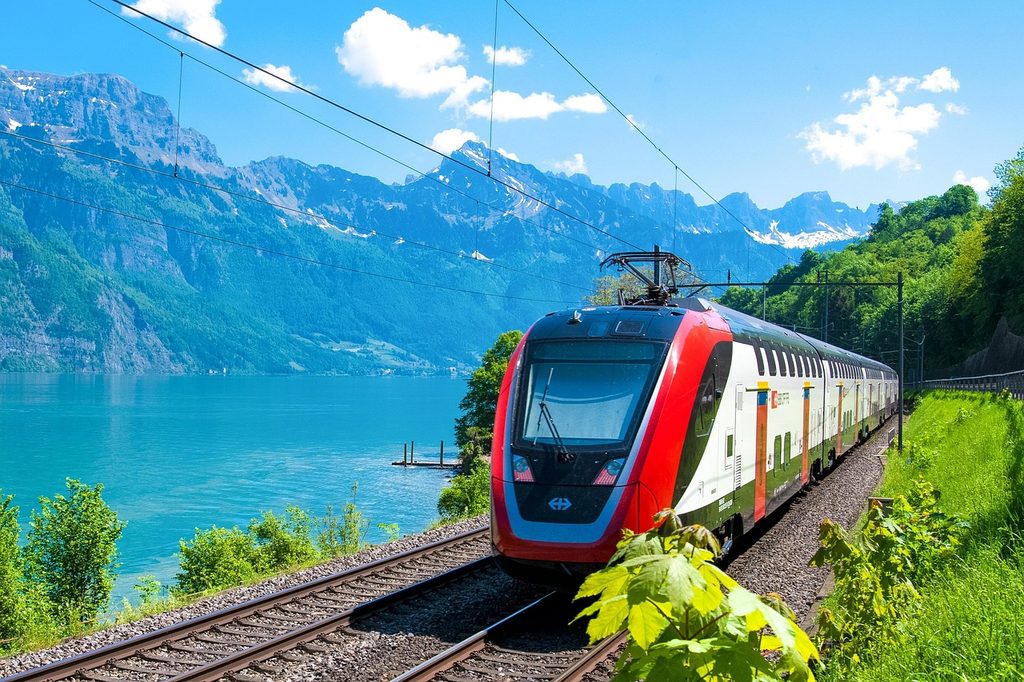
Transportation can easily become the largest expense of a Swiss vacation. Fortunately, the country’s world-class public transit network (SBB) offers specialised rail passes designed to lower costs for international visitors.
+-------------------------------------------------------------------------+
|                      Choosing Your Transport Pass                       |
+-------------------------------------------------------------------------+
                                     |
              +----------------------+----------------------+
              |                                             |
              v                                             v
  [ Heavy Daily Travel ]                        [ Flexible / Multi-Week ]
  - Swiss Travel Pass                           - Swiss Half Fare Card
  - Unlimited trains, buses, boats              - 50% off all transit tickets
  - Free access to 500+ museums                 - Pairs with Saver Day Passes
The Swiss Half Fare Card vs. Swiss Travel Pass
- Swiss Half Fare Card (HFC): At roughly CHF 150 for a 1-month pass, this card yields a 50% discount on virtually all trains, buses, boats, and alpine cable cars nationwide. For most budget travellers, combining the Half Fare Card with pre-booked point-to-point tickets offers the best financial return.
- Swiss Travel Pass: Offers unlimited consecutive days of travel on the entire national network, along with free admission to over 500 museums. While convenient, it carries a higher upfront cost. It makes sense primarily if you plan to cover vast distances across the country daily.
Leveraging Saver Day Passes and Supersaver Tickets
If you plan your itinerary early, purchase Supersaver Tickets or Saver Day Passes via the official SBB mobile app. Released up to 2 months in advance, these non-refundable tickets offer steep discounts compared to standard fares.
2. Smart Accommodation Strategies
Lodging in major tourist hubs like Zermatt, St. Moritz, or Zurich can drain a travel budget overnight. Shifting your accommodation strategy can cut room costs by half.
| Accommodation Strategy | How It Works | Budget Impact |
| Base in Secondary Towns | Stay in nearby hubs (e.g., Thun instead of Interlaken, or Vevey instead of Montreux). | Saves 30%–50% on nightly room rates. |
| Youth Hostels & Swiss Hostels | Rent private rooms or dorm beds in clean, modern hostels across the country. | Provides free breakfasts and access to shared kitchens. |
| Free Local Visitor Cards | Book hotels/hostels in cities like Bern, Geneva, or Lucerne. | Unlocks free local public transit for the duration of your stay. |
| Vacation Rentals (Ferienwohnungen) | Rent an apartment for 4+ days in alpine villages. | Lowers per-night costs and enables self-catering. |
3. Dine Like a Local: The Supermarket Picnic Strategy
Eating out at standard sit-down restaurants in Switzerland can easily cost CHF 30–50 per person for a simple meal. To keep food costs manageable without compromising on quality, adapt to local grocery culture.
+-------------------------------------------------------------------------+
|                         Swiss Dining Strategy                           |
+-------------------------------------------------------------------------+
                                     |
         +---------------------------+---------------------------+
         |                                                       |
         v                                                       v
  [ Supermarket Dining ]                                  [ Budget Cafes ]
  - Coop & Migros self-service restaurants                - Manor Department Store buffets
  - Takeaway sandwiches, fresh salads, & regional cheeses - Daily lunch specials ("Tagesmenü")
  - Picnic lunches with scenic mountain backdrops          - Water refills at public fountains
Key Grocery Chains
- Coop & Migros: The two dominant supermarket chains in Switzerland. Both feature extensive takeaway sections stocked with fresh bakery items, pre-made salads, roasted chicken, local cheeses, and cold cuts.
- Lidl & Denner: Budget grocery stores ideal for stocking up on snacks, dry goods, bottled beverages, and Swiss chocolate at a fraction of tourist-shop prices.
Supermarket Self-Service Restaurants
For warm meals, seek out Coop Restaurant, Migros Restaurant, or Manor Food Outlets. These self-service buffets offer fresh, high-quality Swiss meals, fish, pasta, and roasted meats for CHF 12–18—a third of the cost of a formal sit-down restaurant.
Tap Water is Free and Pure
Never purchase bottled water in Switzerland. The thousands of decorative public fountains flowing throughout Swiss cities and villages contain pure, cold, tested drinking water unless explicitly marked “Kein Trinkwasser”. Carry a reusable bottle and refill freely.
4. Explore High-Value & Free Alpine Excursions
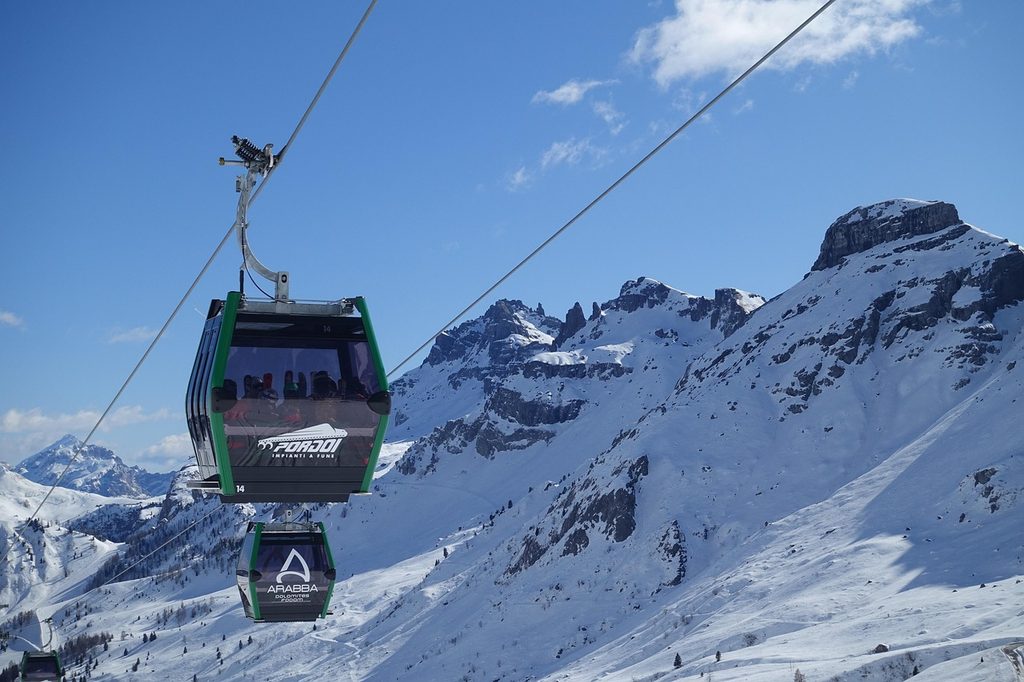
Private mountain funiculars, cable cars, and cogwheel trains (such as the journey to the Jungfraujoch) carry high ticket prices. You can enjoy the Swiss landscape on a budget using alternative options:
- Embrace Hiking: Switzerland features over 65,000 kilometres of well-marked, yellow-signed hiking trails. Walking up to a mountain viewpoint—or taking a cable car up and hiking down—saves money while offering an immersive alpine experience.
- Fully Included Mountain Journeys: If you hold a Swiss Travel Pass, several scenic mountain trips are fully included at no extra charge—such as Mount Rigi, Stanserhorn, and Stoos.
- Lake Cruises as Transit: Passenger ferry rides across Lake Geneva, Lake Lucerne, Lake Thun, or Lake Brienz function as both scenic cruises and public transit. They are covered by standard travel passes.
5. Timing and Seasonality Matters
When you travel drastically shapes your expenses.
High Season (Price Peak)         Shoulder Season (Value Peak)
[ July - August | Jan - Feb ]    [ April - May | Sept - October ]
- Maximum accommodation rates    - Lower lodging rates
- Crowded transit & attractions  - Clear trail conditions
- High mountain pass prices      - Quiet, accessible villages
Visiting during the shoulder seasons (late April to May, or September to October) offers pleasant hiking weather, uncrowded trains, and significantly lower accommodation rates.
Summary Checklist for a Budget Swiss Trip
- Buy a Swiss Half Fare Card or lock in Saver Day Passes early.
- Stay outside major resort centres in smaller, connected secondary towns.
- Pledge to self-cater breakfast and lunch using Coop, Migros, or Denner.
- Pack a reusable water bottle and use public fountains.
- Prioritise foot-based alpine exploration over high-cost peak funiculars.
By shifting away from luxury tourist packages and embracing local transport and dining habits, you can experience Switzerland’s spectacular landscapes at a fraction of the typical cost.
Europe
Benidorm, The Riviera Of The Costa Blanca
For decades, Benidorm has held a special, almost mythical status in British holiday culture.
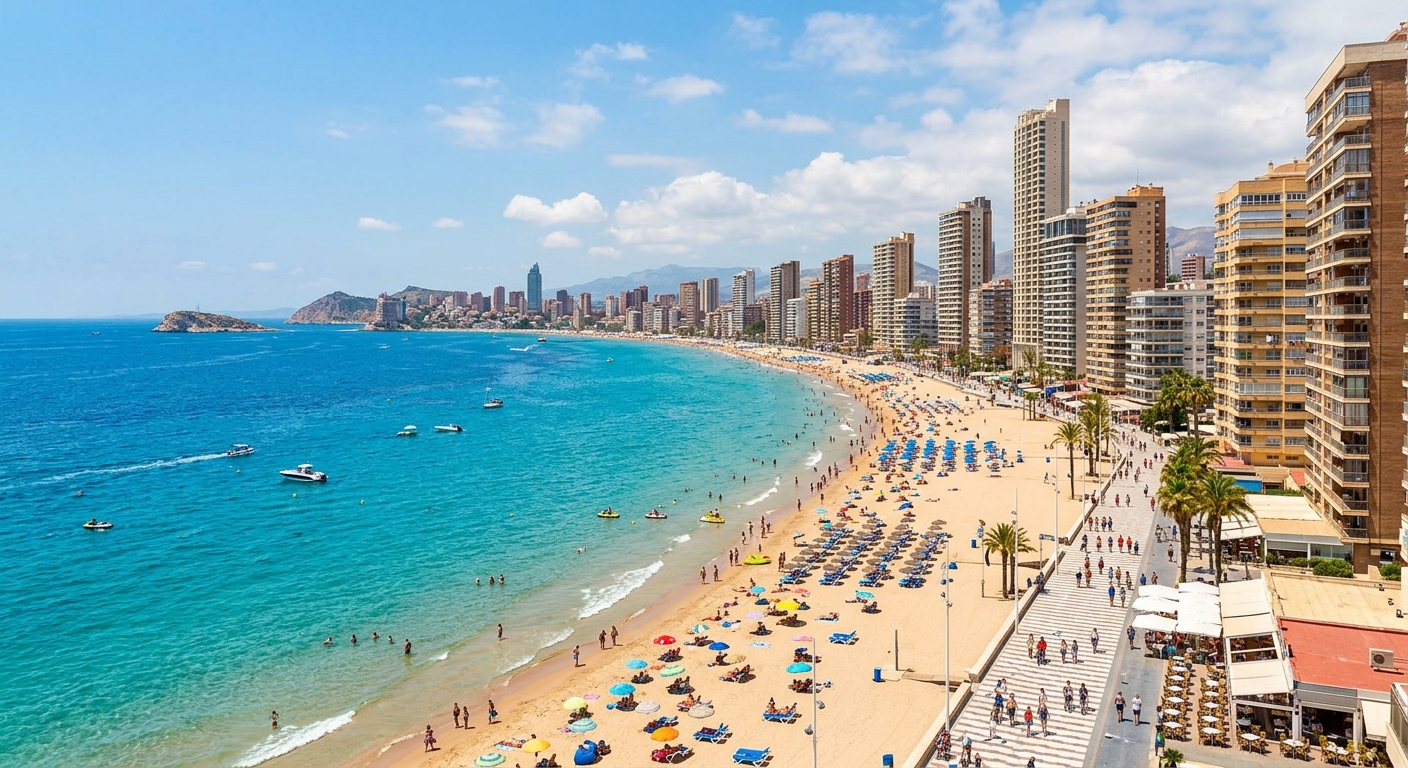
For decades, Benidorm has held a special, almost mythical status in British holiday culture. What started in the 1960s as a quiet fishing village on Spain’s Costa Blanca transformed into a purpose-built high-rise paradise designed specifically for mass tourism—and the UK fell head over heels.
Whether you love the buzzing, unapologetic energy of the New Town or the authentic Spanish charm hidden in plain sight, here is why millions of Brits keep heading back year after year.
The Sun, Sea, and Unbeatable Value
At its core, Benidorm’s appeal comes down to a simple formula: reliable Mediterranean sunshine, golden sands, and fantastic value for money.
- The Beaches: Levante Beach is the heart of the action, packed with sun loungers, water sports, and a bustling promenade. If you prefer a slightly calmer scene, Poniente Beach offers miles of spotless sand where local families and tourists mix effortlessly.
- Budget-Friendly Bites: Where else in Europe can you get a full English breakfast, a pint, and a sunbed for a fraction of what you’d pay back home? The resort’s sheer density keeps prices competitive.

Two Distinct Worlds in One City
One of Benidorm’s best-kept secrets is that it caters to completely different types of holidaymakers, often just a few streets apart.
- The New Town (Levante): This is the classic “Brits abroad” experience. Expect cabaret bars, tribute acts, sports pubs showing the Premier League, and nightlife that goes on until dawn.
- The Old Town (El Castell): Walk past the central square, and you enter a maze of whitewashed cobblestone streets. Head down Calle Santo Domingo—known locally as “Tapas Alley”—to swap lager and chips for authentic Spanish pintxos, fresh seafood, and crisp Rioja wine.
Why It Keeps Winning
While snobs might dismiss it, Benidorm was actually ahead of its time urbanistically. Its vertical layout (full of tall skyscrapers) leaves maximum green space and public beach access, making it one of the most efficient and sustainable resort designs in Europe.
Add in world-class theme parks like Terra Mítica, waterparks like Aqualandia, and a short 40-minute transfer from Alicante Airport, and it’s easy to see why families, stag and hen parties, and retirees alike keep it at the top of their list.
Europe
10 Best European Destinations for Cheap Alcohol
If you’re looking to swap £6+ London pub prices for dirt-cheap draughts, wine by the carafe, and affordable spirits, European
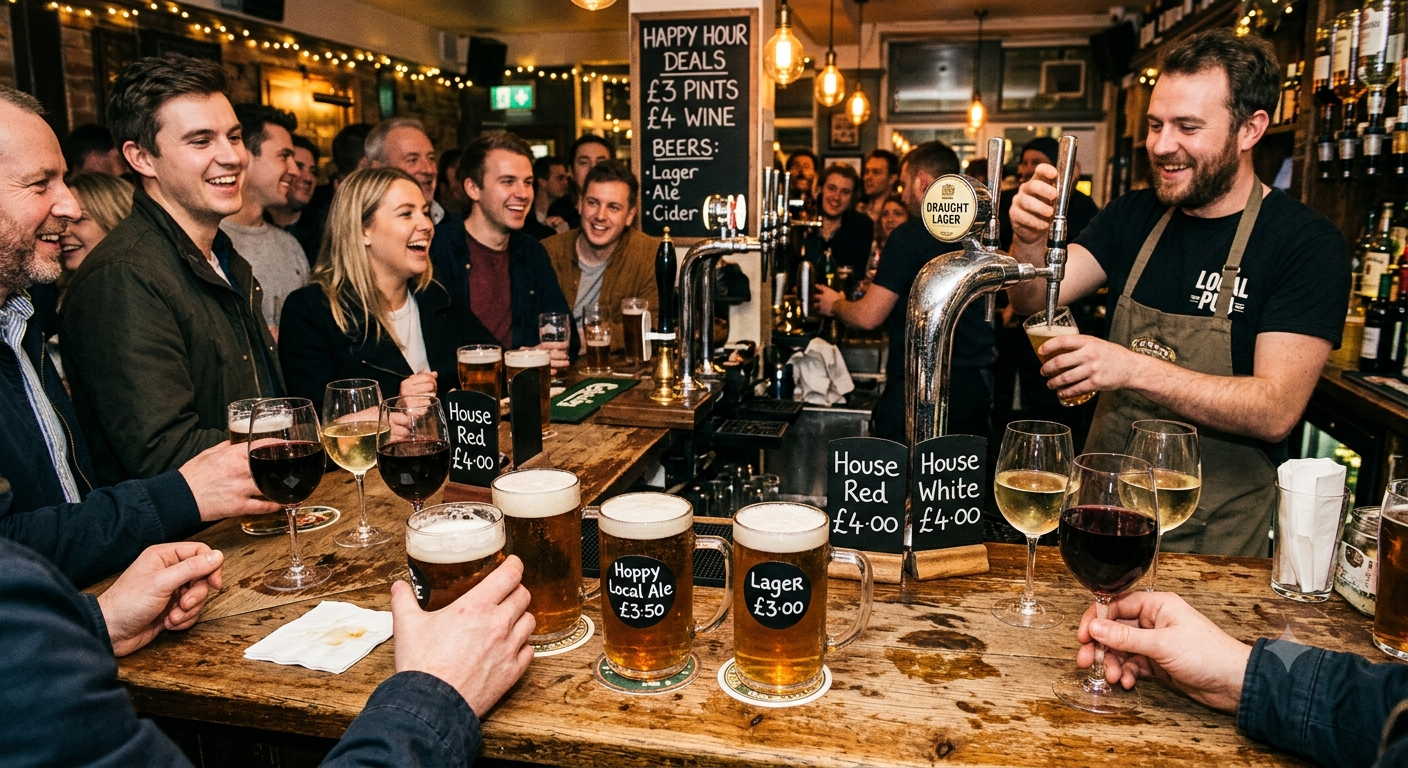
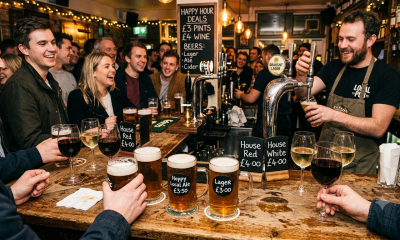
If you’re looking to swap £6+ London pub prices for dirt-cheap draughts, wine by the carafe, and affordable spirits, Europe has plenty of incredible destinations where your pound goes significantly further.
Here are 10 of the best European destinations for budget-friendly drinking, along with typical pub and bar prices converted into UK Pounds (£).
1. Bulgaria (Sofia, Plovdiv & Sunny Beach)
- Average Pint/Drink Cost: £1.20 – £1.60
- The Vibe: Black Sea beach parties, historic Old Town pub crawls, and incredibly low living costs.
- Why Visit: Bulgaria consistently ranks as one of Europe’s cheapest destinations overall. Local lagers like Kamenitza and Zagorka are widely available for well under £1.50 a pint.
2. Czech Republic (Prague, Brno & Olomouc)
- Average Pint/Drink Cost: £1.30 – £1.80
- The Vibe: World-class beer halls, historic microbreweries, and unmatched brewing heritage.
- Why Visit: Widely regarded as serving the best beer in Europe for the best price. Pints of freshly poured Pilsner Urquell, Staropramen, or Kozel cost a fraction of UK prices—and in smaller cities like Olomouc, draught beers often drop below £1.20.
3. Hungary (Budapest)
- Average Pint/Drink Cost: £1.30 – £1.80
- The Vibe: Eccentric ruin bars, river cruises, and late-night party baths (Sparties).
- Why Visit: Budapest offers a world-class nightlife scene without Western European prices. Local beers like Dreher and Soproni are very affordable, as are glasses of local Tokaji wine.
4. Albania (Tirana & Saranda)
- Average Pint/Drink Cost: £1.10 – £1.70
- The Vibe: Vibrant trendy cocktail bars in the capital and affordable Riviera beach clubs.
- Why Visit: Albania is one of the most budget-friendly holiday spots in Europe. Local brews like Birra Korça and Birra Tirana are extraordinarily cheap, and local spirits like Raki cost less than a pound per shot.
5. Romania (Bucharest & Cluj-Napoca)
- Average Pint/Drink Cost: £1.30 – £1.70
- The Vibe: Lively pedestrianised Old Town nightlife and sprawling outdoor terraces.
- Why Visit: Bucharest’s Lipscani district comes alive every weekend with energy and cheap drinks. Pints of local lager (Ciuc or Ursus) cost around £1.50, making it a hugely popular choice for group trips.
6. Poland (Kraków, Gdańsk & Wrocław)
- Average Pint/Drink Cost: £1.50 – £2.00
- The Vibe: Underground basement bars, shot-and-snack pubs (Pijalnia Wódki i Piwa), and microbreweries.
- Why Visit: Poland delivers exceptional value. You can enjoy craft beers or flavoured vodka shots (Żubrówka) for £1.00 – £1.50 each at dedicated 24-hour shot bars.
7. Slovakia (Bratislava)
- Average Pint/Drink Cost: £1.40 – £1.90
- The Vibe: Cosy medieval cellars and laid-back riverside beer gardens.
- Why Visit: Just an hour away from expensive Vienna, Bratislava offers the same classic Central European atmosphere for half the price. Local beers like Zlatý Bažant cost well under £2.00 a pint.
8. Portugal (The Algarve, Porto & Lisbon)
- Average Pint/Drink Cost: £1.70 – £2.20
- The Vibe: Sunny Atlantic beach bars, Port wine tastings, and lively Bairro Alto street drinking.
- Why Visit: Portugal stands out as the cheapest drinking destination in Western Europe. A bottle or small draught (Imperial) of Super Bock or Sagres often costs £1.50 – £1.80 outside of high-end tourist traps.
9. Spain (Granada, Seville & Alicante)
- Average Pint/Drink Cost: £1.70 – £2.20
- The Vibe: Sunshine, outdoor terraces, and authentic tapas culture.
- Why Visit: In Southern Spanish cities like Granada and Seville, buying a caña (small draught beer) or house wine often comes with a free plate of food (tapa). Alicante and the Canary Islands also boast draught prices around £2.00.
10. Bosnia & Herzegovina (Sarajevo & Mostar)
- Average Pint/Drink Cost: £1.30 – £1.80
- The Vibe: Historic Ottoman markets, mountain views, and relaxed cafe-bars.
- Why Visit: Bosnia offers some of the lowest day-to-day costs in the Balkans. Local draught beers like Sarajevsko and Preminger are refreshing and budget-friendly.
💡 Tips for Drinking on a Budget in Europe
- Drink Local: Avoid ordering imported UK or international brands, as import duties bump up the price.
- Step Away from Main Squares: Walking just 2–3 streets away from major tourist hubs like Prague’s Old Town Square or Lisbon’s main plaza can cut your bar bill in half.

So What’s The ECHR All About?

Has Sony Shot Themselves In The Foot

Backlash as Sony and its staff take abuse.


-

 Info1 week ago
What is El Niño, and how does it affect us
-

 Entertainment2 weeks ago
What’s on Netflix this September 26
-

 Football2 weeks ago
UK Sport News 2026: Football, Rugby, Cricket and Live Scores
-

 Environment1 week ago
Understanding Global Environmental Shift
-

 Consoles2 weeks ago
3 Free Games on PlayStation Network This Month (September 2026)
-
 Home2 weeks ago
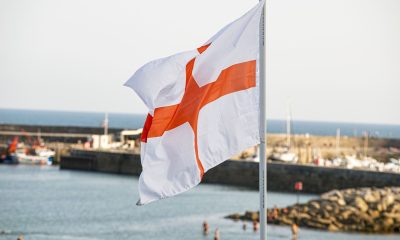
England has a flag and is proud of it.
-

 Weather1 week ago
UK Weekend Weather For The UK
-

 Europe7 days ago
Mastering Budget Travel in Switzerland
-
 Consoles4 days ago
Backlash as Sony and its staff take abuse.
-
 Consoles3 days ago
Has Sony Shot Themselves In The Foot
-
 Government2 days ago
So What’s The ECHR All About?