
Government
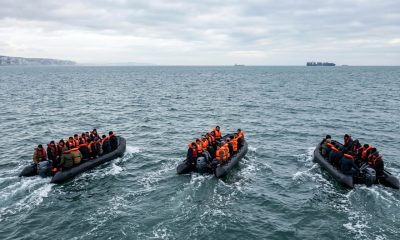
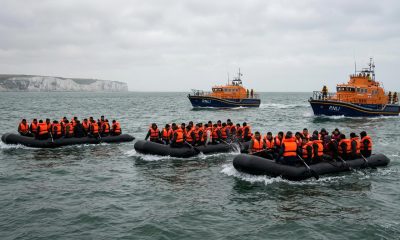
Beyond the Horizon: How Small Boats Became the Primary Channel Crossing Route
How Small Boats Became the Primary Channel Crossing Route


How Small Boats Became the Primary Channel Crossing Route
For decades, the English Channel was seen as a natural moat—a formidable 21-mile stretch of treacherous water, heavy commercial shipping lanes, and unpredictable tides that deterred irregular sea crossings.
However, the reality along the UK’s southern coast has fundamentally changed. Small, inflatable boats carrying asylum seekers and migrants from northern France have evolved from an obscure anomaly into one of the central political, human, and legal debates in modern British history.
The Pre-2018 Era: Stowing Away on Land
Before late 2018, small boat crossings were exceptionally rare. Historically, individuals seeking unauthorised entry into the UK from northern France relied primarily on land transport.
Throughout the late 1990s and 2000s—symbolised by informal migrant encampments like the Sangatte centre and later the “Calais Jungle”—the dominant methods were hiding in the back of heavy goods vehicles (HGVs), stowing away inside freight trucks, or boarding ferries and trains travelling through the Channel Tunnel.
As UK and French authorities poured hundreds of millions of pounds into physical security—installing high-definition thermal cameras, heartbeat detectors, and miles of razor-wire fencing around Calais and Dunkirk ports—land routes became increasingly difficult to breach. Organised criminal smuggling networks adapted, turning their focus away from the ports and toward the unguarded coastlines.
2018–2019: The Turning Point
Small boat arrivals first began registering as a distinct, organised trend in late 2018.
Wikipedia
- 31 January 2018: The Home Office recorded its first small group arrival of the modern era when seven people landed in a single dinghy.
Wikipedia
- Christmas 2018: A sharp spike in arrivals led the UK Home Secretary to formally declare a “major incident”. By the end of 2018, just under 300 people had successfully crossed.
Wikipedia
- 2019: The number jumped to nearly 1,900. Human traffickers transitioned from small rigid-hulled inflatable boats (RIBs) to commercial-grade inflatable dinghies designed to squeeze in dozens of passengers.
Wikipedia
2020–2022: Exponential Growth & Peak
The COVID-19 pandemic accelerated the shift to the sea. Global travel disruptions and reduced cross-Channel commercial lorry traffic effectively sealed off land-based stowaway routes, leaving small boats as the primary option for migrants.
UK Parliament
- 2020: Over 8,400 people arrived via small craft.
- 2021: Crossings quadrupled to more than 28,500.
Wikipedia
- 2022 (The Peak): A record 45,755 people made the perilous crossing, with single-day arrivals exceeding 1,200 people during calm weather windows in August.
Wikipedia
The Numbers at a Glance
Since the government began official tracking in 2018, over 200,000 people have crossed the Channel in small boats.
Migration Watch UK
| Year | Small Boat Arrivals | Year-over-Year Shift | Context |
| 2018 | 299 | — | Emergence of organised boat routes |
| 2019 | 1,843 | +516% | Smuggling networks expand |
| 2020 | 8,462 | +359% | Pandemic closes land/ferry routes |
| 2021 | 28,526 | +237% | Larger, overloaded craft deployed |
| 2022 | 45,755 | +60% | All-time annual peak recorded |
| 2023 | 29,437 | -35% | Poor weather & temporary deterrence |
| 2024 | 36,816 | +25% | Resurgence in summer months |
| 2025 | 41,472 | +12.6% | Second highest annual total |
Why the Route Persists
The continuation of small boat crossings over the last decade stems from several interconnected factors:
- Changing Demographics and Protection Claims: Home Office data show that around 90–95% of small-boat arrivals claim asylum upon arrival. A significant majority hail from conflict zones or repressive regimes, including Afghanistan, Iran, Syria, Eritrea, and Iraq.
- Lack of Legal Sea Routes: Because UK law generally requires an individual to physically set foot on British soil to lodge an asylum claim, individuals without visa pathways often view irregular crossings as their only viable option.
- Industrialised Smuggling Operations: People-smuggling networks operating out of northern France have turned Channel crossings into a multi-million-pound business model, purchasing cheap, low-quality inflatables in bulk across Europe and packing double the safe capacity onto each vessel.
Looking Ahead
What began as a sporadic emergency in 2018 has matured into an entrenched operational challenge spanning nearly a decade. Despite shifting policy approaches, bilateral accords between London and Paris, and increased enforcement along French beaches, the fundamental drivers behind the crossings—global displacement, hardened land borders, and lucrative smuggling logistics—ensure the Channel route remains heavily travelled whenever sea conditions permit.
Reform UK have said that if they get into power, they will sort out the boats in two weeks. They will push the boats back to France using the navy. I’m sure the French will have something to say about that.






Government
1200 More Illegal Immigrants In 8 Days
Another bad week for the Government on illegal immigration.

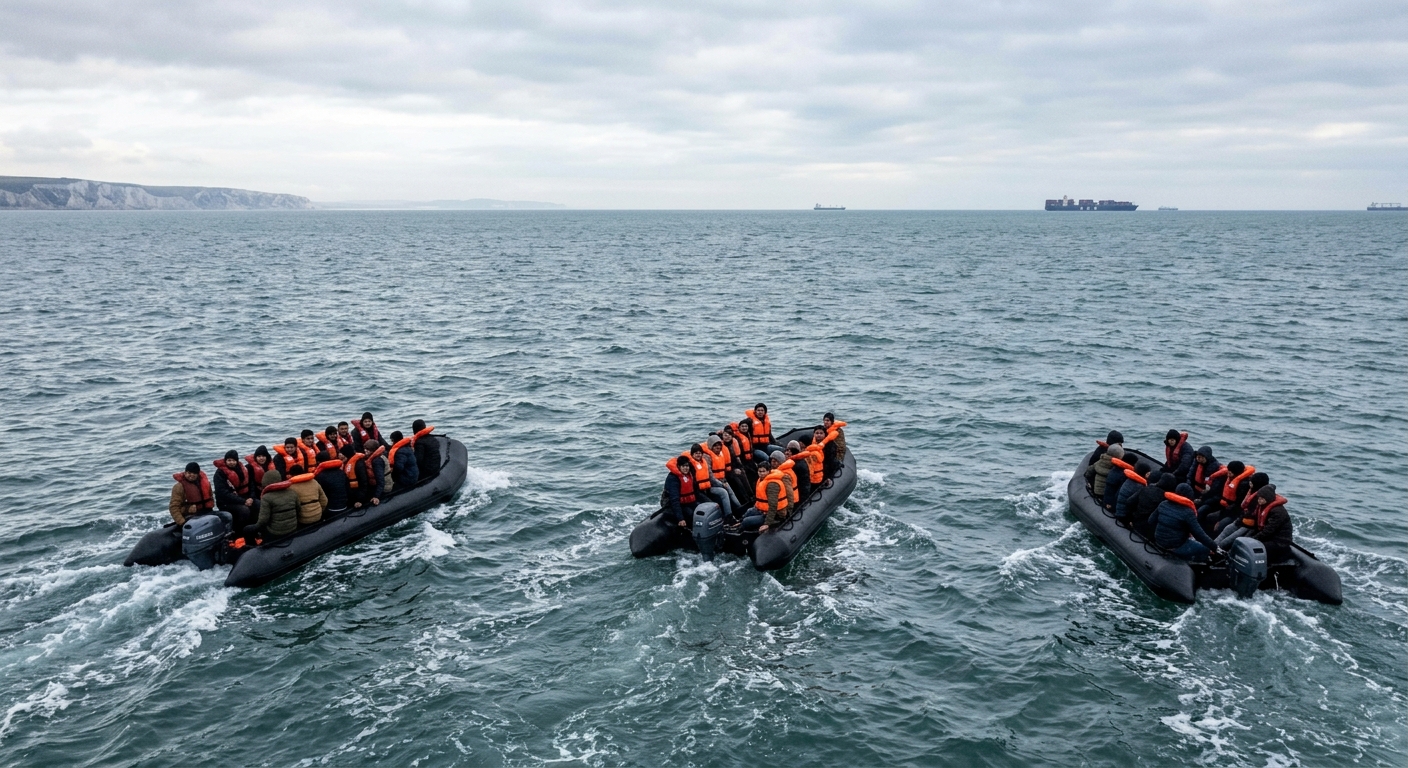
Another bad week for the Government on illegal immigration. Complacent with the fact that illegal immigration is down from last year, many factors could cause this. The gangs can lack equipment, or basically the weather is not good enough.
From the 27th of September to the 4th of October, the 8 days showed 1260 small boat arrivals. Looking at stats for the year Thu 1st Jan 26 to Thu 1st Oct 26, 19,196 illegal immigrants arrived, down 44% from last year but still way too many.
The incentives are too high to come to the UK. Anything we do in life has to have an incentive, and we seem to have what these people need.
But 19,000 people arriving this year will influence the UK economy and, lest we forget, morale among British people. All these immigrants must be paid for, and as an example, housing, transport, clothing and personal allowances.

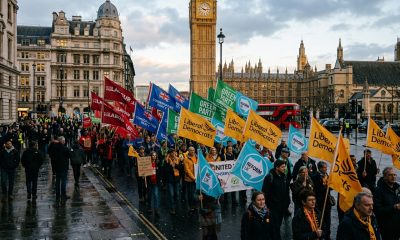
The other problem we see now is protests concerning illegal immigration. Towns are being singled out as landing spots and are being met by protesters. Dover seems a far cry from new landings in Hampshire; they are using more dangerous routes.
Another important point is that illegal immigrants should stay in the first safe country they reach. But they travel from Italy, which is safe, through Europe to France, where they cross to the UK.
The problem with the let-them-in lefties is that they don’t seem to have any concept of size. It could be land size or money. Our little island can only take so much immigration. We are currently struggling to increase defence spending, so how can we keep paying for immigration?
It’s time the country settled down from the Burnham bounce and got on to securing our borders because 19,000 illegal entries are not secure. Instead of looking at past years’ sm
Government
Profile of political Parties in the UK.
What governs the UK is political parties. They are voted in on a mandate from the people and govern for 5 years till the next election.
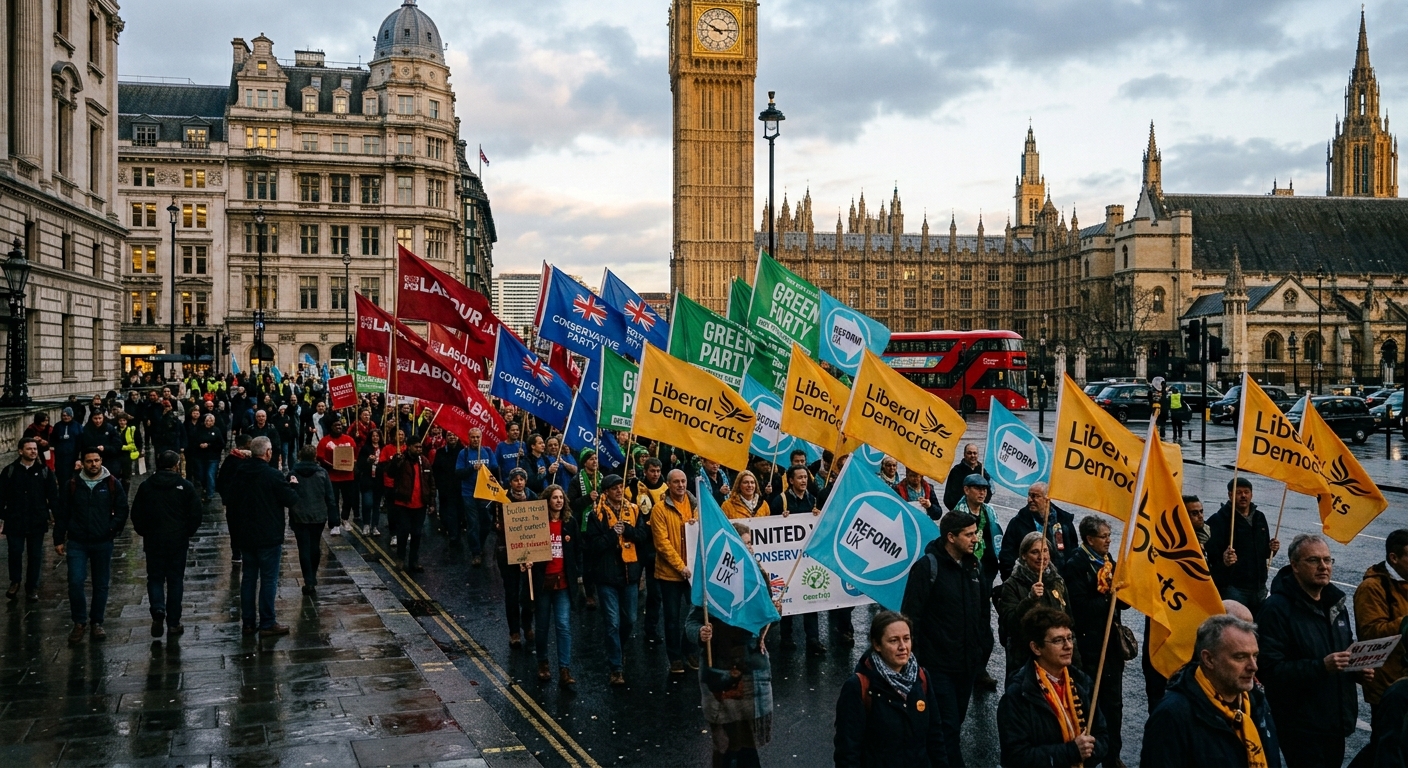
What governs the UK is political parties. They are voted in on a mandate from the people and govern for 5 years till the next election. Each party has a manifesto that tells the public what they stand for. On this, we go to the polls.
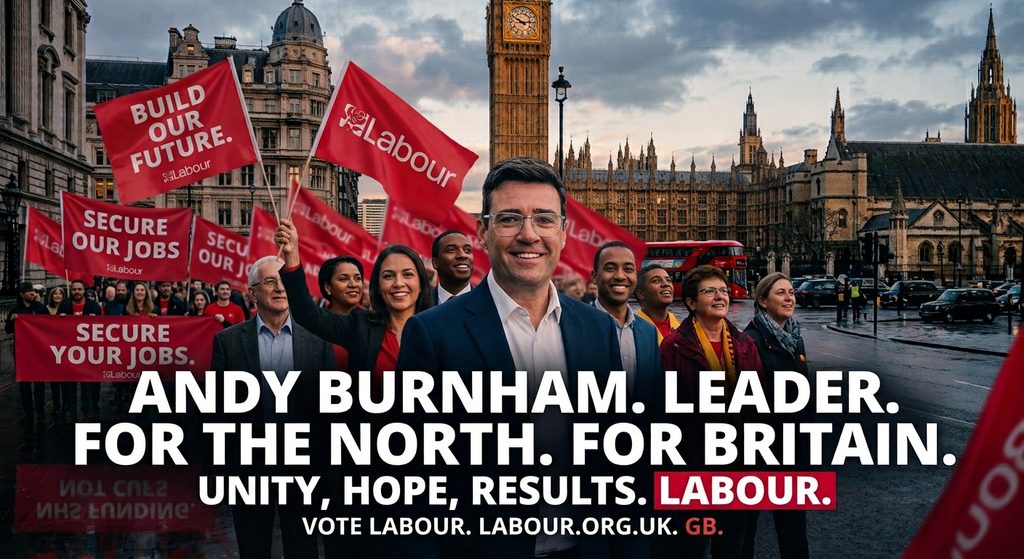
The current Labour and New Labour leader is Andy Burnham. The past PM was Keir Starmer, who was a very weak leader. The current PM has no mandate to govern and is currently just looking to woo the public, but it’s not working.
All the current issues that matter, he pushes aside for gimmicks to make everyone believe he cares for the country. He hired a weak chancellor who’s been shown to be weak, and his cabinet is as weak as him.
Because they are a party on the left, they bring their own problems too. But people have started seeing through the soft left and are looking for strong leadership and strong action on immigration, cost of living and defence. They have 403 Labour MPs
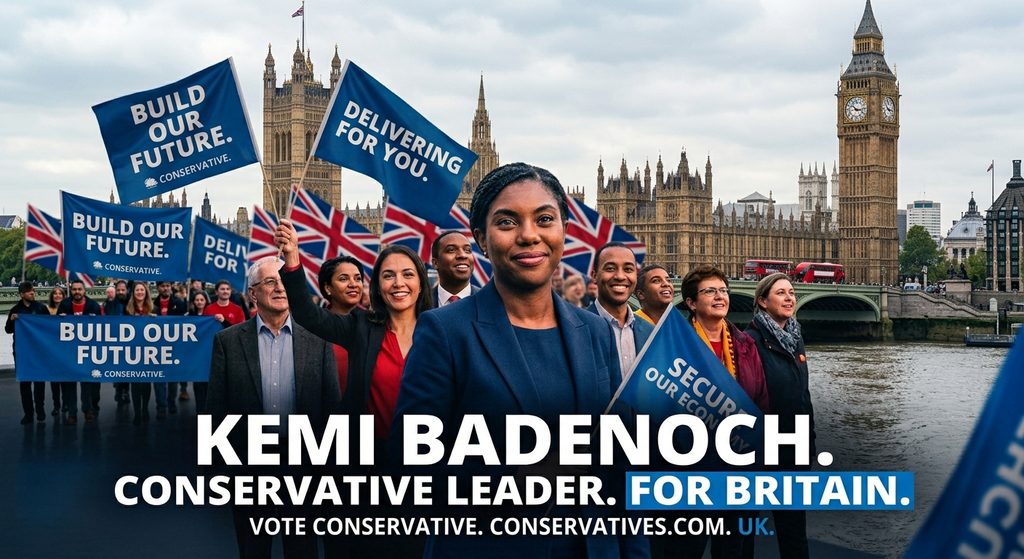
The Conservatives have Kemi Badenoch as their leader. She speaks loudly and precisely, but it is falling on deaf ears. The Tories were in power for 14 years from 2010 – 2024 but nearly ruined the country. We must remember the Tories are a right-wing party.
Because of them, we have military problems, welfare problems and immigration issues. The major problem they have now, being in opposition, is that no one wants to go back to austerity and live in misery. To be honest, they are finished for many years to come.
Currently, they are stealing other parties’ policies, like Reform, to make you believe they are the party to vote for. It’s poor stealing policies and it shows they are weak. If only we could believe them. There are 118 Conservative MPs
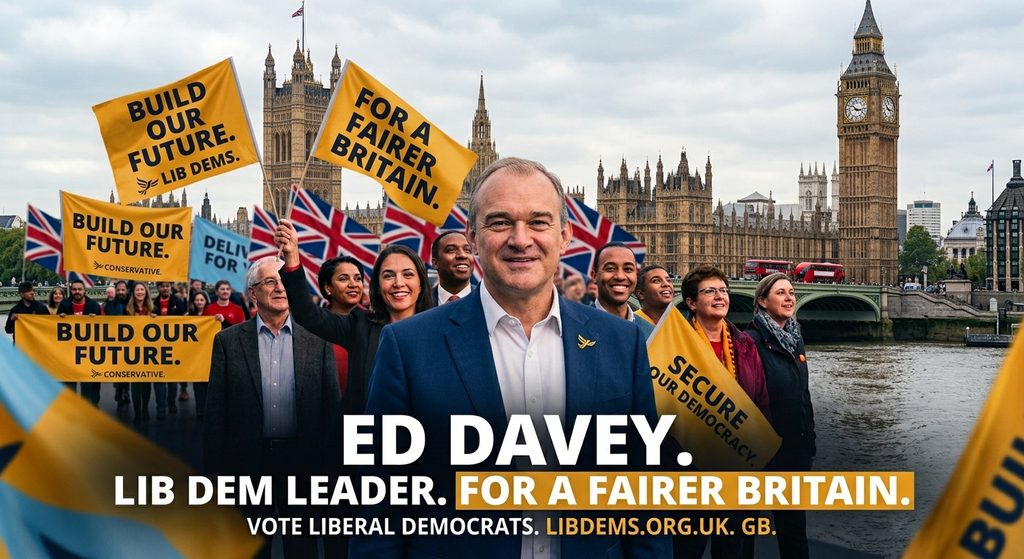
The Liberal Democrats are led by Sir Ed Davey. They are classified as a centrist to centre-left political party. For a medium-sized party, Ed gets his 2 questions at PMQs, but most of the time nothing seems to stand out.
Their 2024 manifesto welcomes immigrants, including illegal ones, with open arms. This is something the public doesn’t want and will make them few friends.
One of their other manifesto promises is that non-binary identities would be recognised in law, but they also want to rejoin the single market. There are 71 Lib Dem MPs.
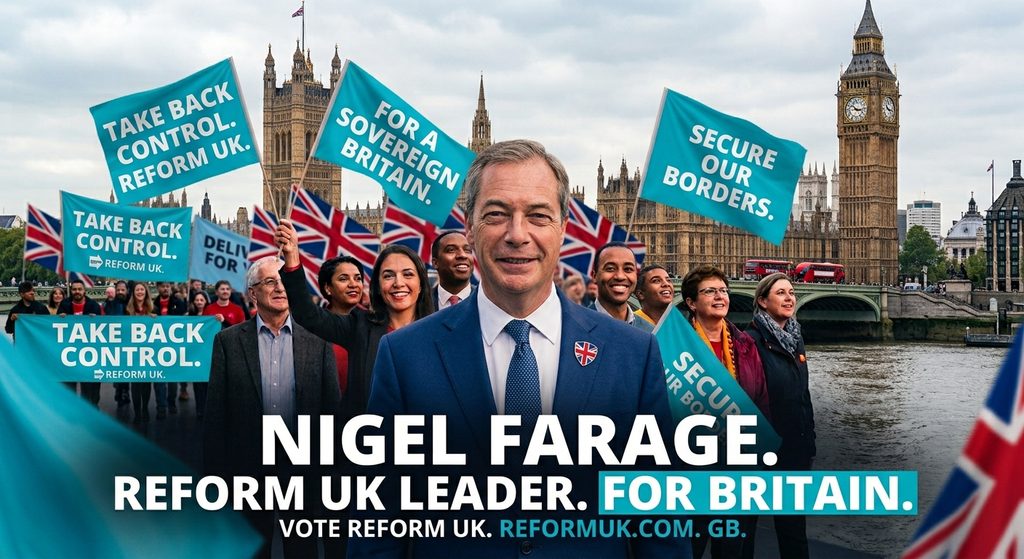
Then we have Reform, a right-wing party with strong feelings on immigration and immigrants. They really are going to do it, and the threats are real. All countries are struggling with immigration in the EU, but to have a stance like Reform’s lasts.
But can we trust Nigel Farage, who is now mixed up in a donation scandal worth 5 million pounds? It’s such a new party, and dishing out promises they may not be able to keep is wrong.
But the basis is there, and maybe Laila Cunningham, if she does not win the Mayor of London race, could run as an MP and with Nigel stepping down, she could be the next Reform Leader. Watch this space. They have 8 Reform MPs
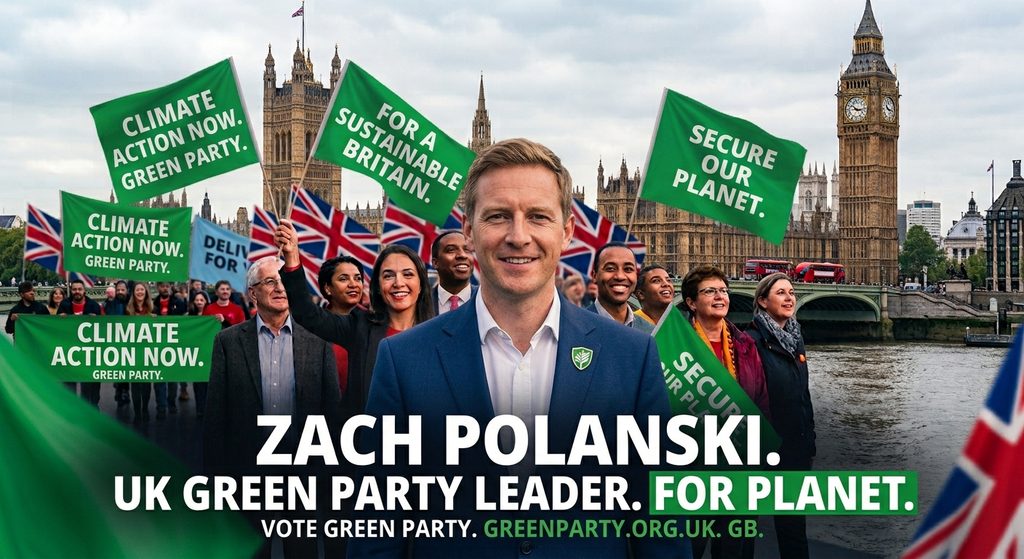
Finally, the Green Party has come a long way since Caroline Lucas started as an MP, and their non-MP leader is Zach Polanski. With 5 MP’s now, they feel the time is right for the Greens at the next election.
The Green Party is considered a left-wing political party, focusing on environmental issues and progressive social policies. But the Green Party always picks the argumentative subjects to canvass, like transgender and nonbinary issues.
But one policy that’s a worry is for us is having open borders. Total freedom of movement. Last year, boat crossings of illegal immigrants were 41,472. Imagine how many people would come with open borders, putting strain on the UK.
Finally, look at the Greens leader. Zach Polanski stated in the past that he could increase the size of women’s breasts using hypnotism. Statements like this make the party look like a joke.
So, these are the players, but do they have any thoughts for their constituents? Does any party stick by their manifesto? It seems from the past that broken manifesto promises are common.
John Healey, being the current bandit, quit his job as defence secretary under Keir Starmer in a row over spending. Now, as Chancellor, he is doing nothing about what he quit over. It’s two-faced governing.
But at the end of the day, we put our trust in these people, and we get a higher cost of living and everyday life being made unbearable.
Think long and hard before voting; it’s the only way to make your life matter.

Understanding the European Convention on Human Rights (ECHR)
The European Convention on Human Rights (ECHR) is an international treaty designed to safeguard human rights, fundamental freedoms, and the rule of law across Europe. Drafted by the newly formed Council of Europe in 1950, the ECHR entered into force in 1953. It established a legal framework to hold member states accountable to their citizens and to anyone residing within their jurisdiction.
Core Rights and Freedoms
The Convention outlines fundamental rights and protections divided into specific legal articles:
- Right to Life (Article 2): Mandates that governments must protect the right to life by law, with strict limits on the use of lethal force.
- Prohibition of Torture (Article 3): Strictly bans torture, as well as inhuman or degrading treatment or punishment.
- Prohibition of Slavery and Forced Labour (Article 4): Prohibits human trafficking, forced labour, and holding individuals in servitude.
- Right to Liberty and Security (Article 5): Guarantees protection against arbitrary arrest or unlawful detention.
- Right to a Fair Trial (Article 6): Enforces entitlement to a fair and public hearing before an independent court, alongside the presumption of innocence.
- Right to Respect for Private and Family Life (Article 8): Guards against arbitrary interference in an individual’s personal life, family connections, home, and personal communications.
- Freedom of Thought, Conscience, and Religion (Article 9): Protects an individual’s freedom to hold, practice, or change their religious or philosophical beliefs.
- Freedom of Expression (Article 10): Guarantees the freedom to hold opinions and to receive and impart information without government interference, forming the bedrock of press freedom.
- Prohibition of Discrimination (Article 14): Ensures that the enjoyment of all Convention rights is protected without discrimination on grounds such as sex, race, religion, or background.
Additional Protocols
Over time, the Convention has expanded through additional agreements known as “Protocols”. Key updates include:
- Protocol 1: Adds protections for property ownership, the right to education, and the right to free elections.
- Protocols 6 and 13: Abolish the death penalty in peacetime and under all circumstances, respectively.
The Role of the European Court of Human Rights (ECtHR)
To enforce compliance, the ECHR established the European Court of Human Rights, based in Strasbourg, France.
If an individual believes their rights under the ECHR have been violated by a member state, they can apply directly to the ECtHR after exhausting domestic legal options and appeals. Rulings from the ECtHR are legally binding on signatory nations, often prompting changes to national legislation, administrative practices, or the payment of compensation to victims.
ECHR vs. The European Union
A common point of confusion is the distinction between the ECHR and the European Union (EU):
- The Council of Europe: An independent international organisation encompassing 46 member states that oversees the ECHR.
- The European Union: A separate economic and political union of European nations.
A nation can leave the European Union while remaining a signatory state to the European Convention on Human Rights.
Disclaimer: This article is provided for educational and informational purposes and does not constitute formal legal counsel.

Premier League Matchday 8

November PlayStation Plus Lineup


