
Info
Travellers reminded to take precautions to avoid infections abroad this summer
Data shows cases of imported dengue and Zika virus disease infections continuing through spring into summer as the busy summer travel season begins

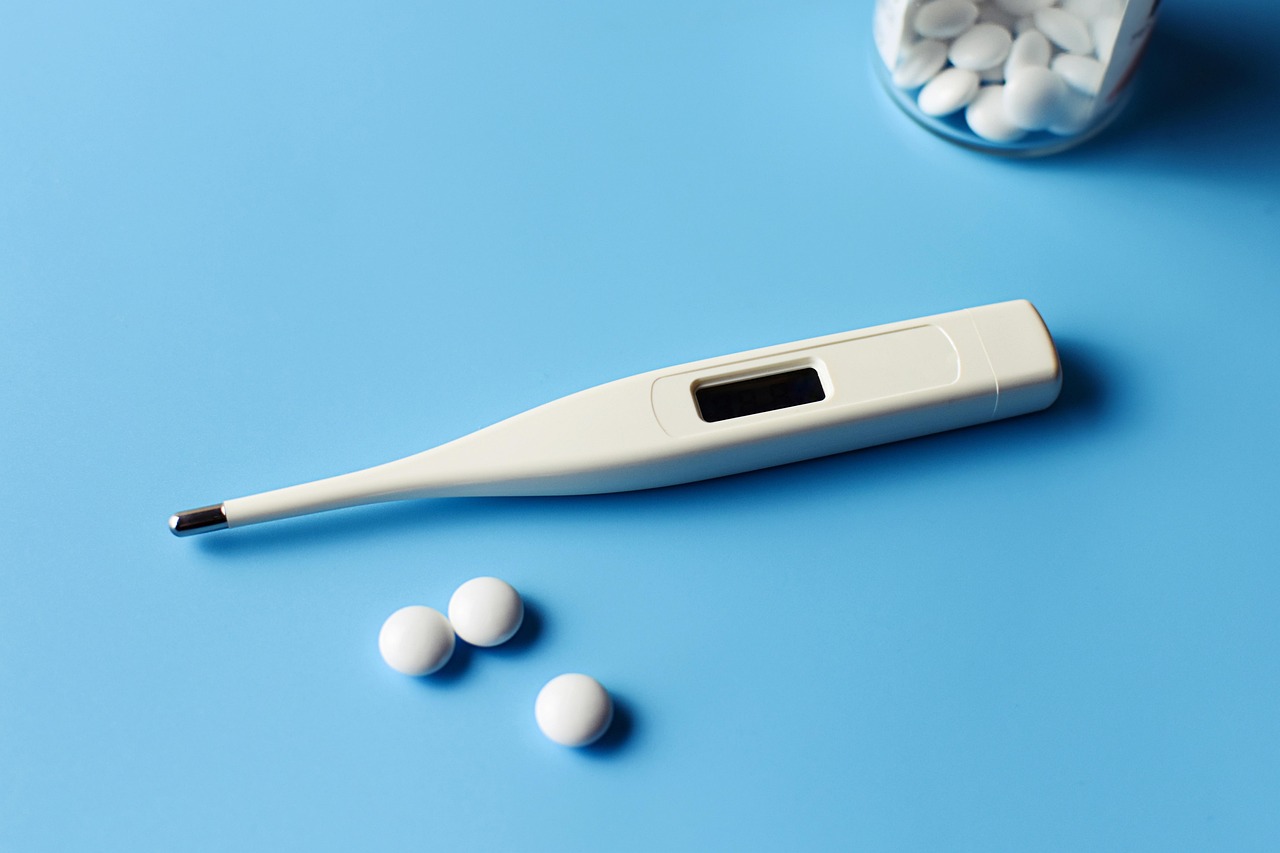
Data shows cases of imported dengue and Zika virus disease infections continuing through spring into summer as the busy summer travel season begins
As the summer holiday season begins, the UK Health Security Agency (UKHSA) is reminding travellers to take precautions against travel-associated infections overseas. UKHSA has today published provisional data for England, Wales and Northern Ireland on specific selected travel-associated infections, including mosquito-borne infections (dengue, Zika, chikungunya and malaria) and enteric fever (typhoid and paratyphoid fever).
Mosquito-borne infections can cause fever, headache, muscle and joint pain, nausea and vomiting, and can be serious, although some people experience no symptoms at all. Typhoid and paratyphoid are serious but preventable illnesses caused by Salmonella bacteria, usually spread through contaminated food or water.
Travellers can protect themselves against these infections by taking steps to avoid mosquito bites, including using insect repellent, covering exposed skin and sleeping under a treated bed net where needed, as well as practising good food and water hygiene and getting vaccinations and malaria prevention tablets where appropriate.
The latest imported dengue data shows that a total of 137 cases were reported in England from January to June 2026. South-East Asia and South Asia remain the most common regions of exposure, with 27 cases linked to travel to Thailand and 19 to the Maldives.
A total of 8 Zika virus cases were reported from January to June 2026. This already exceeds the 7 cases recorded in 2025. Indonesia was the most frequently reported country of exposure, accounting for four of the eight cases in 2026 so far. Notably, only one travel-associated case linked to Indonesia had been reported between 2014 and 2025, which occurred in 2024.
Although Zika rarely causes serious illness in most people, it poses a significant risk during pregnancy as it can be passed to the unborn baby and can cause birth defects. There is no vaccine or treatment, so avoiding mosquito bites is the most effective form of protection.
A total of 59 chikungunya cases were reported from January to June 2026, with Sri Lanka being the most commonly reported country of travel, accounting for 18 cases.
Meanwhile, 557 malaria cases were reported in England, Wales and Northern Ireland from January to May 2026. Malaria is potentially fatal but almost entirely preventable when antimalaria tablets are taken correctly.
Today’s data shows that cases of dengue and Zika continue through spring and into the summer, with dengue recording its highest 2026 monthly total in June, and Zika cases reported throughout this period. This follows the pattern seen in previous years, where mosquito-borne infection cases are commonly reported during the spring and summer travel months.
In addition to mosquito-borne infections, a total of 287 travel-associated enteric fever cases (typhoid and paratyphoid fever) were reported from January to June 2026. The highest number of enteric fever cases is recorded between May and October in recent years, with September seeing a peak of 118 cases in 2025. These are serious but preventable illnesses caused by Salmonella bacteria, usually spread through contaminated food or water.
With the summer holiday season now underway, cases are expected to continue to rise, and UKHSA is reminding travellers to take appropriate precautions before and during their trip.
Dr Hilary Kirkbride, Consultant Epidemiologist and Head of Travel Health at UKHSA, said:
Summer is a popular time to travel – don’t let illness spoil your holidays. Good preparation and planning is important for a safe and enjoyable trip.
Check the TravelHealthPro website for the latest health advice for your destination, including which vaccines you may need and any important medications, such as antimalarial tablets. To protect against mosquito borne infections use insect repellent, cover exposed skin and sleep under a treated bed net where needed. For enteric fever and other stomach bugs make sure you take good food and water hygiene precautions.
Even if you have visited a country before, you do not have the same level of natural protection against infections as permanent residents, so it is important to take precautions every time you travel. And if you are pregnant or trying to conceive there are special precautions you should take, so please speak to a doctor, nurse or local travel clinic before planning your trip.
Meanwhile, measles continues to circulate in parts of the UK, with outbreaks also occurring worldwide. Measles spreads very easily and can lead to serious complications, including ear and chest infections and, in rare cases, inflammation of the brain.
Two doses of the MMR or MMRV vaccine are the best way to protect yourself and your family from measles. Babies under the age of 1 and some people who have weakened immune systems cannot have the vaccine and are at risk of more serious complications if they get measles. They rely on the rest of us getting the vaccine to protect them.
UKHSA is urging parents to ensure their children’s routine vaccinations are up to date before travelling, giving them the best possible protection ahead of their trip.
The TravelHealthPro website, supported by UKHSA, provides up-to-date health information for countries across the world.







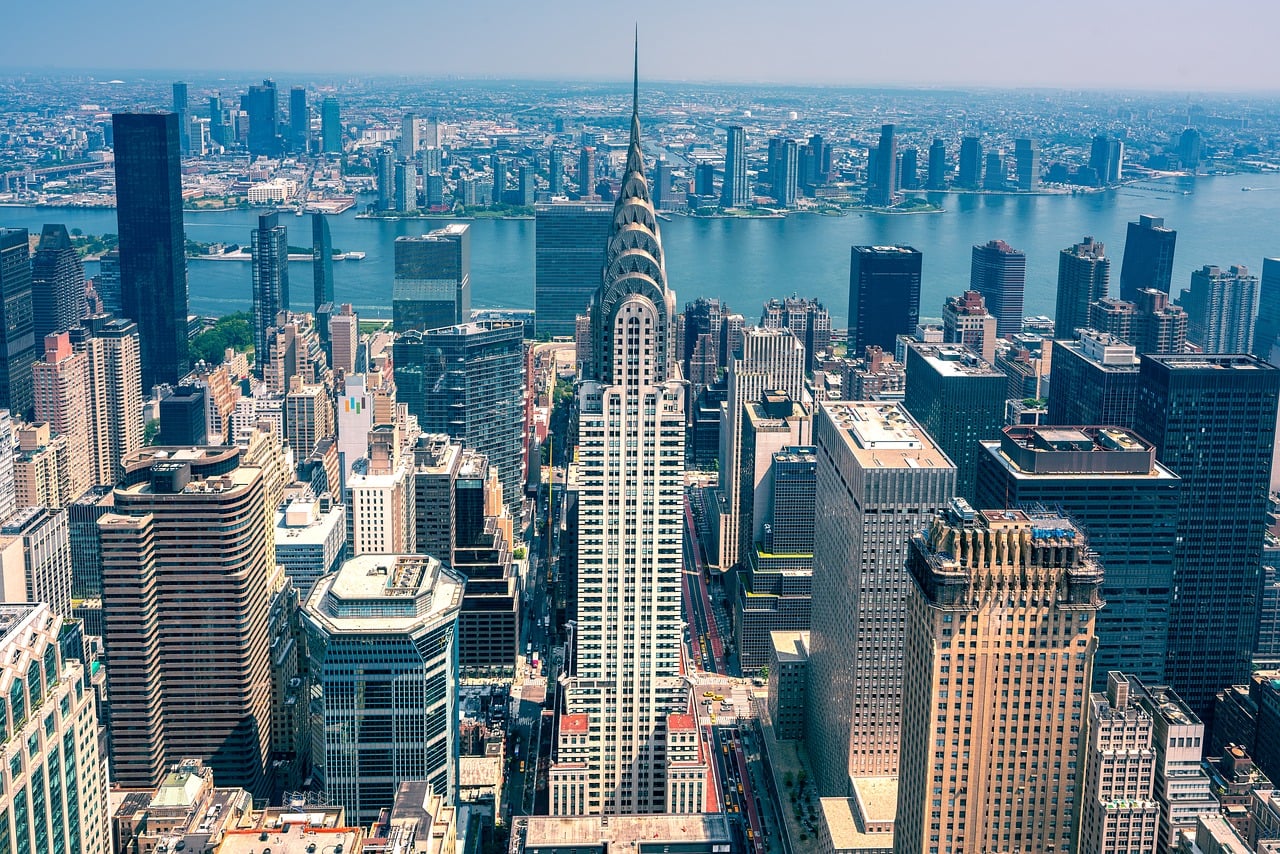
A country climbs towards the top of any expensive list for reasons that sound simple and are awkward to measure: the price of a loaf, the price of a pint, and the price of a bed for the night. Dictionaries are clear enough on the word itself, describing expensive as costing a relatively large amount of money, time or effort, or as charging high prices. What they cannot do is tell you which countries those descriptions fit best, because the answer depends entirely on what you put in the shopping basket and when you price it.
What “Expensive” Means in Practice
The dictionary definition gives two slightly different ideas that matter for travel budgeting. The first is straightforward: something expensive costs a lot of money. The second is about the seller, since an expensive business is one that makes a high charge. There is also the phrase expensive tastes, meaning habits that cause a great deal of expense. All three readings point to the same conclusion for anyone comparing countries: a place is not expensive in the abstract, only relative to your own budget, your own habits and the standard you expect.
A week of self-catering in a rural town and a week of hotel dining in a capital city are not the same purchase, so they cannot be ranked on the same list without a stated method.
Why No Single Top Ten List Is Definitive
Published comparisons of the most expensive countries disagree with each other, and the disagreement is usually honest rather than careless. Some measure what residents spend across a full year. Others measure what a visitor spends in a week. Some include alcohol heavily, others barely touch it. Some price a mid-range hotel room in the capital, others average across the whole country. Exchange rates move constantly, so a list compiled in one month can look wrong six months later.
Treat any top ten you read, including this one, as a prompt to check current figures yourself before you commit to a booking or a budget. Currency conversions and prices change.
The Three Costs That Decide the Ranking
Food, drink and accommodation dominate any travel budget, and each behaves differently.
| Cost line | What to compare | Why it moves the total |
|---|---|---|
| Food | A supermarket basket against a mid-range restaurant meal | Imported groceries and restaurant labour can push both up at once |
| Drink | Bottled water and coffee against beer and wine | Duty and licensing can make alcohol far more costly than soft drinks |
| Accommodation | Nightly rate for a mid-range room in peak season | Demand, seasonality and limited supply set the price |
| Extras | Taxes and service charges added to the bill | Quoted prices may not be the price you pay |
Food
Two countries can have near-identical grocery costs and wildly different restaurant costs. Eating out carries labour, rent and licensing, so a place with high wages and expensive commercial property will charge more for the same plate. Look at both figures separately rather than averaging them into one number.
Drink
Alcohol is the single biggest source of distortion in drink comparisons. Duty rates and licensing rules vary enormously between countries, and some places price a bottle of wine at what others charge for a coffee. Compare like with like: soft drinks against soft drinks, and check local rules on where and when alcohol can be bought, since those rules affect price as much as tax does.
Accommodation
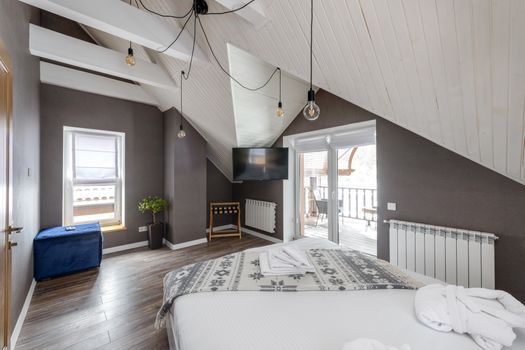
Hotel pricing is the most seasonal of the three. A coastal resort in high summer and the same resort in February are effectively two different markets. Longer stays, self-catering and rooms outside the centre all change the calculation, which is why a single nightly figure rarely tells the full story.
What Typically Pushes a Country Up the Table
Certain structural factors recur whenever costs are compared, and they explain most of the variation between destinations.
- Dependence on imported food and drink, which adds transport and handling to every item.
- Geography and limited land, which restrict both agriculture and the supply of accommodation.
- Strong tourism demand concentrated into a short season.
- High labour costs across hospitality and retail.
- Taxes and duty applied to alcohol, tobacco and restaurant meals.
- A strong currency against sterling, which makes every local price feel larger to a British visitor.
Where several of these overlap, prices tend to sit near the top of international comparisons. Where only one applies, the effect is usually much smaller than headline lists suggest.
A Practical Way to Build Your Own Comparison
If you want a ranking you can actually trust, build it yourself using a fixed method.
- Choose a basket and keep it identical for every country: one week of groceries, three restaurant meals, a set number of drinks, and seven nights in a mid-range hotel.
- Fix the dates. Use the same week or the same month for every destination.
- Convert everything to pounds on the same day so the exchange rate cannot flatter one country over another.
- Record whether quoted prices include tax and service, and add them where they do not.
- Repeat the exercise for a capital city and for a regional town, then note the gap.
The last step is the one most lists skip, and it is often the difference between a destination that looks expensive and one that actually is.
Common Mistakes That Distort the Picture
Comparing a capital city hotel with a rural guesthouse, ignoring service charges, and using exchange rates from a previous year are the three errors that most often inflate or deflate a country’s apparent cost. A short snapshot from a single trip is also unreliable, because one bad booking or one expensive airport meal can dominate a small sample.
Frequently Asked Questions
Which country is the most expensive in the world for food, drink and accommodation?
There is no settled answer. Rankings depend on the basket of goods used, the season, whether visitor or resident spending is measured, and the exchange rate on the day. Any list should be checked against current price data before you rely on it for a budget.
Is a high cost of living the same as high holiday costs?
Not necessarily. A country can be costly to live in because of housing, utilities and transport while still offering reasonable restaurant and hotel prices. Visitors only pay for a narrow slice of the local economy, so living costs and holiday costs often diverge.
Why do food and drink prices vary so much between countries?
Imports, duty, licensing rules, labour costs and the strength of local farming all play a part. A country that grows little of what it eats will usually charge more in shops, and one that taxes alcohol heavily will charge much more in bars.
How can I budget accurately for an expensive destination?
Price a fixed basket for fixed dates, convert everything on the same day, and include taxes and service charges. Then compare a city centre against a smaller town, and check whether self-catering for part of the trip brings the total down.
Used carefully, that method will tell you more about where your money actually goes than any published top ten, because it measures the trip you are genuinely planning rather than an average of everyone else’s.
Consoles
Has Sony Shot Themselves In The Foot
Who is to blame for the current crisis Sony has put themselves in, and will it all end in tears?


Almost any feud is distasteful and full of resentment. But who is to blame for the current crisis Sony has put themselves in, and will it all end in tears?
This all started when Sony stated it was not going to produce hard media after 2027. No more DVDs, just downloads of your favourite software games.
Sony argues that there are more people downloading digital content than people buying disc games. Sony also says it’s a natural progression moving to digital-only media.
When people bought the PS5, you had digital-only, disc drive and PRO versions. Now maybe it would have been a good time to introduce digital-only at the PS5’s launch.
If the PS5 had no disc versions at the start, it maybe would have been expected. Like any other company, sales of the PS5 were important at the beginning.
Due to a shortage of components, though, sales of the PS5 were slow for a while, and people had to wait months to get their hands on one.

So, we come down to why now?
One reason could be the imminent release of the game GTA6. This game has been in development for a year or so.
But this game will be digital only, and maybe Sony has looked at this format and made a decision. But there is more to it than meets the eye, and that’s MONEY.
If you buy the program or game digitally, the license is for one PlayStation username. Yes, the game is identical to the disc version, but the license is nontransferable.
This means when you buy a game, you cannot sell it. A non-transferable license is for the purchaser only.
So, looking at Rockstar Games and GTA 6, their quids in.
But look beyond GTA6, and you have the PlayStation Network, which has its own shop to sell digital downloadable games.
Here you can buy games, but some are expensive. Let’s look at an example. PlayStation Store sells Gran Turismo 7 for £69.99, yet on eBay a new disc version costs £31.90.
This is where the rip-off starts to show. It’s not even a few pence; it’s pounds.
But think of it. As soon as Sony makes all sales digital, the prices could rise, and there’s nothing you can do about it.
Owning a disc feels like you own the game. It gives you the opportunity to do as you wish, i.e. keep it, sell it or swap it.
All through life, we have seen mega corporate companies bully their clients just to make an extra buck.
But the most dangerous part of all this is that your digital game could be pulled by Sony at any time. They have done things like this before with the TV.
Our opinion is that this is down to greed over convenience or slimming down. The software houses beware, though, because the public are not going to buy rubbish games and be stuck with them. They just won’t buy them.

Weather
UK Weekend Weather For The UK
A temporary ridge of high pressure will build across southern and central parts of the UK on Saturday
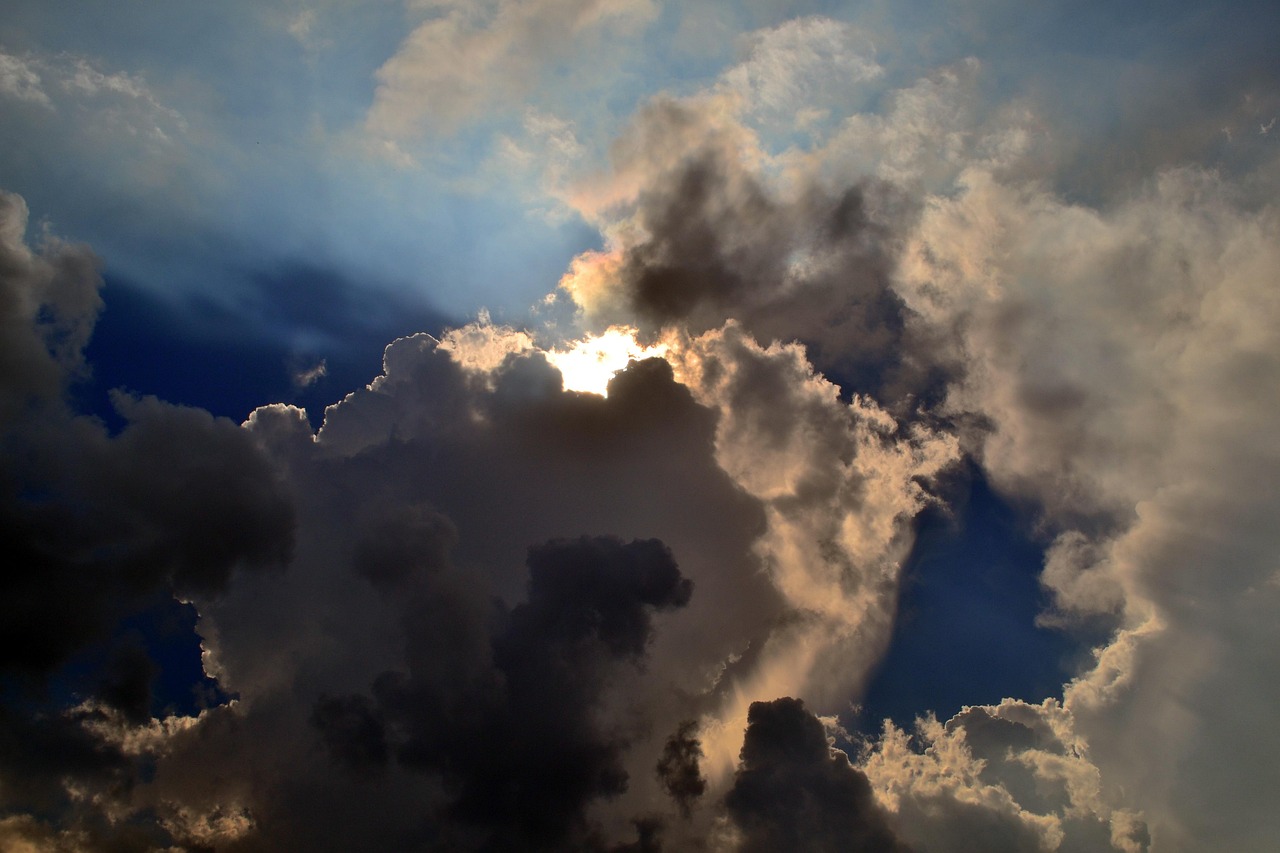
A temporary ridge of high pressure will build across southern and central parts of the UK on Saturday, bringing a window of settled, drier weather and lighter winds. However, an incoming Atlantic low-pressure system and associated cold front will move into the northwest by late Saturday and into Sunday. This front will drag warm, humid air across England and Wales on Sunday before bringing wet and windy conditions to the north and west, eventually sweeping rain southeastward overnight into Monday.
Saturday Forecast
- England & Wales: A largely dry, fine, and bright day for most areas with lighter winds and spells of sunshine. Temperatures will feel pleasant, reaching 20°C to 24°C in southern and eastern regions.
- Scotland & Northern Ireland: A cloudier picture overall. Blustery showers are likely across northern and western Scotland, with a few light patches of rain possible across Northern Ireland before drying out later in the day. Highs in the mid-to-high teens.
Sunday Forecast
- London, South & East England: Very warm, dry, and sunny for most of the day as warm air pulls up from the south. Winds will pick up, but temperatures could reach 25°C to 27°C in local spots in the Southeast.
- Midlands & Wales: Dry and bright to start with warm sunny spells. Turning increasingly breezy through the afternoon, with cloud building ahead of rain arriving from the west by late evening.
- Northern England, Scotland & Northern Ireland: Wet and windy weather will push in from the northwest. A band of rain will move across Northern Ireland and Scotland, accompanied by strong, gusty winds, before reaching Northern England later in the day. Highs around 16°C to 19°C.


Premier League Matchday 8

November PlayStation Plus Lineup


