
Motoring
The Original Track Monster: The Story of the Ford 1970s Supervan
Think of iconic 1970s race cars, sleek sports coupes, Formula 1 machines, and GT cars come to mind

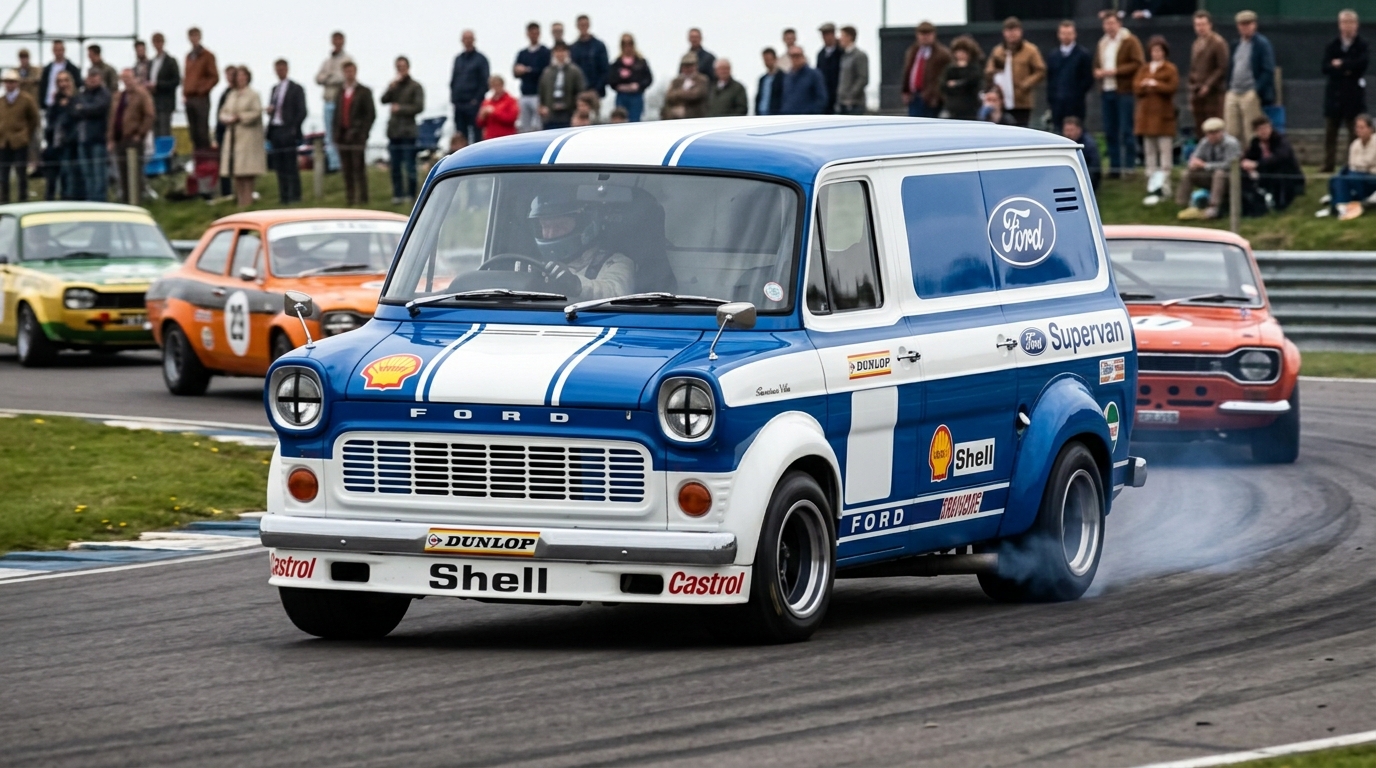
Think of iconic 1970s race cars, sleek sports coupes, Formula 1 machines, and GT cars come to mind. But in 1971, Ford Motor Company threw out the conventional rulebook and built one of the most outrageous, memorable promotional vehicles in motorsport history. The Ford Transit Supervan was born.
Combining the boxy utility of Britain’s favourite commercial van with the mid-engined heart of a Le Mans-winning endurance racer. The 1970s “Supervan 1” became an instant legend.
1. The Birth of an Icon: Why Build a Supervan?
By the turn of the 1970s, the Ford Transit Mk1 had already established itself as a workhorse across the UK. Known for its reliability and cargo space, it dominated commercial sales.
However, Ford wanted to prove that the Transit wasn’t just practical—it was exciting. To capture public attention and showcase its high-performance engineering, Ford commissioned Terry Drury Racing to construct a one-of-a-kind promotional vehicle. The goal was simple: build a van that could outrun purebred sports cars on a circuit.
2. Under the Skin: GT40 Power meets Commercial Utility
While the exterior looked strikingly like a standard Mk1 Transit, underneath lay pure racing architecture.
- Mid-Engine Layout: To achieve proper weight distribution, engineers mounted a massive V8 engine directly behind the front seats in the cargo hold.
- Le Mans Heartbeat: The original Supervan was powered by a 5.0-litre Ford GT40 V8 engine, delivering around 400 horsepower—an astonishing figure for the era.
- Race Chassis: Instead of relying on a standard leaf-sprung van chassis, the body was grafted onto a modified GT40 spaceframe chassis, complete with independent racing suspension, wide racing slicks, and heavy-duty competition brakes.
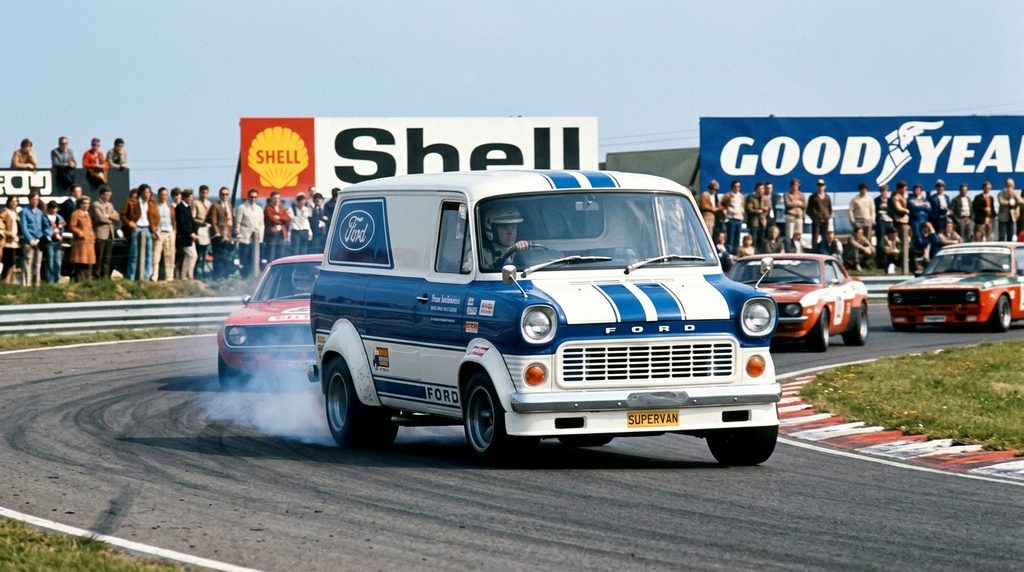
3. Aggressive 70s Styling & Wide-Body Stance
To accommodate the massive race-spec rubber and wider track width, the van featured aggressive flared wheel arches (wide-body kit), lowered suspension, and race-ready front chin spoilers.
Adorned in classic 1970s motorsport liveries—featuring iconic sponsor badges like Shell, Castrol, and Dunlop—the wide-body Transit looked menacing on the track. Despite the massive drag created by its tall, blocky profile, the GT40 V8 pushed Supervan 1 to top speeds exceeding 150 mph (240 km/h).
4. On-Track Demolition and Public Reaction
Supervan made its public debut at Brands Hatch in Easter 1971. Spectators were stunned as a vehicle shaped like a delivery van screamed around the circuit. Lifting its front wheels under hard acceleration and drifted around corners alongside contemporary sports cars.
It quickly became a fixture at airshows, hill climbs, and historic race meets across Europe, driven by famous racing personalities who pushed the mid-engined beast to its limits.
5. The Legacy: Paving the Way for Future Supervans
The original 1971 Supervan set off a tradition within Ford that spans over five decades:
- Supervan 2 (1984): Built on a Cosworth DFL V8 Formula 1 engine and a fibreglass body, reaching over 170 mph.
- Supervan 3 (1994): Featuring a 650-hp Cosworth HB V8.
- Electric Supervan 4 (2022+): An all-electric, multi-motor monster delivering roughly 2,000 horsepower.
Final Thoughts
The 1970s Ford Transit Supervan remains a high-water mark of automotive audacity. By merging a humble delivery vehicle with the DNA of a Le Mans champion, Ford created an unforgettable piece of car culture that still inspires motorsport enthusiasts today.
Modern Cars
How to Find the Cheapest Car Rental Companies in the UK
Renting a car in the United Kingdom gives you the freedom to explore everything from the coastal roads of Cornwall to the Scottish Highlands.

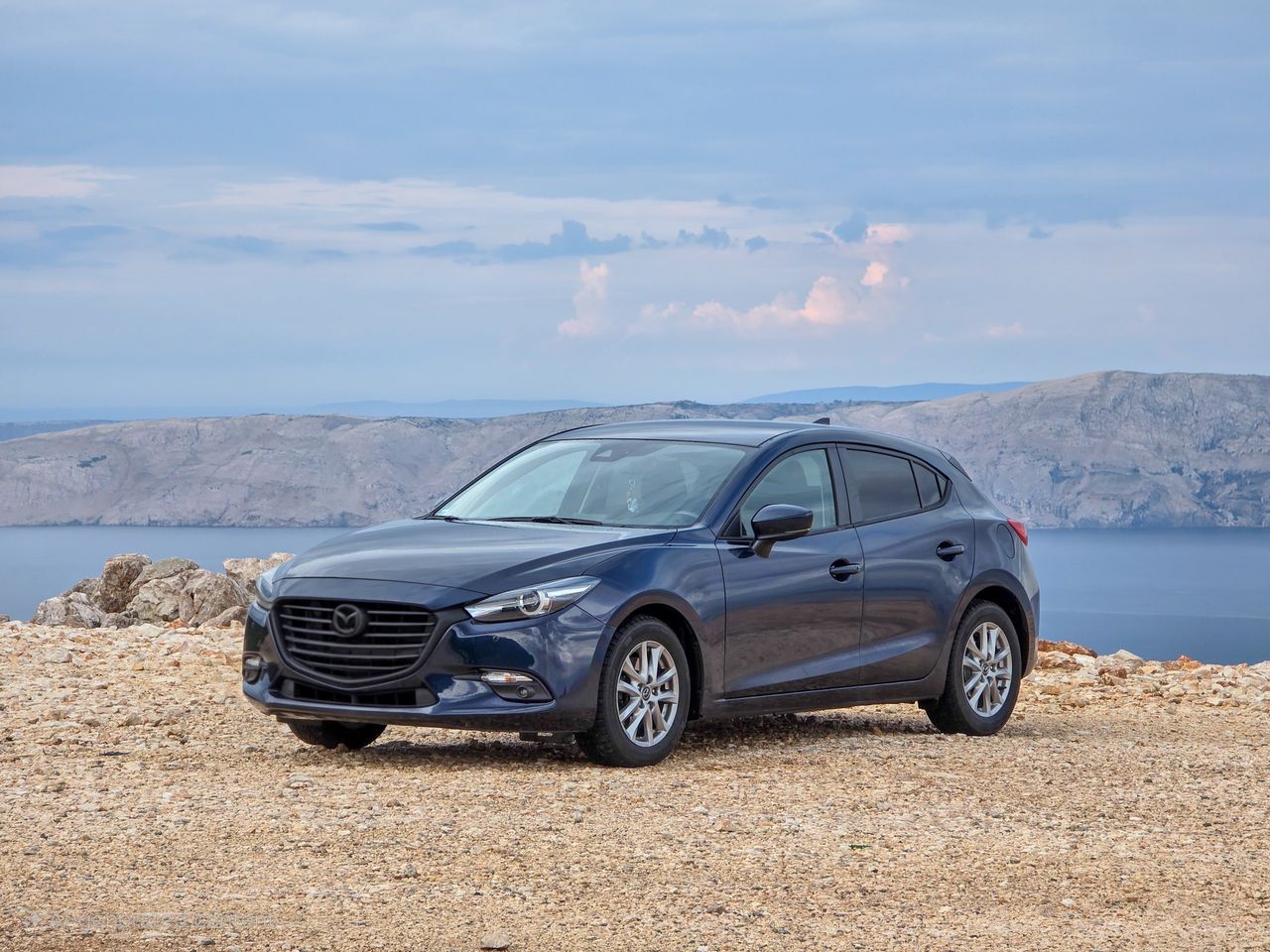
How to Find the Cheapest Car Rental Companies in the UK: A Complete Savings Guide
Renting a car in the United Kingdom gives you the freedom to explore everything from the coastal roads of Cornwall to the Scottish Highlands. However, car hire rates in the UK can vary wildly depending on the rental provider, pickup location, and booking strategy.
Whether you need a compact hatchback for a quick weekend getaway or a spacious SUV for a family road trip, here is a comprehensive guide to finding the cheapest car rental companies in the UK and avoiding hidden fees.
1. Top Budget Car Rental Companies in the UK
When searching for cheap car hire in the UK, rental companies generally fall into two categories: global budget brands and regional/independent providers.
Popular Budget Brands:
- Drivalia: Rapidly expanding across major UK airports and urban hubs, Drivalia frequently offers some of the lowest daily rates for economy and mini-category vehicles.
- Green Motion: Known for focusing on low-emission, hybrid, and electric vehicles, Green Motion often displays the lowest baseline prices on comparison engines. Note: Be sure to review their specific mileage limits and strict vehicle inspection policies.
- Enterprise & Alamo: While baseline rates can sometimes be slightly higher than deep-discount providers, Enterprise is renowned for transparent pricing, excellent customer service, and an extensive network of neighbourhood branches across the UK.
- Keddy by Europcar: The budget subsidiary of Europcar, Keddy offers lower rates while utilising the same main fleet and airport desks as its parent company.
- Sixt & Hertz (Low-Tier Vehicles): Both legacy brands regularly offer competitive deals on smaller vehicle categories (such as the Fiat 500 or Vauxhall Corsa) when booked well in advance.
2. Proven Strategies to Secure the Lowest Rates
Use Car Rental Comparison Engines
Never book directly through the first rental website you visit. Use aggregate comparison portals like Skyscanner, Auto Europe, Rentalcars.com, or Kayak to view real-time rates across dozens of suppliers simultaneously.
Avoid Airport Pickup Desks When Possible
Renting a car directly from major international hubs—such as London Heathrow (LHR), London Gatwick (LGW), Manchester (MAN), or Edinburgh (EDI)—often incurs an airport location surcharge or premium location fee.
- Money-Saving Tip: Take a short train or bus ride to a downtown or neighbourhood branch outside the airport perimeter. Off-site branches frequently offer significantly lower daily rental rates.
Book Early and Choose Flexible Cancellation
Car hire prices in the UK operate on dynamic pricing models based on demand. Booking 4 to 8 weeks in advance during peak seasons (such as summer holidays or Christmas) secures the lowest rates. Opt for “Free Cancellation” policies so you can rebook if prices drop closer to your travel date.

3. How to Avoid Hidden Fees in the UK
A cheap baseline rate can quickly become expensive if you fall into common add-on charges:
- Excess Insurance (CDW): Desk agents often push expensive daily Collision Damage Waiver (CDW) excess insurance at pickup. You can save up to 70% by purchasing an independent Excess Insurance Policy from a specialist UK provider before your trip.
- Fuel Policies: Always select a “Full-to-Full” fuel policy. This ensures you only pay for the fuel you actually use, provided you return the car with a full tank. Avoid “Pre-purchase” options, which charge inflated pump prices.
- Transmission Selection: Automatic cars are less common and more expensive to rent in the UK. If you are comfortable driving a manual (stick-shift) vehicle, you will instantly unlock significantly lower rates.
- Tolls and Congestion Charges: If driving through central London, remember to pay the London Congestion Charge and ULEZ (Ultra Low Emission Zone) fee online to avoid costly penalties from the rental agency.
Summary Checklist for Cheap UK Car Hire
- Compare rates using aggregator sites across multiple companies.
- Select a manual transmission, economy-class vehicle.
- Pick up from a city branch rather than an airport terminal where feasible.
- Buy third-party excess reimbursement insurance in advance.
- Return the vehicle with a full tank of fuel.
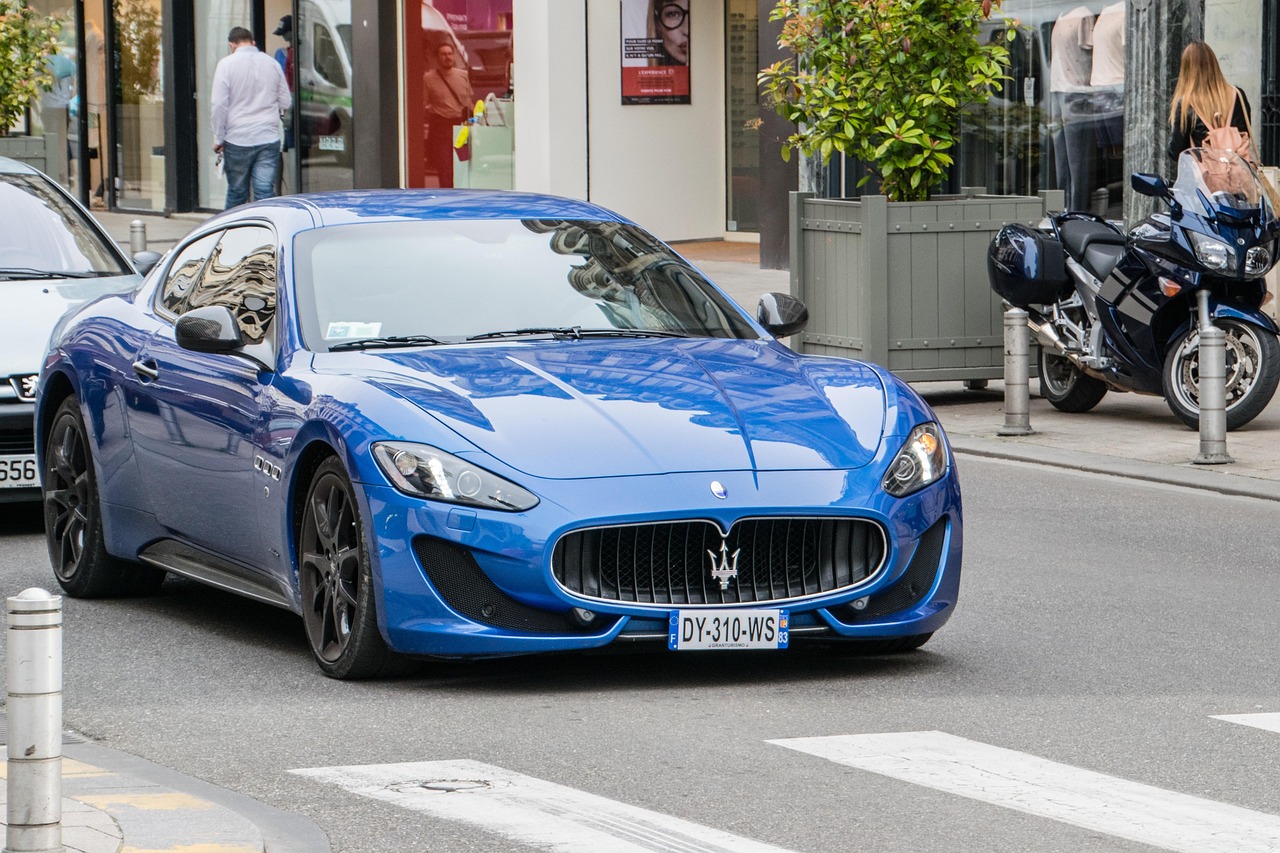
The History of Maserati: From Racing Pioneer to Modern Luxury Icon
Few names in the automotive world evoke as much passion, heritage, and pure Italian elegance as Maserati. Instantly recognisable by its iconic Trident emblem, the Modena-based marque has spent over a century balancing high-performance motorsport engineering with handcrafted luxury GT touring.
From its humble beginnings in a small Bologna workshop to dominating World Championship Formula 1 tracks and transitioning into the modern era of electrification, here is the complete story of Maserati’s evolution.
1. The Founding Brothers and the Birth of the Trident (1914–1930s)
Maserati was officially founded in Bologna, Italy, on December 1, 1914, by brothers Alfieri, Ettore, and Ernesto Maserati. Raised with a deep fascination for mechanics and high-speed engines, the brothers initially operated as a specialised garage building race cars for Diatto.
When Diatto suspended its motorsport program in 1926, the Maserati brothers built their very first original race car: the Tipo 26. Driven by Alfieri Maserati himself, the Tipo 26 won its class at the gruelling Targa Florio in 1926, establishing the brand’s reputation overnight.
1914: Workshop Founded ➔ 1926: First Car (Tipo 26) ➔ Trident Logo Designed by Mario Maserati
The Origin of the Trident Logo
Unlike his mechanically minded brothers, Mario Maserati was an artist. He designed the brand’s legendary logo based on the Fountain of Neptune located in Bologna’s Piazza Maggiore. The Trident symbolised strength, vigour, and Neptune’s control over the sea, rendered in Bologna’s traditional red and blue colours.
2. The Golden Era of Grand Prix & Le Mans (1930s–1950s)
Tragedy struck in 1932 when visionary founder Alfieri Maserati passed away following complications from a racing crash. In 1937, the surviving brothers sold their shares to industrialist Adolfo Orsi, who relocated the company headquarters to Modena, Italy—where Maserati remains based to this day.
Historic Racing Achievements
- Indy 500 Dominance (1939 & 1940): Maserati became the first and only Italian manufacturer to win the Indianapolis 500 back-to-back with the supercharged Maserati 8CTF (nicknamed the “Boyle Special”).
- Formula 1 World Championship (1957): The breathtaking Maserati 250F is widely regarded as one of the greatest Grand Prix cars ever built. Argentine racing legend Juan Manuel Fangio drove the 250F to a legendary victory at the 1957 German Grand Prix at Nürburgring, capturing his fifth F1 World Championship title.
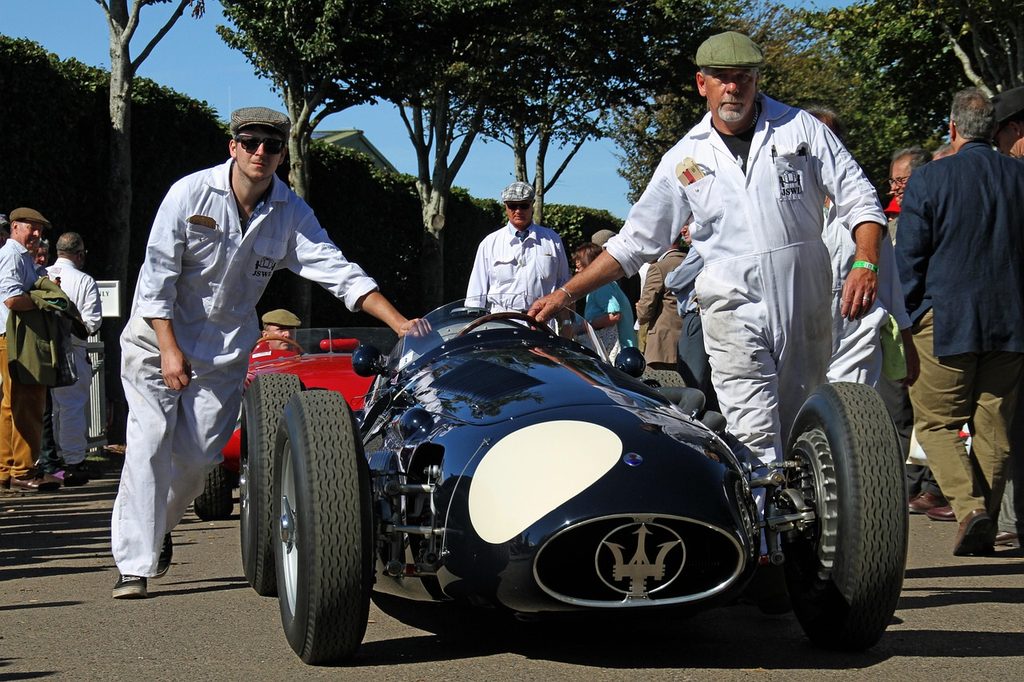
3. Shifting to Road Cars: The Birth of the Grand Tourer (1947–1970s)
Following its success on the track, Maserati pioneered the concept of the high-performance Grand Tourer (GT)—a car capable of combining race-bred engines with long-distance luxury.
Iconic Road Models
- Maserati A6GCS & 3500 GT (1957): The 3500 GT was Maserati’s first mass-produced road car. Featuring aluminium bodywork by Touring Superleggera and a 3.5-litre inline-6 engine derived from racing, it proved to be a massive commercial success.
- Maserati Sebring & Mistral (1960s): Continued the brand’s tradition of naming road cars after famous winds (a tradition that later inspired the Ghibli, Bora, Khamsin, and Levant).
- Maserati Quattroporte (1963): Pioneered an entirely new vehicle segment: the world’s fastest four-door luxury sedan. Fitting a race-derived V8 engine inside a stylish sedan body created an instant flagship.
- Maserati Ghibli (1967): Styled by Giorgetto Giugiaro, the original Ghibli coupe stood out with its long bonnet, pop-up headlights, and 174 mph top speed, rivalling the Ferrari Daytona and Lamborghini Miura.
4. Ownership Changes: Citroën, De Tomaso, and Ferrari
The 1970s brought economic instability, oil crises, and changing automotive ownership:
| Era | Owner / Corporate Structure | Major Milestones & Models |
| 1968–1975 | Citroën Era | Introduced mid-engine supercars like the Bora and Merak, incorporating Citroën’s hydraulic brake and suspension systems. |
| 1975–1993 | De Tomaso Era | Managed by Alejandro de Tomaso. Shifted toward twin-turbocharged, smaller engines with the Biturbo line, boosting sales volume but struggling with reliability perception. |
| 1993–2004 | Fiat & Ferrari Integration | Fiat purchased Maserati in 1993 and later transferred 50% ownership to arch-rival Ferrari in 1997. Ferrari overhauled production quality, leading to the acclaimed 3200 GT and Coupe/Cambiocorsa. |
Citroën Era (1968) ➔ De Tomaso (1975) ➔ Fiat & Ferrari Era (1990s) ➔ Stellantis Group
5. Modern Resurgence: The MC12 and Global Expansion
Under Ferrari management and subsequent integration into Fiat Chrysler Automobiles (FCA), Maserati entered a major rebirth.
The MC12 Hypercar (2004)
To mark its return to GT racing after a 37-year absence, Maserati created the hypercar MC12. Based on the Ferrari Enzo chassis but featuring a distinct aerodynamic body, only 50 road-going units were produced. The MC12 dominated the FIA GT Championship, winning multiple titles.
Expanding the Modern Lineup
Throughout the 2010s, Maserati scaled up global production by expanding its portfolio:
- GranTurismo & GranCabrio (2007–2019): Designed by Pininfarina, featuring naturally aspirated Ferrari-built V8 engines with an unforgettable exhaust note.
- Ghibli (Executive Sport Sedan): Reintroduced in 2013 to compete against mid-size European luxury sedans.
- Levante (2016): Maserati’s first-ever production SUV, bringing Italian styling and active air suspension to the luxury SUV market.
6. Maserati Today: The Nettuno Engine and Folgore Electrification
Now operating under the Stellantis group, Maserati has launched an ambitious new era focused on bespoke supercar engineering and full electrification.
The MC20 Supercar & Nettuno Engine
In 2020, Maserati unveiled the MC20 (Maserati Corse 2020), marking a return to 100% in-house engineering at Modena. At its heart sits the groundbreaking Nettuno engine—a 3.0-litre twin-turbo V6 utilising Formula 1-derived pre-chamber combustion technology to produce over 620 horsepower.
The Folgore Era (Full Electrification)
Maserati is leading the Italian luxury market into electric mobility under its Folgore (Italian for “Lightning”) badge:
- GranTurismo Folgore: A tri-motor, 800-volt electric GT delivering over 750 horsepower and 0–60 mph acceleration in roughly 2.7 seconds.
- Grecale Folgore: A fully electric compact luxury SUV.
- GranCabrio Folgore: The luxury sector’s first all-electric convertible.
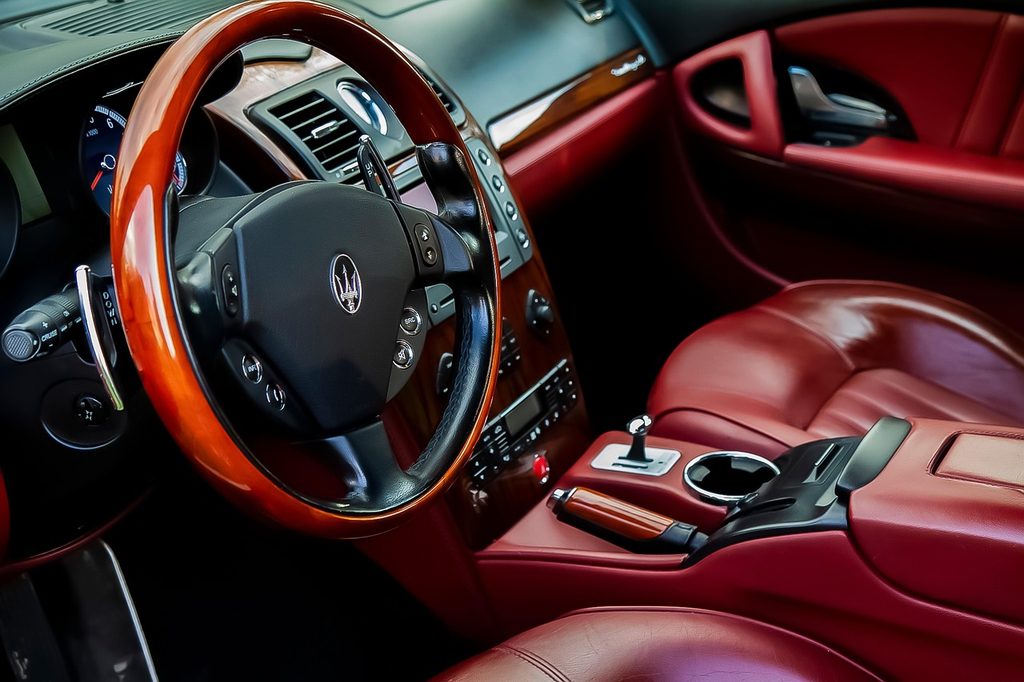
Summary Timeline
1914 ── Maserati founded in Bologna by the Maserati brothers.
1926 ── First official car, the Tipo 26, wins its class at Targa Florio.
1939 ── Wins the Indianapolis 500 (repeated in 1940).
1957 ── Fangio wins F1 Championship in 250F; 3500 GT launches luxury GT era.
1963 ── First-generation Quattroporte revolutionizes sports sedans.
2004 ── MC12 supercar claims FIA GT Championship dominance.
2020 ── MC20 supercar debuts featuring the in-house Nettuno V6 engine.
2024+─ Full transition toward Folgore electric powertrains across the entire lineup.
From its roots on 1920s dirt ovals to modern electric grand tourers, Maserati remains defined by its core philosophy: “Exceptional Everyday”—delivering race-bred performance wrapped in unmistakable Italian style.
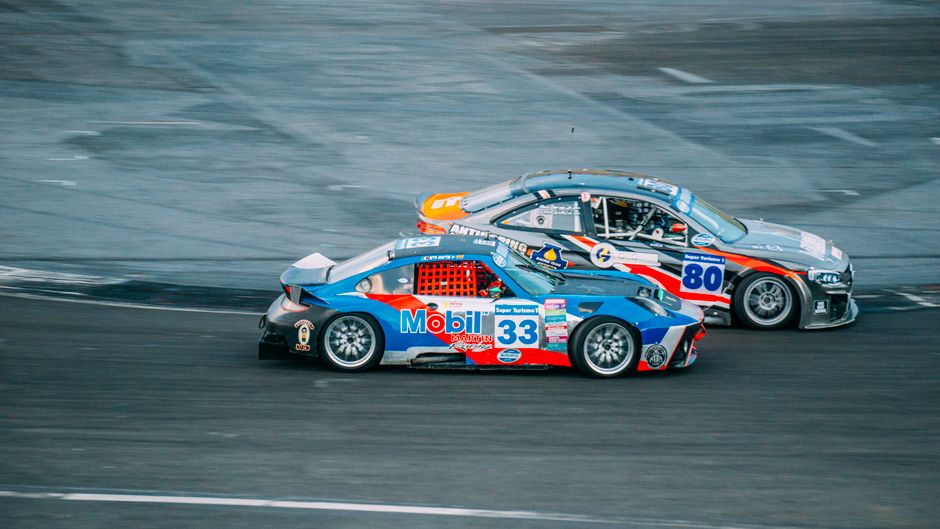
The 24 Hours of Le Mans is an endurance sports car race held annually near the city of Le Mans in France. The first running took place in 1923, which makes it the oldest active endurance sports car race in the world. That single fact explains a great deal about its standing. Championships have been renamed and regulations rewritten many times since, yet the Le Mans 24 Hours has held its position at the top of endurance motorsport.
The organisers describe the race as a technological challenge and an immeasurable human adventure, and that mixture is what separates it from a straightforward sprint event. Manufacturers use it to test ideas under conditions no laboratory can copy, while spectators get a full day and night of racing in one sitting. It is one of the biggest sporting events in the world, and the story of how it got there runs through a French motoring club, a river city and a century of mechanical change.
1923 and the Club That Made the Race Happen
Behind the event sits the Automobile Club de l’Ouest, usually shortened to the ACO. The club was founded in 1906 and designs and organises world-leading car races, with the 24 Hours of Le Mans as its best-known creation. The ACO presents itself as the creator and organiser of the race, a role it has held since the earliest days of the event.
The ACO is not only a race promoter. It is a club with more than 40,000 car and motorbike enthusiast members, and part of its stated purpose is protecting road users on a daily basis. Members receive preferential conditions at races run on the Le Mans circuit, and the club also organises events across western France, the region it refers to as le Grand Ouest.
That structure helps explain the race’s continuity. A members’ club with a long institutional memory has been able to carry the event through the different eras of motorsport, adapting the rulebook while keeping the central idea intact. The format is stated in the name itself: a race that runs for 24 hours, held annually, on a circuit near the city.
The City Behind the Name
Le Mans is a city in northwestern France, sitting on the Sarthe River where it meets the Huisne. Traditionally the capital of the province of Maine, it is now a prefecture and commune in the Pays de la Loire region. The city is known as the City of Art and History, and its most famous export is the endurance race that carries its name, with thousands of spectators attending every year.
Anyone who has only seen the event on television tends to underestimate the city’s part in it. The circuit sits close to Le Mans itself, and race week reshapes the surrounding area for its duration. For a first visit, check the official circuit and ticketing pages rather than relying on older write-ups, because the programme, entry list and access arrangements are all published there and can change from year to year.
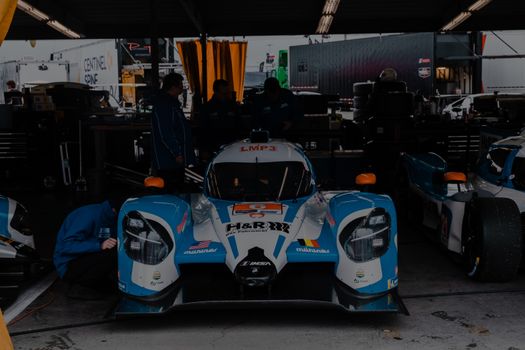
How the Le Mans Name Grew Beyond One Weekend
The 24 Hours is the centrepiece, but the Le Mans name now covers a family of championships, support series and even a video game. The official site links out across the main competition and its associated series, which gives a clear picture of how far the brand reaches.
| Series or product | What it is |
|---|---|
| 24 Hours of Le Mans | The flagship endurance race, held annually near the city of Le Mans and a round of the FIA World Endurance Championship |
| FIA World Endurance Championship | The world championship of which the Le Mans 24 Hours forms a part |
| European Le Mans Series | A European endurance championship; its calendar has included a four-hour race at Portimao |
| Michelin Le Mans Cup | A support series carrying the Le Mans name, with its own news, results and live timing |
| Asian Le Mans Series | The Asian counterpart within the same racing family |
| Le Mans Ultimate | The official game of the event |
For British readers, the wider family can be a gentler introduction to the sport. The European series and the Michelin Le Mans Cup run shorter races, which makes them easier to follow in a single sitting, while the 24 Hours remains the long-form event that everything else builds towards.
Why Endurance Racing Looks So Different
A 24-hour race rewards different qualities from a short one. Surviving the distance matters as much as outright speed, and the ACO’s own description of the event leans on that idea of a technological challenge paired with a human adventure. The result is a form of motorsport where reliability, planning and patience carry real weight.
The calendar has changed shape since 1923 as well. What began as a single annual fixture now sits inside a world championship, with feeder series on other continents and a museum and track-day operation keeping the circuit in use through the rest of the year. That spread is one reason the Le Mans name survives in conversations far outside France.
Le Mans Now: The Modern Event
The 24 Hours of Le Mans is a round of the FIA World Endurance Championship, which places it inside a season-long title fight rather than leaving it as a standalone curiosity. The next edition listed by the organisers is the 95th running of the race, scheduled for 9 to 13 June 2027. Ticketing, the entry list, the full programme and a circuit map are all published on the official race site.
Dates, session times and entry details can change, so confirm them with the organisers before booking travel or accommodation. The official pages are also the place to look for hospitality options, which are typically handled separately from general admission.
The sport has moved online too. Le Mans Ultimate is listed as the official game of the event, and the organisers run a subscription-style service alongside their live coverage. For supporters who cannot travel to France, that is often the simplest way to follow practice, qualifying and the race itself.
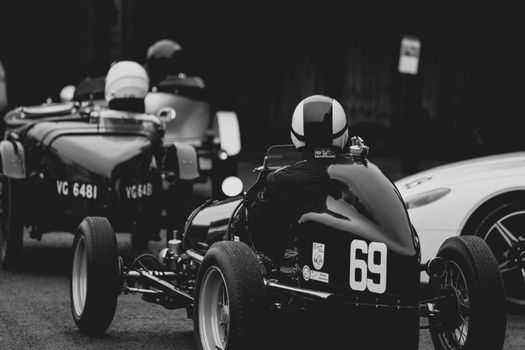
The Museum, the Circuit and the Rest of the Year
At the gates of the legendary circuit, the Motor Sport Museum, known as M24, invites visitors to explore the world of motorsport, covering endurance racing and Formula 1 among other subjects. It is a sensible stop for anyone who wants context before or after race weekend, and it keeps the site active outside the main event.
The circuit also hosts track days, so the same tarmac used for the 24 Hours appears in traveller guides aimed at people who want to drive it themselves. Meanwhile the European and Asian series, the Michelin Le Mans Cup and the world championship all keep the Le Mans name in front of audiences across the year.
What Has Kept Le Mans Relevant for a Century
Three factors stand out. The first is age. A race first run in 1923 carries a weight of tradition that newer events cannot simply buy, and the oldest active endurance sports car race in the world has had more than a hundred years to build its reputation.
The second is the club behind it. The ACO’s membership of more than 40,000 enthusiasts, its work on road safety and its programme of events across western France give the race a support base that is not purely commercial.
The third is the technical dimension. Treating the race as a test bed as much as a competition has kept manufacturers interested across decades of change, from the early years through to the modern championship era. That is why the event is still spoken about as a challenge rather than just a fixture.

Planning a First Trip to Le Mans
- Check the official race site for confirmed dates, the entry list, the programme and a circuit map before booking anything.
- Buy tickets through the official ticketing pages linked from the organisers rather than unofficial resale sites.
- Allow time for the city as well as the circuit. Le Mans is a City of Art and History with a river running through it.
- If one weekend is not enough, look at the European and Asian series calendars or the Michelin Le Mans Cup.
- Expect crowds. Thousands of spectators attend every year, so plan travel and accommodation early.
Frequently Asked Questions
When was the first Le Mans race held?
The 24 Hours of Le Mans was first run in 1923, which makes it the oldest active endurance sports car race in the world. It has been held annually near the city of Le Mans in France ever since, and today it forms a round of the FIA World Endurance Championship.
Who organises the 24 Hours of Le Mans?
The Automobile Club de l’Ouest, commonly known as the ACO, is the creator and organiser of the race. The club was founded in 1906 and designs and organises world-leading car races. It also has more than 40,000 car and motorbike enthusiast members and runs events across western France.
Where exactly is the Le Mans circuit?
The race takes place near the city of Le Mans in northwestern France. The city itself sits on the Sarthe River where it meets the Huisne, and it is now a prefecture and commune in the Pays de la Loire region. The circuit lies close by, and the surrounding area fills with spectators every year.
When is the next Le Mans 24 Hours?
The next edition listed by the organisers is the 95th running of the race, scheduled for 9 to 13 June 2027. Ticketing, the entry list, the full programme and a circuit map are published on the official race site. Always confirm dates there before booking travel.
Is Le Mans part of a championship?
Yes. The 24 Hours of Le Mans is a round of the FIA World Endurance Championship, so it counts towards a season-long title as well as standing alone as an event. Related series include the European Le Mans Series, the Michelin Le Mans Cup and the Asian Le Mans Series.
From a single race first staged in 1923 to a global name attached to world championships, support series, a museum and an official video game, Le Mans has grown well beyond one weekend in northwestern France. The essentials have not moved: a 24-hour race, a circuit near the city, and a club that has organised it since the beginning. Anyone planning to attend should treat the official race site as the final word on dates, tickets and the programme.

The Original Track Monster: The Story of the Ford 1970s Supervan

How to Find the Cheapest Car Rental Companies in the UK

Understanding Interest Rate Changes


-

 Government1 week ago
So What’s The ECHR All About?
-

 Travel2 weeks ago
Top 10 Most Expensive Countries for Food, Drink and Accommodation
-

 Football6 days ago
Premier League Matchday 9
-

 Football2 weeks ago
Premier League Matchday 8
-

 Europe1 week ago
Chasing the Sun on a Budget
-

 Classic Cars1 week ago
The History of Maserati
-

 Consoles2 weeks ago
November PlayStation Plus Lineup
-

 Consoles5 days ago
PlayStation Portal
-

 Consoles1 week ago
PlayStation Plus Free Games for November
-

 Boxing7 days ago
Tyson Fury vs. Anthony Joshua
-

 Uncategorized1 week ago
The Lotus MK1-2 Cortina
-

 F16 days ago
2026 Mexican Grand Prix: History Made at Autódromo Hermanos Rodríguez
You must be logged in to post a comment Login