
Computers
Google AdSense: Learning About the Program and the Most Important Rule
How Does the Google AdSense Program Work for Webmasters Wanting to Earn Income?

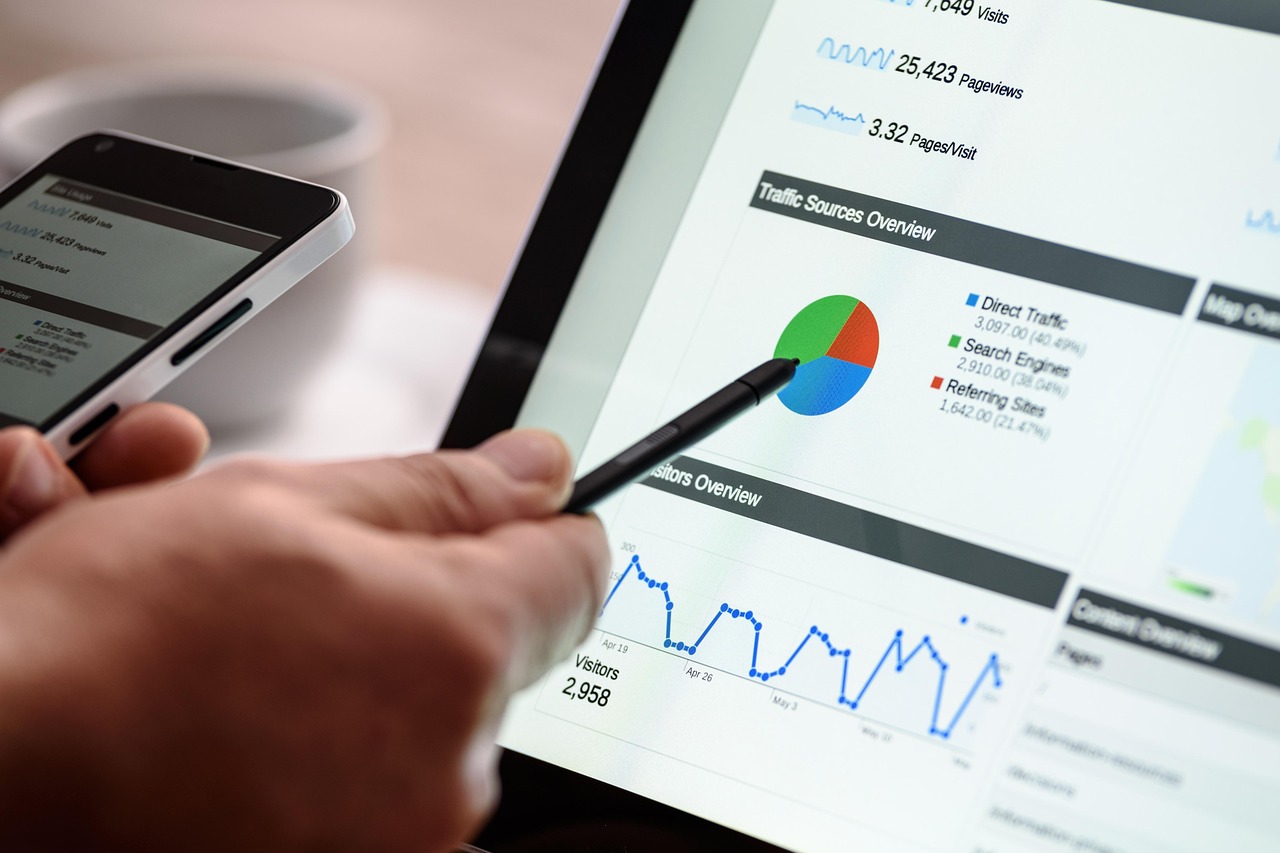
How Does the Google AdSense Program Work for Webmasters Wanting to Earn Income?
Advertisers pay Google each time someone clicks on their ads, which are displayed on web pages containing relevant text. For instance, if you create content about lawn mowers, you will likely see ads from manufacturers and retailers of lawn mowers on that page. When a visitor clicks on those ads, the advertiser pays Google, and Google then pays you. Naturally, the advertiser hopes that the person who clicks on the ad will make a purchase, such as buying a lawn mower.
Google is very strict about maintaining the integrity of this process. You are prohibited from clicking on your own ads. Doing so can result in the termination of your AdSense account, which may be permanently lost. You are also not allowed to encourage others to click on your ads. This restriction makes sense; advertisers do not want to pay for clicks from friends and family members who are not genuinely interested in purchasing the product being advertised.
The good news is that there’s no need to resort to unethical practices. Google AdSense is straightforward, and you will earn more money simply by following the rules. By creating interesting content that appears in search engine results, you will attract the right audience to view those ads. Imagine someone in Indiana buying a lawn mower because they found your content, and you earn a commission!
What You Shouldn’t Share About the Google AdSense Program – The Most Important Rule.
Relying on sympathy only goes so far. Not only is it against Google AdSense Program Policies, but depending on friends and family to click on your ads is ultimately cheating yourself and undermining the AdSense Program. The “help me out” plea may work when your child is selling overpriced candles for their school party, but it has no place in the Google AdSense Program.
If you are asking people to click on your ads, it indicates that you are not optimizing your site for genuine clicks and referrals. Instead, focus that energy on improving your content and your website. When family and friends ask what you have been working on, you can proudly showcase your hard work. Their positive reaction will likely lead to an increase in your referral revenue.
Computers
The Advantages and Disadvantages of Using a VPN
Virtual Private Networks VPN or (VPNs) have become a go‑to tool for anyone looking to boost their online privacy, access restricted content, or secure their connection on the move

Virtual Private Networks (VPNs) have become a go‑to tool for anyone looking to boost their online privacy, access restricted content, or secure their connection on the move. But like any technology, VPNs come with both strengths and limitations. Here’s a quick look at the key advantages and disadvantages to help you decide whether a VPN is right for you.
Advantages of Using a VPN
- Enhanced Privacy and Security: A VPN encrypts your internet traffic, making it far harder for hackers, advertisers, or even your internet provider to track what you’re doing online. This is especially useful when using public Wi‑Fi networks.
- Access to Geo‑Restricted Content: Whether it’s streaming services, sports events, or websites blocked in certain regions, a VPN can help you bypass location restrictions by routing your connection through servers in other countries.
- Protection Against ISP Throttling: Some internet providers slow down your connection when you stream or download large files. A VPN hides your activity, reducing the chance of throttling.
- Improved Online Anonymity: By masking your IP address, a VPN helps keep your identity and location private, adding an extra layer of anonymity to your browsing.
Disadvantages of Using a VPN
- Potential Speed Reduction: Because your data is being encrypted and routed through a remote server, VPNs can sometimes slow down your internet connection—especially if the server is far away or overloaded.
- Not All VPNs Are Trustworthy: Free VPNs often come with risks: weak security, data logging, or even selling user information. Choosing a reputable provider is essential.
- Some Services Block VPN Traffic: Streaming platforms, banks, and certain websites actively detect and block VPN usage, which can limit access even when you’re using a legitimate connection.
- Costs for Premium Services: The most secure and reliable VPNs usually require a subscription, which may not appeal to casual users who only need occasional protection.
Final Thoughts
A VPN can be a powerful tool for privacy, security, and freedom online—but it’s not a magic shield. Understanding both the benefits and the drawbacks helps you make a smarter choice about when and how to use one. For many people, a good VPN is worth it; for others, built‑in browser security or a secure home network may be enough.

Your IP Address