

Is Linux better than Windows
It genuinely depends on what you’re doing and what you value. Here’s an honest breakdown:





It genuinely depends on what you’re doing and what you value. Here’s an honest breakdown:
Linux tends to be better for:
- Developers and sysadmins (superior terminal, native Unix tools, runs on servers everywhere)
- Privacy-conscious users (open source, no telemetry by default)
- Older or low-spec hardware (lightweight distros breathe life into old machines)
- Customisation (you can make it look and behave almost any way you want)
- Stability and uptime (servers often run for years without rebooting)
- It’s free

Windows tends to be better for:
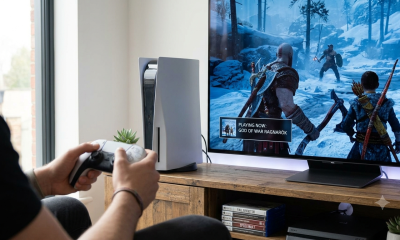
- Gaming (much wider game library, better driver support, DirectX)
- Creative/professional software (Adobe suite, many industry tools are Windows-first)
- Ease of use for non-technical users (familiar UI, broad hardware compatibility out of the box)
- Corporate/enterprise environments (Active Directory, Microsoft 365 integration)
- Niche software that simply doesn’t exist on Linux

The honest truth:
- Most people use Windows because it’s pre-installed and familiar, not because it’s objectively superior
- Linux has a steeper learning curve, but it rewards you with more control and understanding of your system
- For everyday tasks (browsing, email, docs, video), modern Linux distros like Ubuntu or Fedora are perfectly capable
- The gap has narrowed significantly — Linux gaming via Proton/Steam is now surprisingly good
If you’re a developer or technically curious, Linux is worth trying. If you rely on specific Windows-only software or are a serious gamer, Windows is still the pragmatic choice. Many people (myself included, conceptually) would say the ideal setup is having access to both.








Computers
Free Image Download Websites
You may have a blog or business website and need images for it for free.


Need Some Pics
You may have a blog or business website and need images for it. These days, pictures and images have become big business, and they can demand high prices. So free sites are welcome.
There are some great free photo sites out there that offer some great examples of usable commercial pictures. Various download sizes are available with picture sizes in KB for your needs.
Listed below are a few no-signup free image sites;
Freepixels
But there are many more……….

Doing a Google search can also be misleading because many sites offer free photos, but you must pay for the photos. One trick is to give 15 free photos if you sign up, only to find that your 15 free images are watermarked, which were not disclosed at sign-up. It’s a great way of harvesting people’s details and personal info (Dreamstime).
The other is to advertise free photos only to find out that you must pay for them. Businesses like Adobe advertise free photos – the best free photos when they are not free at all. List of paid images;
iStockphoto
Adobe
Dreamstime
Unsplash.com (Some free pics are available)
But there are many more……….
Some other considerations when using free images are licensing. An image may be for personal use only or for commercial use. The best one for all uses is a commercial license with no restrictions.
To get the best quality photo, choose the highest resolution images. These are available on free sites.
Computers
The Advantages and Disadvantages of Using a VPN
Virtual Private Networks VPN or (VPNs) have become a go‑to tool for anyone looking to boost their online privacy, access restricted content, or secure their connection on the move

Virtual Private Networks (VPNs) have become a go‑to tool for anyone looking to boost their online privacy, access restricted content, or secure their connection on the move. But like any technology, VPNs come with both strengths and limitations. Here’s a quick look at the key advantages and disadvantages to help you decide whether a VPN is right for you.
Advantages of Using a VPN
- Enhanced Privacy and Security: A VPN encrypts your internet traffic, making it far harder for hackers, advertisers, or even your internet provider to track what you’re doing online. This is especially useful when using public Wi‑Fi networks.
- Access to Geo‑Restricted Content: Whether it’s streaming services, sports events, or websites blocked in certain regions, a VPN can help you bypass location restrictions by routing your connection through servers in other countries.
- Protection Against ISP Throttling: Some internet providers slow down your connection when you stream or download large files. A VPN hides your activity, reducing the chance of throttling.
- Improved Online Anonymity: By masking your IP address, a VPN helps keep your identity and location private, adding an extra layer of anonymity to your browsing.
Disadvantages of Using a VPN
- Potential Speed Reduction: Because your data is being encrypted and routed through a remote server, VPNs can sometimes slow down your internet connection—especially if the server is far away or overloaded.
- Not All VPNs Are Trustworthy: Free VPNs often come with risks: weak security, data logging, or even selling user information. Choosing a reputable provider is essential.
- Some Services Block VPN Traffic: Streaming platforms, banks, and certain websites actively detect and block VPN usage, which can limit access even when you’re using a legitimate connection.
- Costs for Premium Services: The most secure and reliable VPNs usually require a subscription, which may not appeal to casual users who only need occasional protection.
Final Thoughts
A VPN can be a powerful tool for privacy, security, and freedom online—but it’s not a magic shield. Understanding both the benefits and the drawbacks helps you make a smarter choice about when and how to use one. For many people, a good VPN is worth it; for others, built‑in browser security or a secure home network may be enough.

Your IP Address