
Uncategorized
The Lotus MK1-2 Cortina


Ask a British classic car fan to name the models that carried the Lotus name beyond pure sports cars, and the Cortina usually arrives early in the conversation. The Mk1 and Mk2 Lotus Cortina take a familiar family saloon and add the ingredient Lotus has built its reputation on: a light, agile car that rewards a driver who is paying attention. That combination keeps values strong, keeps owners’ forums busy and keeps the two generations firmly separated in the minds of collectors.
Why the Lotus Badge Changed the Cortina’s Character
Lotus has spent decades being described in the same terms: lightweight chassis, razor-sharp handling and a driving experience built around the person behind the wheel. The Telegraph Cars team’s Lotus coverage and Lotus’s own model pages both lean on that identity because it is what the marque sells. Apply that philosophy to a small British saloon, and you get a car that behaves nothing like the model it started as, which is precisely why the Mk1 and Mk2 versions are treated as their own breed rather than as trim levels.
Mk1 and Mk2: Two Separate Characters
The two cars are usually discussed together, but they are not the same machine with a different badge. They belong to different generations of the Cortina, so body panels, trim, interior fittings and mechanical details changed between them. That matters for two reasons. First, a Mk1 and a Mk2 feel different enough that owners tend to have a clear preference. Second, those details are exactly what buyers use to judge authenticity, because a car that has been rebuilt, restored or re-shelled over several decades can easily end up wearing a mixture of parts.
Published production totals, engine specifications and period competition records vary between sources and model years. Before you treat any figure as settled, confirm it with a recognised owners’ club. Or use a marque specialist who works on these cars regularly.
Where the Knowledge Lives
Ownership of any classic Lotus depends heavily on the community around it. The Lotus Forums, known as TLF, describes itself as the world’s busiest Lotus community and runs dedicated sections for projects and restorations as well as for exterior, lights and glass. For a Cortina owner, that structure is gold dust. Restoration threads show what a correct shell looks like, wanted adverts turn up unobtainable trim, and long-standing members can often tell you whether a car has been advertised before.
Specialist dealers matter too. Allon White Sports Cars, for example, sells used Morgan and Lotus sports cars alongside other desirable classics, and sets out its process on its own site: a pre-sales check in its workshop that takes about three hours, an HPI check, and servicing before sale. Whether or not you buy from a dealer, that is a reasonable benchmark for the scrutiny a classic should get before money changes hands.
What to Check Before You Buy
A Lotus Cortina has a long life behind it. Most of the risk sits in the details rather than the paintwork. Work through the following before you commit.
- Identity: compare chassis, engine and body details against the paperwork. Have a specialist confirm them rather than relying on a badge and a logbook.
- Structure: check the shell carefully. Include the areas that are hardest to see, because bodywork repairs on a low-volume classic are rarely cheap.
- History: ask for a documented record of rebuilds, restorations and engine work, and be wary of gaps.
- Parts: before agreeing a price, confirm that the trim, glass and mechanical items the car needs can actually be sourced.
- Independent inspection: pay someone who knows these cars to look at it on a ramp. Their report costs far less than a mistake.

The Modern Lotus Backdrop
Interest in the old cars sits alongside a busy modern Lotus. Current listings on Carwow show 67 automatic Lotus cars available from dealers across the UK, priced from £43,990 to £185,205 and spanning SUV and coupe body styles. The marque has also appeared in central London, with a flagship store announced for Piccadilly in Mayfair. On the manufacturing side, Lotus said in an emailed statement reported in June 2025 that it was continuing normal operations and had no plans to close its English factory.
That tells you nothing about what a Mk1 or Mk2 Cortina is worth. It explains why the badge still gets attention. A marque that is still launching cars and opening showrooms keeps its heritage in the public eye.
Reading the Market Without Guessing
Values for Mk1 and Mk2 cars are driven by generation, condition, originality and documented history. The spread between an honest driver and a concours car is wide. The research behind this piece does not include Cortina sale prices, so treat any number you see online with caution. Compare specialist dealer listings, follow owners’ club sales pages and look at what actually sold rather than what was asked.
Frequently Asked Questions
What is the difference between the Lotus Cortina Mk1 and Mk2?
They are separate generations, so the body shell, trim, interior and mechanical specifications changed between them. Owners usually develop a firm preference once they have driven both. Because restorations often mix parts, the reliable way to tell them apart and to confirm what a car actually is. Check its numbers and history with a marque specialist or owners’ club.
Are Lotus Cortina parts difficult to find?
Availability varies by model and by component. Mechanical consumables are generally easier to track down than correct trim. Glass and body panels, which is why the owners’ club network matters so much. Specialist dealers and forum classifieds are the usual routes. Confirm that specific parts are obtainable before you agree a price on a project car.
How much should I expect to pay for a Lotus Cortina?
There is no single answer. Price depends on the generation, condition, originality and documented history, and the gap between a project and a well-restored car is substantial. The research for this article contains no Cortina sale prices, so check current specialist listings, owners’ club classifieds and recent auction results before setting a budget.
Is a Lotus Cortina a sensible investment?
Treat it as a hobby that may hold its value rather than a guaranteed financial plan. The cars are collectable, and the Lotus name still draws attention, but restoration costs can outrun the market, and the strongest performance usually goes to well-documented, original cars. Buy the best example you can afford and keep every receipt.
Where can I see modern Lotus cars in the UK?
Lotus announced a flagship store on Piccadilly in Mayfair, central London, publicised through the Lotus Forums community. Beyond the capital, dealers across the UK list new and used Lotus models, including automatic cars priced from £43,990 to £185,205 at the time of writing. Check the official Lotus site for current locations and opening arrangements before travelling.
The Mk1 and Mk2 Lotus Cortina remain two of the most distinctive British saloons of their era, and the sensible approach to either is the same: buy on documentation and inspection rather than nostalgia, lean on the specialists and owners’ clubs who know the details, and accept that the badge alone is not proof of anything.
Holidays
British Seaside Resorts And Their Demise.
The story of the British seaside resort is one of classic boom and bust. Once the crown jewels of Victorian leisure, iconic coastal towns like Blackpool
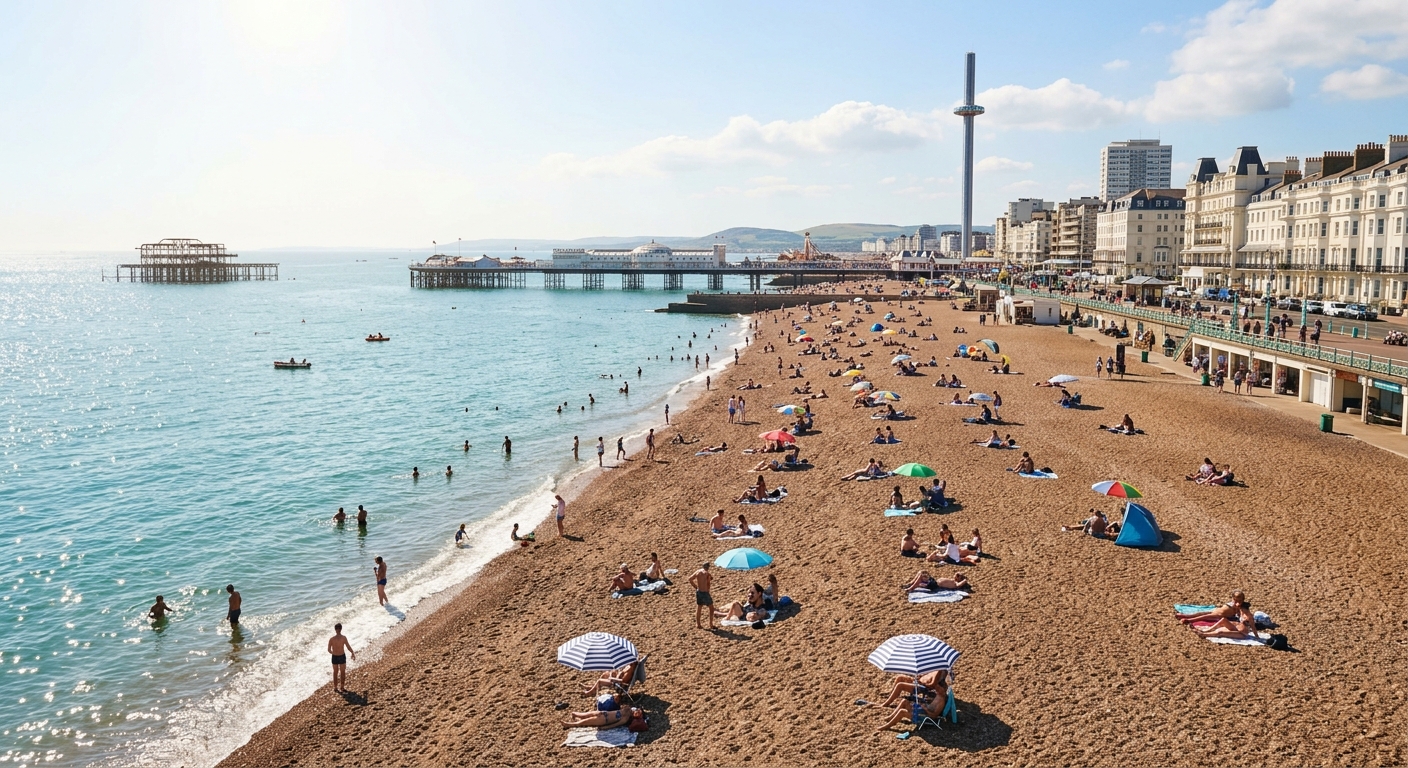
The story of the British seaside resort is one of classic boom and bust. Once the crown jewels of Victorian leisure, iconic coastal towns like Blackpool, Skegness, and Great Yarmouth served as the primary retreat for millions of working-class families.
Today, many of these resorts face severe economic decline, struggling with issues ranging from shifting holiday habits to deep-rooted structural isolation.
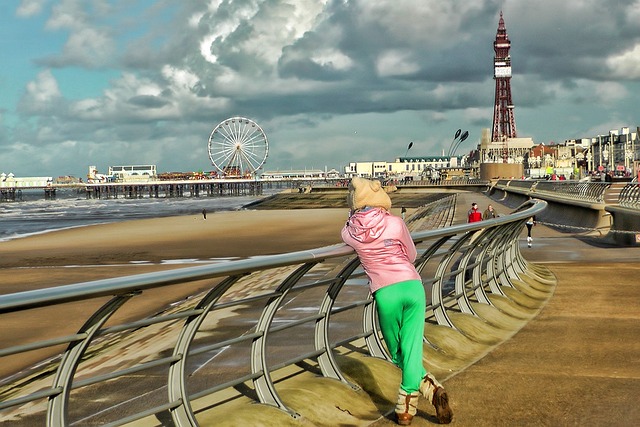
Several key factors drive the decline of the UK seaside resort:
The Rise of Cheap Package Holidays
The turning point began in the 1970s with the boom of budget commercial aviation and package holiday operators. Suddenly, a week in sunny Spain or Greece became as affordable as a rain-slicked week in Scarborough or Clacton.
Unpredictable British weather, combined with guaranteed Mediterranean sunshine, led generations of holidaymakers to abandon domestic coastlines for guaranteed summer heat abroad.
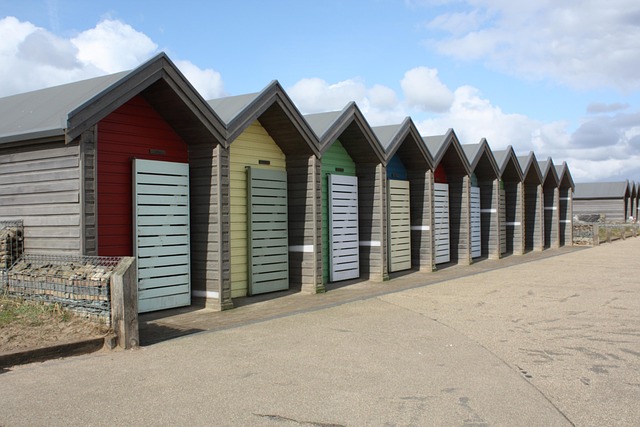
Geographic and Transport Isolation
Most coastal towns suffer from being geographically “at the end of the line”. Unlike inland towns that sit along central transit corridors or major highways, seaside resorts only draw traffic from one direction.
Poor road links and infrequent, expensive rail services make commuting to major economic hubs difficult, discouraging modern businesses from investing in these areas.
Seasonal and Fragile Economies
Seaside economies historically rely on tourism, hospitality, and seasonal entertainment—industries that peak for a few summer months and dry up for the rest of the year. The abundance of low-wage, zero-hours, or part-time work creates persistent underemployment.
As traditional industries like fishing and shipping faded alongside domestic tourism, few alternative sectors emerged to replace them.
Housing and Demographic Shifts
The decline created a severe housing mismatch. Grand Victorian hotels and guesthouses, no longer viable for tourists, were frequently converted into low-cost Houses in Multiple Occupation (HMOs) or cheap private rentals.
This attracted highly transient, low-income populations while prompt statutory support services struggled to keep up. Concurrently, coastal areas have seen a steady “brain drain,” with young people leaving for better educational and career opportunities inland, leaving behind ageing demographics.
A Story of Contrasts
While classic, large-scale amusement resorts have struggled, the narrative is not entirely uniform across the UK coast:
| Resort Type | Core Examples | Modern Status | Primary Economic Drivers |
| Traditional Mass Tourism | Blackpool, Skegness, Clacton | High deprivation, struggling with seasonal reliance | Arcades, budget staycations, local hospitality |
| Pivoted / Heritage Towns | Whitstable, Margate, St Ives | Gentrified, growing tourist interest | Boutique retail, art galleries, high-end gastronomy |
| Commuter & University Hubs | Brighton, Bournemouth | Economically resilient, higher property values | Tech, higher education, remote work, London links |
Reversing this decline requires moving past the illusion that tourism alone can sustain these communities year-round.
True revitalisation depends on improved digital and transport infrastructure, diversifying local employment into sectors like renewable energy, and investing directly in education and health services for permanent residents.
Immigration
Ceuta, Morocco: Invasion of Illegal Immigrants
60,000 Illegal immigrants this week invaded Ceuta (Spain) from Morocco, sending the little enclave into overdrive.

60,000 Illegal immigrants this week invaded Ceuta (Spain) from Morocco, sending the little enclave into overdrive.
With scenes like a WW1 enactment, they just swarmed over the Moroccan-Spanish border, killing 70+ people.
Through the streets they went, robbing and rioting and looking for a way to the Spanish mainland to enter mainland Europe.
The reasons this mass invasion took place were social media misinformation claiming Europe’s doors were open, and border policies had changed.
The social media posts stated that rumours claiming arrivals by sea could not be deported were the main reason for the surge.

The mass migration was so big that the army had to be called in. Most of the immigrants returned to Morocco, leaving between 3000 – 5000 people staying in Ceuta.
This was a major security breach for the EU with no border checks or passports shown. It also means criminals could have penetrated the border.
The situation was so bad the Italians closed their border with Spain. Even though there is no physical border with Italy, flights, boats and auto transport were all banned.
But if we look at the broader picture, this affects the UK even though it is 1600 miles away. If 1000s of migrants go to the mainland, how many would head for the UK?
The United States and Australia have migrant problems. They have tackled the problem head-on and removed the illegal immigrants from their countries.
There will be some repercussions from this mass migration incident. We need to learn from this, and social media has a lot to do with the problem.


0 – 1
It was 0-0 till halftime. In the second half, Chelsea were in control, but a little bit of magic gave City a goal and the FA Cup.
Well done to Manchester City, well played, and commiserations to Chelsea.

The Lotus MK1-2 Cortina

PlayStation Plus Free Games for November

The History of Maserati


-

 Government3 weeks ago
1200 More Illegal Immigrants In 8 Days
-

 Motorsport3 weeks ago
Le Mans History: The 24 Hours Race From 1923 to Today
-

 Travel1 week ago
Top 10 Most Expensive Countries for Food, Drink and Accommodation
-

 Consoles4 days ago
November PlayStation Plus Lineup
-

 Football4 days ago
Premier League Matchday 8
-
 Consoles18 hours ago
PlayStation Plus Free Games for November
-
 Classic Cars18 hours ago
The History of Maserati
You must be logged in to post a comment Login